Newsletters




Oil prices edged lower on Thursday as investors weighed continued exchanges of fire between the United States and Iran across the Gulf, while global equities and precious metals also came under pressure amid heightened uncertainty
International benchmark Brent crude fell 0.5% to $84.6, while U.S. benchmark West Texas Intermediate (WTI) slipped 0.2% to $79.5 as of 11:30 a.m. GMT. European natural gas moved the other way, with futures at the TTF Hub rising 0.8% to €54.8 ($62.8) per megawatt hour.
Selling spread through much of Asia, where Japan's Nikkei 225 dropped 2.8% and South Korea's Kospi tumbled 6.4%. China's Shanghai Composite lost 1.9%, although Hong Kong's Hang Seng bucked the trend by climbing more than 1.3%.
European markets also drifted lower. The pan-European Stoxx 600 slipped 0.6%, Germany's DAX fell 0.7%, France's CAC 40 declined 0.9% and the UK's FTSE 100 edged down 0.3%. In Türkiye, the benchmark BIST 100 reversed early losses of 0.4% and traded 0.9% higher.
U.S. stock futures were mixed, with the tech-heavy Nasdaq slipping 0.8%.
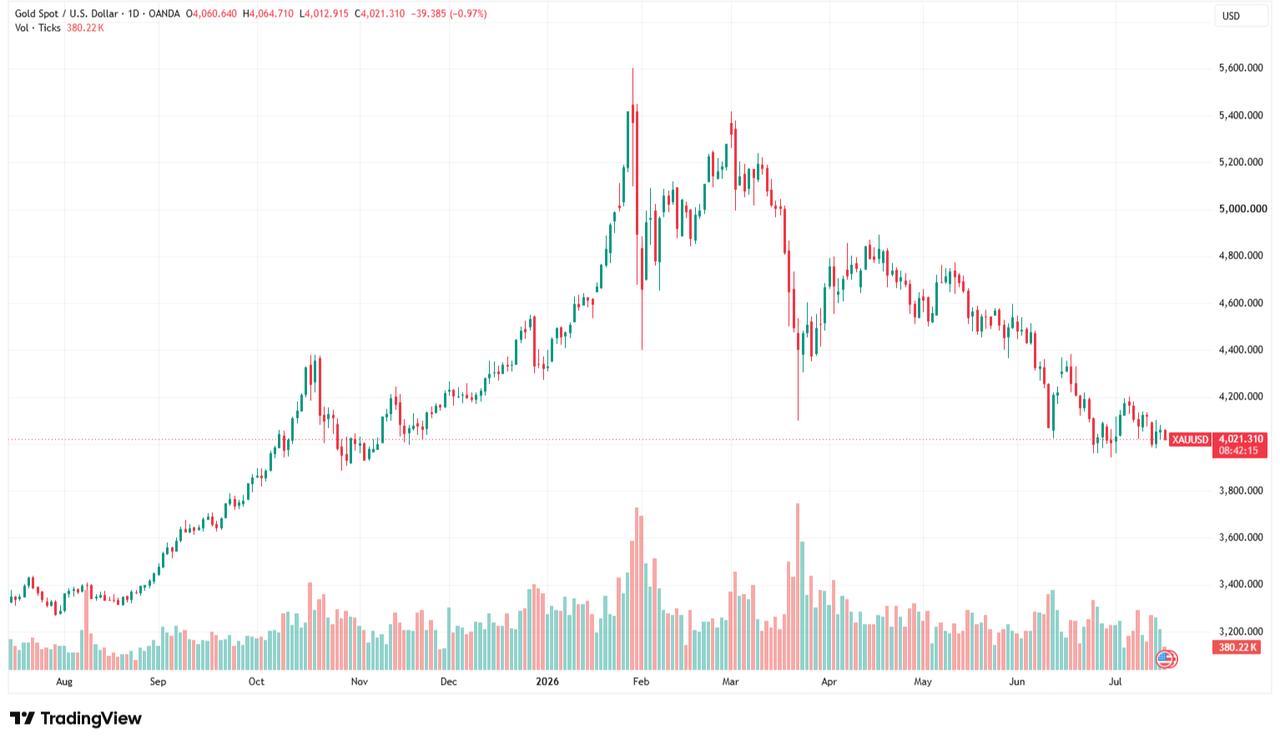
Precious metals also lost ground, with gold down 0.6% at $4,020 an ounce and silver falling 1.9% to $56.5. Palladium dropped 2.7% to around $1,270, while platinum declined 1.6% to $1,640 per ounce.
Cryptocurrency markets were relatively steady by comparison. Bitcoin slipped 0.8% to $64,140, while ethereum traded flat at $1,880.

Markets remained on edge as the U.S. and Iran exchanged another round of strikes, fueling concerns that the conflict could spread across the Gulf and threaten one of the world's most critical energy corridors.
Washington expanded its military campaign overnight, targeting missile, air defense and command facilities across several parts of Iran, including areas around Tehran. Iran responded with missiles and drones aimed at U.S. military facilities in Jordan and Kuwait, while also claiming attacks on American military assets in Bahrain.
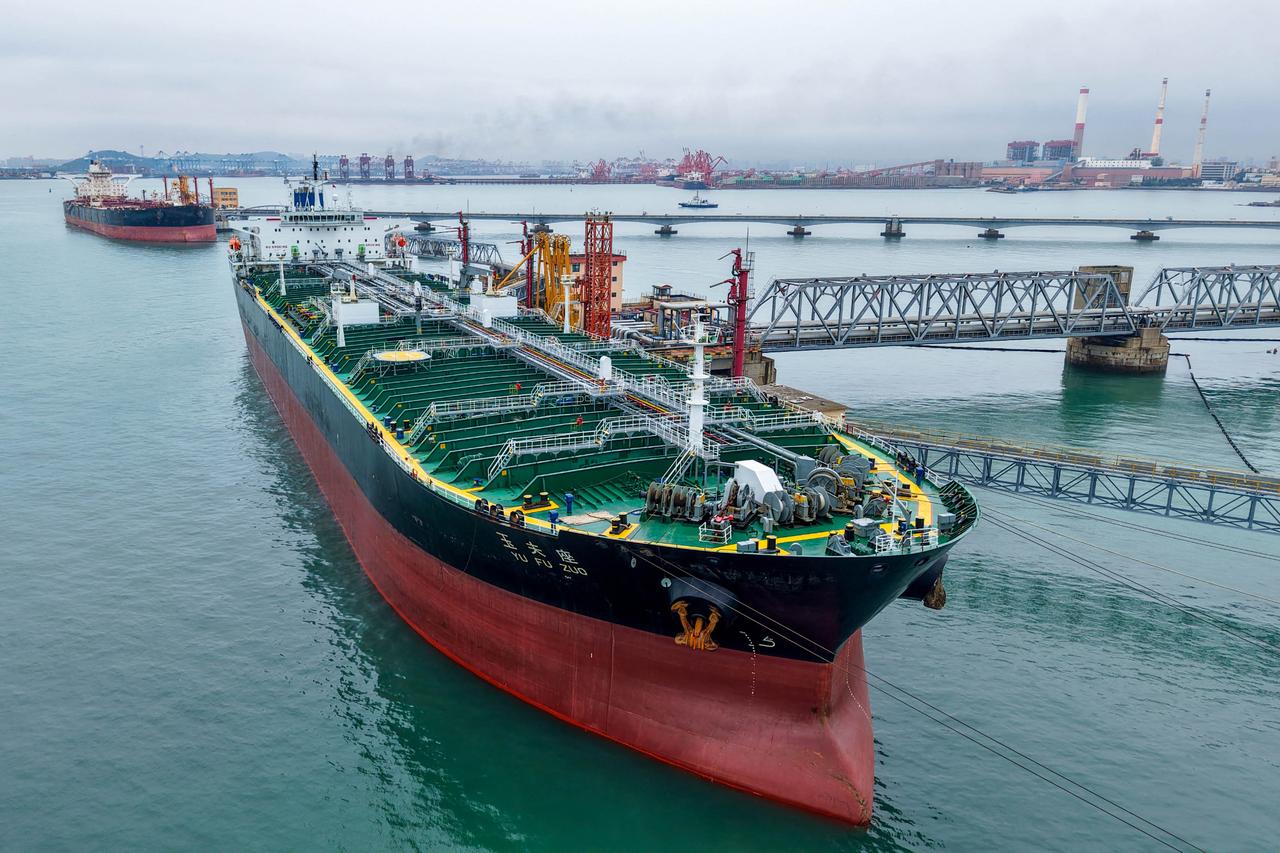
Anxiety also grew in the following hours after a drone struck an oil tanker near Iraq's Basra terminal. Iraqi authorities said the vessel was undamaged and that the incident occurred outside the ports' operational area, allowing loading operations to continue uninterrupted.
The deteriorating security environment has already begun to affect commercial shipping. Only nine vessels crossed the Strait of Hormuz on Wednesday, down from 13 a day earlier, according to Kpler data, with no very large crude carriers (VLCCs) or liquefied natural gas (LNG) tankers visibly recorded transiting the waterway.
Although oil exports have not been disrupted on a broad scale, geopolitical risk premiums remain elevated as any sustained interruption to traffic through Hormuz could quickly tighten global crude and LNG supplies.
A prolonged rise in energy prices is seen as one of the factors that could stoke inflation, curb prospects for monetary easing and weigh on global growth, reducing the appeal of risk assets.


 Set as preferred source
 Set as preferred source


 1 min read

 1 min read