Newsletters




Turkish investors cut overseas property purchases by 26% in the three months following the outbreak of the Iran war, while foreign investment in Türkiye's real estate market climbed 28.3%, according to central bank data.
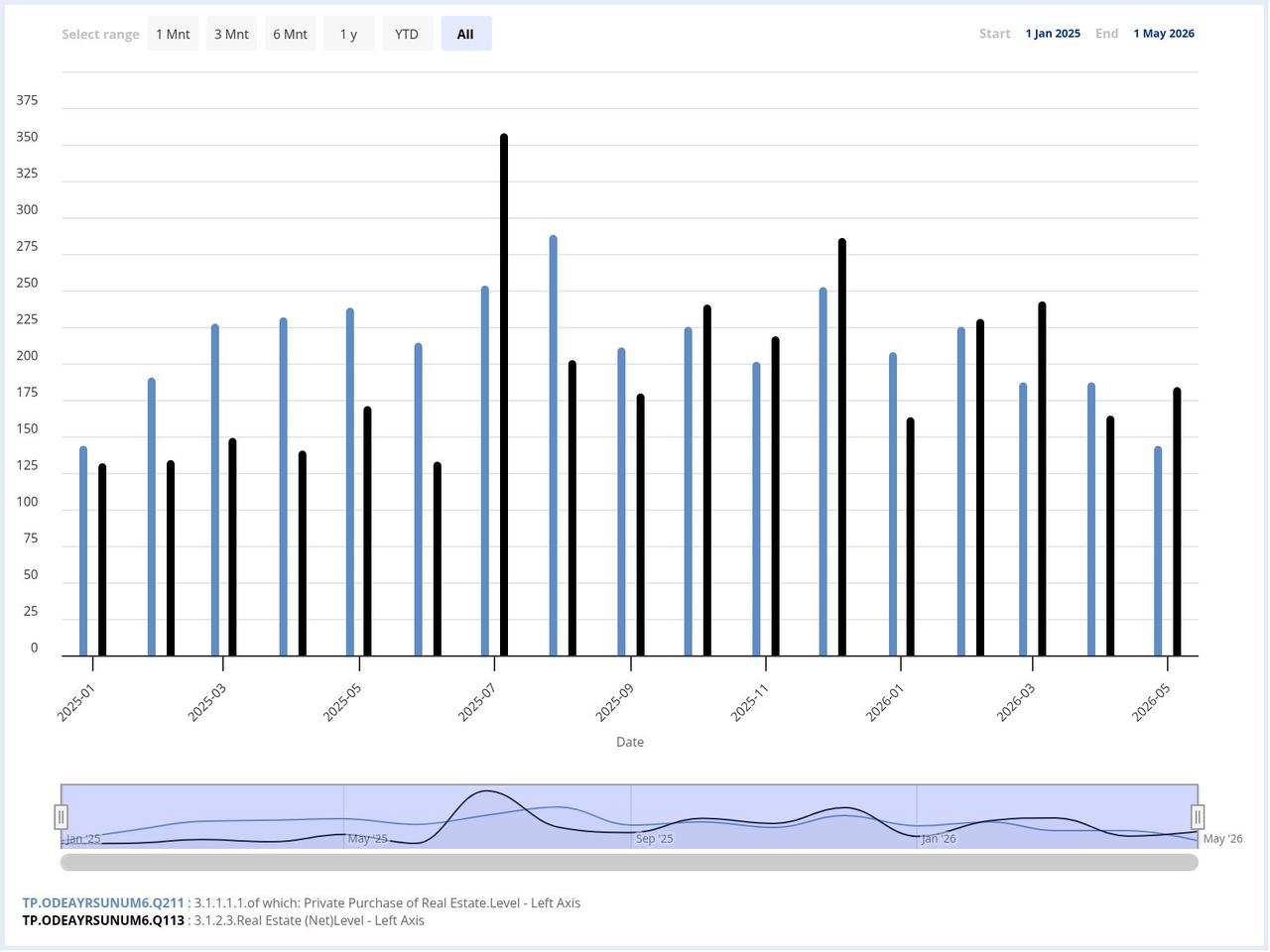
Figures showed Turkish residents spent $517 million on overseas real estate between March and May as Iran's retaliatory attacks dampened the Gulf region's appeal, while foreign buyers invested $590 million in Turkish property.
Turkish buyers spent a record $2.7 billion on foreign real estate in 2025, while purchases continued to grow early this year, rising 44.4% year over year to $208 million in January and 18.4% to $225 million in February.
The trend reversed in March after the conflict triggered by the U.S. and Israeli attack on Iran on Feb. 28 and Tehran's retaliation fueled uncertainty across the Gulf region.
Turkish residents spent $187 million on overseas property in March, down 18% from a year earlier. Spending remained at $187 million in April, a 19.4% annual decline, before dropping 40% to $143 million in May, the lowest monthly level in 29 months.
While Turkish demand abroad weakened, foreign investors moved in the opposite direction. Non-residents bought $242 million worth of property in Türkiye in March, up 62.4% from a year earlier.
Purchases reached $164 million in April, a 17.1% increase, before climbing another 7.6% to $184 million in May despite the nine-day Eid al-Adha holiday.

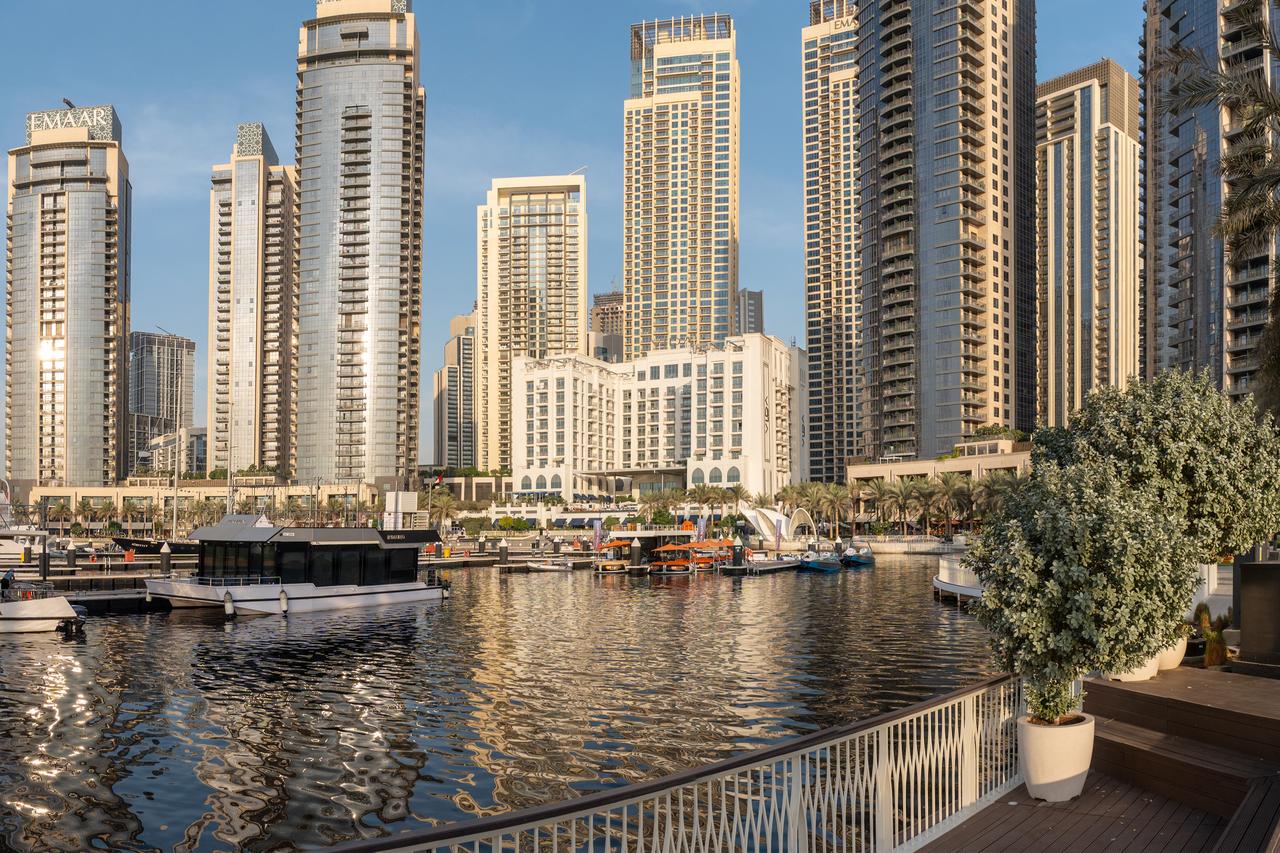
Industry experts said heightened regional tensions hit Turkish demand for overseas property, particularly in the UAE's Dubai and Greece.
Bayram Tekce, head of the Real Estate Services Exporters Association, said Dubai and Greece had been among the top destinations for Turkish buyers in recent years. "The attacks that began in Dubai in March almost brought purchases there to a standstill. That caused sales to decline," he told state-run Anadolu Agency (AA).
Tekce also argued that Greece's stance toward Türkiye, its cooperation with Israel and the Greek Cypriot Administration of Southern Cyprus (GCASC), and its military buildup on the islands weakened Turkish interest in the country's property market.
International real estate expert Burak Ustaoglu called the slowdown temporary, saying many investors had postponed rather than abandoned overseas purchases as the conflict raised regional security concerns.
He added that Türkiye's new investment incentive package, unveiled in April; competitive home prices; and continued demand from Gulf countries, Russia, Azerbaijan, and Kazakhstan continue to support the domestic market.
Despite the increase in foreign investment value, home sales to foreign buyers continued to decline in volume. House sales to foreigners fell 15.1% year over year to 7,068 units in the January-May period, according to official data.


 Set as preferred source
 Set as preferred source


 1 min read
 1 min read