Newsletters




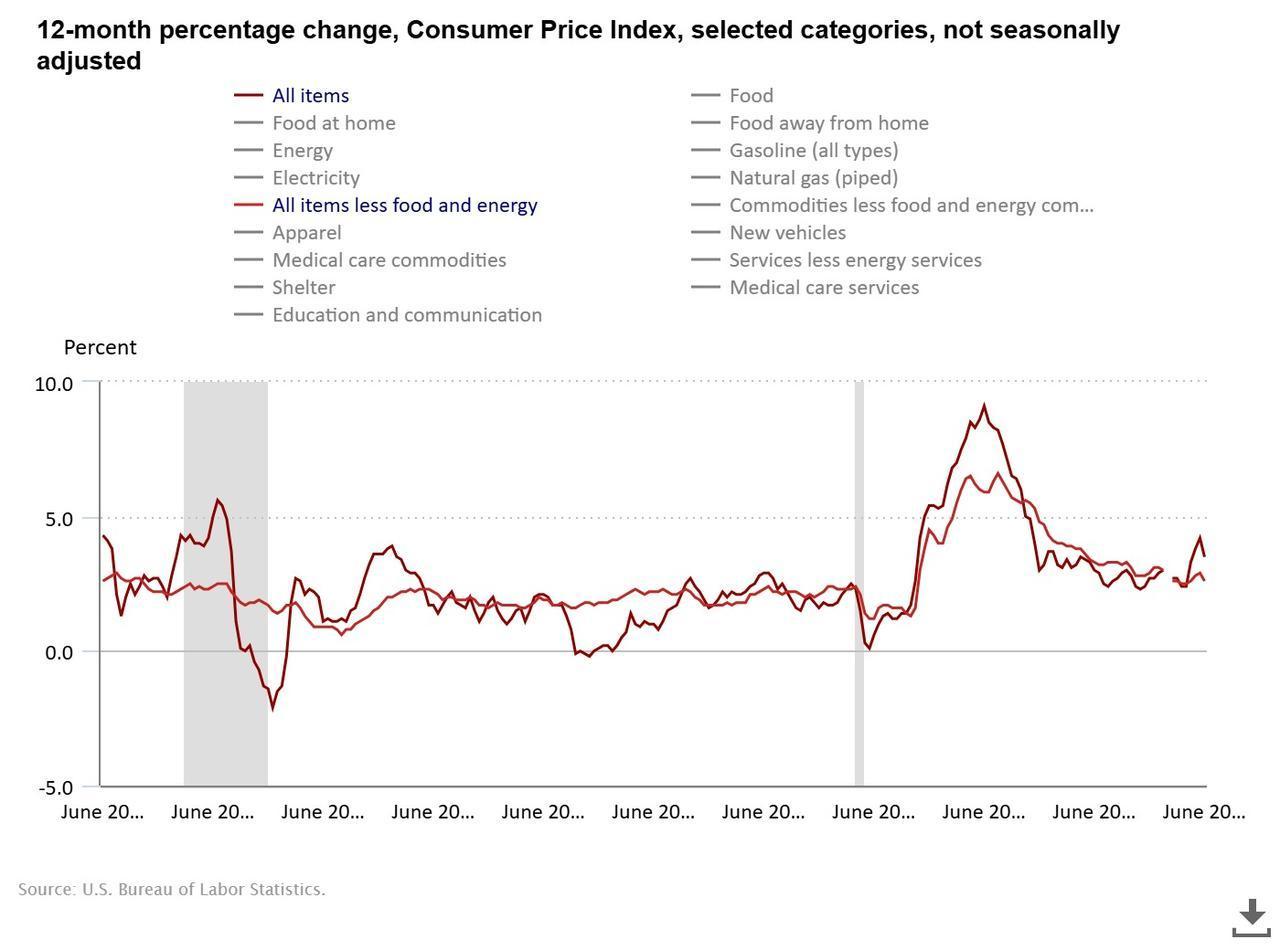
U.S. inflation in June came in below market forecasts on Tuesday, with consumer prices falling 0.4% from the previous month and annual inflation easing to 3.5%, largely on the back of lower energy prices.
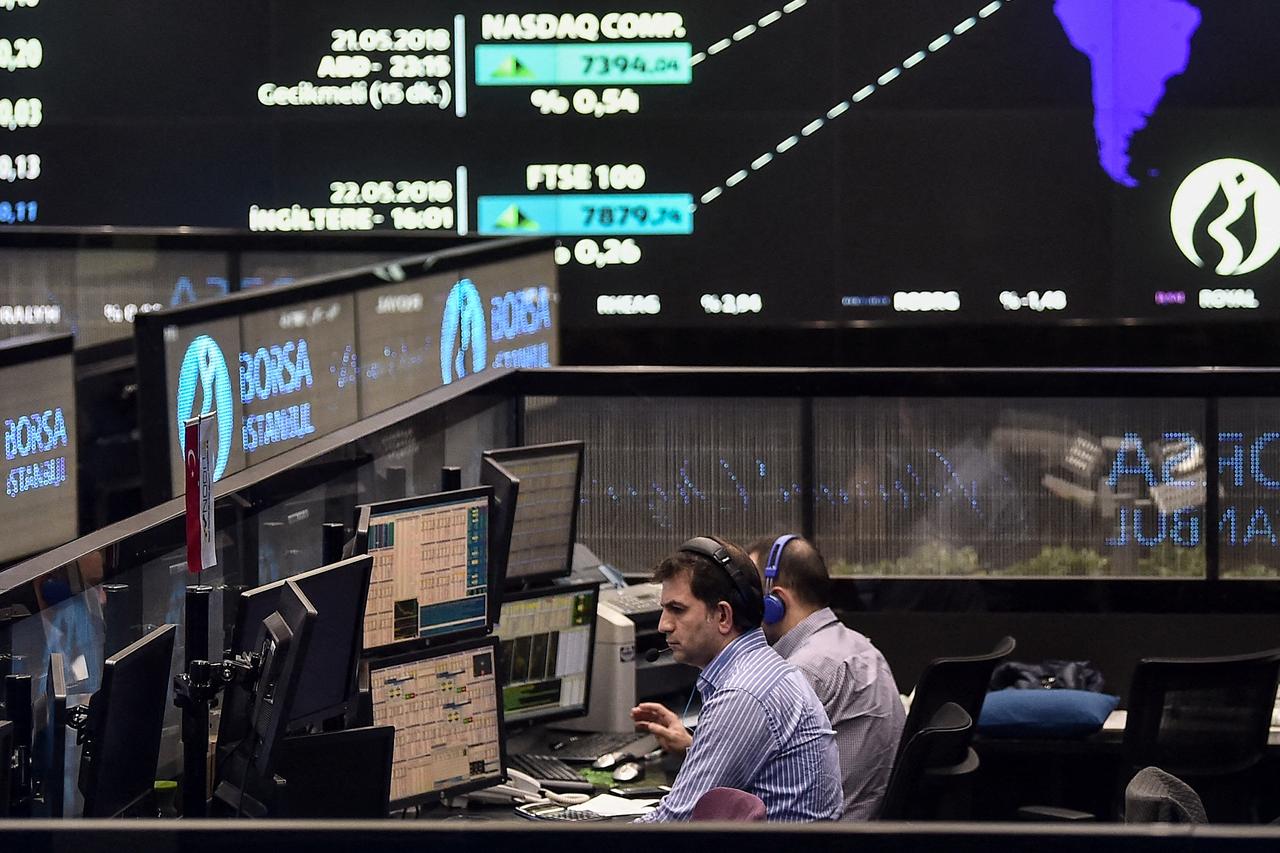
The softer-than-expected reading lifted global equities and precious metals, easing expectations of an immediate Federal Reserve rate hike. Gold extended its gains to more than 2%, while the tech-heavy Nasdaq climbed more than 1.5% in early trading.
Fresh Labor Department data released Tuesday showed annual consumer inflation slowing to 3.5% from 4.2% in May, pulling back from a three-year high. The improvement largely reflected a sharp fall in energy costs after oil prices briefly eased on hopes of a U.S.-Iran agreement during the Middle East conflict.
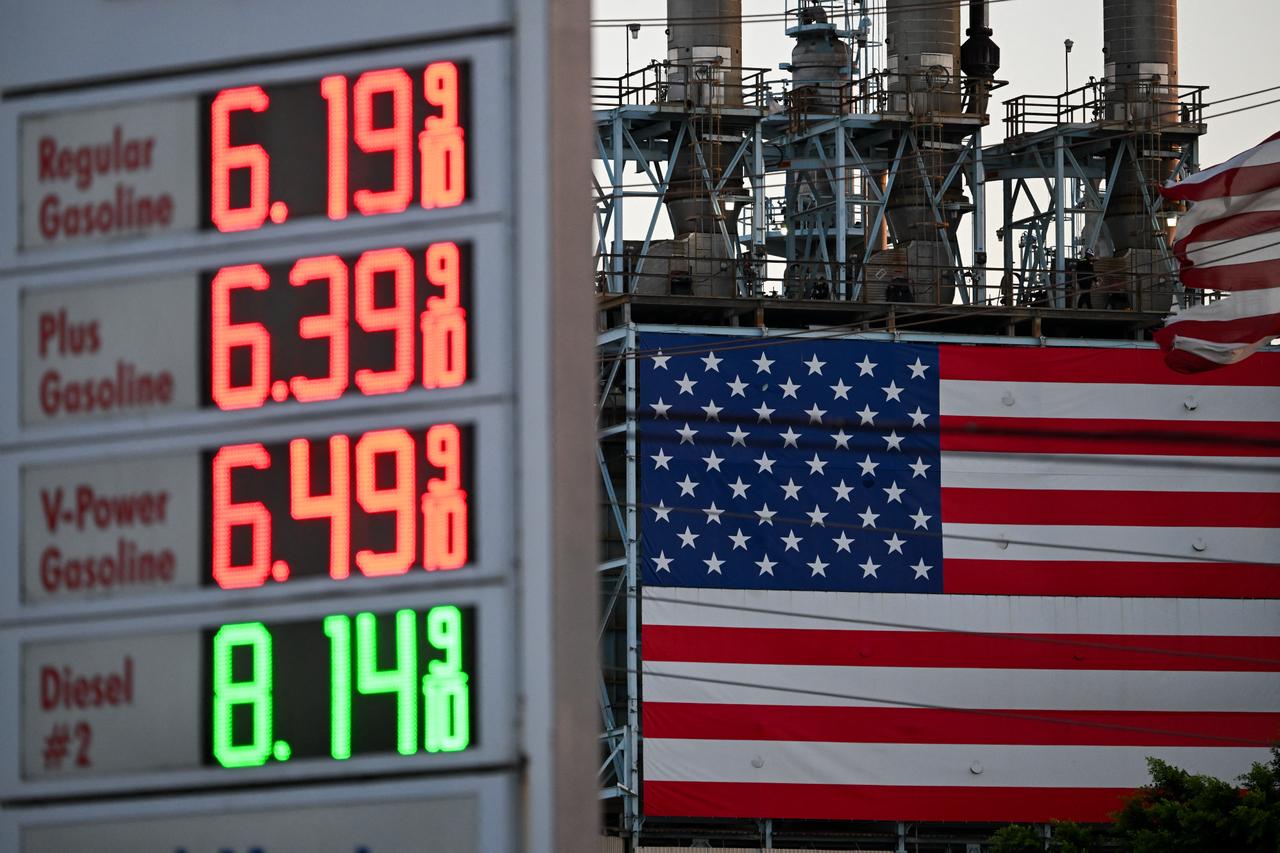
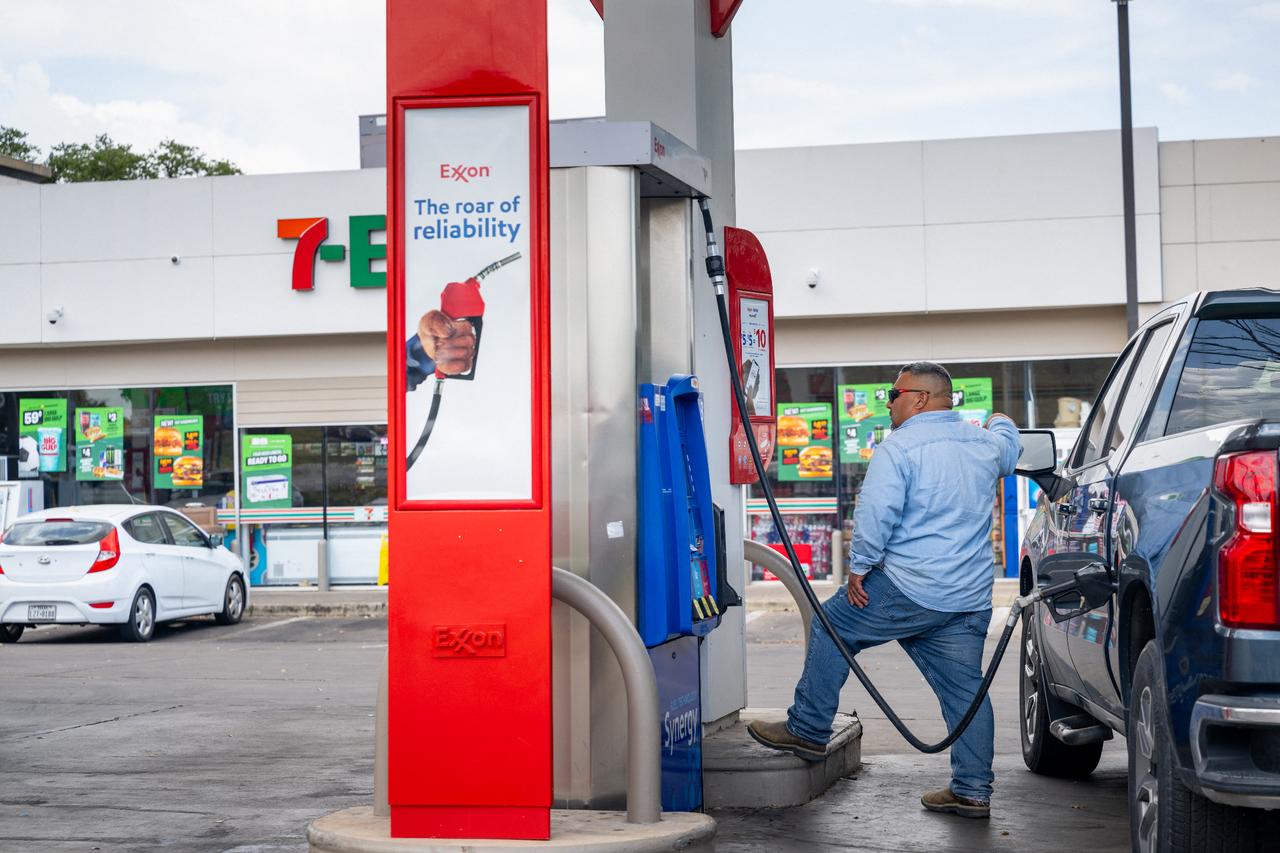
Energy prices dropped 5.7% in June after rising 3.9% the previous month, although the index remained 15.7% above its level a year earlier. Gasoline prices tumbled 9.7% from May but were still 26.7% higher than in June 2025.
Food costs continued to edge higher, with the overall food index rising 0.2% in June and 3% from a year earlier. Core CPI, which excludes food and energy, was flat in June after increasing 0.2% in May, leaving the annual rate at 2.6%.

Federal Reserve Chairman Kevin Warsh reaffirmed the central bank's commitment to restoring price stability ahead of his first congressional testimony as Fed chief before the House Financial Services Committee.
"The Fed's number one objective is to get monetary policy right ─ or as near to it as we possibly can," Warsh said in prepared remarks. "If we get policy right ─ and we will ─ the inflation surge of the last five years will be a thing of the past," he added.
Warsh, who chaired his first Federal Open Market Committee meeting in June, led a unanimous decision to keep the federal funds target range unchanged at 3.5% to 3.75%, while policymakers signaled that inflation remains above the Fed's 2% target.
Tuesday's cooler-than-expected inflation reading eased expectations of a near-term rate increase, although Warsh avoided offering any guidance on the Fed's next move in his prepared testimony, reiterating instead that policymakers have "no tolerance" for persistently elevated inflation.


 Set as preferred source
 Set as preferred source


 1 min read

 1 min read