Newsletters


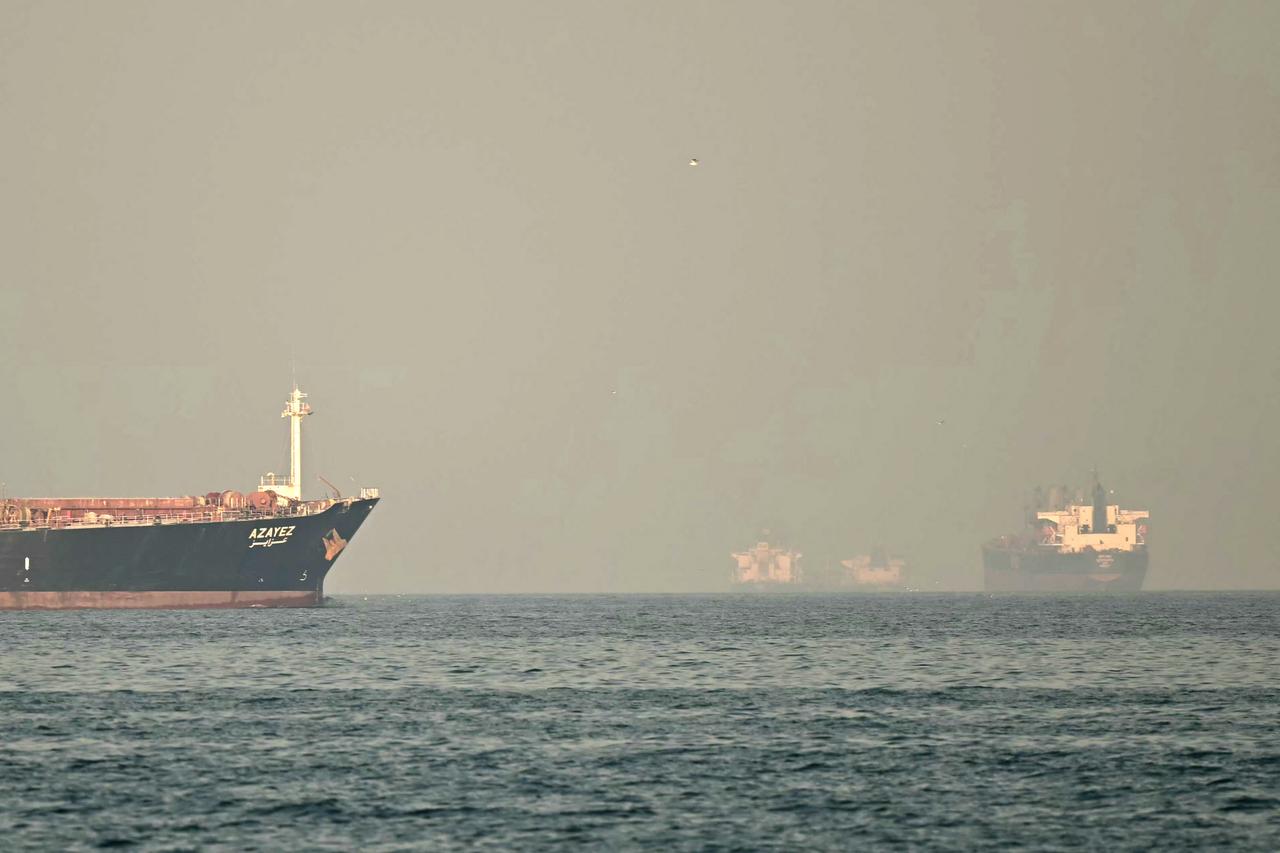


Oil shipments through the Strait of Hormuz, which handles about 20% of global oil consumption, slowed over the weekend as major trading houses and shipping firms held vessels back following U.S. and Israeli strikes on Iran and Tehran’s retaliatory missile attacks, according to reports.
Four trading sources told Reuters that several large crude and fuel cargoes were placed on hold, with one senior executive at a major trading desk saying their vessels would remain in place for several days.
Tracking data compiled by Bloomberg showed that while the waterway remained open, several tankers avoided entering the strait, causing vessels to gather both inside and outside the narrow passage.
Japan’s Nippon Yusen KK instructed its fleet not to sail through Hormuz, while Greek authorities urged their large merchant fleet to reassess planned crossings. Privately, multiple shipowners said they were reviewing their transit policies, with one interpreting a U.S. advisory as effectively signaling closure of the route.
Naval observers said maritime traffic had not stopped completely, but traders were closely monitoring whether Iranian retaliation or further military action would disrupt ports or energy infrastructure in the wider region.
Beyond oil shipments, energy infrastructure faced precautionary shutdowns. Emirati company Dana Gas suspended natural gas exports from the Khor Mor field in northern Iraq, which supplies most power stations in the region.
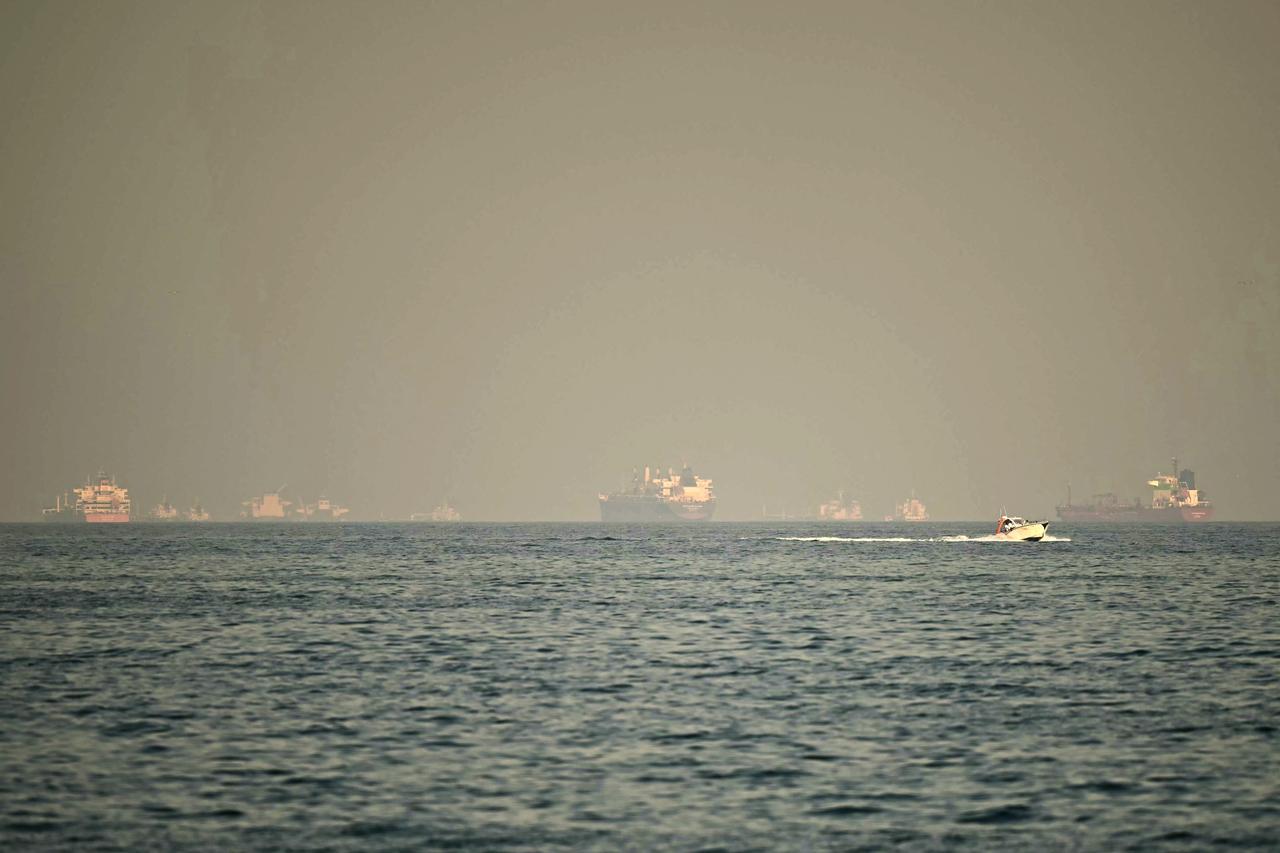

Key OPEC exporters, Saudi Arabia, Iran, the United Arab Emirates, Kuwait and Iraq, ship most of their crude via Hormuz, largely to Asian markets. Qatar also sends almost all of its liquefied natural gas exports through the same corridor.
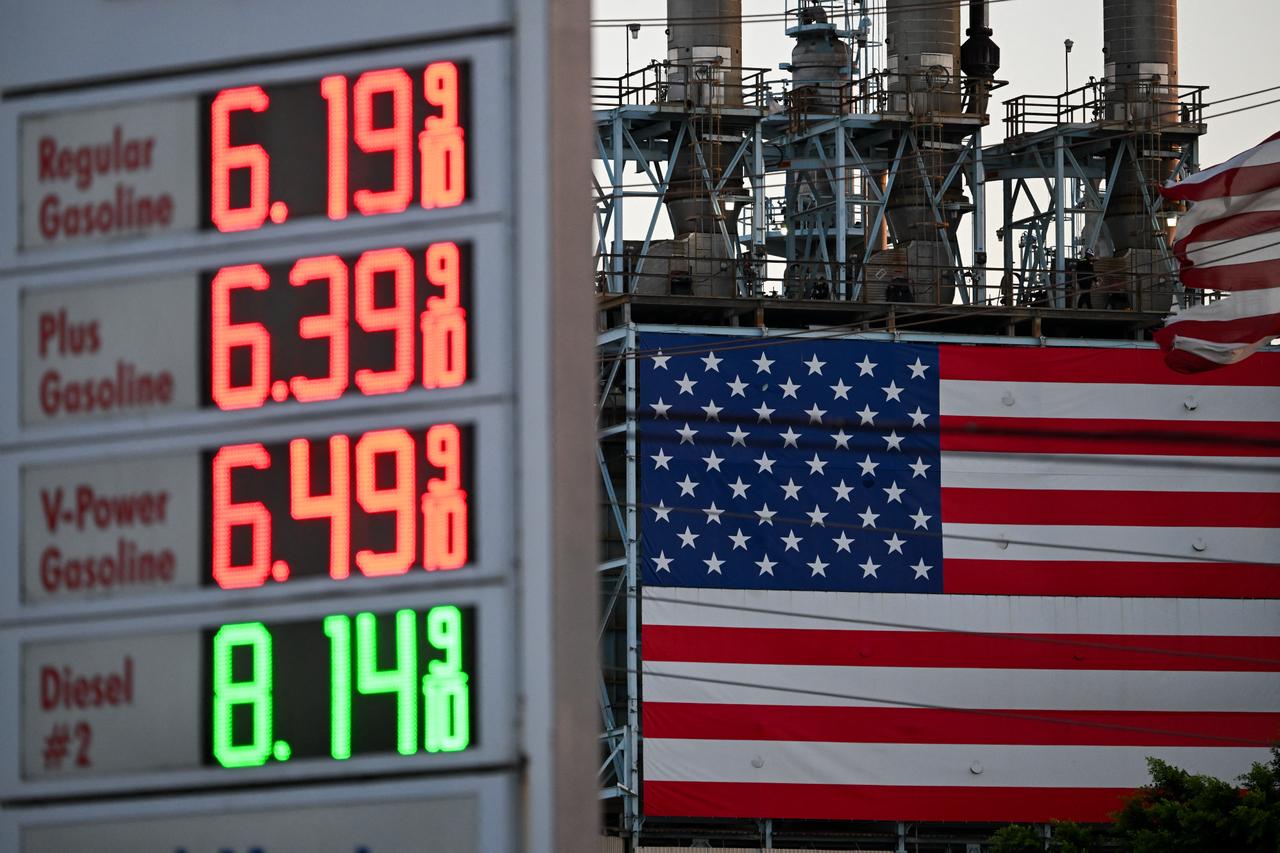
Market estimates suggest that a prolonged crisis that blocks the strait could push Brent crude prices well above $100 per barrel, after already climbing more than 20% since the start of the year to $72.90 at Friday’s close.
To offset potential supply disruptions, OPEC+ may consider a larger-than-planned output increase at its Sunday meeting, two sources close to the talks told Reuters. Saudi Arabia and the United Arab Emirates have already lifted exports in anticipation of possible fallout from Saturday’s strikes.
A previous report said the eight members were likely to approve a 137,000 bpd increase for April at their next meeting, following the return of 2.9 million bpd to the market since April last year.
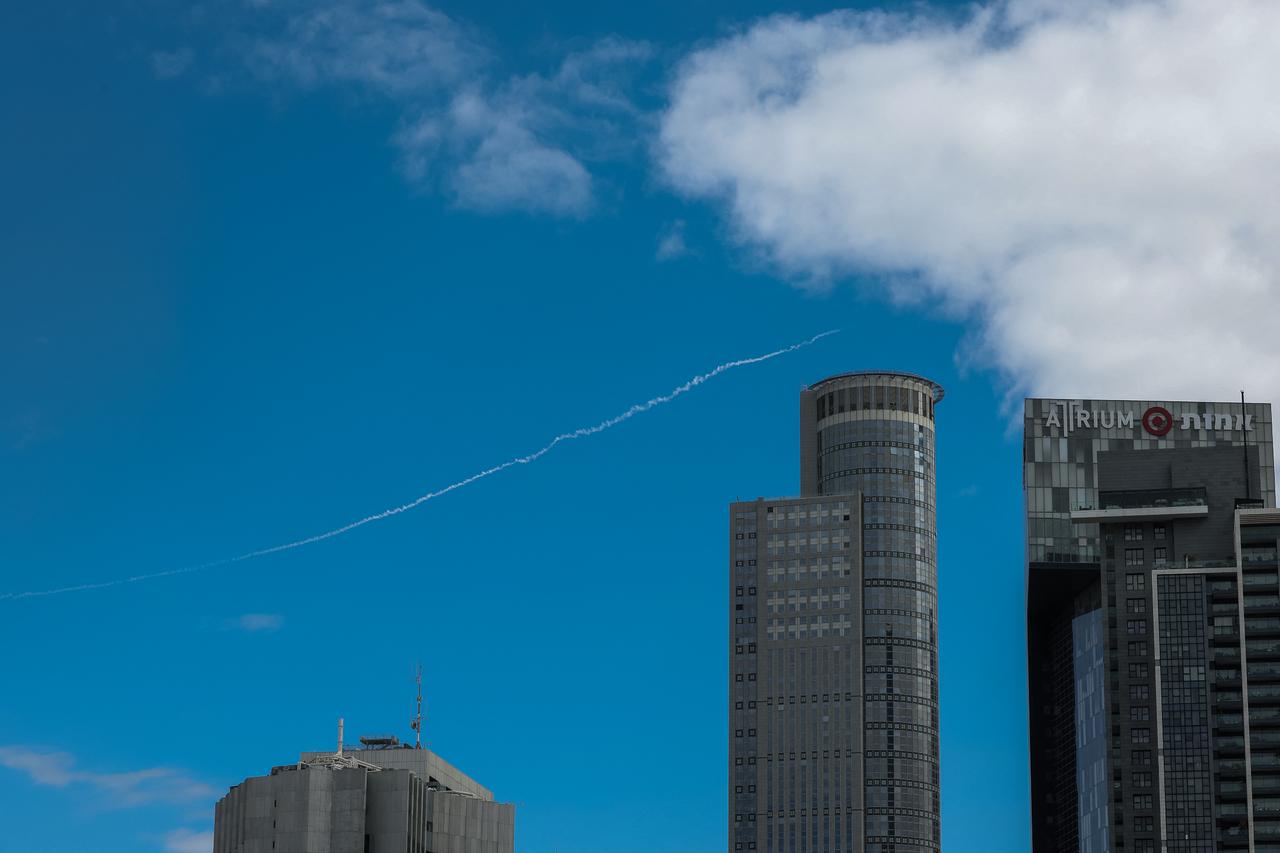
The escalation followed coordinated U.S. and Israeli strikes on Iranian targets, which Tehran answered with missile launches toward Israel and warnings that it would strike regional locations if attacked.
Bahrain reported that the service center of the U.S. Fifth Fleet came under missile attack. Video footage showed smoke rising near the island state’s coastline as sirens sounded. The U.S. Navy’s Fifth Fleet oversees maritime security across the Persian Gulf, Red Sea and parts of the Indian Ocean.


 Set as preferred source
 Set as preferred source


 1 min read
 1 min read