Newsletters




The Organization of the Petroleum Exporting Countries (OPEC) kept its global oil demand forecasts for this year and next year unchanged as crude production across the group dropped sharply in April amid the Iran war.
The cartel expects global oil demand to increase by 1.2 million barrels per day (bpd) this year, reaching 106.3 million bpd. Demand in non-OECD countries is expected to rise by 1 million barrels per day to 60.3 million barrels, while demand in OECD countries is projected to grow by 110,000 barrels per day to 46 million barrels.
For 2027, OPEC expects global oil demand to increase by another 1.5 million barrels per day, reaching around 107.9 million barrels daily.
According to OPEC’s latest monthly oil market report, the cartel's daily crude oil production fell by 1.7 million barrels in April from the previous month, dropping to 19 million barrels per day (bpd).
Overall crude production from the wider OPEC+ group, which includes non-OPEC producers, also fell sharply in April. Total output declined by 1.7 million bpd to 33.2 million bpd.
Saudi Arabia and Kuwait saw the biggest declines in output during the month. Saudi production dropped by 958,000 bpd to 6.8 million bpd, while Kuwait’s output fell by 561,000 bpd to 600,000 bpd.
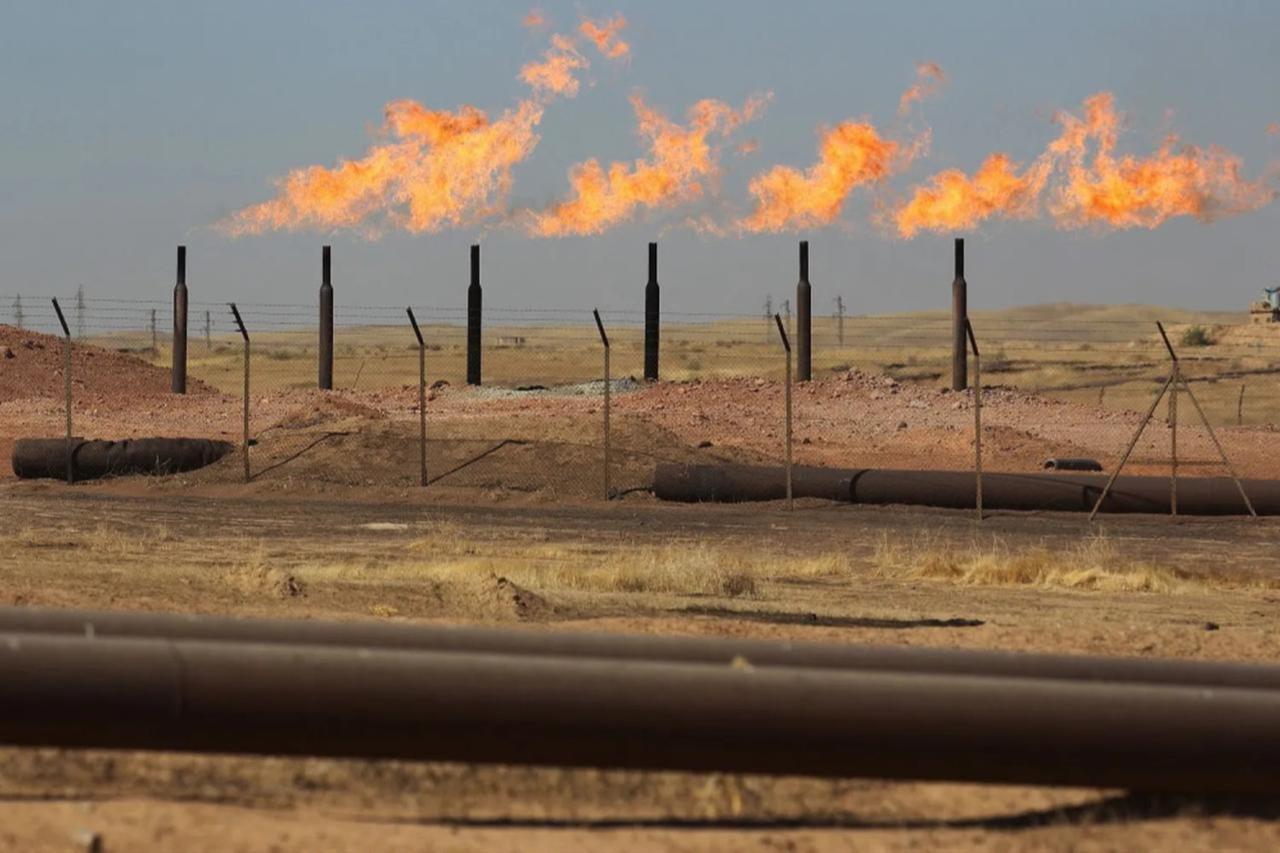
In Iraq, daily oil production decreased by 291,000 bpd to 1.4 million bpd. Iran’s output also fell by 211,000 bpd, reaching 2.9 million bpd.
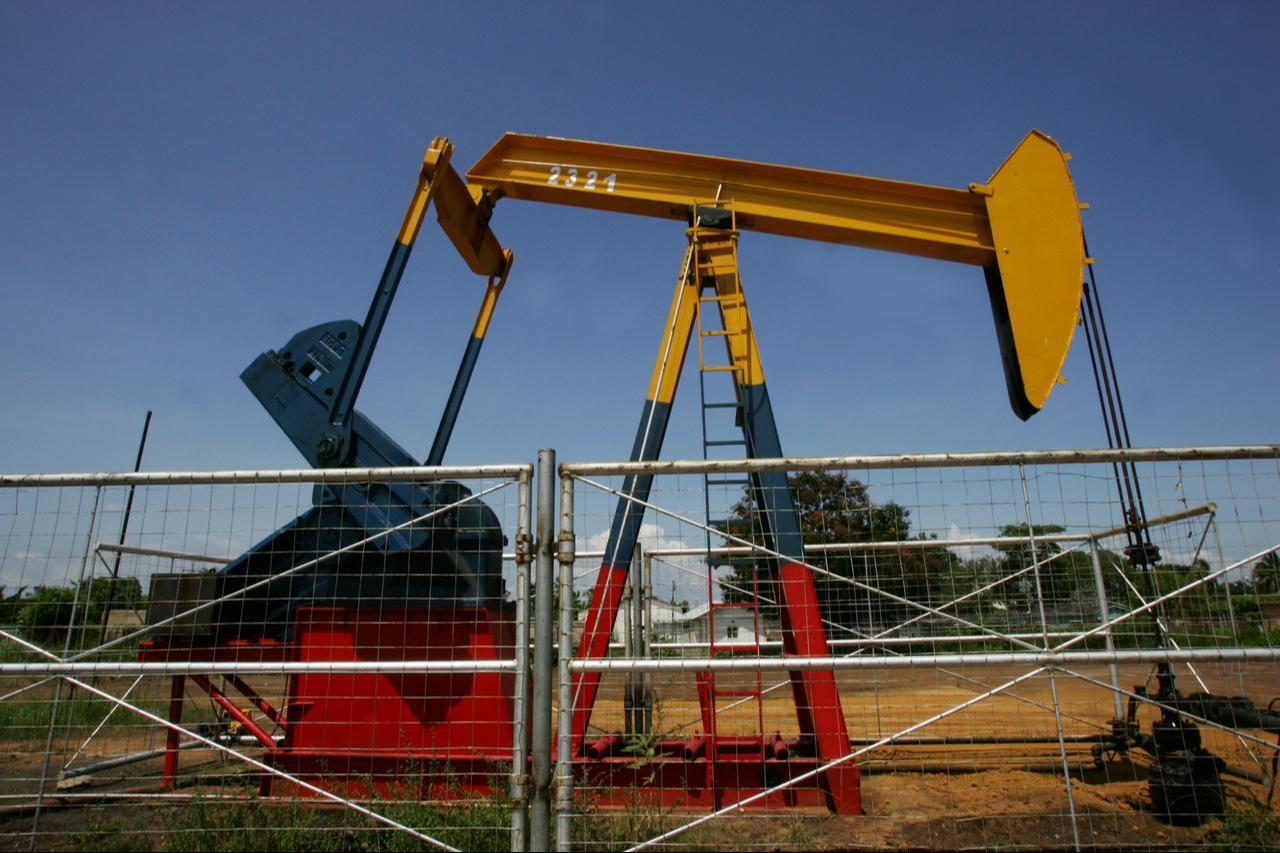
The UAE, which recently left OPEC, raised output by 131,000 bpd to 2 million bpd, while Libya increased production by 55,000 bpd to 1.3 million bpd and Venezuela added 46,000 bpd to reach 1 million bpd.

The bloc has recently been shaken by the UAE’s departure in early May, a move widely viewed as an effort to gain greater control over its production policy and push ahead with long-term capacity expansion plans outside OPEC quotas.
Despite the UAE’s exit, OPEC+ kept its production hike unchanged at its latest meeting, approving a planned output increase of 188,000 bpd for June.
Although several Gulf members still hold significant unused production capacity, ongoing shipping disruptions through the Strait of Hormuz have limited the group’s ability to increase exports since regional fighting escalated after the Feb. 28 strikes by the U.S. and Israel on Iran.


 Set as preferred source
 Set as preferred source


 1 min read
 1 min read