Newsletters


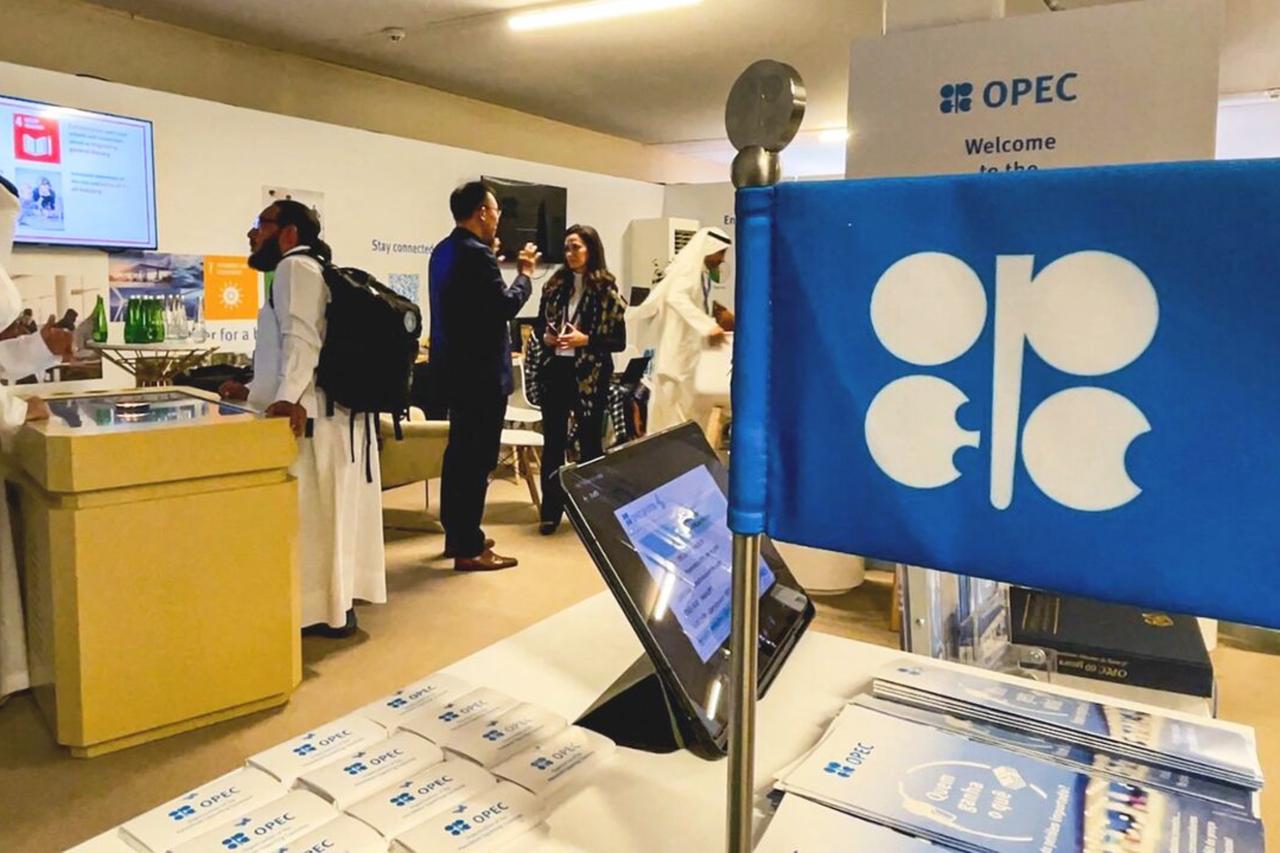


An OPEC+ review that will help set members' 2027 oil output quotas has been delayed to mid-November after the U.S.-Israeli war on Iran disrupted capacity expansion projects across the Middle East, two sources close to the matter told Reuters.
The review, ordered in late 2025, was due to be completed by the end of September.
The delay throws estimates of members' future production potential into uncertainty, the sources said.
Capacity estimates are a key metric in OPEC+ quota negotiations.
Members whose assessed capacity is lower could face pressure for smaller quotas, while those that have expanded capacity may seek higher allocations.
U.S. petroleum consultancy DeGolyer and MacNaughton, which is assessing capacity for all members except sanctioned Russia, Iran and Venezuela, will not submit its report to OPEC until mid-November, the sources told Reuters.
That timeline would still allow OPEC+ to consider the findings at its next group-wide meeting in late November.
At its June meeting, OPEC affirmed "the importance of completing the maximum sustainable production capacity (MSC) assessment for all (member) countries to be used as reference for 2027 production baselines."
Russian Deputy Prime Minister Alexander Novak said Friday that OPEC+ countries continue to assess maximum production capacities, according to Russia's state news agency TASS.
"Our main task now is balancing the price of motor gasoline. And here I would like to once again thank the Federation Council for its support of the bill that was adopted to amend the Tax Code, creating incentives to ensure the import of motor gasoline into the Russian Federation. And this measure is temporary, I can say, because our production capacity for motor gasoline exceeds domestic consumption by 10-15%," he said.
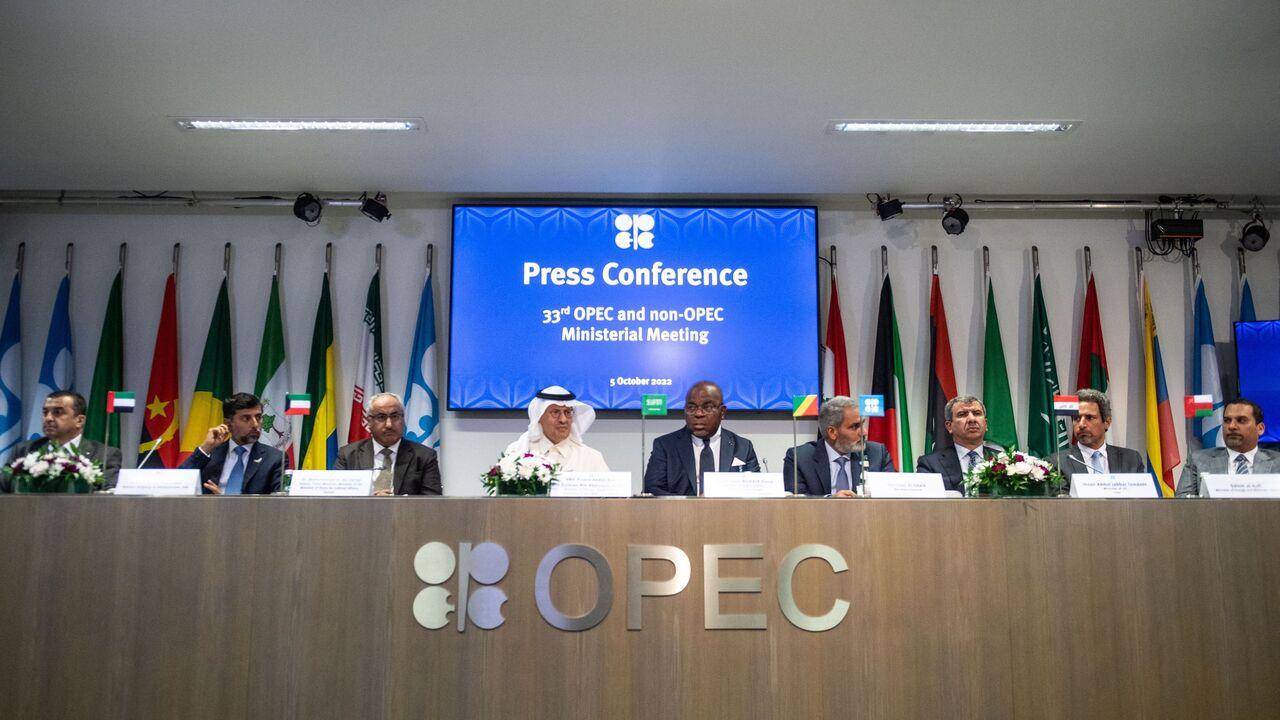

The Middle East conflict has delayed projects meant to boost production capacity in some OPEC+ countries, complicating estimates of how much oil they can pump. Not all countries have submitted the data required for the review, the sources said, without naming them.
The United Arab Emirates (UAE), which had pushed for a higher quota to reflect its rising capacity, left the alliance in May. Iraq is also seeking a higher quota and has considered leaving OPEC, sources told Reuters in June.
The delayed OPEC+ capacity review is expected to shape the group's 2027 production baselines.


 Set as preferred source
 Set as preferred source


 2 min read