Newsletters


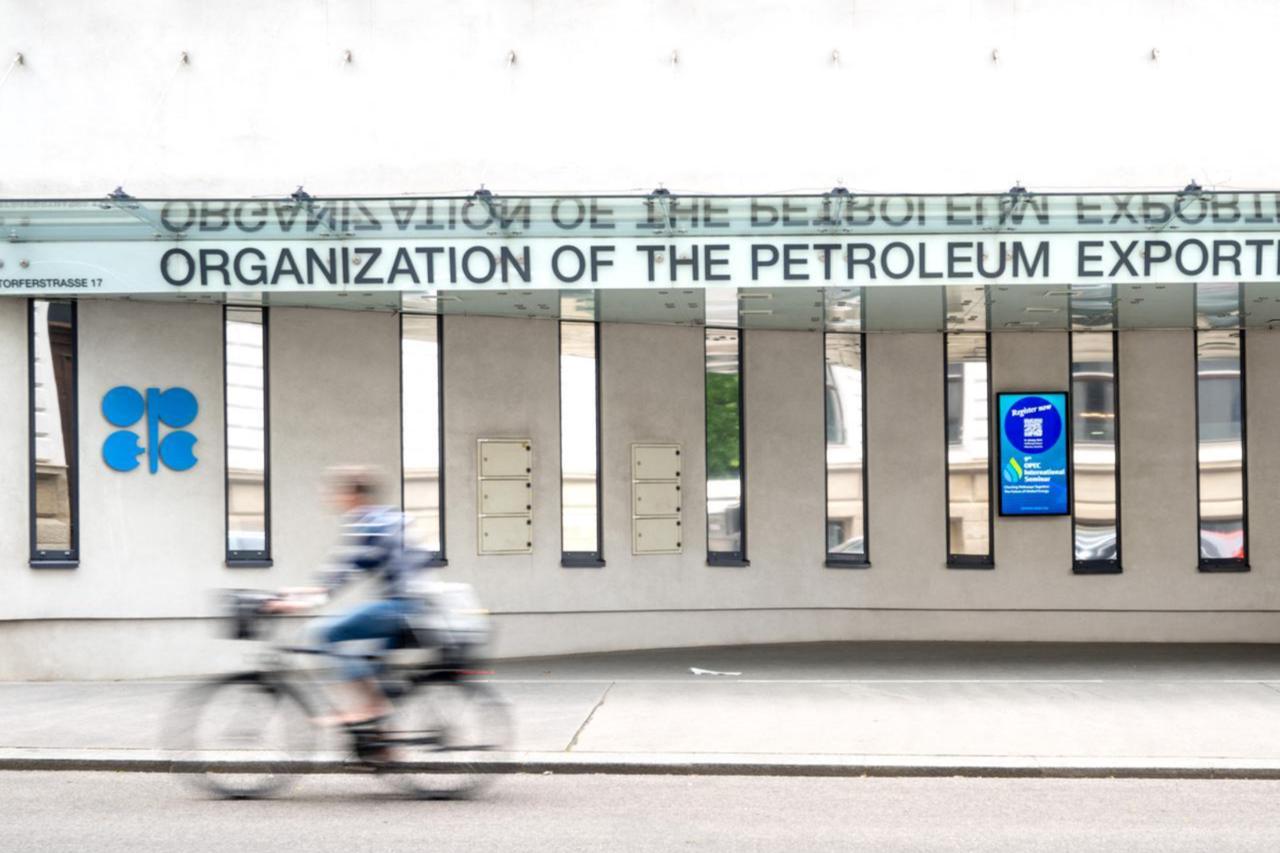


Seven core members of OPEC+ agreed Sunday to increase their collective oil production targets by 188,000 barrels per day beginning in July, marking the fourth consecutive monthly quota hike even as the ongoing U.S.-Iran conflict continues to prevent most of those same members from actually pumping more oil.
Meeting virtually on June 7, Saudi Arabia, Russia, Iraq, Kuwait, Kazakhstan, Algeria, and Oman reviewed global market conditions and decided to implement the production adjustment as part of the gradual unwinding of a 1.65 million barrel-per-day cut the group agreed in 2023.
The hike matches the June increase, which had already been scaled back from the 206,000 bpd monthly increments applied in April and May, adjustments necessitated in part by the United Arab Emirates' departure from the organization in May after nearly six decades of membership.
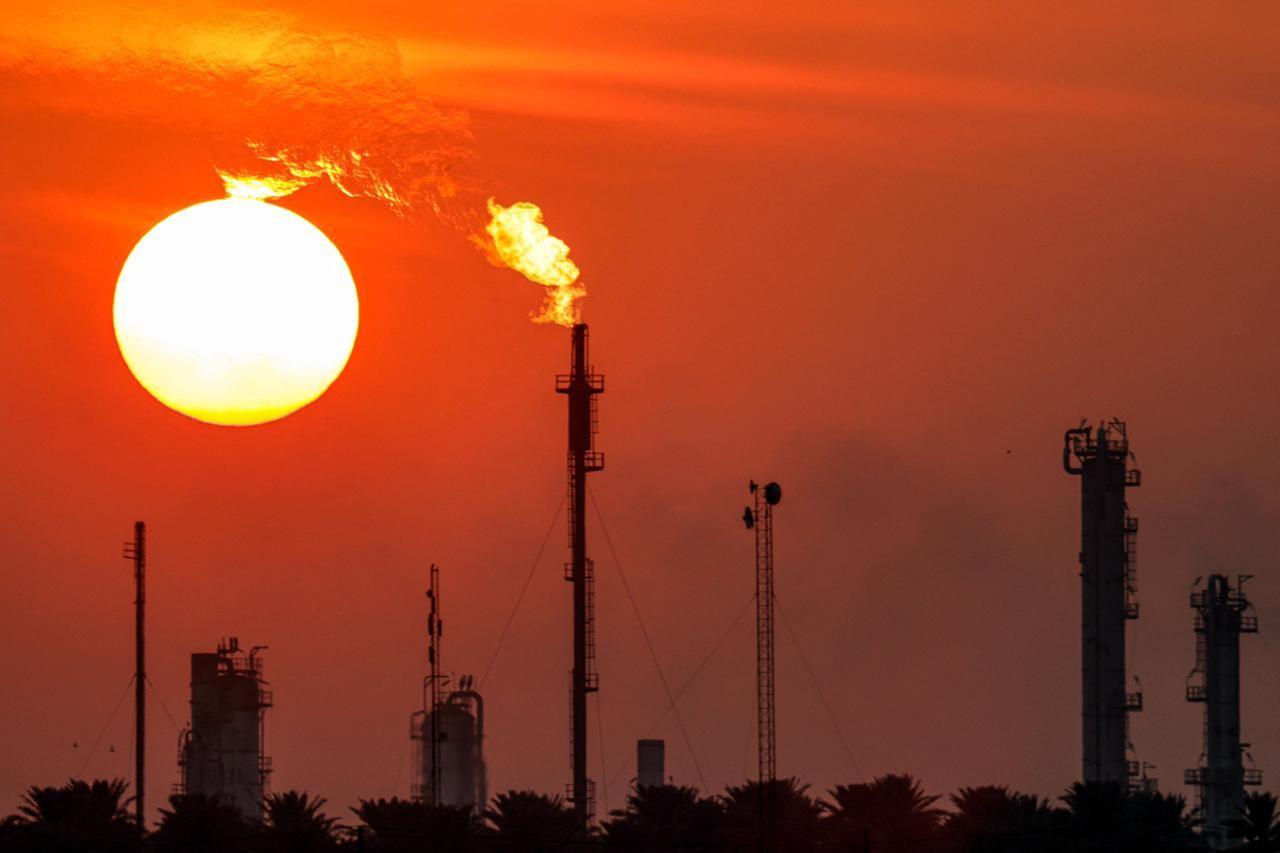
The decision carries symbolic weight in a market upended by the closure of the Strait of Hormuz. Iranian forces have effectively blockaded the waterway since early March following U.S. and Israeli strikes on Iran that began in late February, triggering what the International Energy Agency has described as the largest supply disruption in the history of the global oil market.
Around 20 percent of the world's petroleum trade previously flowed through the strait. OPEC's own figures show the group's combined production collapsed from roughly 42.77 million barrels per day in February to just 33.19 million in April, as Gulf producers including Saudi Arabia have been unable to supply customers in full.
Against that backdrop, analyst Jorge Leon of Rystad Energy and a former OPEC official put the decision bluntly: "An OPEC+ production increase means very little while the Strait of Hormuz remains closed."
He cautioned, however, that a reopening could rapidly transform the market's mood, warning that conditions could shift "very quickly from fear of shortage to fear of surplus."

The seven nations have now raised output targets by nearly 600,000 barrels per day across the April-to-June period. From July, approximately 567,000 bpd of the original 2023 cut remains to be returned to market, according to Reuters calculations that account for the UAE's exit.
If the group maintains monthly increases of roughly 188,000 bpd through August and September, the full unwinding would be complete by the end of the third quarter.
In a joint statement, the seven countries reaffirmed their commitment to market stability and said they retain "full flexibility to increase, pause or reverse" the phase-out of voluntary production adjustments, including reversing cuts announced in November 2023. They described their approach as cautious and said the July adjustment may be returned in part or in full depending on evolving market conditions.
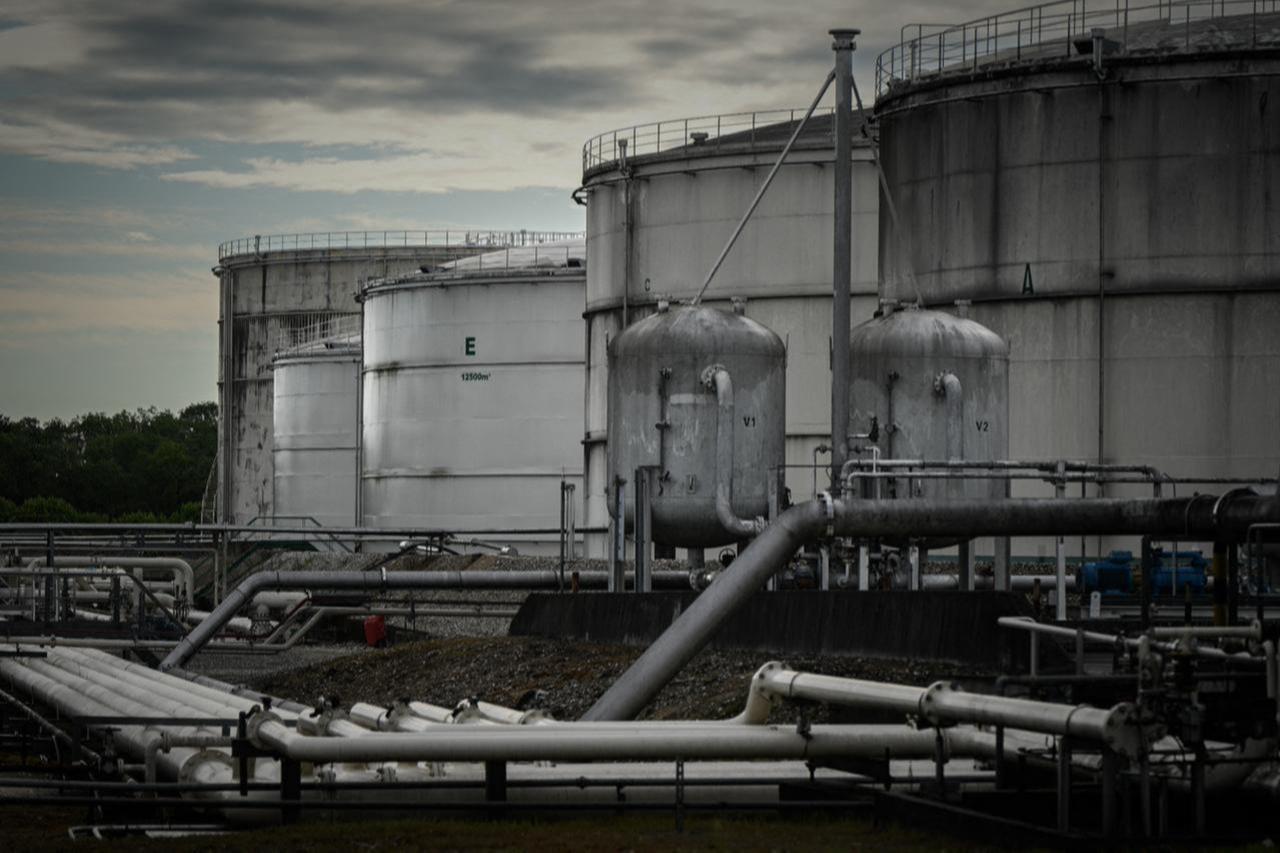
The group also used Sunday's meeting to address compliance, reiterating that countries must fully compensate for volumes produced above their quotas since January 2024.
The compensation deadline has been extended to the end of December 2026, a measure the seven nations said would give participating countries the opportunity to accelerate their compliance with the Declaration of Cooperation monitored by the Joint Ministerial Monitoring Committee.
The seven countries confirmed they will meet monthly to review market conditions, conformity, and compensation progress. Their next scheduled gathering is July 5, 2026.
Oil prices fell to around $93 a barrel on Friday as traders grew more confident that a renewed escalation between the United States and Iran was becoming less likely.
That is still sharply above pre-war levels of approximately $72 a barrel. The broader OPEC+ alliance of 21 producers, which held a separate ministerial meeting Sunday, was not expected to alter group-wide output policy.
The UAE's exit on May 1 removed the organization's third-largest producer, a member since 1967, from the quota framework entirely. Abu Dhabi had long sought a higher allocation to match an expanded production capacity built through a $150 billion investment program, and tensions with Saudi Arabia over quota levels had persisted for years.
The departure leaves the seven remaining members as the de facto decision-making core of OPEC+'s voluntary adjustment process, a role they are likely to continue exercising as long as the Hormuz crisis dominates the energy outlook.


 Set as preferred source
 Set as preferred source


 1 min read
 1 min read