Newsletters


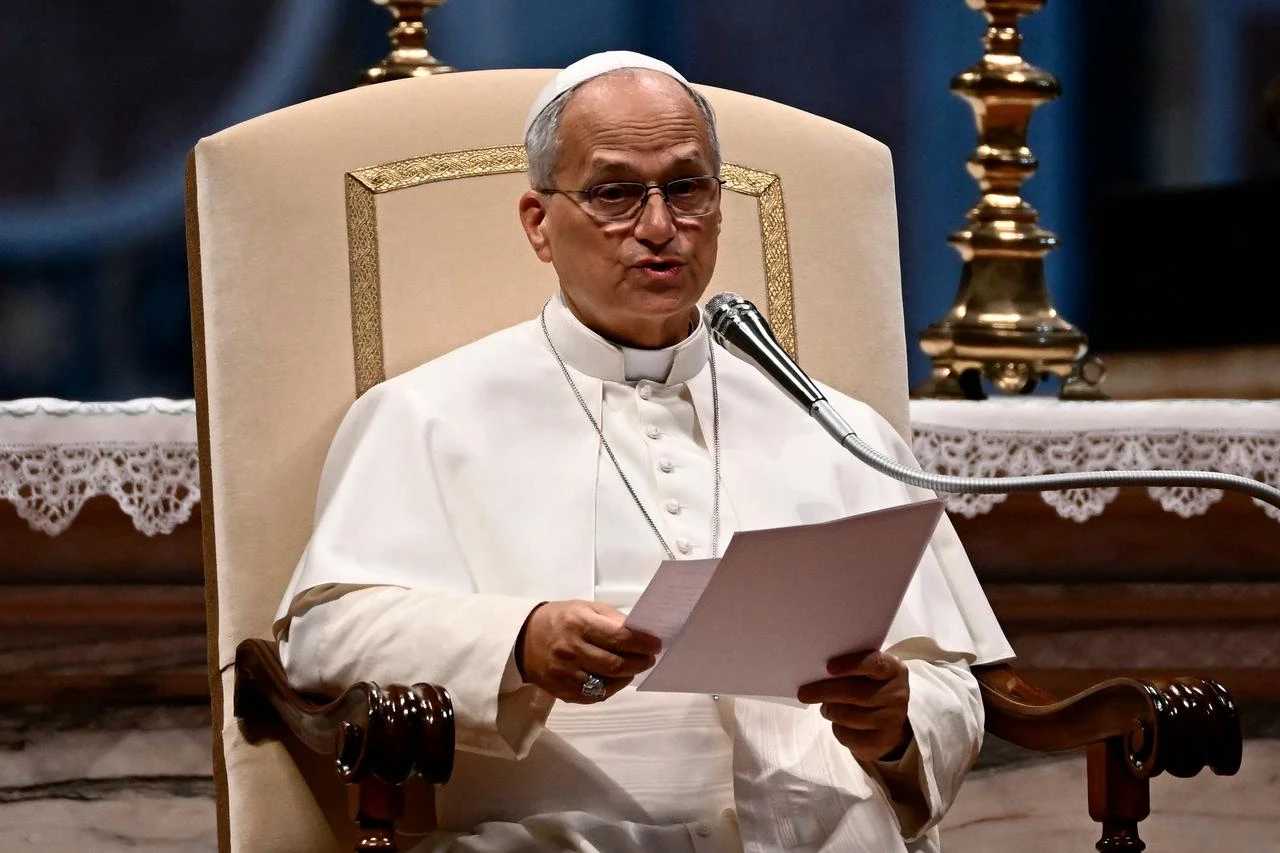


Pope Leo XIV said Friday that artificial intelligence must not be allowed to diminish humanity, urging political leaders to guide the technology's development so that it serves the common good rather than becoming a rival to human dignity.
Addressing members of the International Catholic Legislators Network, an association of Catholic lawmakers from around the world, the pope said the rapid advance of AI was raising one of the defining moral questions of the modern era.
"Every technological achievement also confronts humanity with a moral question: not merely what can we do, but what ought we to do?" he said, according to Anadolu Agency.
Leo said lawmakers were responsible not for hindering innovation but for steering it wisely, calling for legislation that promotes scientific and technological progress while protecting fundamental rights and freedoms. Such policies, he said, should protect users from exploitation, preserve privacy, ensure transparency and strengthen democratic institutions.
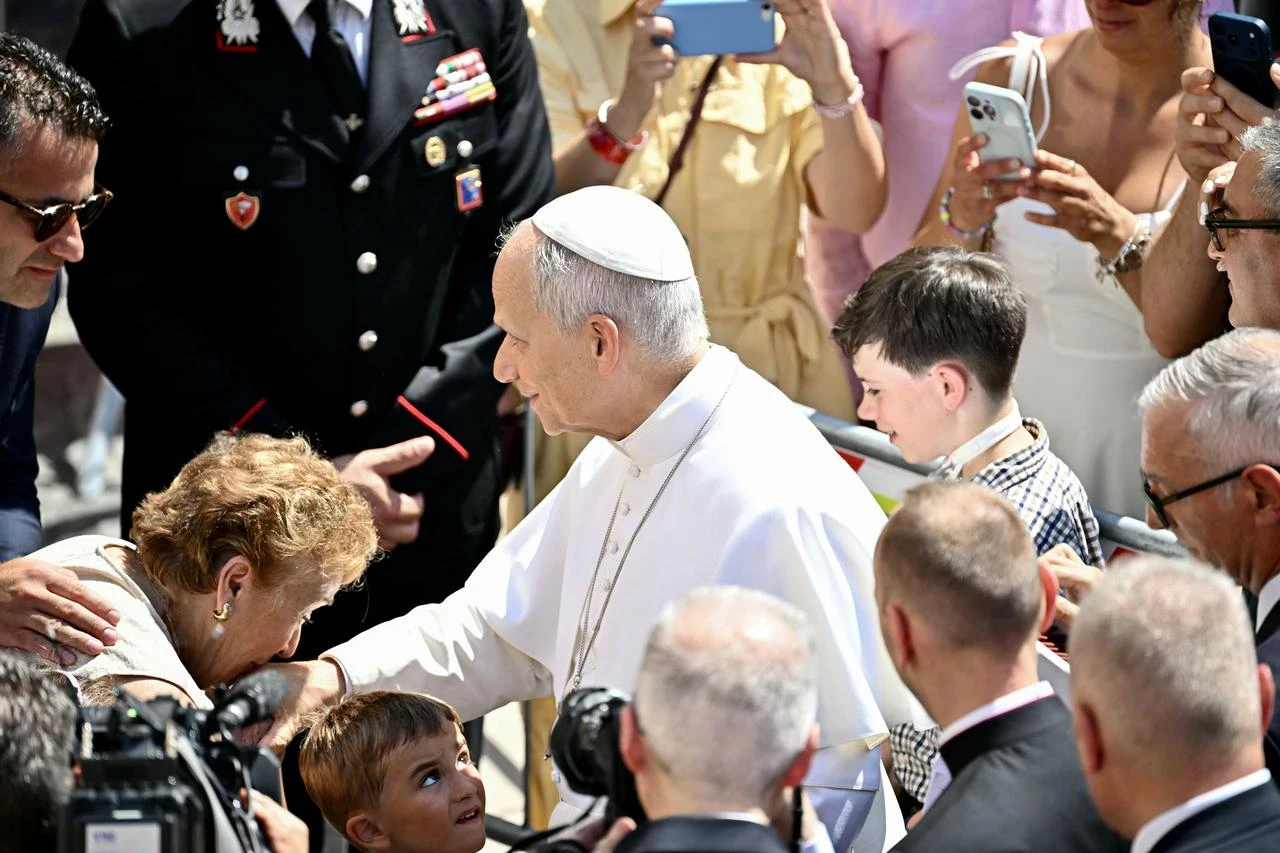

The pope also warned that the swift expansion of AI could create new forms of technological dependence, particularly for poorer countries, and risked becoming a tool of what he described as ideological or economic colonialism.
He pointed to concerns over algorithms determining who is seen or remains invisible online, as well as digital platforms shaping public discourse without accountability.
"The world does not need an artificial intelligence that diminishes humanity," Leo said. "Only then will artificial intelligence become not a rival to humanity but a servant of the common good."
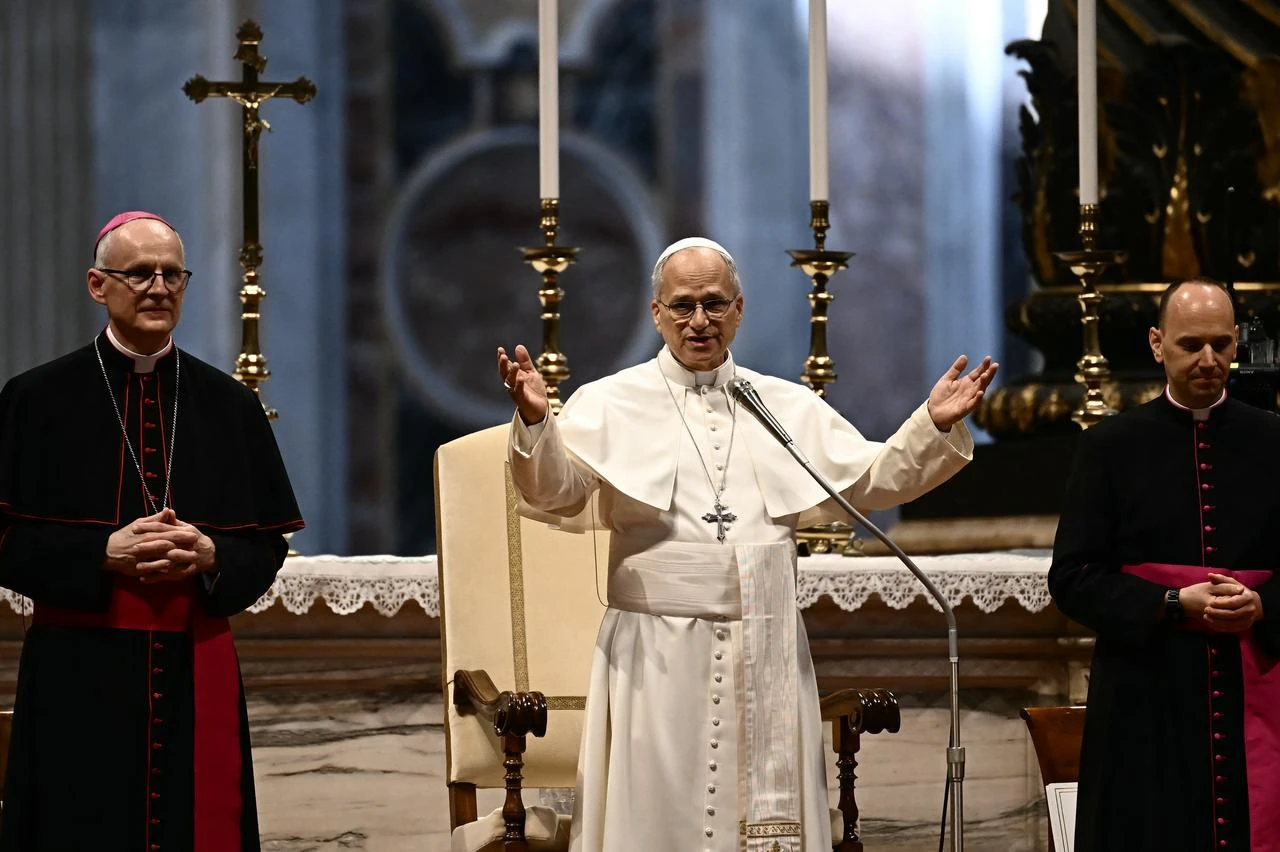
Leo, the first American pope, has repeatedly placed AI at the center of his papacy since his election in May. In his first address to the College of Cardinals, he named artificial intelligence among the central challenges facing humanity, linking it to the industrial revolution addressed by his namesake, Pope Leo XIII, in the 1891 encyclical Rerum Novarum.
He has since raised the issue with politicians and technology figures on separate occasions, building on the Vatican's January teaching document on AI and human intelligence, Antiqua et Nova.
Friday's remarks extended that focus to the legislative sphere, with Leo casting political leaders as central to ensuring AI development stays anchored to human dignity rather than driven solely by market or geopolitical interests.
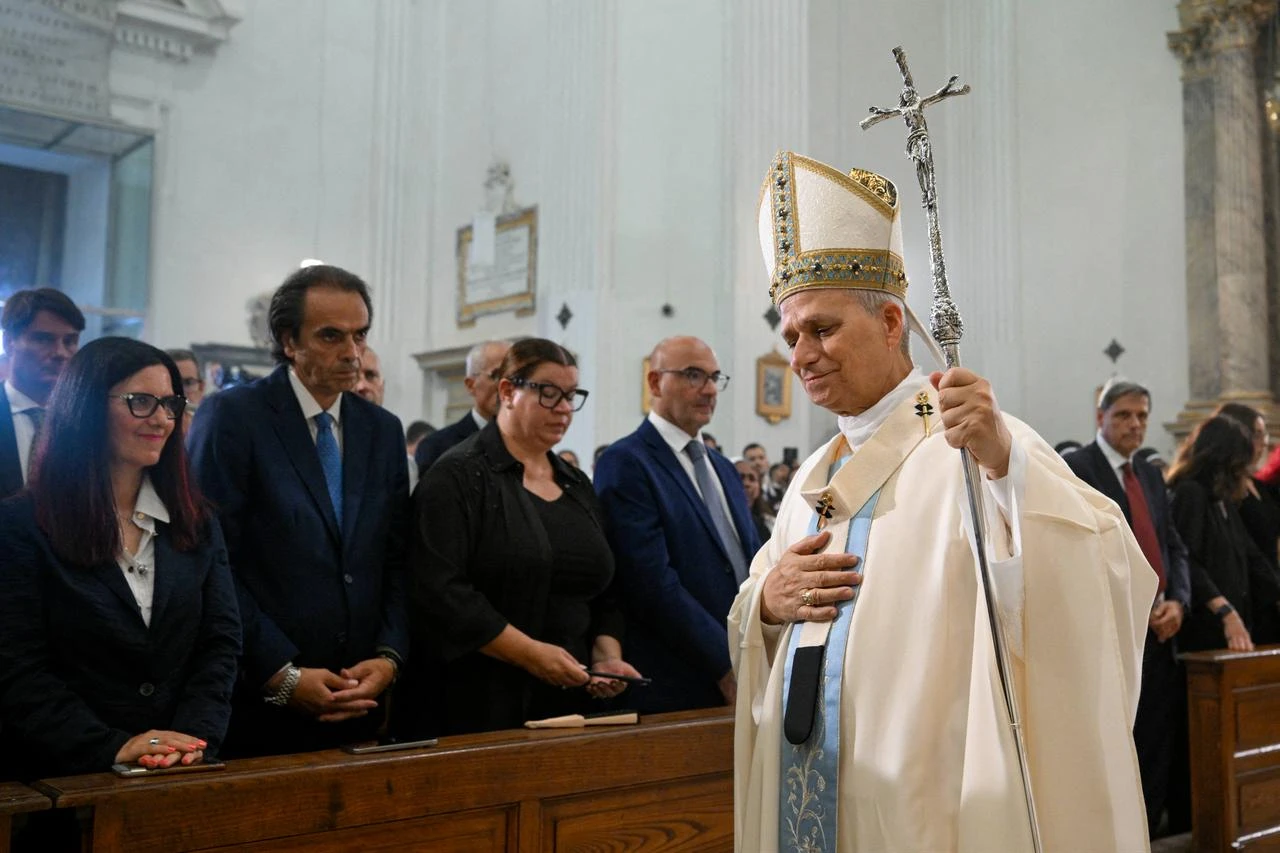
The pope's appeal comes as governments in Europe and the United States continue to debate how far AI regulation should go.
The European Union's AI Act, billed as the world's first comprehensive AI law, entered a major enforcement phase in August 2026, imposing rules on high-risk systems and transparency requirements.
In the United States, regulation remains largely fragmented across federal and state levels, leaving the balance between innovation and oversight an open question for lawmakers on both sides of the Atlantic.
The International Catholic Legislators Network brings together Catholic members of parliaments and legislatures from multiple countries to discuss faith-based approaches to policymaking.
Leo's address positioned the Vatican as an active voice in that debate, framing AI governance not only as a technical or economic matter but as a question of justice and human dignity that crosses borders.
The pope did not name specific companies or governments in his remarks, keeping his appeal focused on principles rather than individual policies. He instead framed the moment as a shared responsibility for legislators everywhere, regardless of where AI systems are developed or deployed.


 Set as preferred source
 Set as preferred source


 1 min read