Newsletters


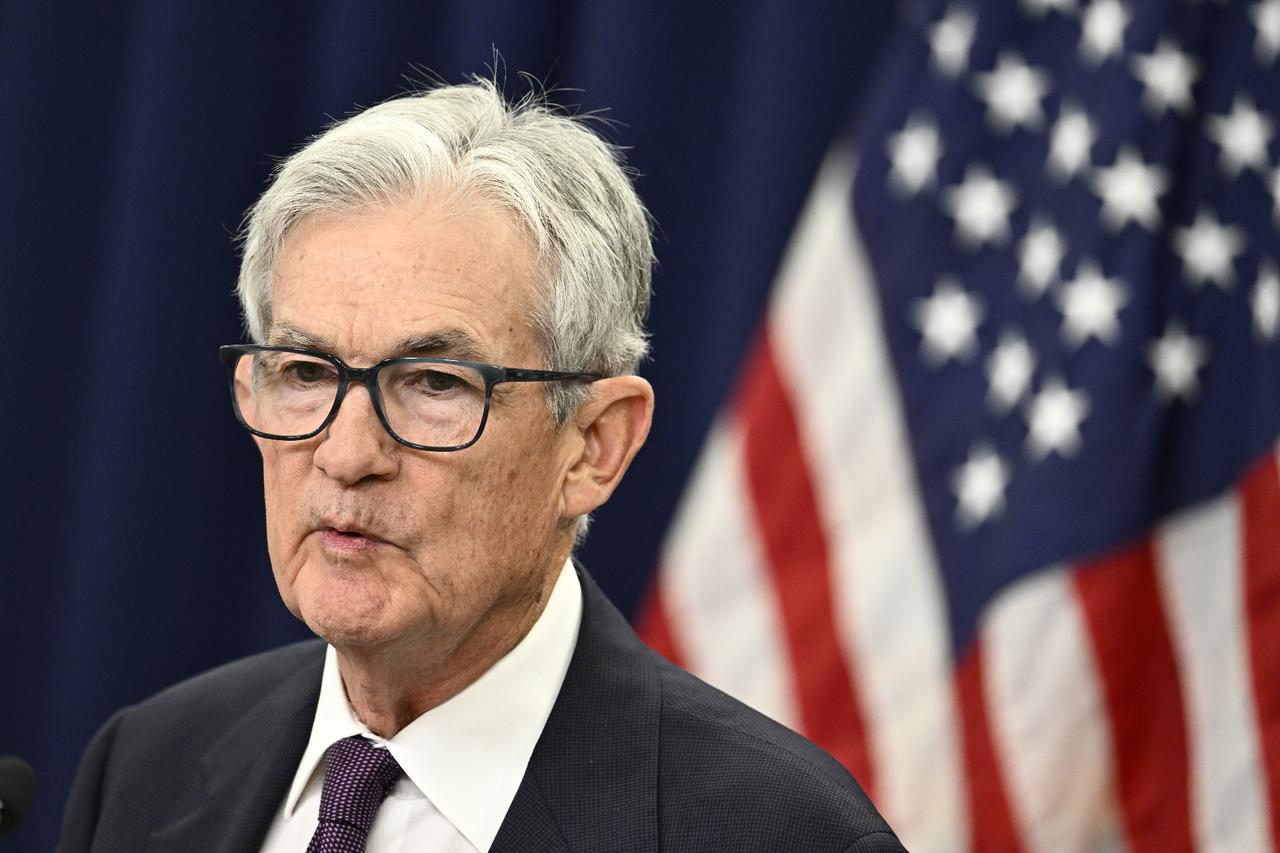


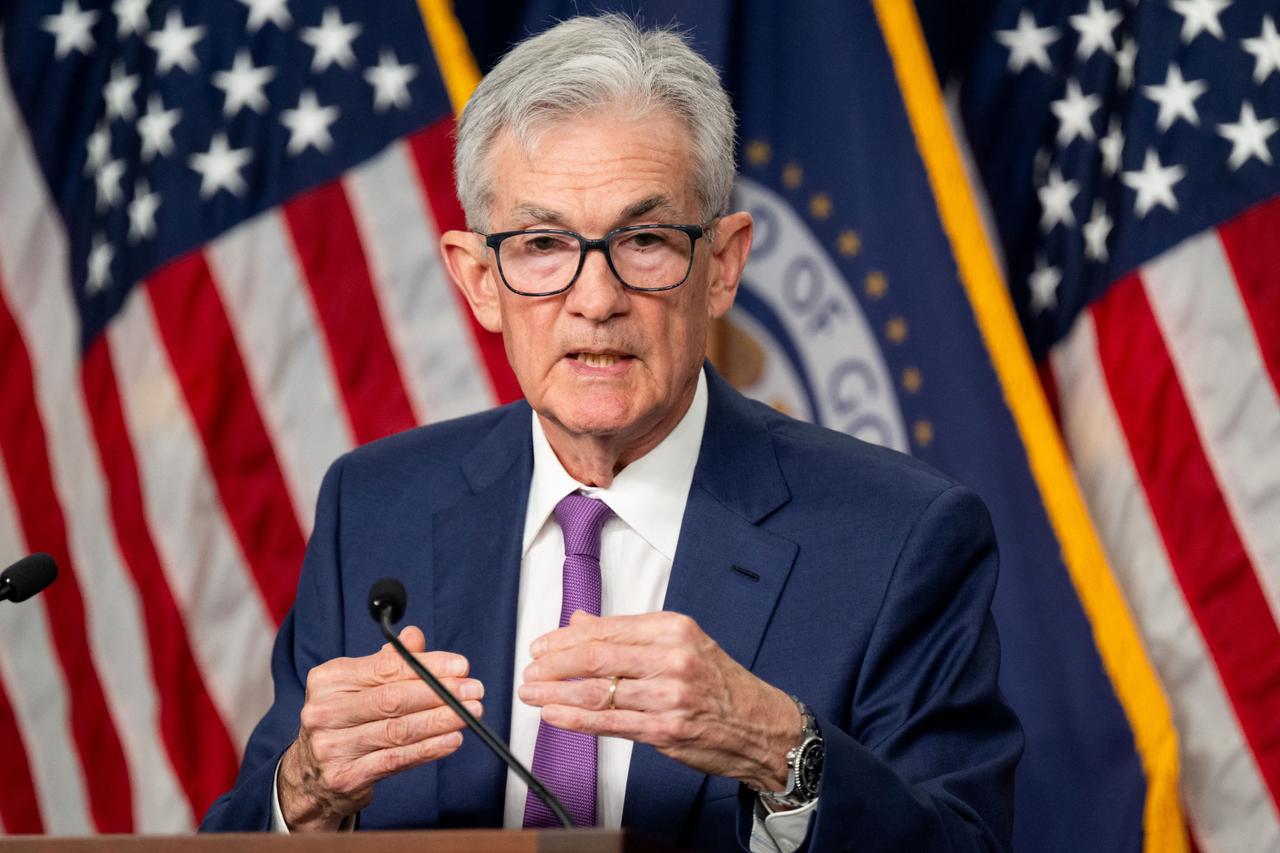
Jerome Powell announced Wednesday that he will stay on at the Federal Reserve as a governor after his chairmanship ends May 15, citing legal pressure from the Trump administration as the reason he feels he has "no choice" but to remain.
"I had long planned to be retiring," Powell said at what he described as his final press conference as Fed chair. "The things that have happened really in the last three months have, I think, left me no choice but to stay until I see them through at least that long."
The decision is unusual though not unprecedented. Powell, who can remain as a governor until 2028, said he intends to keep a low profile in the role and will depart when he deems it "appropriate to do so."
He rejected suggestions that he would act as a shadow chair after the leadership transition, saying he expects a "normal, standard" handover with Kevin Warsh, President Donald Trump's nominee to succeed him.
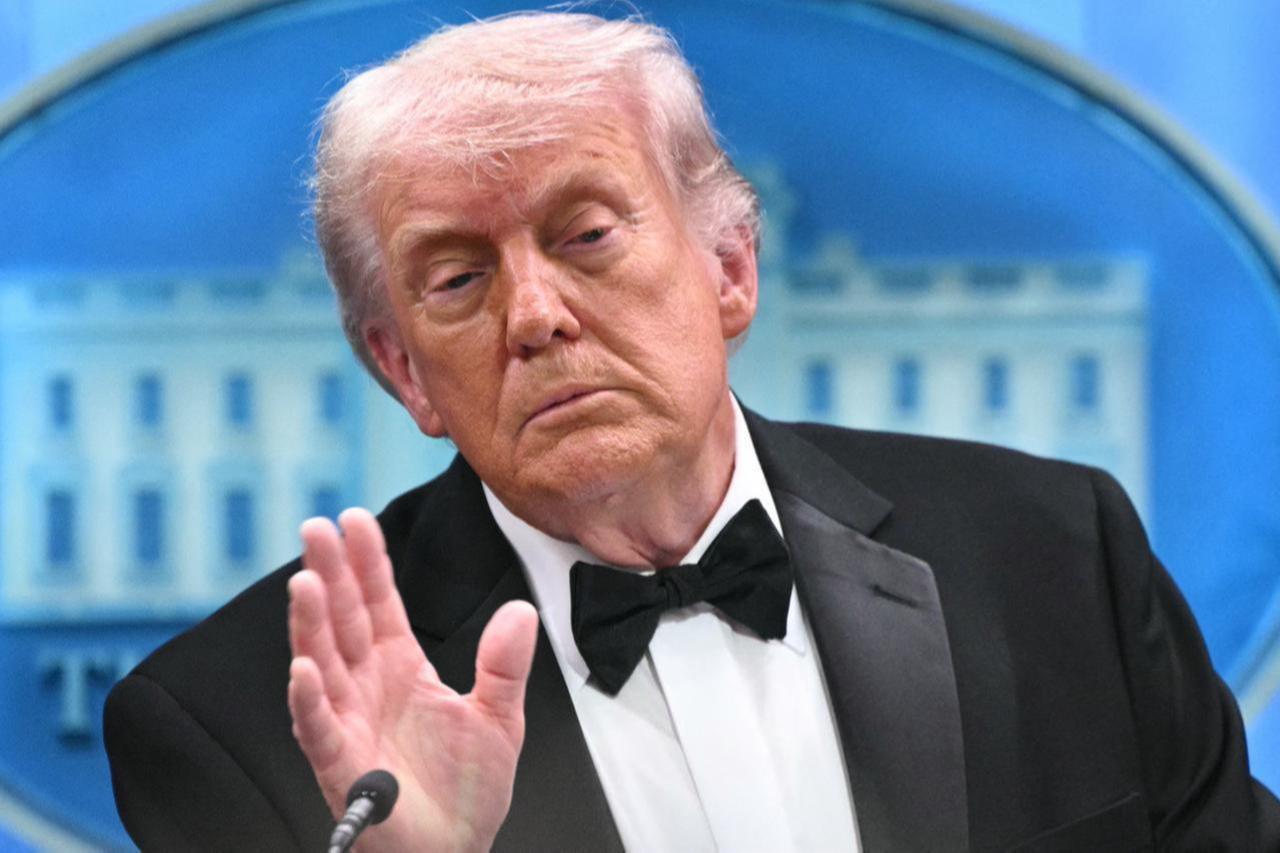

Powell drew a sharp distinction between the verbal attacks he has endured from elected officials and the legal actions he said motivated his choice to stay.
Trump has repeatedly criticized Powell for not cutting interest rates more aggressively, a policy that would stimulate growth but risk stoking inflation. Powell said those criticisms played no role in his thinking.
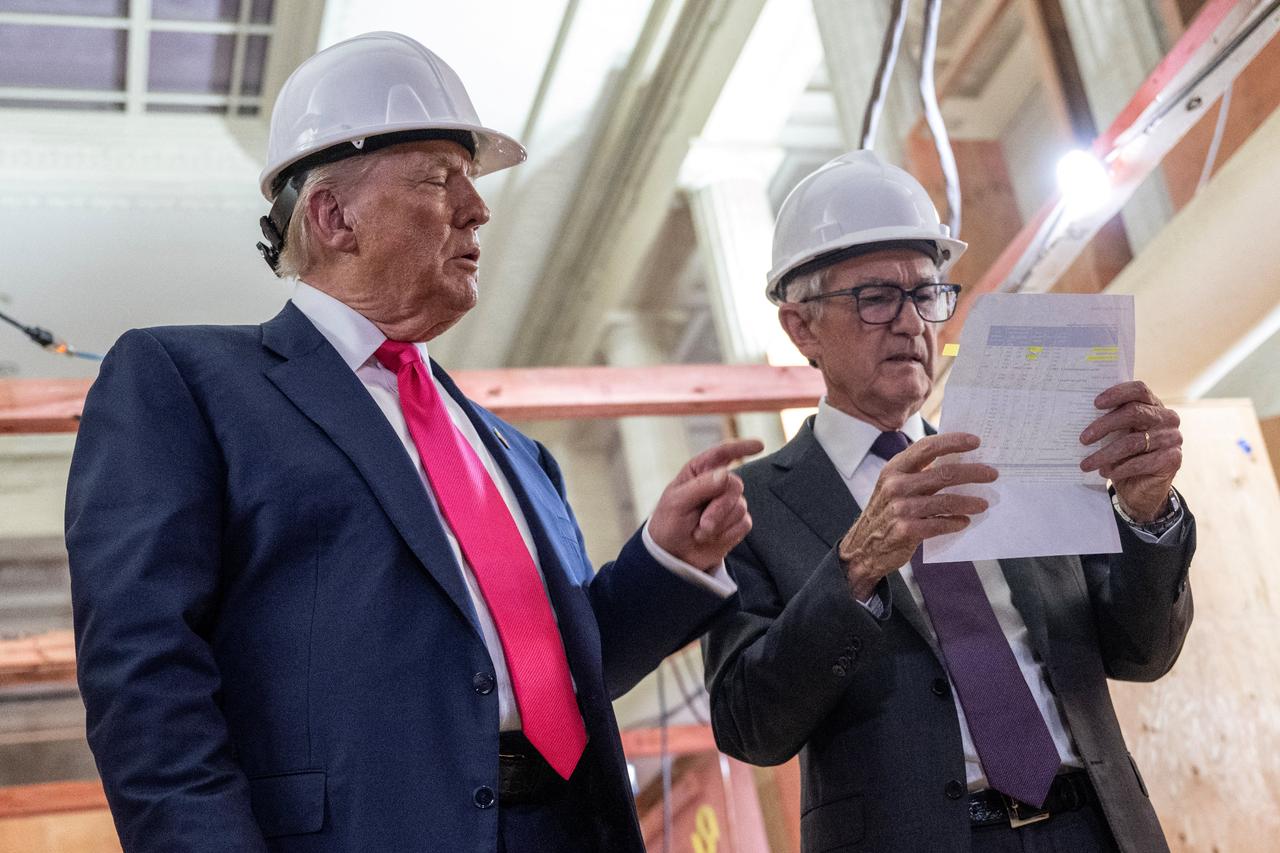
What did, he said, were two specific legal maneuvers by the administration. Trump's Justice Department opened a criminal investigation into Powell and the Fed over renovation cost overruns, a probe Powell called an unprecedented tactic to erode the institution's independence.
Separately, the administration attempted to remove Fed governor Lisa Cook over mortgage fraud allegations, a case that now stands before the Supreme Court.
The Justice Department has since dropped the renovation probe, and Powell said he was encouraged by that development. But he was unequivocal about the condition for his eventual departure: "I will not leave the board until this investigation is well and truly over with transparency and finality."
Throughout, Powell emphasized that the Fed must remain "free of political influence," a principle he framed as essential to the institution's credibility and effectiveness.
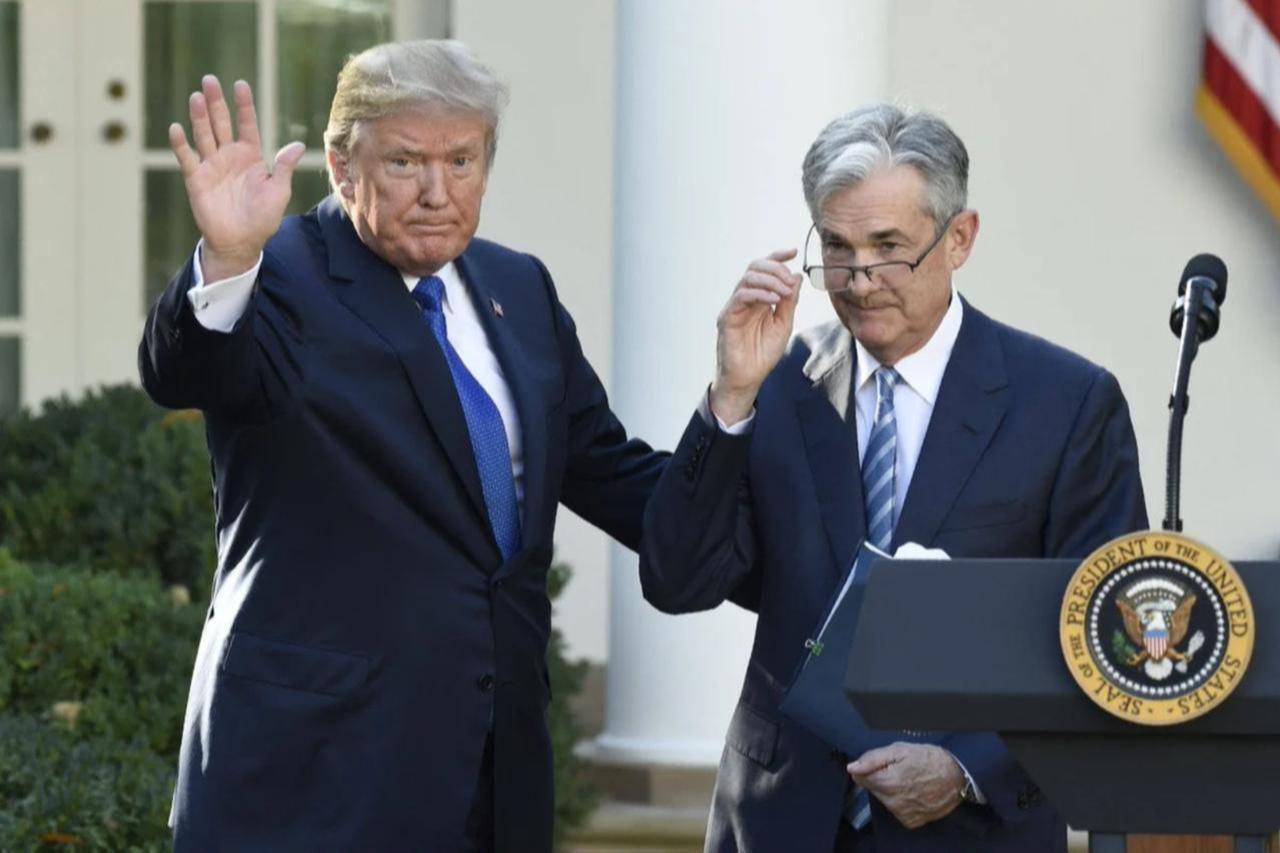
Powell's announcement came on the same day the Federal Open Market Committee voted to hold its benchmark interest rate unchanged for a third consecutive meeting, keeping the federal funds rate in a range of 3.50 to 3.75 percent. The decision reflected deep uncertainty, not consensus.
The vote split 8-4, the largest number of dissenting votes since 1992. Governor Stephen Miran dissented in favor of a quarter-point cut. Three Fed presidents, Beth Hammack, Neel Kashkari and Lorie Logan, supported the pause but broke with the committee's statement, which signaled an inclination toward future rate reductions.
The Fed cited elevated inflation partly driven by the surge in global energy prices stemming from the US-Israel war on Iran, which has snarled supply chains and complicated the policy outlook.
Powell noted that energy price pressures are hitting Europe and Asia harder than the United States for now, but warned the effects would become significantly more visible if the shock persists "much longer."
He added that the number of officials who now see a rate hike as equally likely as a cut has grown, underlining how sharply the committee's internal calculus has shifted.
The central bank has been on a rate-cutting path since late last year, but analysts are closely monitoring whether sustained energy-driven inflation could force policymakers to reverse course.
 1 min read
Earlier Wednesday, the Senate Banking Committee advanced Warsh's nomination by a 13-11 vote, bringing him closer to confirmation by the full Senate.
The process was contentious. Democratic senator Elizabeth Warren charged that confirming Warsh would advance the president's "attempt to seize control of the Fed," while Georgia senator Raphael Warnock argued the nomination had been "tainted by the real and persistent threats" Trump had directed at Fed governors.
Republican senator Thom Tillis had initially vowed to block the nomination if the Justice Department investigation remained open. With the probe now dropped, Tillis relented and voted in favor.
Powell offered measured support for his likely successor, saying Warsh had testified "very strongly" in his Senate hearing that he would maintain the Fed's independence from political pressure.
"I'll take him at his word," Powell said. He also said he expects Warsh to have the skills needed to forge consensus among the Fed's increasingly divided voting members, a task Wednesday's fractured decision underscored will not be easy.


 Set as preferred source
 Set as preferred source


 1 min read