Newsletters


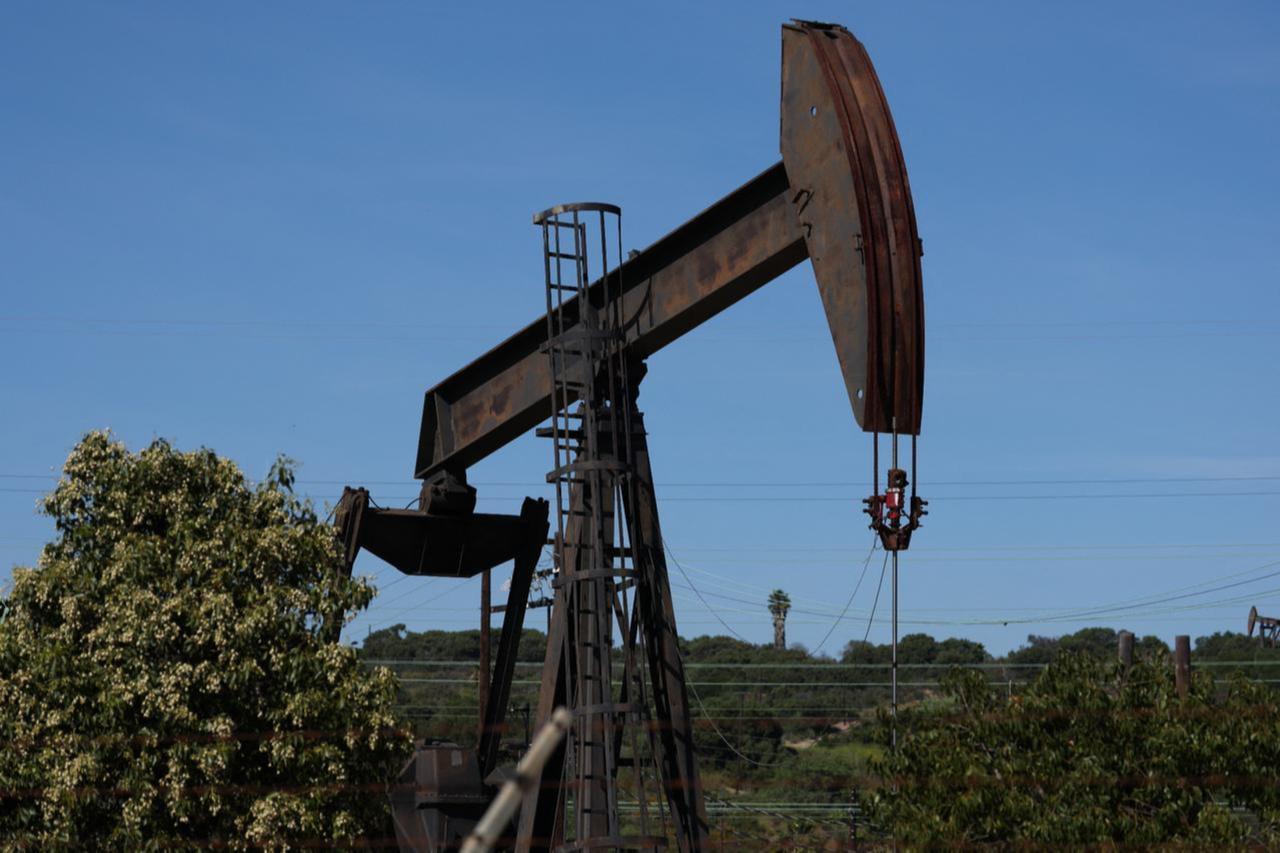


Federal Reserve Chair Jerome Powell said Monday the central bank is prepared to hold its current interest rate stance steady as surging oil prices driven by the conflict in the Middle East push up costs for American consumers, while cautioning that the situation could force a policy response if price expectations begin to shift.
Speaking at a Harvard University event, Powell offered his clearest public assessment yet of how the Fed is weighing the economic fallout from a war now entering its fifth week, one that has sharply disrupted global energy flows through the Strait of Hormuz and sent gasoline prices climbing across the United States.
"We feel like our policy is in a good place for us to wait and see how that turns out," Powell said, striking a tone of cautious patience even as he acknowledged the central bank faces competing pressures.
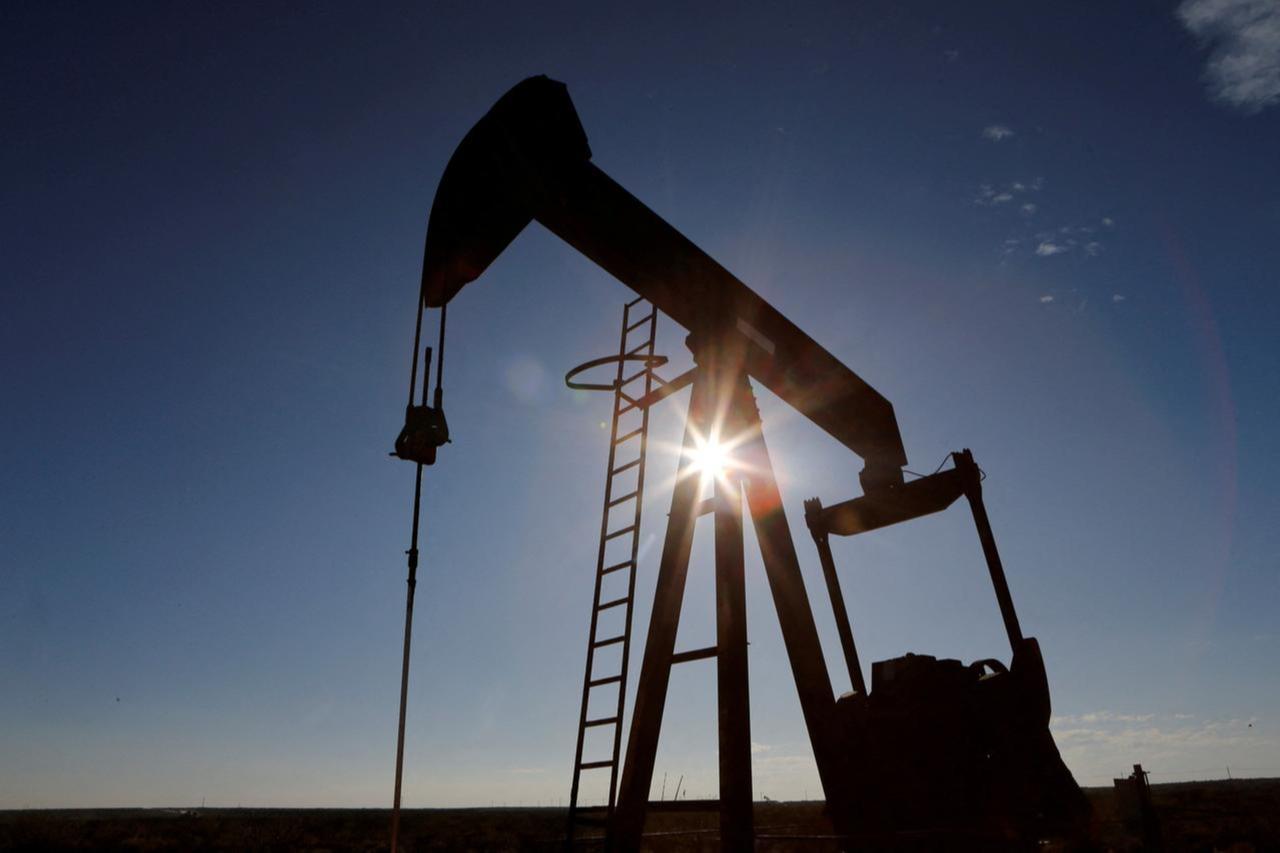

At the heart of Powell's remarks was a familiar tension in monetary policy: how to respond to price increases caused by supply disruptions rather than by excess demand. The tendency, he said, is to look through supply shocks because "energy shocks have tended to come and go pretty quickly" while the effects of interest rate changes take considerably longer to ripple through the broader economy.
That logic, long embedded in central bank thinking, has been complicated by the scale of the current disruption. The closure of the Strait of Hormuz has been described as the largest disruption to the energy supply since the 1970s energy crisis. Around 20 million barrels of oil per day were shipped through the waterway in 2025, representing roughly 20 percent of global seaborne oil trade, with limited viable alternatives for most Gulf producers.
Powell stressed that inflation expectations "do appear to be well-anchored beyond the short term," a critical indicator for policymakers trying to assess whether a temporary price spike risks becoming embedded in wage and price-setting behavior. But he acknowledged the danger: supply shocks can lead the public to start expecting persistently higher prices, a dynamic that would demand a stronger policy response.
Powell used the Harvard appearance to address questions beyond the immediate inflation outlook. Asked about the risk of a broader financial crisis, he said the United States has "significantly hardened" its system since the 2008 global financial crisis, which brought the world's banking sector to the edge of collapse and required unprecedented government intervention.
At the same time, he cautioned that officials should not try to "regulate risk out of existence," arguing instead for maintaining the financial system's overall resilience. Policymakers, he added, are closely monitoring areas like private credit, a fast-growing corner of the market that has attracted increasing attention from regulators in recent years.
Powell's remarks also touched on the future of the institution itself. With his term as Fed chair set to expire in May, he offered a pointed defense of central bank autonomy, saying the Fed "needs to be fully politically independent" and must not be reactive to political pressures. The chair of the Federal Reserve, he added, ought to be someone who can be reappointed by either party, a standard he appeared to hold up as essential to the institution's credibility.


 Set as preferred source
 Set as preferred source


 1 min read
 1 min read