Newsletters


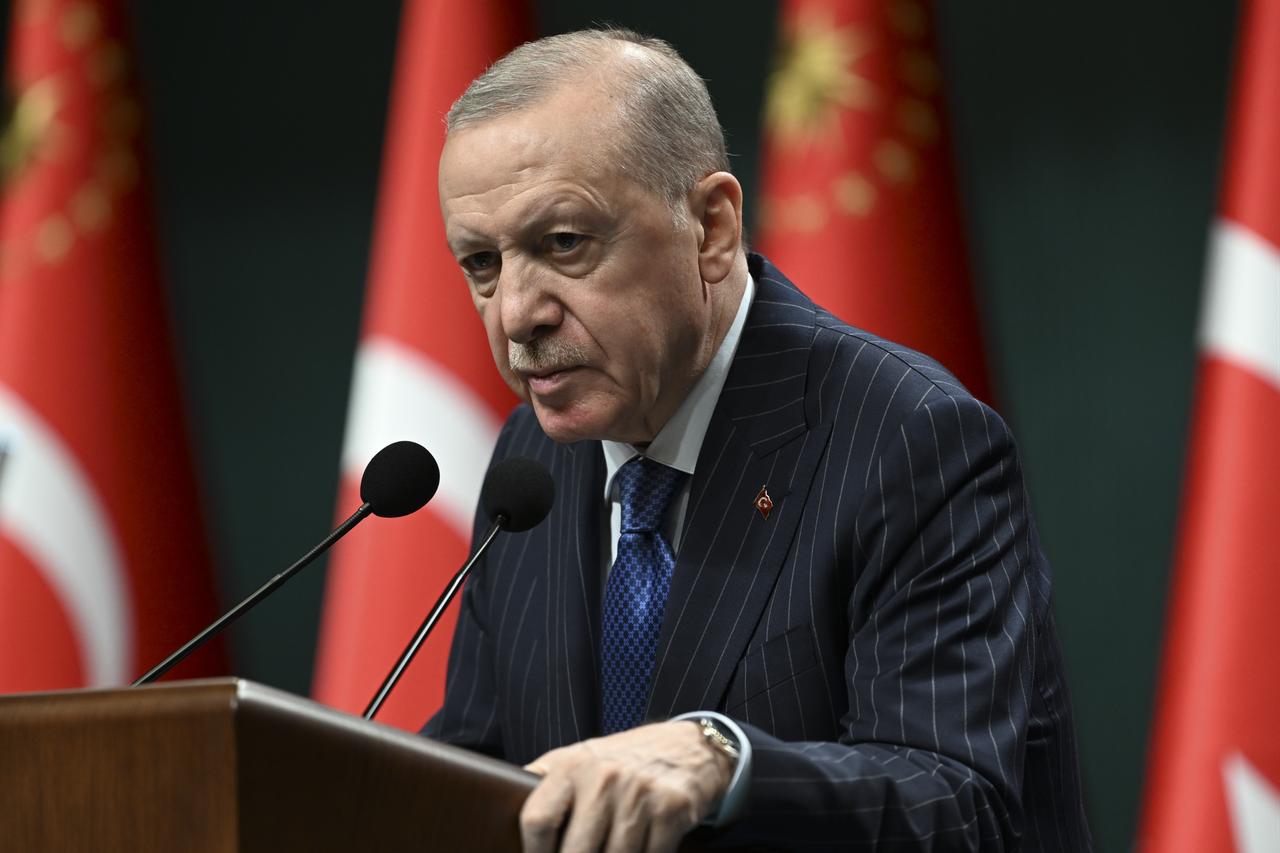


President Recep Tayyip Erdogan congratulated Turkish conglomerate Ihlas Holding ahead of the launch of the Kazarman Hydropower Project in Kyrgyzstan on Thursday, describing it as an important step for the country's energy sector and regional development.
Erdogan highlighted the growing economic partnership between Türkiye and Kyrgyzstan and pointed to Türkiye's role as one of the largest investors in the Central Asian country.
"As Türkiye and Kyrgyzstan, we are taking determined steps to carry forward the spirit of brotherhood and cooperation inherited from our ancestors into the future. Our country is among the leading investors in the Kyrgyz Republic. This stands as an economic reflection of the importance we attach to our ancestral homeland," Erdogan said in a written message.
"I would especially like to express my great satisfaction with the progress of Ihlas Holding's investments in Kyrgyzstan. The Kazarman Dam and Hydroelectric Power Plant will move Kyrgyzstan's energy sector further forward and mark an important step for the region's development.
I thank the Kyrgyz authorities, especially President Sadyr Japarov, for making these investments possible. I congratulate everyone who contributed to the project and extend my heartfelt greetings to all distinguished guests."
The capsule ceremony for the project will take place Thursday, with senior officials from both countries attending, including Kyrgyz President Sadyr Japarov, Prime Minister Adylbek Kasymaliev, Energy Minister Altinbek Rysbekov, Türkiye's Ambassador to Bishkek Mekin Mustafa Kemal Okem, and Ihlas Holding Chairman Ahmet Mucahid Oren.
Ahead of the capsule placement and groundbreaking ceremony, Ihlas Holding Chairman Ahmet Mucahid Oren described the launch as "a truly historic day," recalling that he first visited Kyrgyzstan 33 years ago alongside former Turkish President Turgut Ozal.
"Today we are experiencing a truly historic day," Oren said. "This is the first time we are undertaking an investment of this scale."
He noted that although Kyrgyzstan has abundant water resources, only about 16% of its hydropower potential has been utilized.
The Kazarman project, he said, will increase the country's installed electricity generation capacity by around 20%, calling it "a critical investment for both Kyrgyzstan and the entire Turkic world."
Oren also linked the development to growing global electricity demand fueled by electric vehicles and artificial intelligence, adding that Kyrgyzstan holds strategic importance as the eastern gateway of the Middle Corridor.
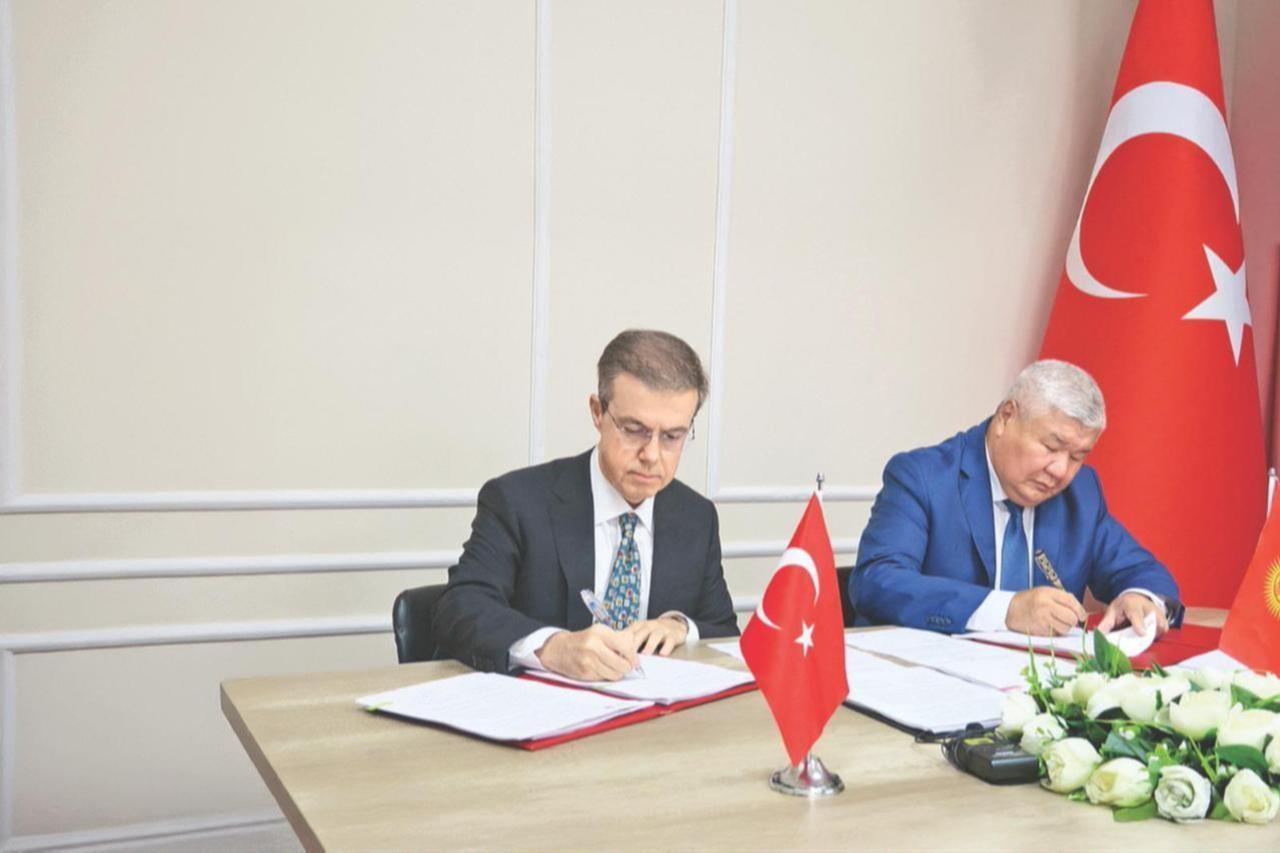
Referring to the project's remote location, Oren said agreements signed in November 2024 in the presence of President Recep Tayyip Erdogan and Kyrgyz President Sadyr Japarov quickly moved into implementation despite the logistical challenges.
"We are laying a historic foundation today on the banks of the Naryn River, thousands of kilometers from Türkiye," he said.
Oren added that Kazarman would not be Ihlas Holding's only investment in Kyrgyzstan, revealing that preparations are underway for another project of similar size while discussions continue with other Central Asian countries.
"God willing, this will not be our only project in Kyrgyzstan," he said. "Today marks the first step of Ihlas Holding's major move into the energy sector."
He also highlighted the project's economic impact, noting that construction will employ between 2,000 and 3,000 workers, while operations will create between 150 and 300 permanent jobs.
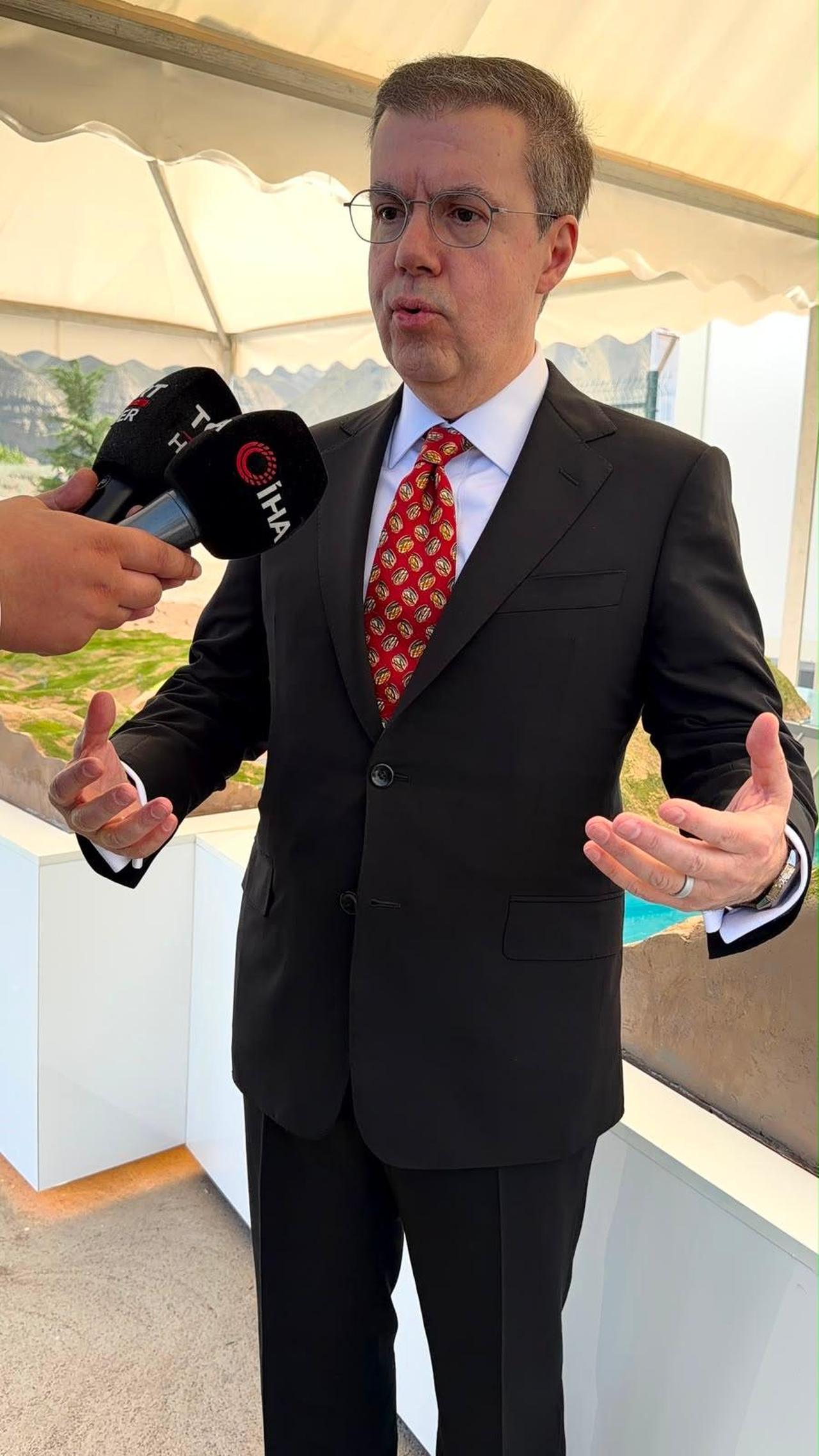

Speaking before the ceremony, Kyrgyz Energy Minister Altinbek Rysbekov called the project "the most important symbol" of friendship between the Kyrgyz and Turkish peoples and described it as the largest investment ever undertaken by Turkish companies in the country.
"Today's investment is the biggest project involving Turkish companies in our country," Rysbekov said, adding that Kyrgyzstan plans to continue expanding its green energy sector through similar large-scale hydropower developments.
Türkiye's Ambassador to Bishkek, Mekin Mustafa Kemal Okem, described the project as a milestone for bilateral relations, saying it would increase Kyrgyzstan's installed electricity capacity by 20%, help address domestic power shortages and support future electricity exports across Central Asia.
"This investment is our flagship in this country," Okem said.
He noted that Türkiye has invested about $1.6 billion in Kyrgyzstan over the past three decades, making it one of the country's top three foreign investors alongside Russia and China.
The $3 billion Kazarman project alone nearly triples Türkiye's previous cumulative investment in the country, making it the largest single Turkish investment in Kyrgyzstan's history.
Okem also said the project would bring jobs and economic activity to one of Kyrgyzstan's least-developed regions while supporting the country's 2030 strategy to expand renewable energy.
"There could not be a better project to serve Kyrgyzstan's development goals in this vast mountainous country," he said.
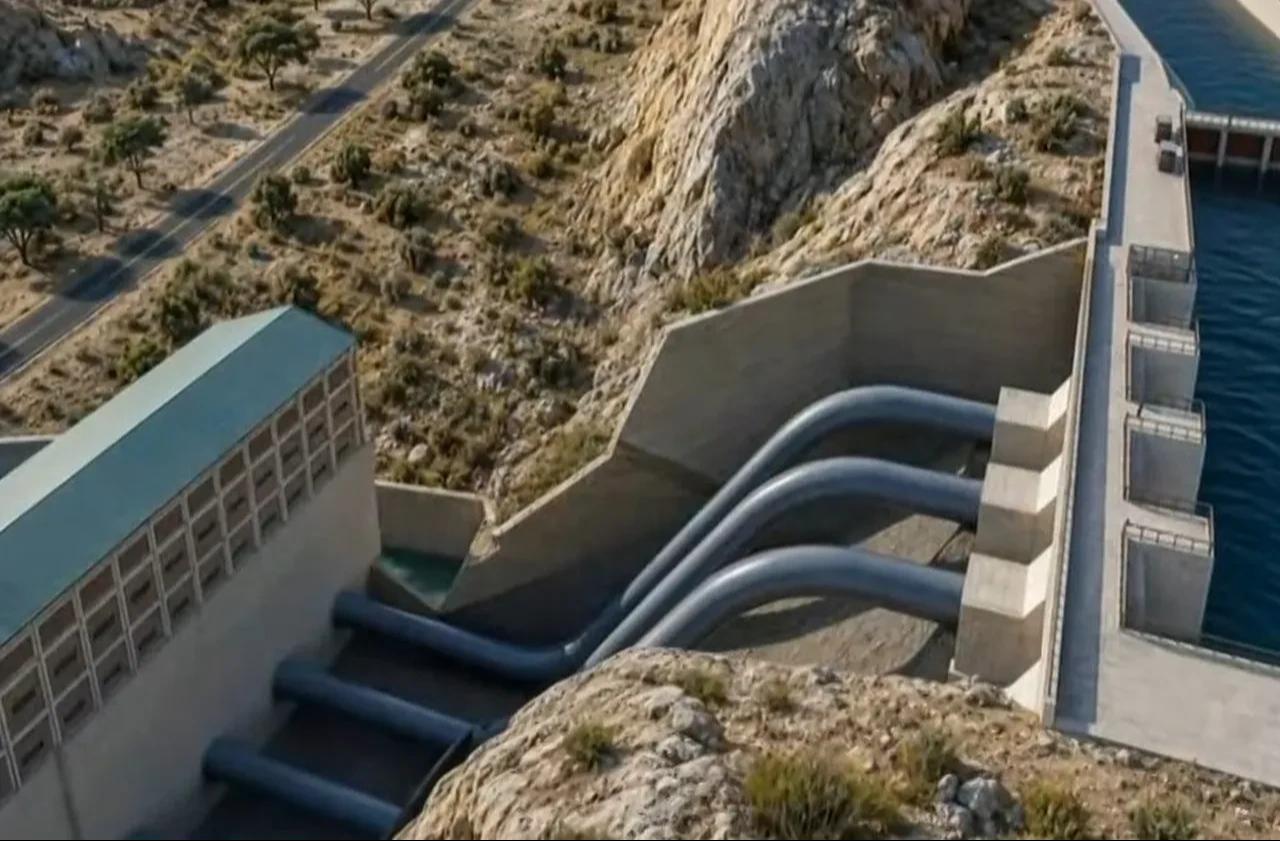
The Kazarman Hydropower Project, with a total installed capacity of 912 megawatts (MW), is regarded as one of the largest and most strategic energy investments in Kyrgyzstan's history.
The investment is being carried out by Orta Asya Investment Holding, a subsidiary of Ihlas Holding, under agreements reached with Kyrgyz authorities in 2024.
Valued at approximately $3 billion, the hydropower cascade is being built in the Toguz-Toro district of Kyrgyzstan's Jalal-Abad region on the Naryn River between the Ala-Buga and Kokomeren rivers.
The development includes three hydropower plants: the 600 MW Ala-Buga HPP, the 149 MW Kara-Bulun-1 HPP and the 163 MW Kara-Bulun-2 HPP, giving the project a combined installed capacity of 912 MW. Together, the facilities are expected to generate about 3.75 billion kilowatt-hours (kWh) of electricity annually.
Construction is projected to create around 2,000 jobs, while about 150 permanent positions will remain after the plants enter operation.
The Kazarman project is part of a wider investment package that also includes the Kokomeren hydropower cascade and the Bishkek CHPP-2 natural gas combined-cycle power plant.
Combined, the projects are expected to add 2,467 MW of installed generation capacity.
The investments include 20-year operating rights and state-backed electricity purchase guarantees.
Once completed, the projects are expected to produce between 8 billion kWh and 9 billion kWh of electricity each year, helping meet rising domestic demand while opening the way for electricity exports.


 Set as preferred source
 Set as preferred source


 2 min read
 1 min read