Newsletters


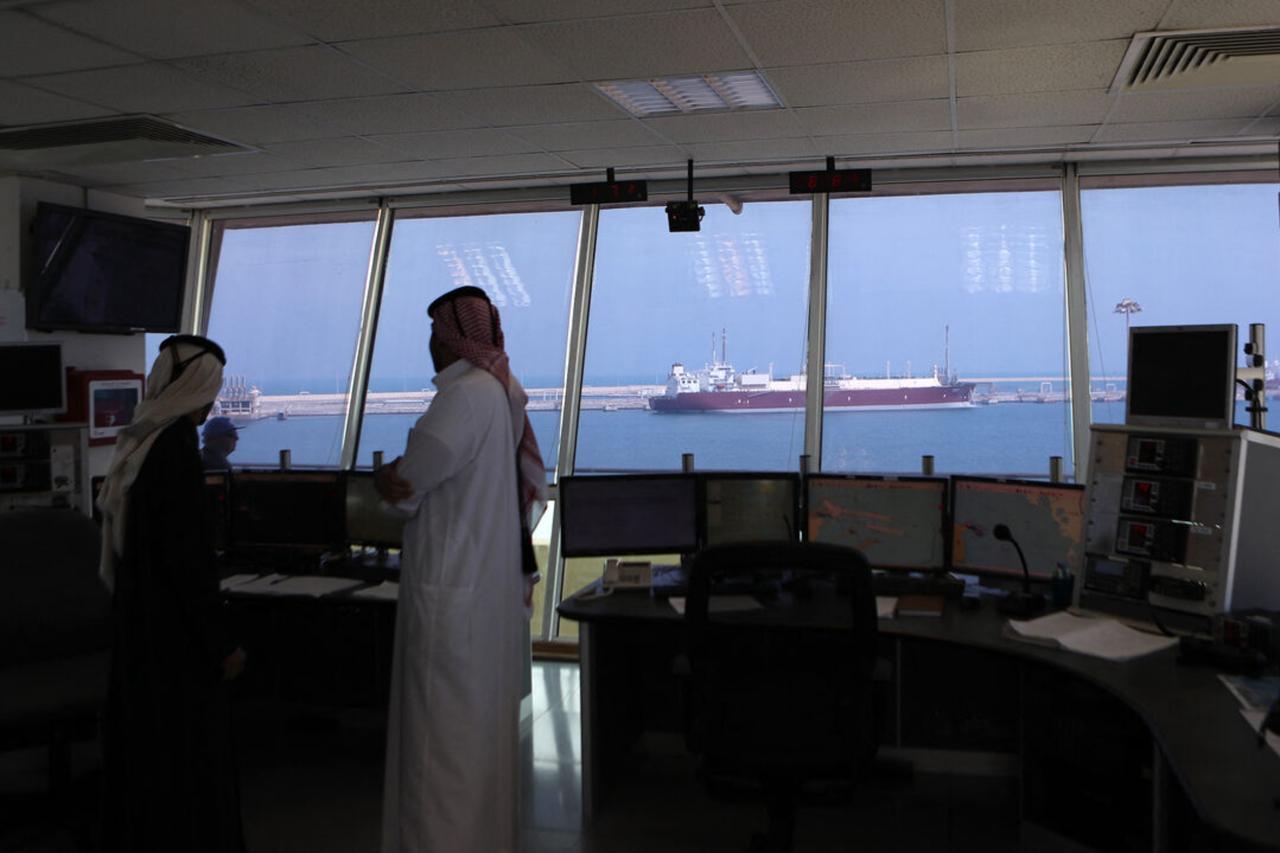


The head of Japan's Jera, the world's largest liquefied natural gas (LNG) buyer, said Friday he does not expect Qatari LNG to return to the market soon, warning that disruptions in the Strait of Hormuz will keep global supplies tight heading into winter.
"We don't expect Qatar LNG coming back to the market soon," Yukio Kani, Jera's chairman and global chief executive, told Bloomberg.
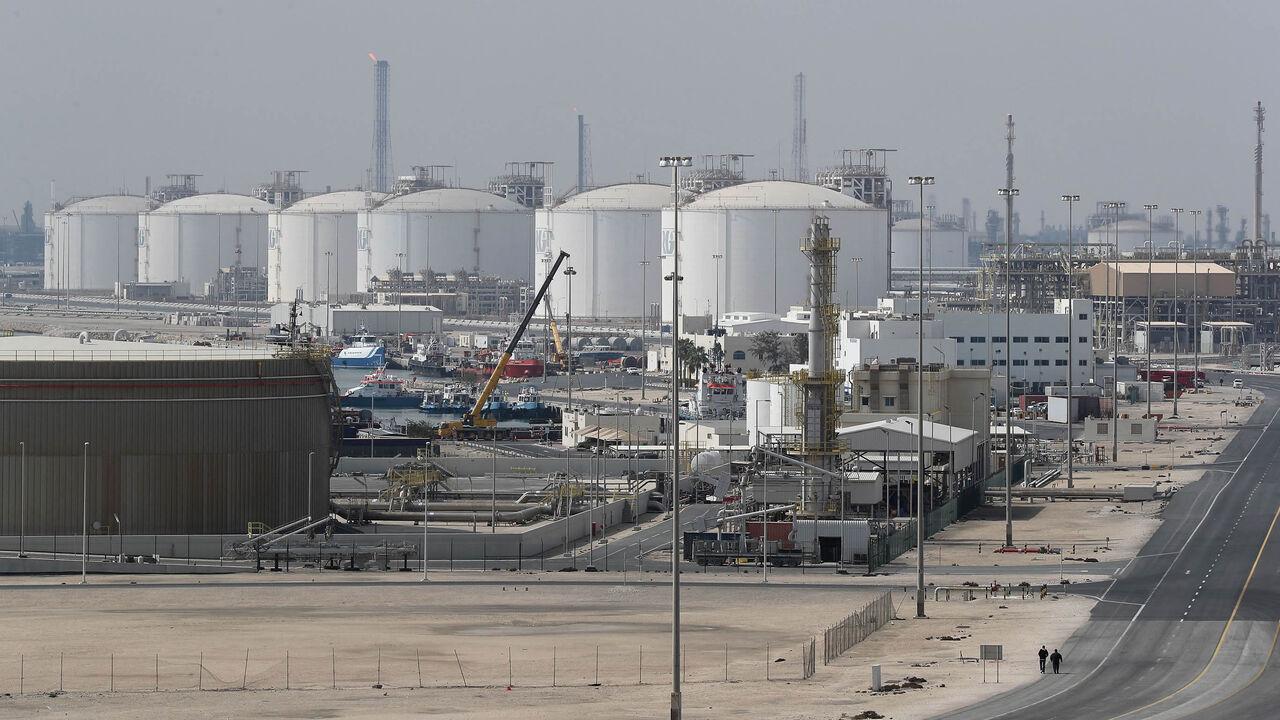
Qatar was the world's second-largest LNG supplier before the Iran war, and the Gulf region accounted for about a fifth of global supply.
The shortfall helped push spot prices last month to their highest level since late 2022.
Kani said LNG spot prices are double their level a year ago and that "market participants worry about this coming winter."
Seasonally low gas storage in Europe, combined with an EU ban on Russian LNG imports from January, "suggest that the spot price will go up further," he said.
If Europe has a "severe winter, they have no choice but to buy LNG to provide heating energy for people," Kani said. "So Europe may be in a very difficult situation."
The tighter market threatens greater competition between Europe and Asia for alternative supply from the U.S. and elsewhere.
LNG transit through Hormuz from Qatar and the United Arab Emirates (UAE) rose in September to its highest level since the war began, but remains 80% below February levels, according to cargo tracker Kpler.
Qatar last month extended force majeure on shipments to long-term customers in Asia until November and in Europe until December.
Qatari officials have said they will not pursue pipelines bypassing the strait, and analysts estimate a shortfall of about 30 million metric tons against the country's 2026 LNG export targets.

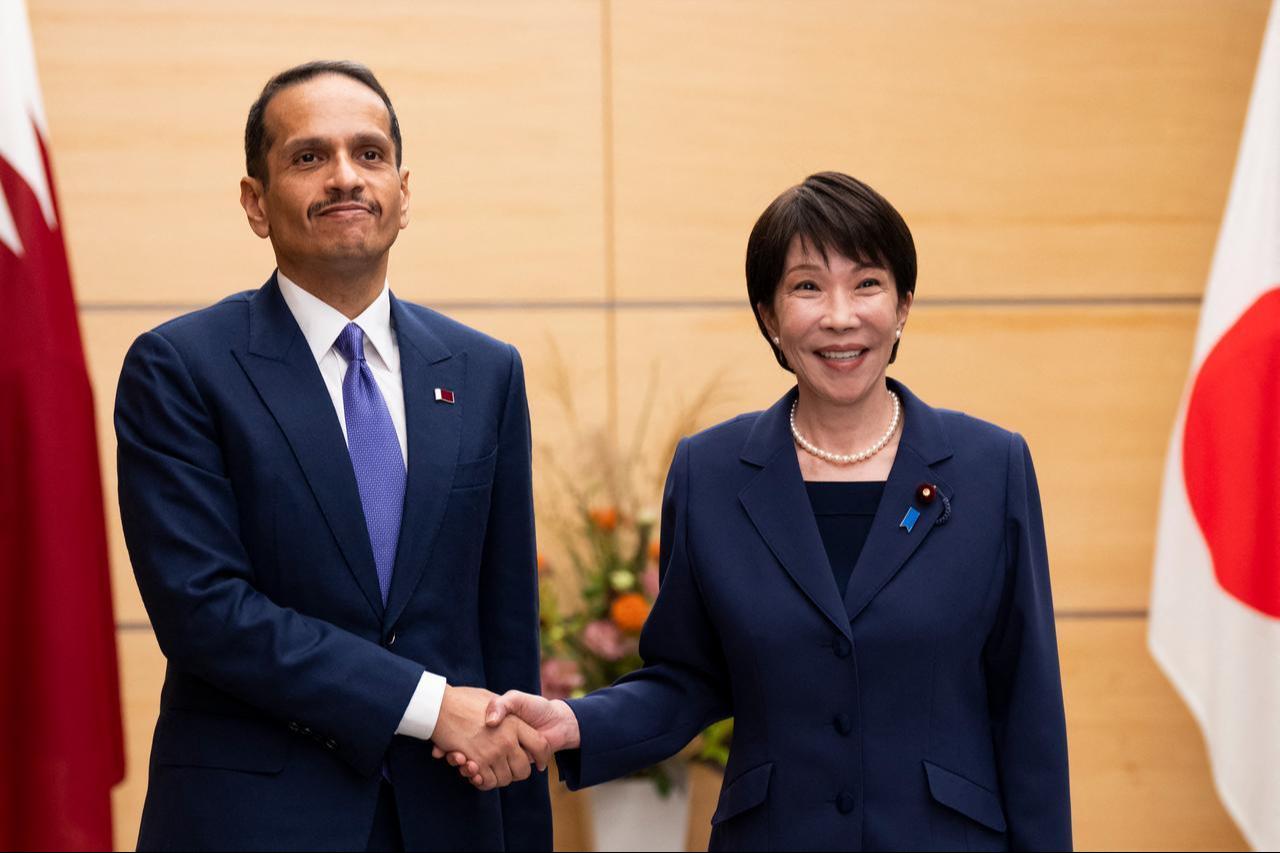
Japanese Prime Minister Sanae Takaichi met Qatari Prime Minister Sheikh Mohammed bin Abdulrahman Al Thani in Tokyo on Friday.
"I expressed strong concern over the ongoing military tensions surrounding Iran and the significant disruption to the rules-based maritime order," Takaichi said on X, adding that she conveyed her "deep respect for the important role Qatar is playing as a mediator."
Takaichi said Sheikh Mohammed briefed her on the current status of U.S.-Iran talks, and that Japan is drawing up "a comprehensive cooperation plan aimed at enhancing the economic and energy resilience of the Gulf countries, including Qatar."
The U.S. has deployed a Patriot missile battery to Qatar to defend a natural gas facility and another to Saudi Arabia to protect an oil site, Axios reported, citing U.S. officials and a regional source.
The deployments were meant to reassure both countries as President Donald Trump weighs renewed strikes on Iran.
"Now I have to make a decision: either Iran signs the deal, or it won't exist any longer," Trump said.
The U.S. and Israel launched attacks on Iran on Feb. 28, prompting Tehran to retaliate against Israeli targets and U.S. military facilities across the region.
The war also severely disrupted navigation through the Strait of Hormuz, a key route for global energy supplies.
Iran has since linked the full reopening of the strait to measures including an end to hostilities, sanctions relief, the release of frozen assets, and implementation of commitments it said Washington previously made.


 Set as preferred source
 Set as preferred source


 1 min read