Newsletters


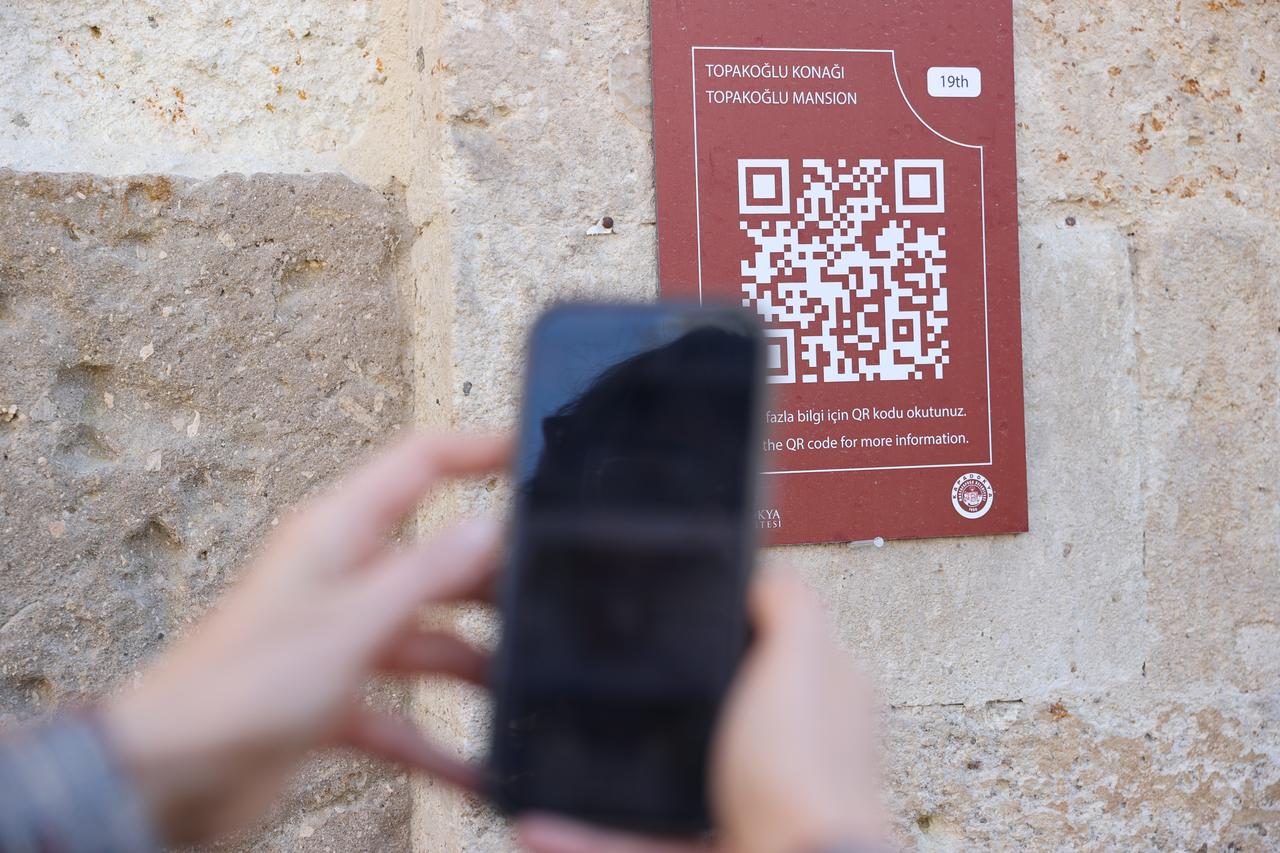


Century-old stone mansions and historic buildings in Mustafapasa, a town in the Urgup district of Nevsehir in central Türkiye, are being preserved for future generations through a digital database.
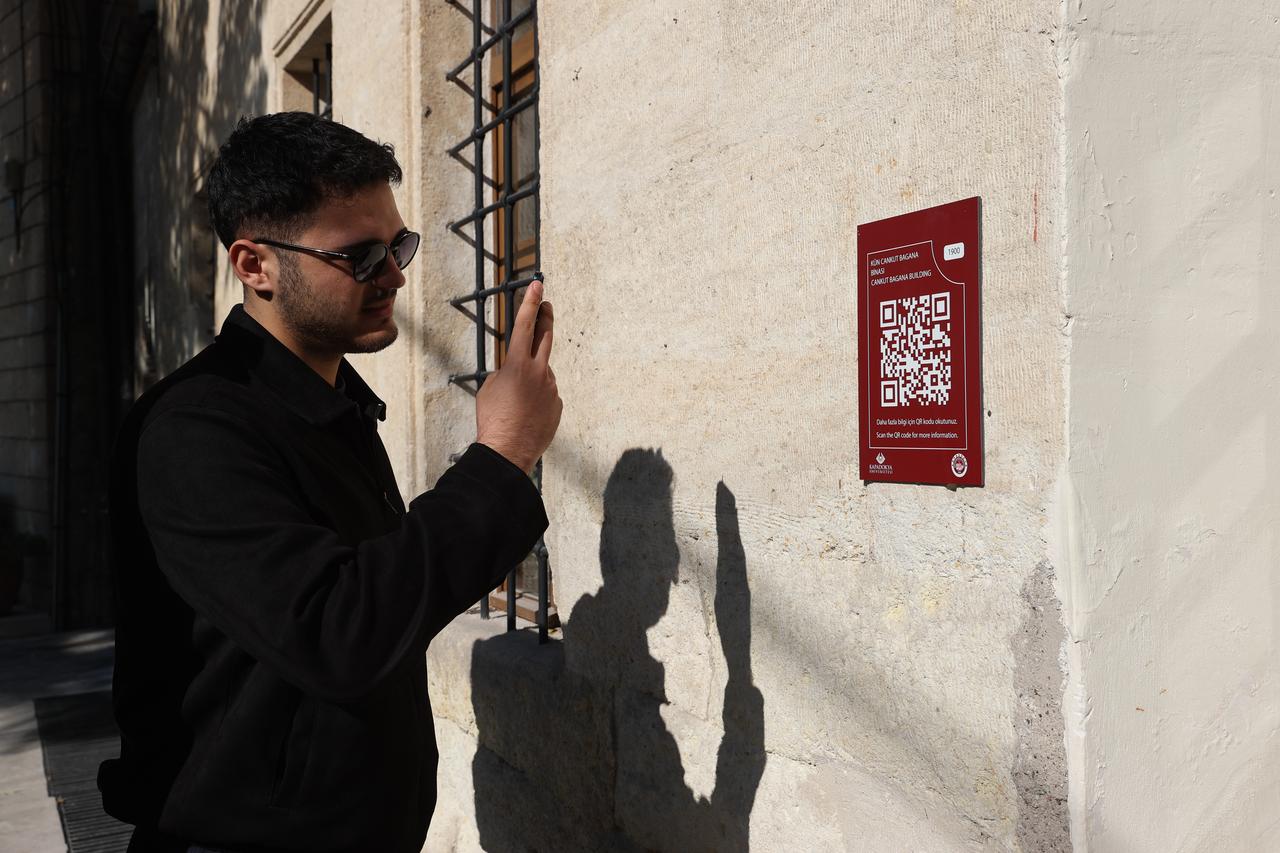
The project, led by Cappadocia University (KUN), aims to document the town’s cultural assets and make them visible as an open-air museum through QR codes placed at 55 points.
The initiative also seeks to promote the town’s historic sites and help ensure that future restoration work is carried out faithfully to the original structures.
Mustafapasa was named a “Best Tourism Village” in 2021 by the United Nations World Tourism Organization, and signs bearing QR codes are being placed at the entrances of historic buildings.
Visitors who scan the codes can read about each building’s history and architectural features on a website available in Turkish and English.
Sukran Unser, director of the KUN Cappadocia Cultural Research Center, said that research on the town’s historic buildings intensified in 2020, and the database was created as part of that effort.
She said the inventory, prepared to contribute to tourism, includes mansions as well as churches, mosques, madrasas (Islamic theological schools) and fountains, and that the work is continuing.

Unser said Mustafapasa holds an important position because of its civil architecture heritage, meaning non-religious buildings such as homes.
“I find Mustafapasa very valuable because it has so many well-preserved civil buildings. There are few examples like this in the world,” she said.
“Historic buildings have always been precious, but religious buildings in particular are respected and protected by people much more because of their sacred character.''
''However, mansions among civil buildings hold a very important place here. They are intertwined with daily life, and when daily life changes and transforms, they transform as well and unfortunately cannot live long. But in Mustafapasa, we do not see such a situation,” she added.
“We have classified them not only as an inventory but also in a way that will serve tourism and allow visitors to examine buildings worth seeing. For us, it becomes a documentary heritage,” she added.
Unser said that when a restoration project is carried out in the town, architects can quickly find old photographs of a building and renovate it accordingly.
“I liken the mansions in Mustafapasa to portraits,” she said. “Each carries its own distinct character, shaped by what nature allowed them, moving according to the topography and drawing portraits that are extremely respectful of and in harmony with nature,” Unser said.
She noted that photographs and notes left by Serafim Rizos, who moved to Greece during the population exchange between Türkiye and Greece in the 1920s, are also a valuable source for documenting the old buildings, and that the center is working to bring these documents together.
Unser said the center also organizes events so residents can get to know the area’s cultural assets. “After Mustafapasa was chosen as the best tourism village, we carried out an awareness campaign and set up a platform,” she said.
“We continue to hold training seminars for different target groups. As part of the digitalization of Mustafapasa, you can now read the website we prepared through QR codes placed at 55 points in the village. It was a project we always dreamed of. We wanted the town to turn into a small open-air museum,” the director added.
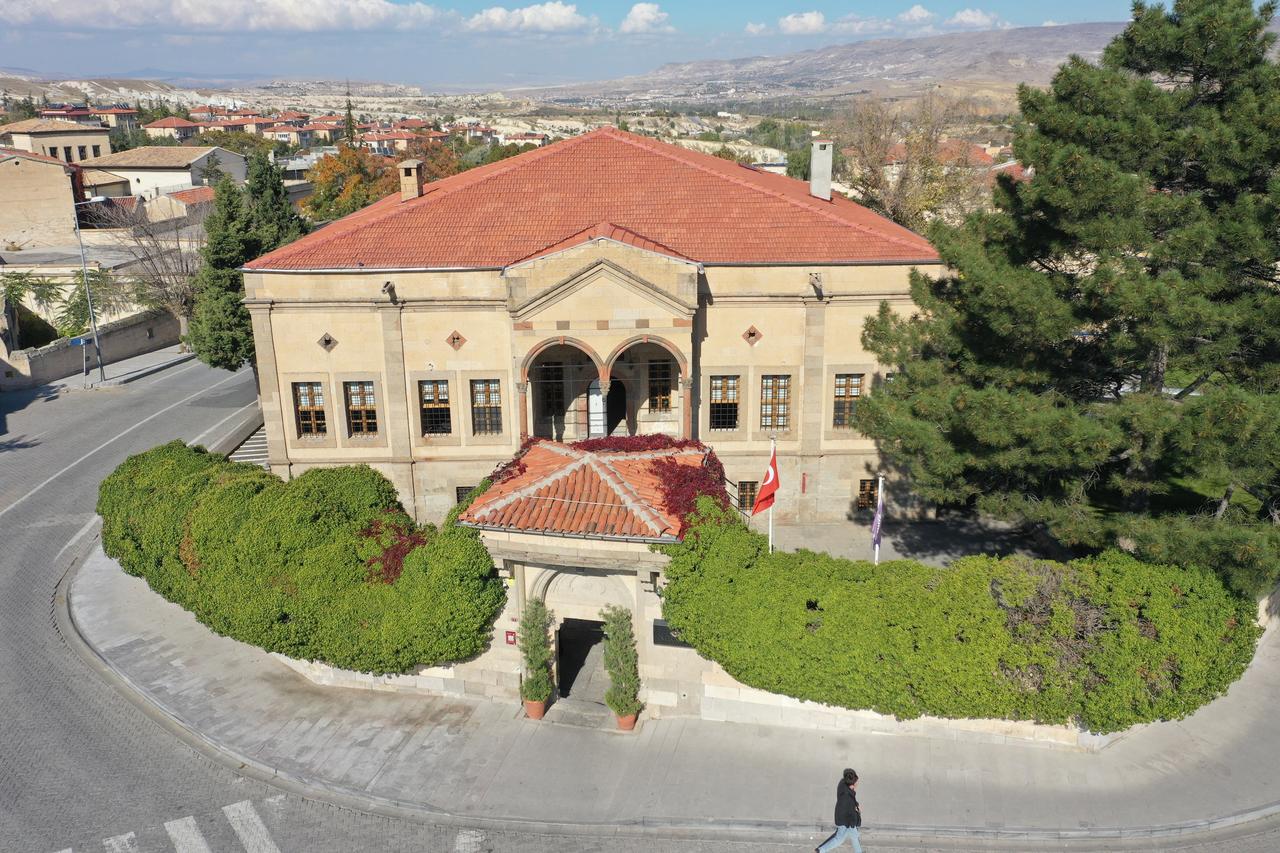
Mustafapasa Mayor Mustafa Ozer said about 400 stone mansions stand in the town, 140 of which are registered as protected cultural property. He said the town has various tourist attractions, led by the Monastery Valley, a popular stop for visitors.
Ozer said 55 of the historic mansions offer accommodation to tourists. “Some of the mansions have been restored and turned into hotels, but many are homes where our people live,” he said.
“Together, we will pass these buildings on to future generations. It is rewarding to take an idle, ruined picture of these places and bring them back to life as hotels, restaurants or residences.”
He said that comparing old photographs with the buildings’ current condition strengthens the town’s architectural inventory.
Ozer added that the municipality, the university, nongovernmental organizations, and investors aim to carry the historic heritage into the future through cooperation.


 Set as preferred source
 Set as preferred source


 1 min read
 1 min read