Newsletters


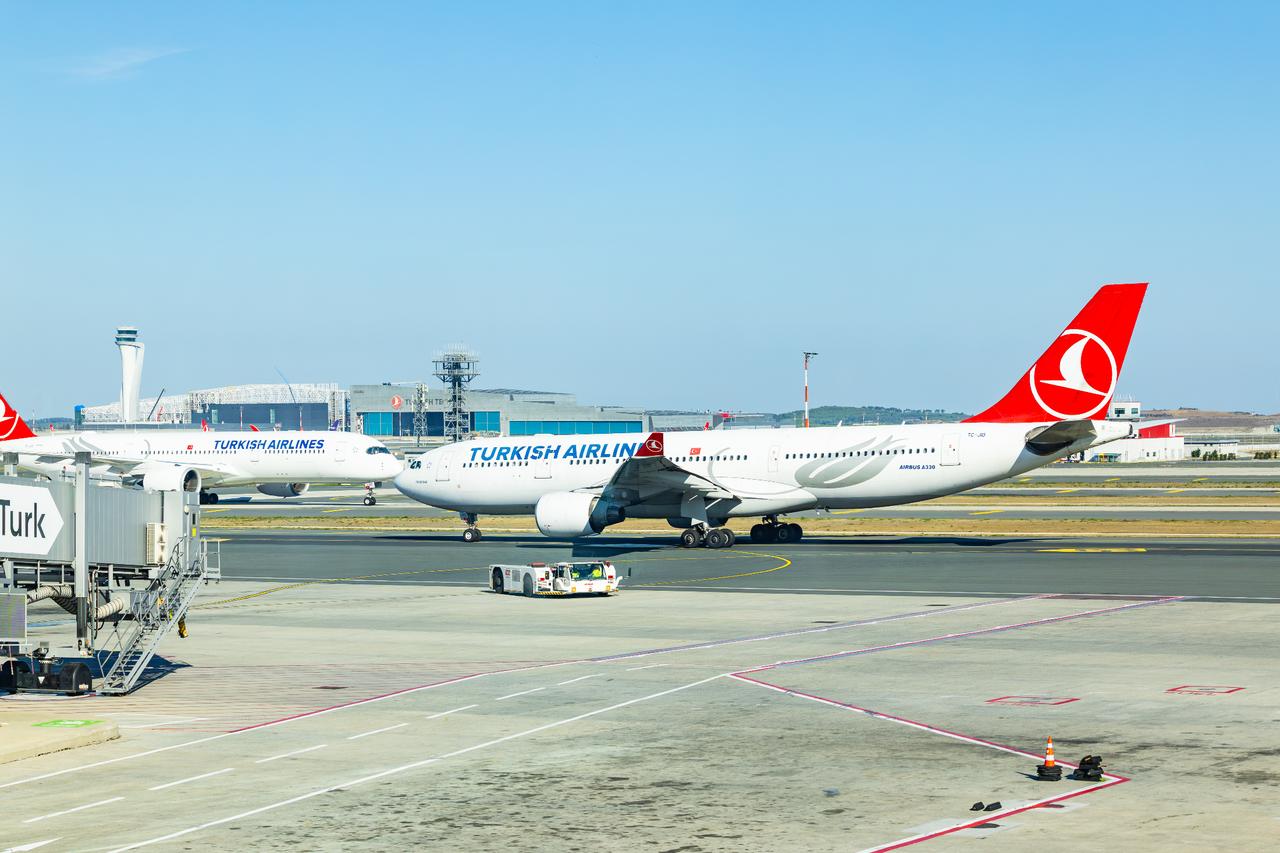


European plane maker Airbus expects Türkiye to need around 1,800 aircraft over the next two decades as its fleet more than doubles and passenger traffic potentially triples, company executives said.
Antonio Da Costa, Airbus’ vice president of market analysis and forecasting, sees Istanbul taking on a greater role in international aviation, although future growth will partly depend on political and geographical developments.
"We expect Istanbul to reach an increasingly important position in international air traffic," Da Costa told Anadolu Agency, noting that the city already serves as a major transit hub and is likely to gain further importance in the years ahead.
Airbus Türkiye President Simon Ward outlined the transformation of the country’s aerospace industry over the past two decades, pointing to a sharp rise in the company’s spending on local production.
Having worked in Türkiye for 20 years, Ward recalled that the industry initially relied on limited offset contracts to manufacture small metal aircraft components. Turkish aerospace companies now handle much larger-scale production for Airbus.
"When I first arrived, $35 million was being spent annually; now we spend $750 million. Moreover, this figure is growing exponentially. We are doing more and more business," Ward said.
He anticipates closer industrial cooperation between Türkiye and Europe over the next five to six years, while cautioning that the country’s dynamic environment makes longer-term projections difficult.
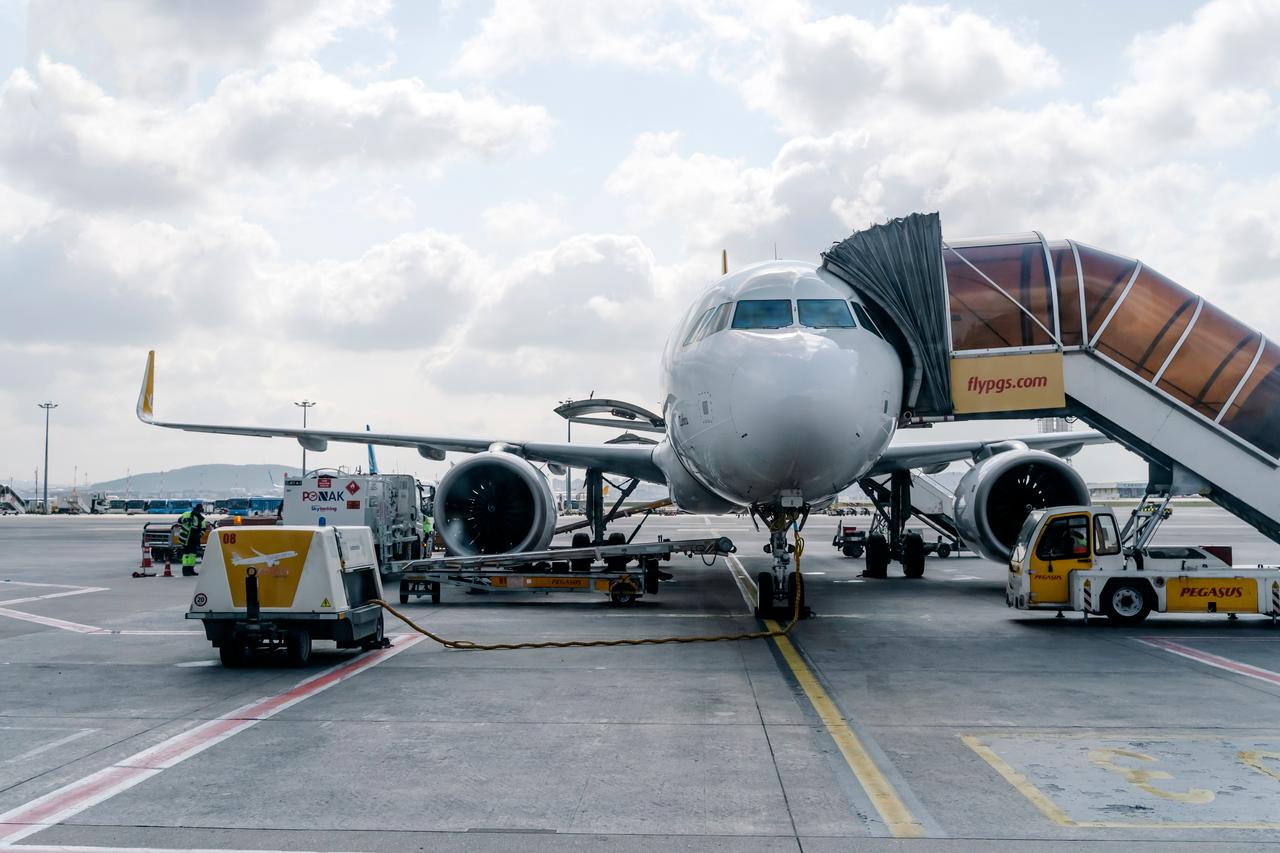

Ward also drew attention to Türkiye’s expanding role in European aerospace manufacturing, as domestic companies move beyond purchasing foreign products to supplying aircraft and components to international partners.
"We are now exporting the Turkish-made trainer jet HÜRJET to Spain. We are no longer just buying products; we are also exporting products," Ward said.
Under the agreement, Spain plans to acquire 30 jets developed by Turkish Aerospace Industries (TAI), with Airbus coordinating the program and Spanish companies contributing to aircraft modifications, onboard systems and training infrastructure.
Ward views such partnerships as an avenue for closer industrial ties between Türkiye and Europe over the next five to six years, creating more opportunities for Turkish aerospace companies to participate in international production programs and expand their export reach.


 Set as preferred source
 Set as preferred source


 3 min read