Newsletters


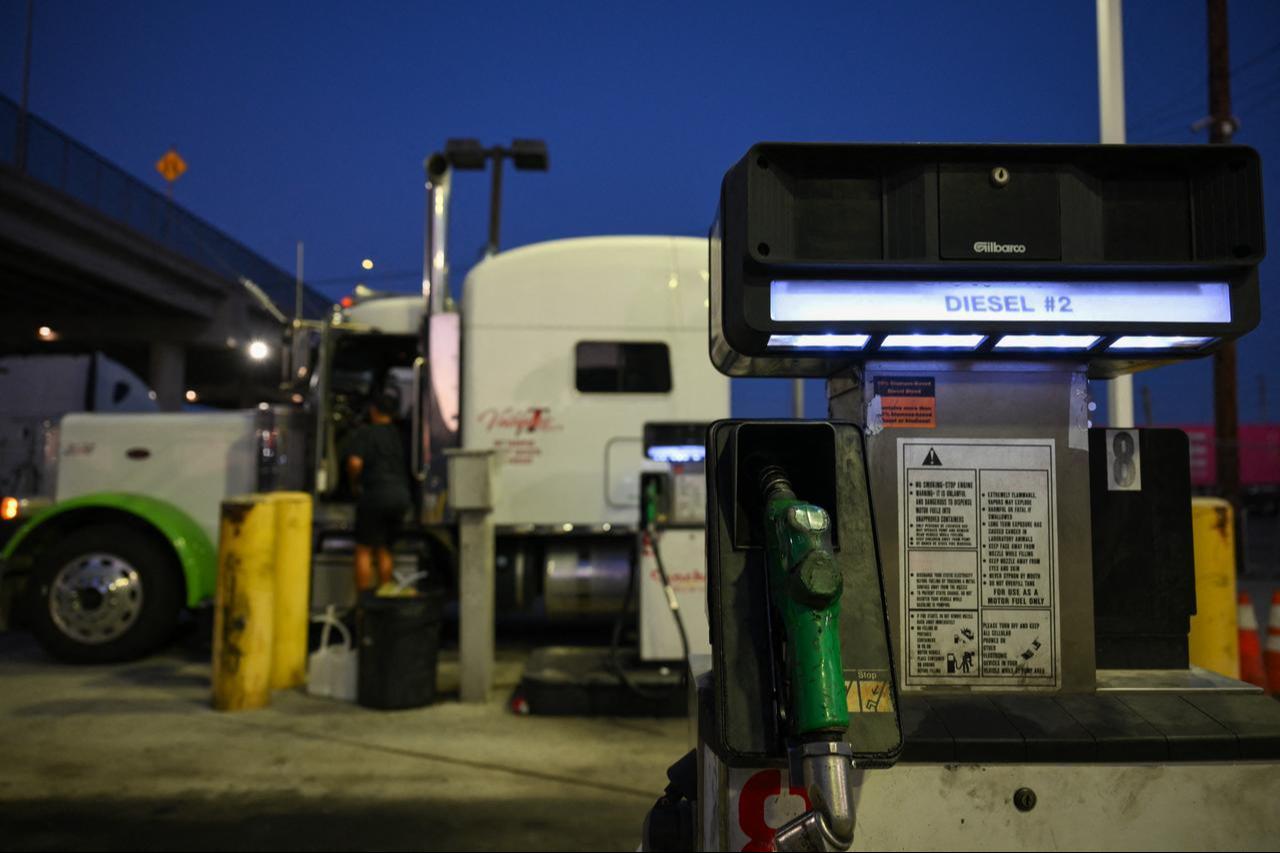
The Trump administration has told Germany and France to draw down emergency diesel inventories to ease global fuel prices or face a potential U.S. diesel export ban, three people close to the discussions told Reuters.
The warning escalates pressure on Europe as U.S. President Donald Trump weighs a diesel export ban to bring down U.S. fuel prices before the Nov. 3 midterm elections.
A source in a European capital said Washington has asked the European Union (EU) to release 120 million barrels of diesel over the next six months.
The U.S. supplied about half of the EU's diesel imports in August, according to the European Commission.
Europe has grown increasingly dependent on U.S. fuel after banning Russian imports and as the Iran war disrupted Middle East supplies.
"It is in Europe's best interest to work with the United States as we pursue multiple pathways to boost the supply of refined products and lower costs for consumers," a U.S. official told Reuters.
U.S. officials believe France and Germany have not fully followed through on earlier commitments to release emergency oil and petroleum stocks, Reuters has previously reported.
Energy Secretary Chris Wright said Wednesday he expected announcements soon from Europe on new diesel supplies. "We've lost some diesel exports from the Middle East, although we're restoring those, and we've lost diesel exports from China," he said.
"So that's a lot of interruptions," he added.

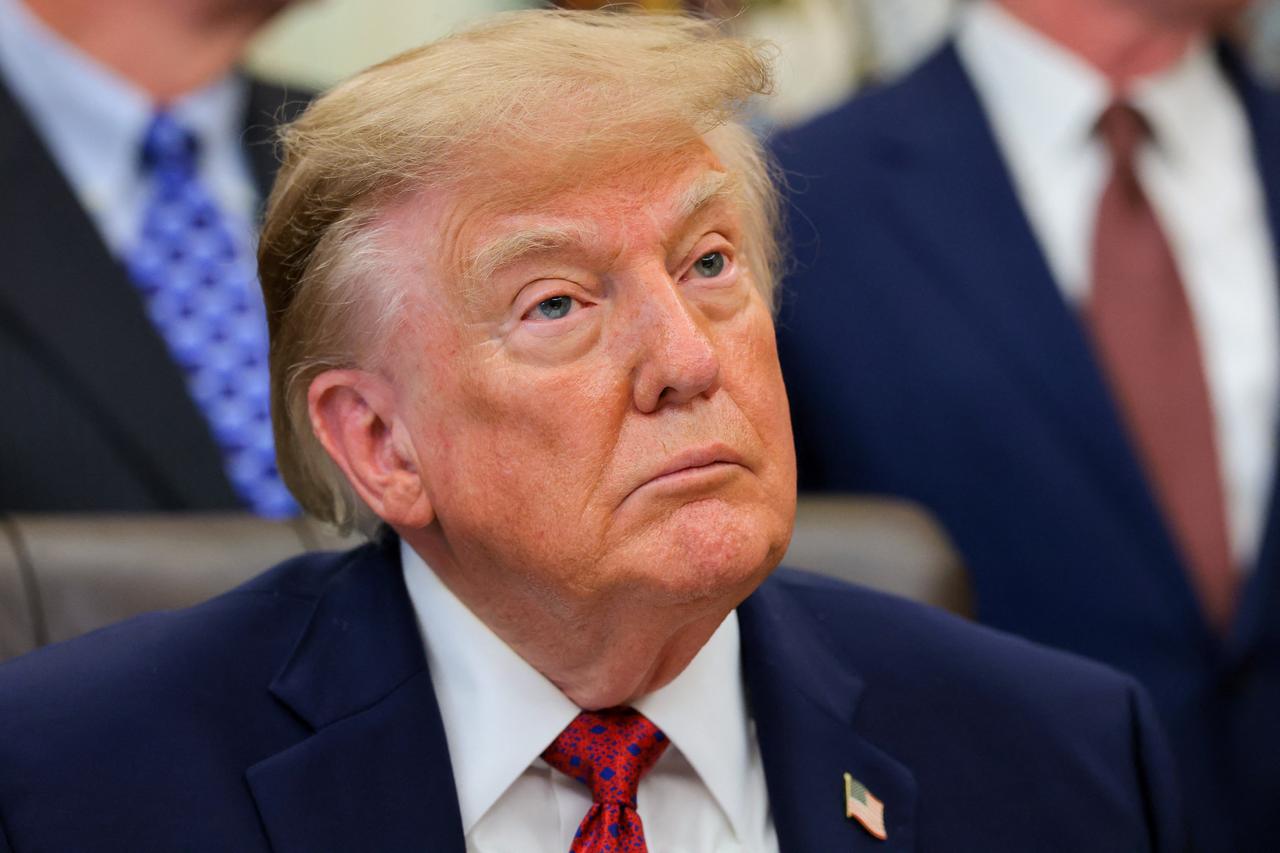
"I'm thinking about it," Trump recently told reporters at the White House when asked about a ban.
He said Wright and Interior Secretary Doug Burgum believe a ban could lower diesel prices but might raise prices for other products, including gasoline.
Trump attributed diesel shortages mainly to disruptions at Russian refineries amid the Russia-Ukraine war.
U.S. diesel prices hit a record $6.53 per gallon on Sept. 22 before easing to $6.41 on Sept. 30, according to the American Automobile Association.
More than two dozen U.S. trade groups warned in a Sept. 23 letter that "export bans would lead to less fuel production, tighter supplies, and rising costs for American families, farmers, and truckers."
European Commission spokesman Olof Gill called a possible ban "a bad idea" last week.
"We expect close partners to consult each other before taking measures that affect shared markets," he said.
French President Emmanuel Macron said he had warned Trump that a ban "would be bad" and would raise prices. "We are not directly dependent," he said.
An Elysee official told Reuters that Macron and Trump had not discussed the issue at the U.N. General Assembly, but that Macron would convene a G7 video conference on fuel prices and coordinated reserve releases with the International Energy Agency.
The EU's Oil Coordination Group is due to meet next week as Brussels weighs its response to the possible U.S. diesel export ban.


 Set as preferred source
 Set as preferred source


 1 min read