Newsletters




Russia's state nuclear corporation Rosatom has signed agreements with Iran covering eight nuclear power units, including a deal to build small nuclear power plants, CEO Alexei Likhachev disclosed.
Likhachev did not clarify whether all eight units would be small reactors or whether the agreements would also cover conventional, large-scale facilities.
The announcement follows earlier moves by Moscow and Tehran to expand their nuclear cooperation, building on Russia's existing work at Iran's Bushehr nuclear power plant and plans for additional capacity elsewhere in the country.
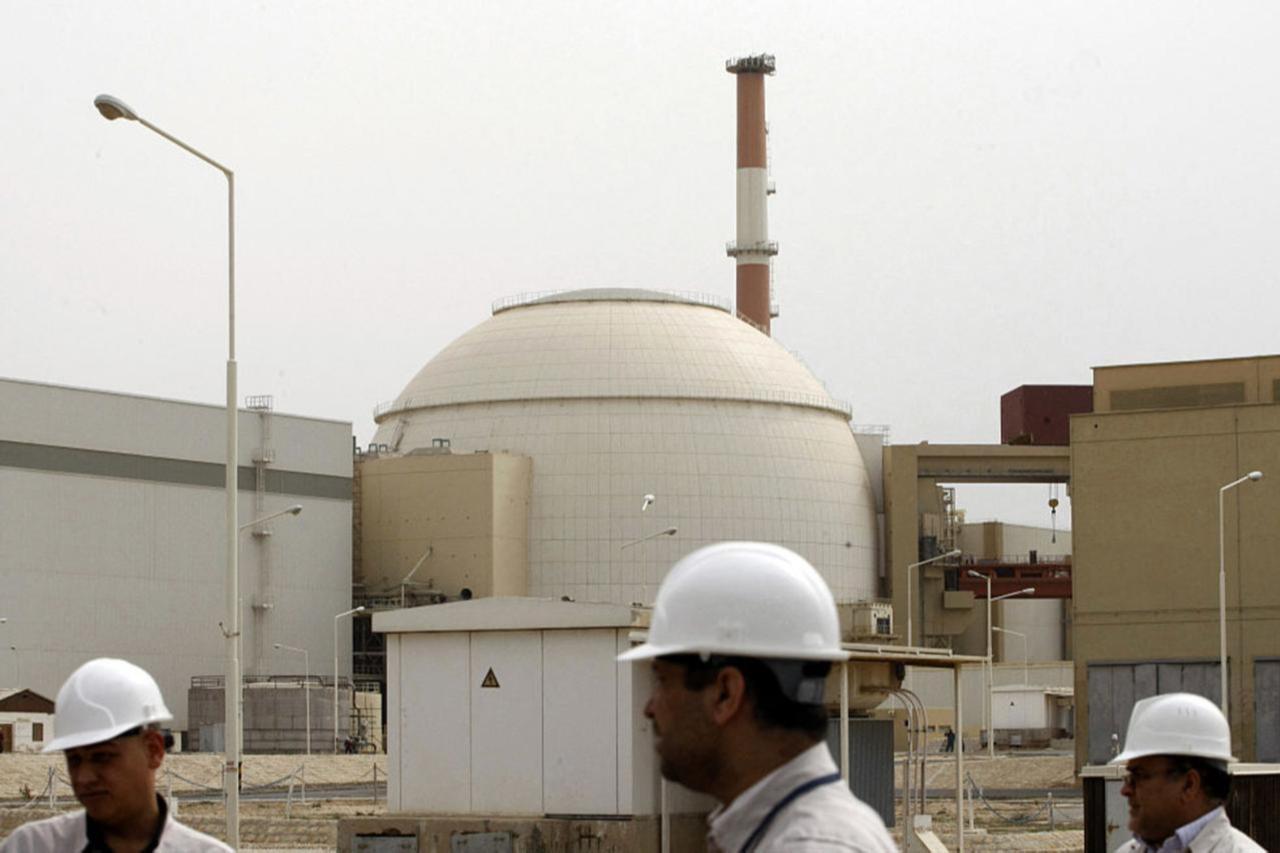
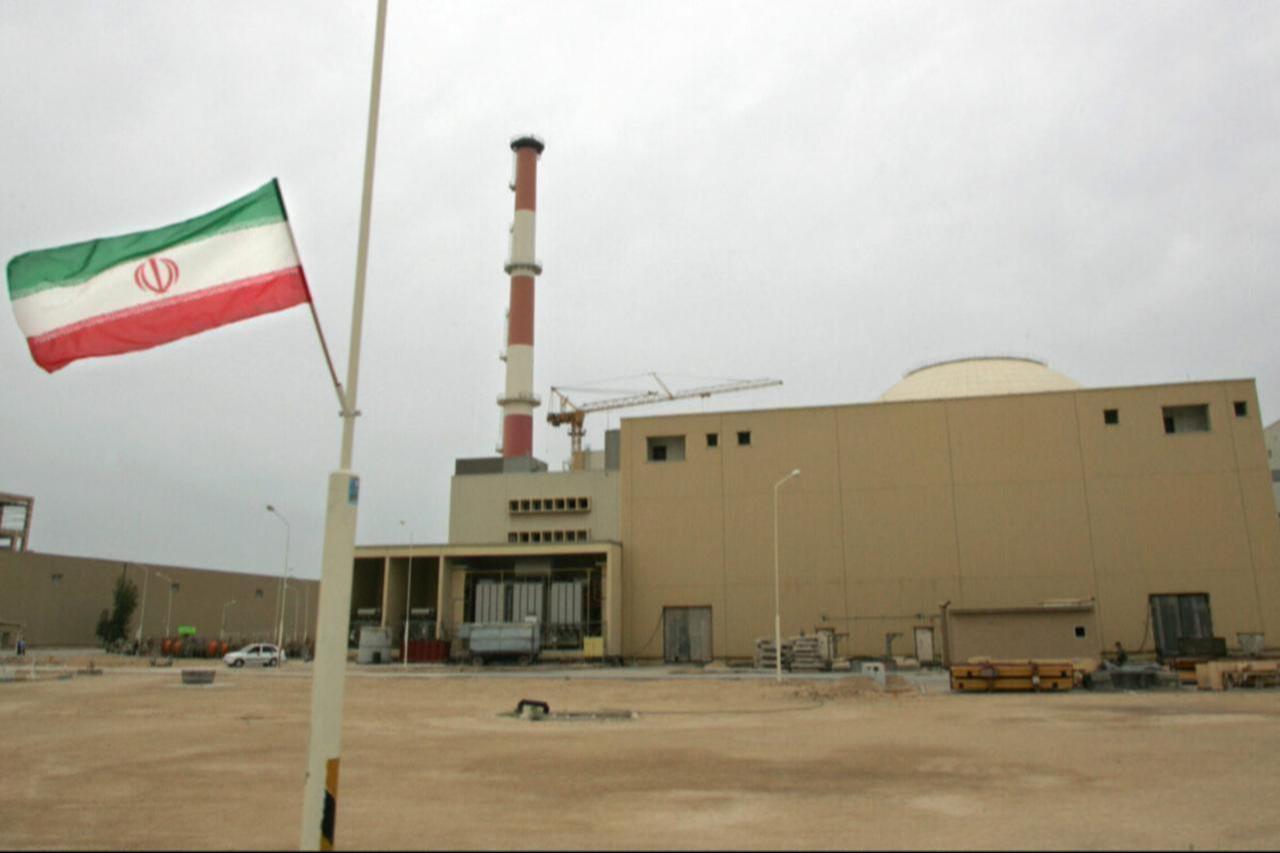
Rosatom continues construction of the second and third units at the Bushehr nuclear power plant, where 142 people are currently working at the site, Likhachev told Russian newspaper Izvestia.
The two units have a combined planned capacity of 2,100 megawatts. Construction on the second phase began in 2016, although the project has faced delays and disruption.
As of May 2026, the second unit's reactor was more than 60% complete, while its steam generators were 50% complete, according to Likhachev. At the time, he said the company planned to begin shipping key equipment in 2027.
Rosatom's work at Bushehr was disrupted after the United States and Israel launched strikes against Iran on Feb. 28, 2026. The company evacuated personnel and suspended construction before gradually resuming work.
By August, Russian engineering specialists had begun returning to the site. Rosatom subsequently continued rebuilding its workforce, with Likhachev saying on Oct. 27 that the company planned to increase the number of Russian specialists at Bushehr to 700, depending on the military situation.

The latest announcement follows a memorandum of understanding signed in Moscow in September 2025 by Likhachev and Iran's top nuclear official, Mohammad Eslami, to cooperate on building small nuclear power plants in Iran.
Rosatom described the initiative as a strategic project, while Iranian officials outlined plans to expand the country's nuclear power capacity.
Separately, Iran signed a $25 billion agreement with Rosatom to build four nuclear power units with a combined planned capacity of 5 gigawatts at a site in southeastern Iran.
The project adds to the country's broader nuclear cooperation, although available information does not establish whether it falls under the same framework as the small-reactor agreement.
In August 2026, Likhachev said Russia saw opportunities to expand its construction projects in Iran through both conventional gigawatt-scale reactors and smaller plants.
Iran aims to increase its nuclear power capacity to 20 gigawatts by 2041. However, the country has only one operating nuclear power reactor, at the Bushehr nuclear power plant, according to the World Nuclear Association.
Rosatom delivered Bushehr's first unit in 2013. Construction on the plant's second phase, comprising two additional units with a combined capacity of 2,100 megawatts, began in 2016, and work continues despite disruptions caused by the regional conflict.
Small modular reactors generally have a capacity of up to 300 megawatts per unit and can be grouped into larger installations. They are designed to offer a more flexible approach to nuclear power generation, although their commercial deployment and project economics vary.


 Set as preferred source
 Set as preferred source


 1 min read
 1 min read