Newsletters


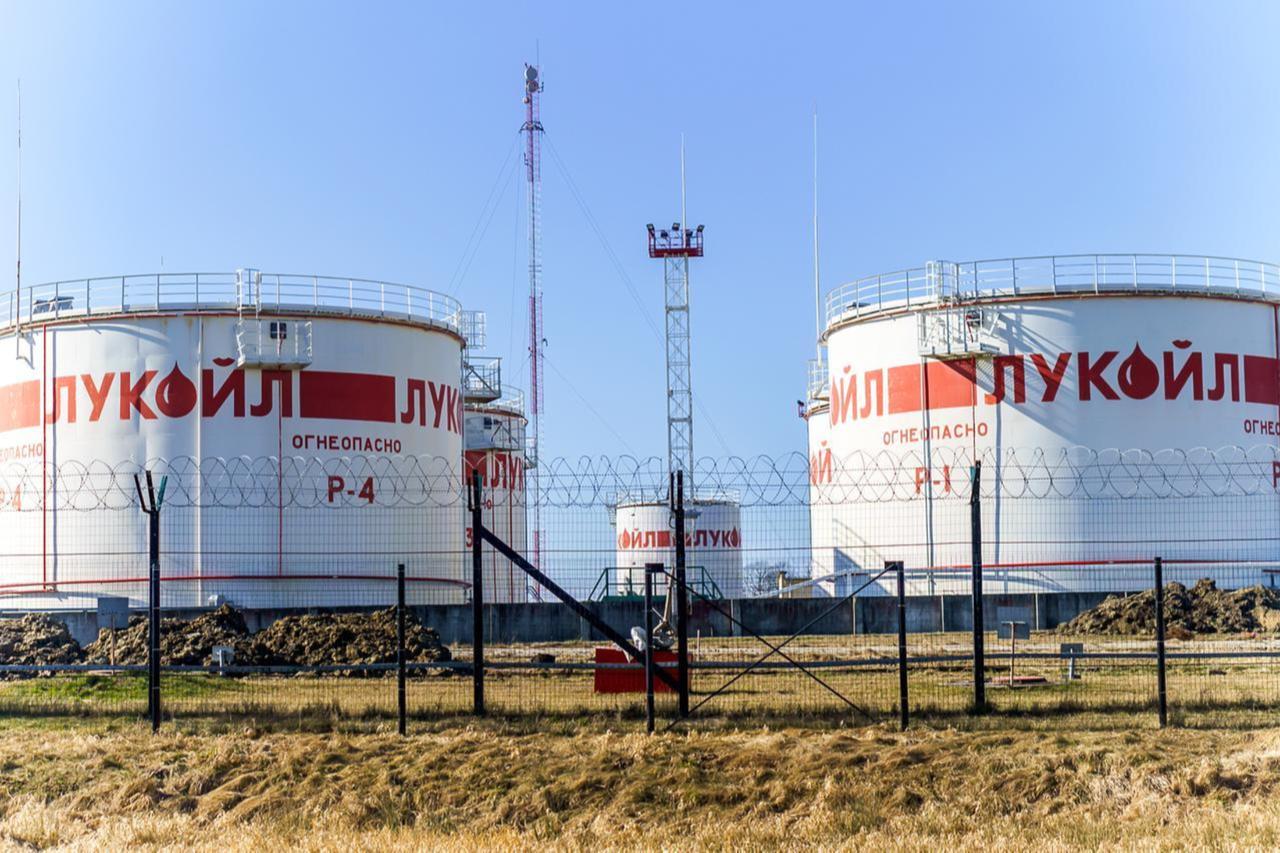


Russia is weighing a full ban on diesel exports as domestic fuel shortages spread across multiple regions, Deputy Prime Minister Alexander Novak said Tuesday at a government meeting chaired by President Vladimir Putin.
Novak acknowledged the situation on the domestic fuel market was "challenging but under control," and outlined a series of emergency measures aimed at shoring up supplies during peak summer demand. Russian oil companies have ramped up production and deliveries to the regions, and small and medium-sized refineries have been mobilized to increase motor fuel output.
"We are using reserves that were not previously utilized," Novak said, adding that the government has also prepared amendments to tax legislation to encourage additional supplies to the domestic market.
Over the past week, fuel sales restrictions have been imposed across a widening swath of Russian territory, including the Saratov, Tver, Omsk and Tatarstan regions, as well as Crimea, which Russia annexed in 2014. Moscow also imposed limits on fuel sales at Gazpromneft stations in Tyumen region and Lukoil stations in the Voronezh region.
Oil producer Tatneft separately introduced temporary caps on gasoline and diesel sales at its filling stations nationwide after Ukraine's Defense Forces claimed a June 12 drone strike targeted the TANECO refinery in Nizhnekamsk, Tatarstan, a facility belonging to the Tatneft group.
Ukraine's General Staff claimed earlier this month that its forces had struck 16 major Russian oil refineries and fuel terminals, taking more than 30% of the country's refining capacity offline. Russia has not confirmed those figures.
The reported disruptions come after Russia imposed a temporary ban on aviation fuel exports through Nov. 30, a measure introduced in early June to stabilize domestic supplies amid what officials described as heightened demand.
Russia has periodically restricted fuel exports during periods of domestic price pressure or supply strain, including a short-lived ban on gasoline and diesel exports in the autumn of 2023.
Diesel is a critical commodity for Russian agriculture, trucking and the military, making domestic supply stability a politically sensitive issue for the Kremlin. Export bans are typically deployed as a blunt instrument to redirect supplies inward when market conditions tighten.


 Set as preferred source
 Set as preferred source


 1 min read

 1 min read