Newsletters


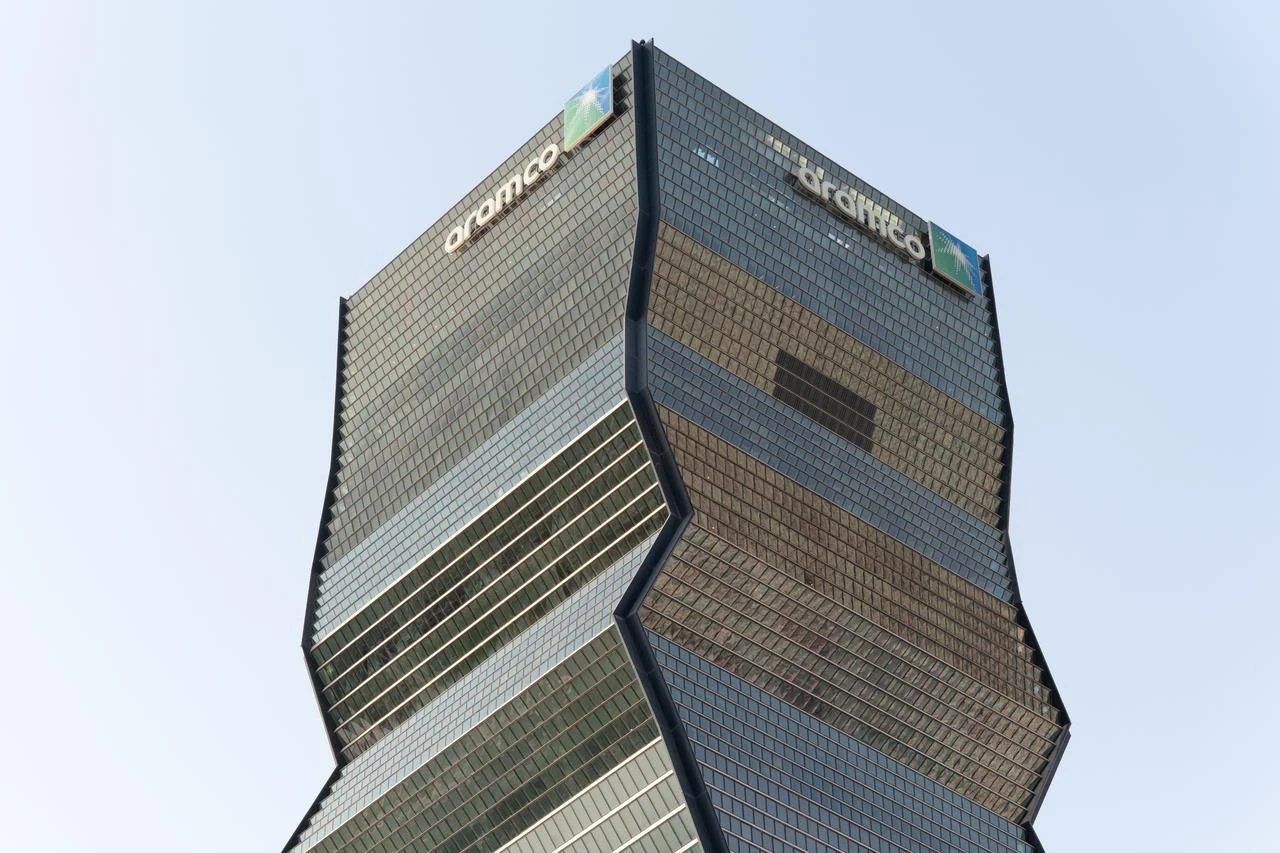


Saudi Aramco reported a 44% year-on-year rise in second-quarter profit on Tuesday as higher oil and gas prices, fueled by the Middle East war, boosted earnings, even as the company faced what it described as an "unprecedented disruption" to regional energy flows and attacks on some of its facilities.
The Saudi state-owned world's largest oil giant posted net income of 122.6 billion Saudi riyals ($32.7 billion) for the April-June period, up from 85 billion riyals a year earlier. Revenue and other income related to sales climbed to 521.8 billion riyals, while adjusted net income reached 125.2 billion riyals.
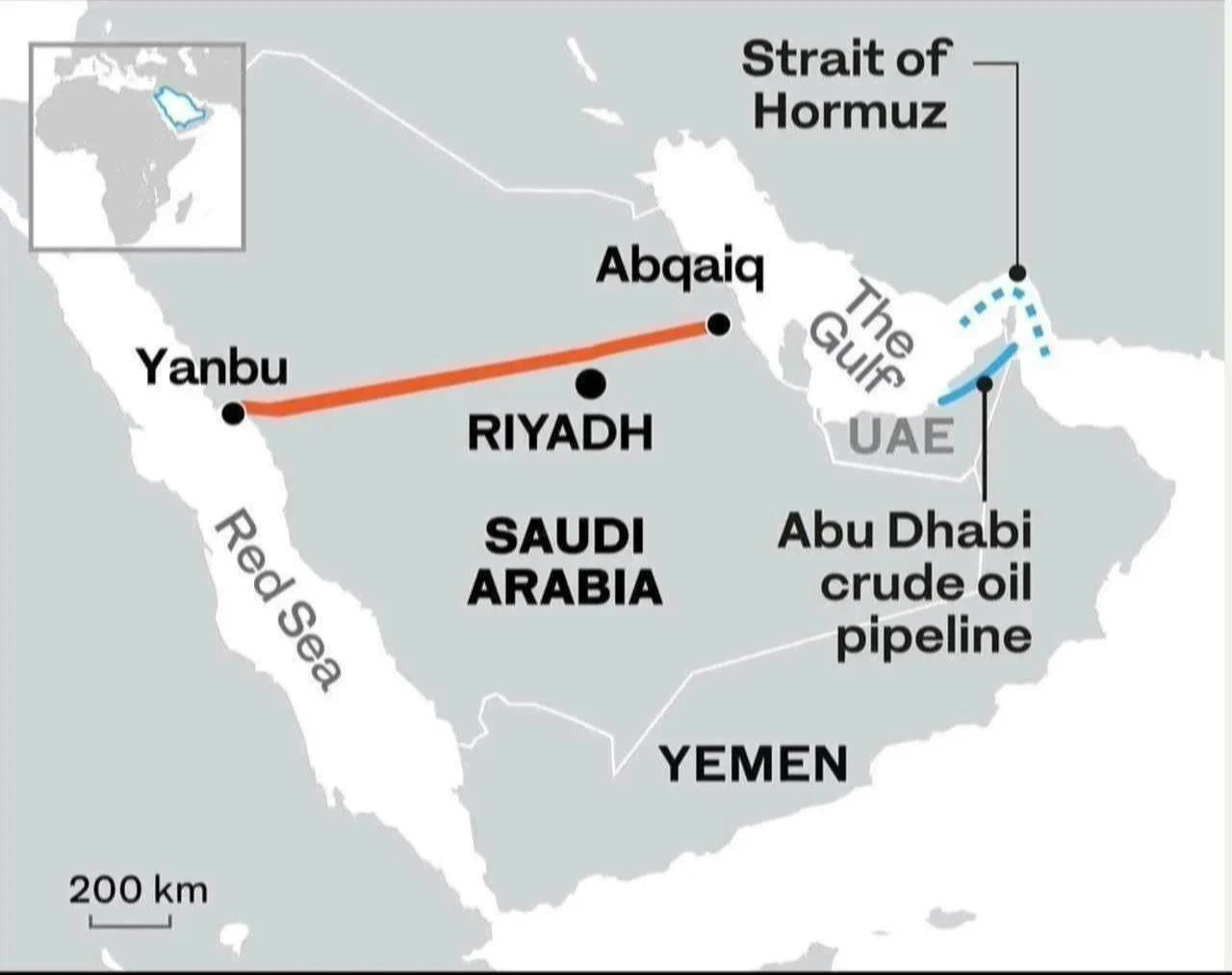
In a press release, Aramco credited its first-half performance to the resilience of its operations during the disruptions surrounding the Strait of Hormuz since the start of the Iran war. The company said it kept production and exports on track by relying on its East-West Pipeline, storage capacity and export terminals despite rapidly changing market conditions.
The East-West Pipeline, which stretches about 1,200 kilometers (750 miles) from Saudi Arabia's oil-producing Eastern Province to the Red Sea export terminal at Yanbu, has become the kingdom's main export route as shipping through the Strait of Hormuz remains heavily disrupted.
The system currently has a pumping capacity of about 7 million barrels per day (bpd), allowing crude exports to bypass the Gulf chokepoint.
The pipeline has also come under attack during the conflict. In April, Saudi Arabia said a strike on one of its pumping stations cut throughput by about 700,000 barrels per day, while simultaneous attacks reduced production at the Manifa and Khurais oil fields by roughly 300,000 barrels per day each.
The Energy Ministry later announced that the pipeline had returned to its full 7 million bpd capacity after emergency repair work.
Last month, Yemen's Iran-aligned Houthis claimed they had targeted crude oil supply and transport sites linking eastern Saudi Arabia to Yanbu after announcing a blockade of Saudi Arabia's oil industry in the Red Sea, raising fears that the conflict could spread beyond the Strait of Hormuz to a second major oil export route.

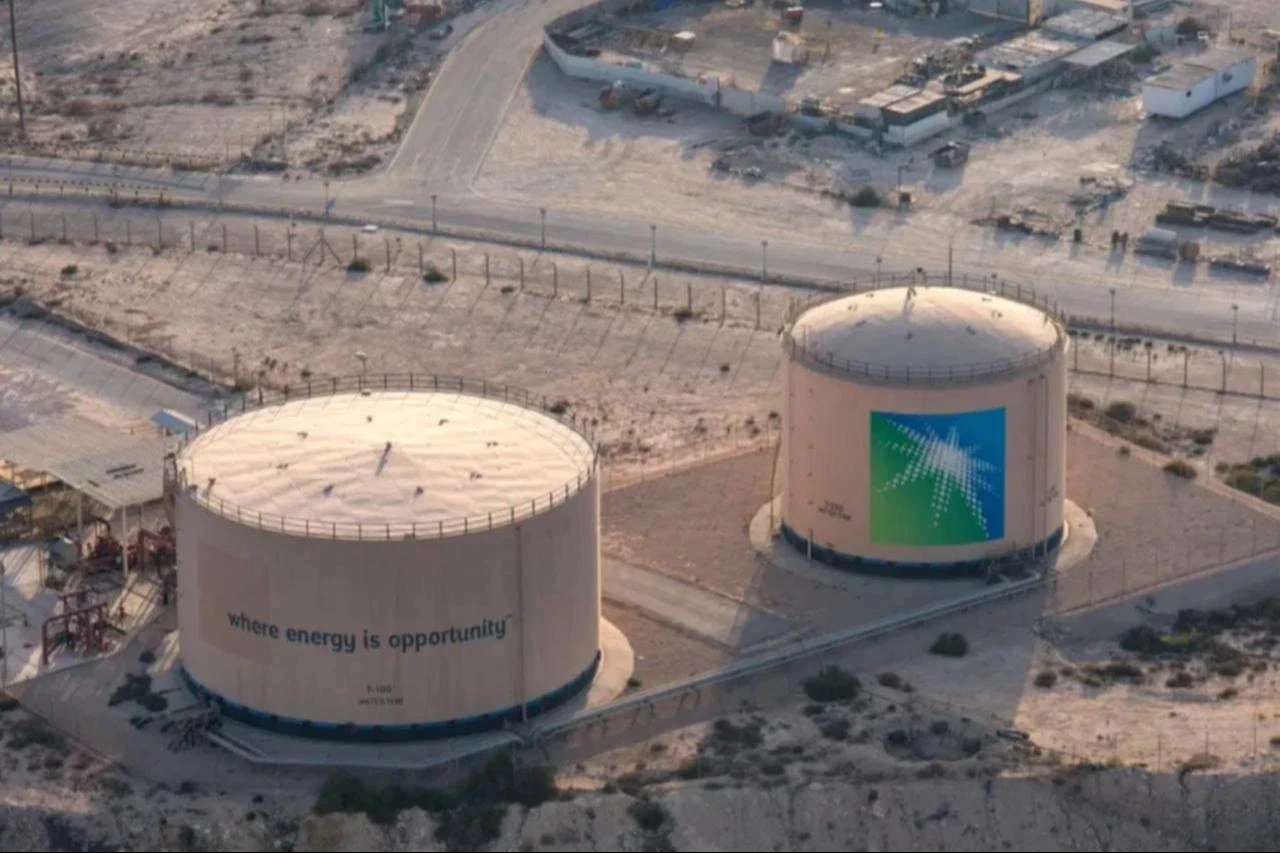
The company disclosed that some of its facilities and those of its affiliates in Saudi Arabia were targeted in attacks during the second quarter and again in July.
However, Aramco said the incidents had no material impact on its financial position, operating results or cash flow as of June 30, while assessments of any future effects remain ongoing.
Aramco said it maintained reliable crude oil and refined product supplies throughout the period by drawing on its integrated logistics network, international infrastructure and business continuity plans.
Supply reliability reached 98.4% in the second quarter as the company continued using the East-West Pipeline and expanded west coast export routes to keep oil flowing to global markets.
Aramco said construction of the Zuluf crude oil expansion remains on track for completion this year, while the Fadhili Gas Plant expansion and the second phase of the Jafurah gas development continue to progress toward expected completion in 2027.
"With geopolitical uncertainty and declining global inventories, the importance of both energy security and energy addition has never been clearer," President and CEO Amin H. Nasser said, commenting on the figures. "Even through periods of uncertainty, Aramco has stayed anchored to its long-term priorities."
Aramco's results add to a wave of stronger earnings across the global energy sector as oil and gas prices remain elevated after months of conflict in the Middle East.
British BP also reported a sharp increase in earnings on the same day, with second-quarter profit attributable to shareholders jumping 140% year-on-year to $3.9 billion from $1.6 billion.
Nevertheless, the company said the Middle East conflict weighed on operations, contributing to lower upstream production and refinery throughput during the quarter.
Earlier, Exxon Mobil's second-quarter profit jumped 115% year-on-year to $14.7 billion, while Chevron's earnings surged nearly 400% to $12.1 billion. Shell's adjusted earnings also more than doubled to $9.8 billion as higher crude prices and stronger refining margins lifted the sector.
Addressing the figures, U.S. President Donald Trump accused Exxon Mobil and Chevron of making "too much money" while American drivers face higher gasoline prices, urging oil companies to lower prices at the pump and warning that consumers should share in the benefits of the industry's windfall gains.


 Set as preferred source
 Set as preferred source


 1 min read
 1 min read