Newsletters


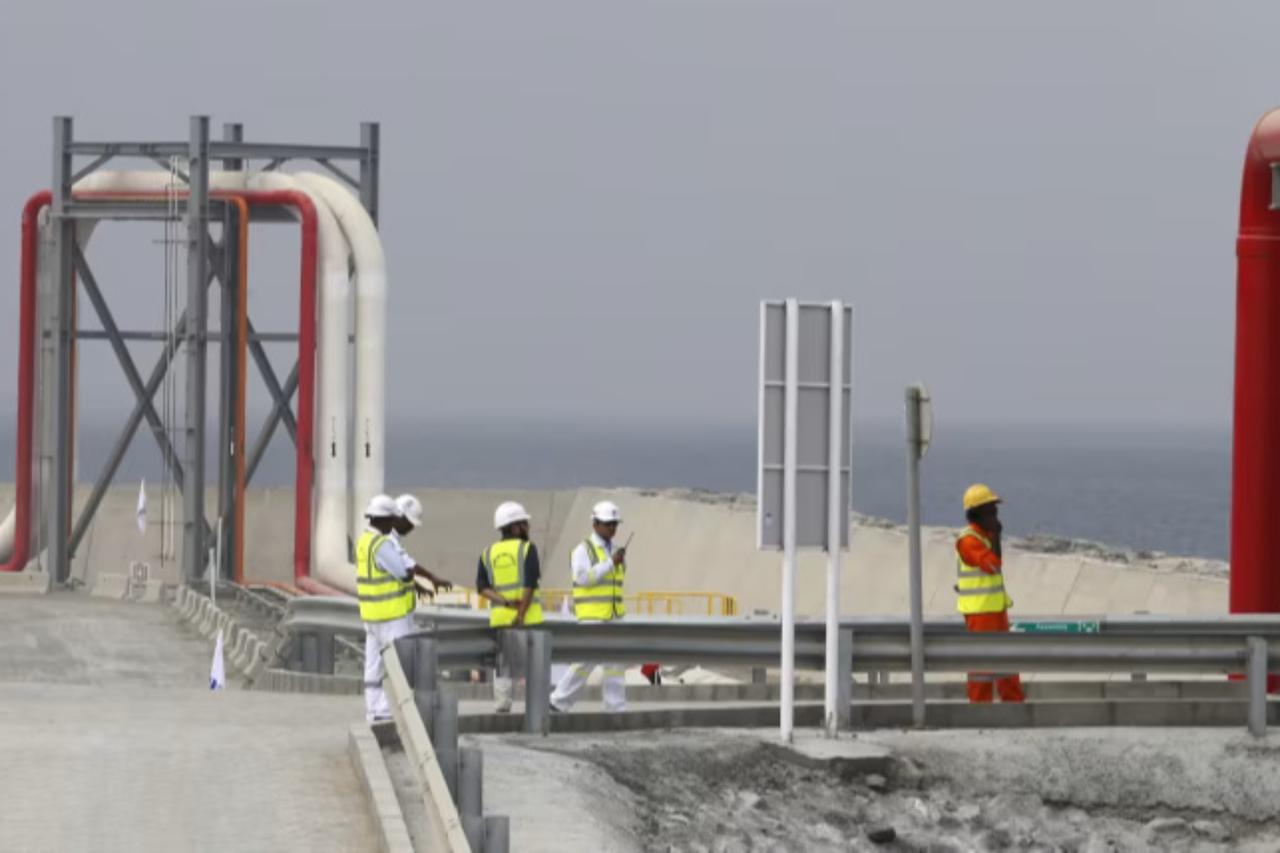


Saudi Arabia’s Energy Ministry said Sunday that its key east-west oil pipeline and other energy facilities have been restored following Iranian attacks on targets across the Gulf.
State news agency SPA, citing an Energy Ministry statement, said the damaged facilities had recovered and resumed operations.
“Energy facilities and the east-west pipeline damaged by attacks have recovered and regained their operational capacity, enhancing the reliability of supplies,” the ministry said.
Saudi Arabia said operational and technical work had restored full pumping capacity through the east-west pipeline to around 7 million barrels per day.
The ministry said the attacks had previously caused the loss of approximately 700,000 barrels per day in pumping capacity.

The ministry said Iran’s attacks also disrupted output at Saudi Arabia’s Manifa oil field, where production has now been restored.
It added that work is still underway to restore full production capacity at the Khurais oil field.
On Friday, Riyadh confirmed that the weeks-long Iranian attacks had impacted oil production capacity and killed one person.
Three people in total have been killed in Saudi Arabia since the start of the war.
Before the start of Tuesday of a fragile two-week truce between Iran and the United States, Tehran had targeted critical energy infrastructure across Gulf states.
Iran accused Gulf countries of allowing U.S. forces to launch attacks from their territory during the war triggered by U.S.-Israeli strikes on Iran on Feb. 28.
The Gulf states have strongly denied the accusations.
An Energy Ministry official said one pumping station on the vital east-west pipeline was struck during the attacks.
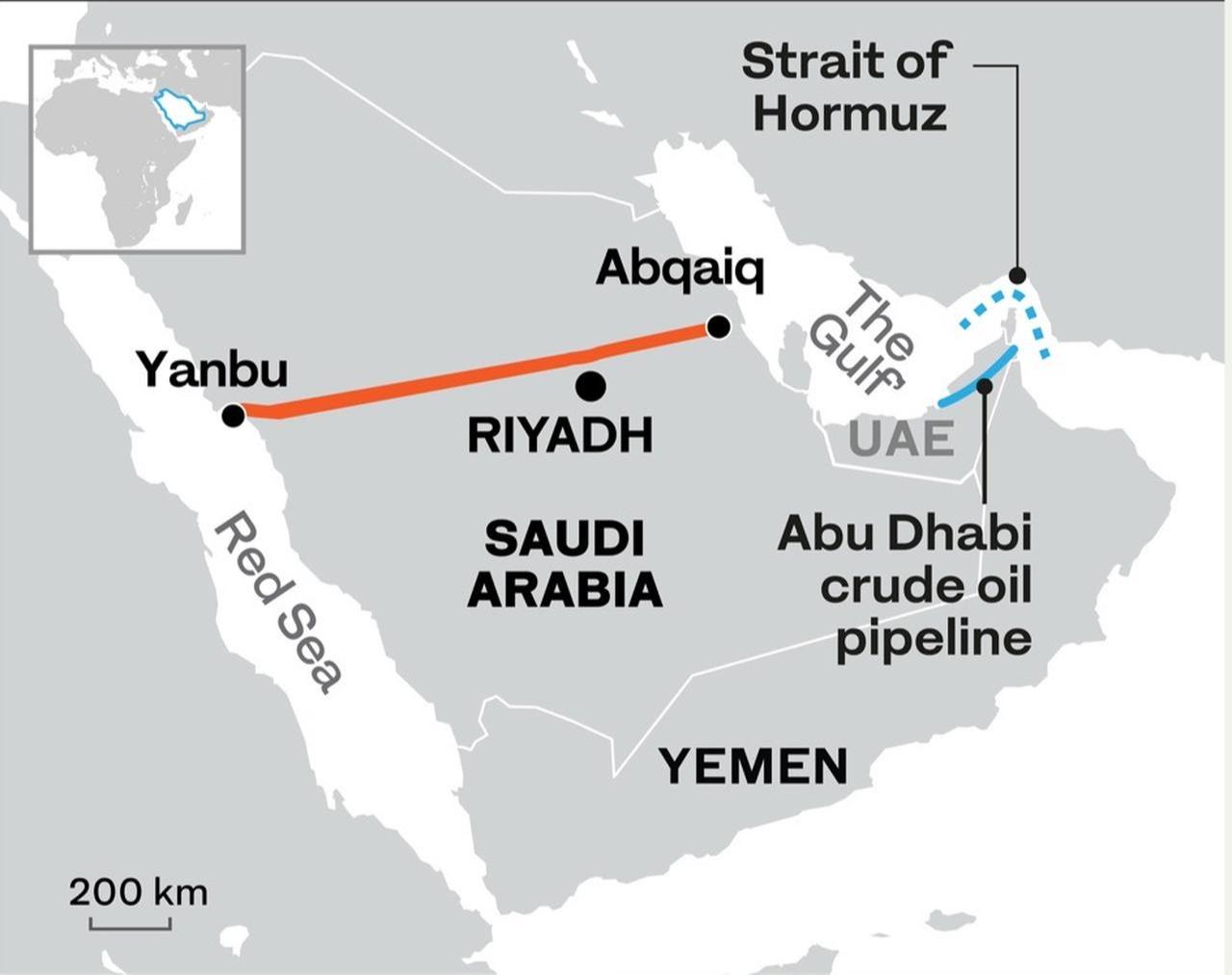
Saudi Arabia’s Petroline, a 750-mile pipeline network linking the Gulf in the east to the Red Sea in the west, became a critical alternative export route during the conflict as Iran effectively closed the Strait of Hormuz.
The ministry said Iranian attacks targeted facilities in Riyadh, the Eastern Province, and the industrial city of Yanbu.
The strikes also hit infrastructure linked to oil and gas production, transport, and refining, as well as petrochemical plants and power facilities, it said.


 Set as preferred source
 Set as preferred source


 3 min read