Newsletters


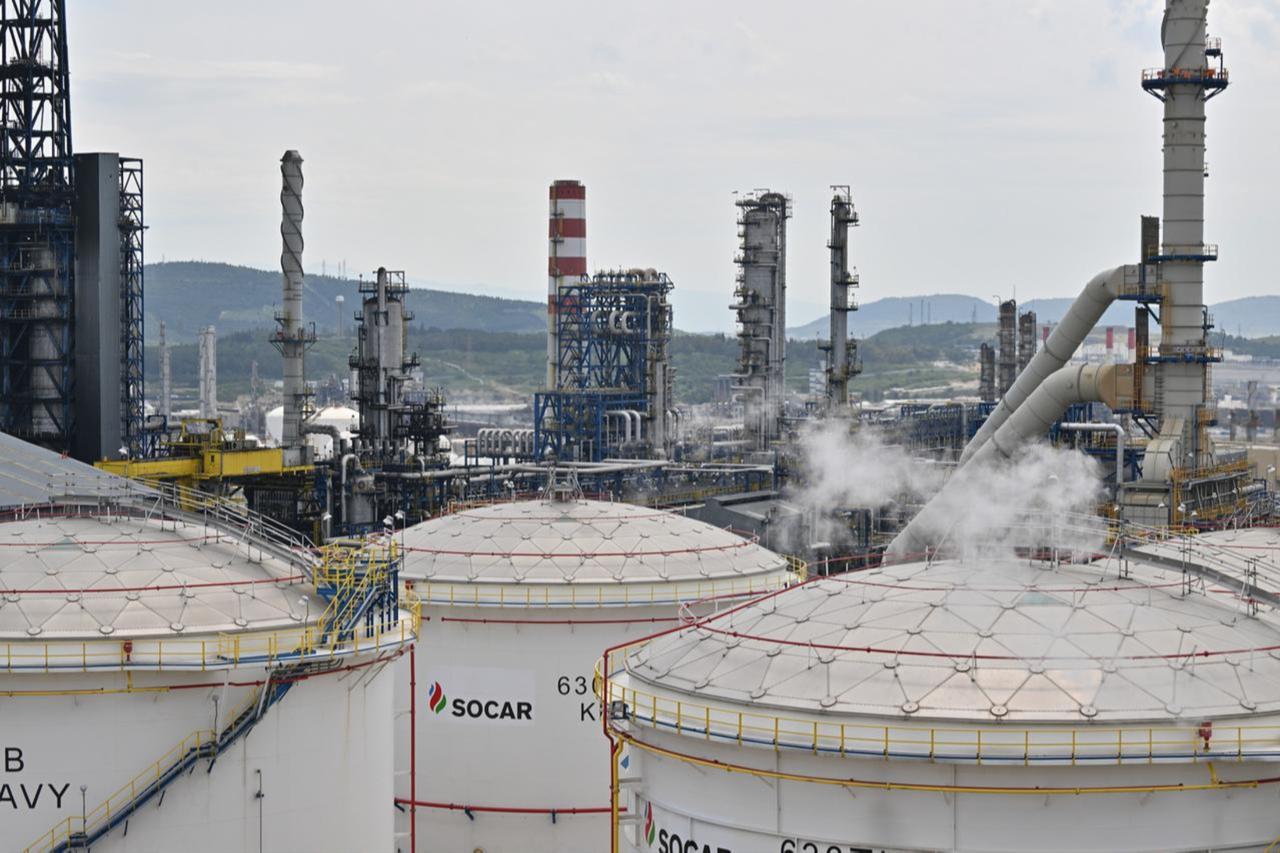


Azerbaijani state energy company SOCAR unveiled plans to invest approximately ₺6 billion ($120 million) in a new production unit at its STAR refinery in Türkiye, aiming to increase annual diesel output by 600,000 tons while maintaining flexibility in jet fuel production.
SOCAR Türkiye has signed an engineering, procurement and construction (EPC) agreement with a consortium of international companies. Construction work is due to begin in the coming days, while the new facility is scheduled to enter service in the first quarter of 2029.
The new Jet Fuel (Kero-Merox) unit will take over jet fuel production, freeing up the existing KHT unit to produce diesel. The KHT unit will also retain the flexibility to switch back to jet fuel production depending on market conditions.
Kenan Mirzayev, head of SOCAR Türkiye's Refining and Petrochemical Business Unit and CEO of Petkim Petrokimya Holding, describes the project as an investment aimed at increasing production flexibility and energy efficiency.
"With our investment, we aim to contribute to reducing Türkiye's dependence on diesel imports and its current account deficit," Mirzayev said. He added that SOCAR's total investments in Türkiye will reach $20 billion following the project.
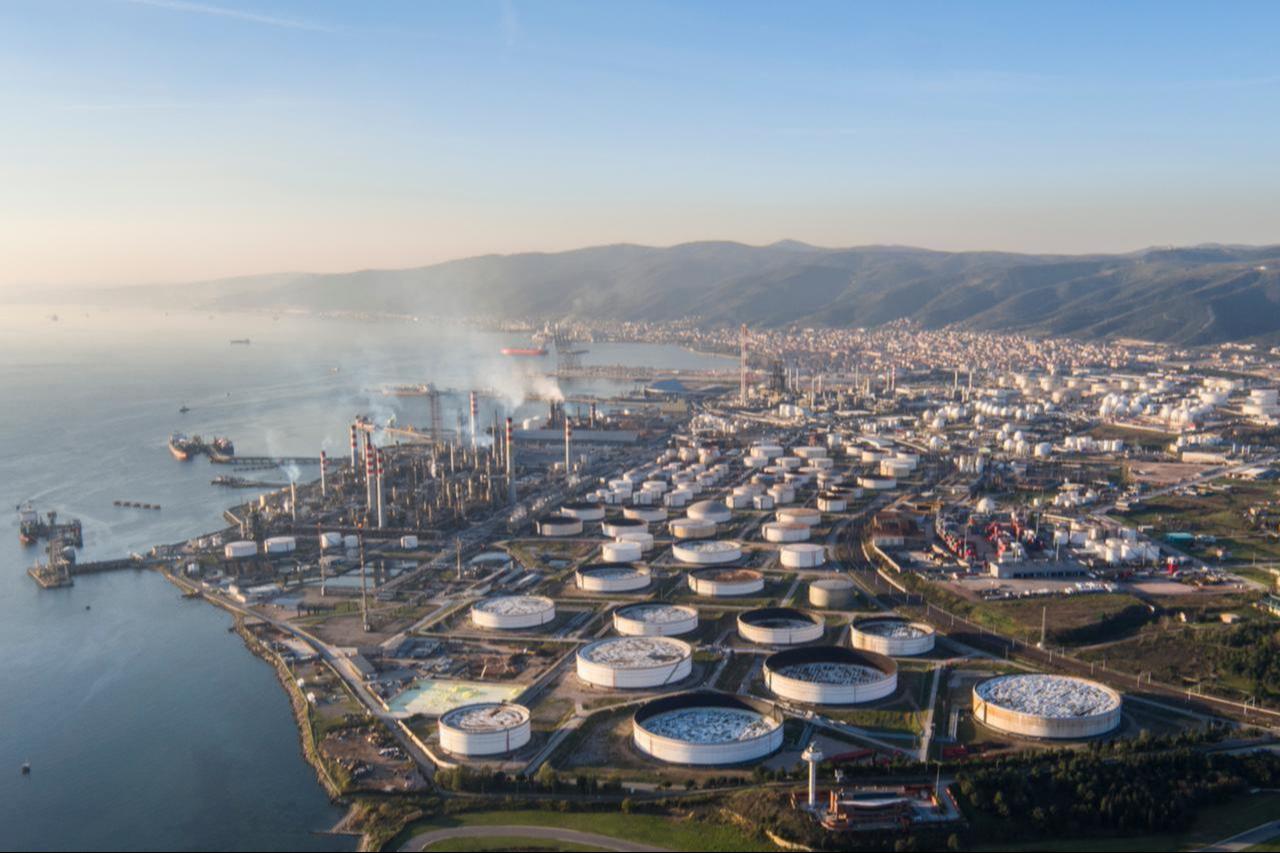

Originally designed to process 10 million tonnes of crude oil annually, STAR has since increased its capacity to 13 million tons, making it Türkiye's largest standalone oil refinery.
The refinery also ramped up diesel production by 31% to 6.8 million tonnes in 2025, according to data from Türkiye's Energy Market Regulatory Authority (EPDK).
Nationwide, diesel production increased 7.4% to 16.9 million tons in 2025, while imports slipped 0.2% to 13.6 million tons.
STAR's planned additional annual diesel capacity of 600,000 tons would be equivalent to around 4.4% of Türkiye's annual diesel imports.
SOCAR pursues its broader investment plans with an approximately $7 billion investment in the construction of STAR, which began operations in October 2018.
Initially configured to process crude grades such as Azeri Light, Kirkuk, and Urals, the refinery can now handle more than 20 types of crude oil, although heavier grades remain the best fit for its operations.


 Set as preferred source
 Set as preferred source


 1 min read

 1 min read