Newsletters


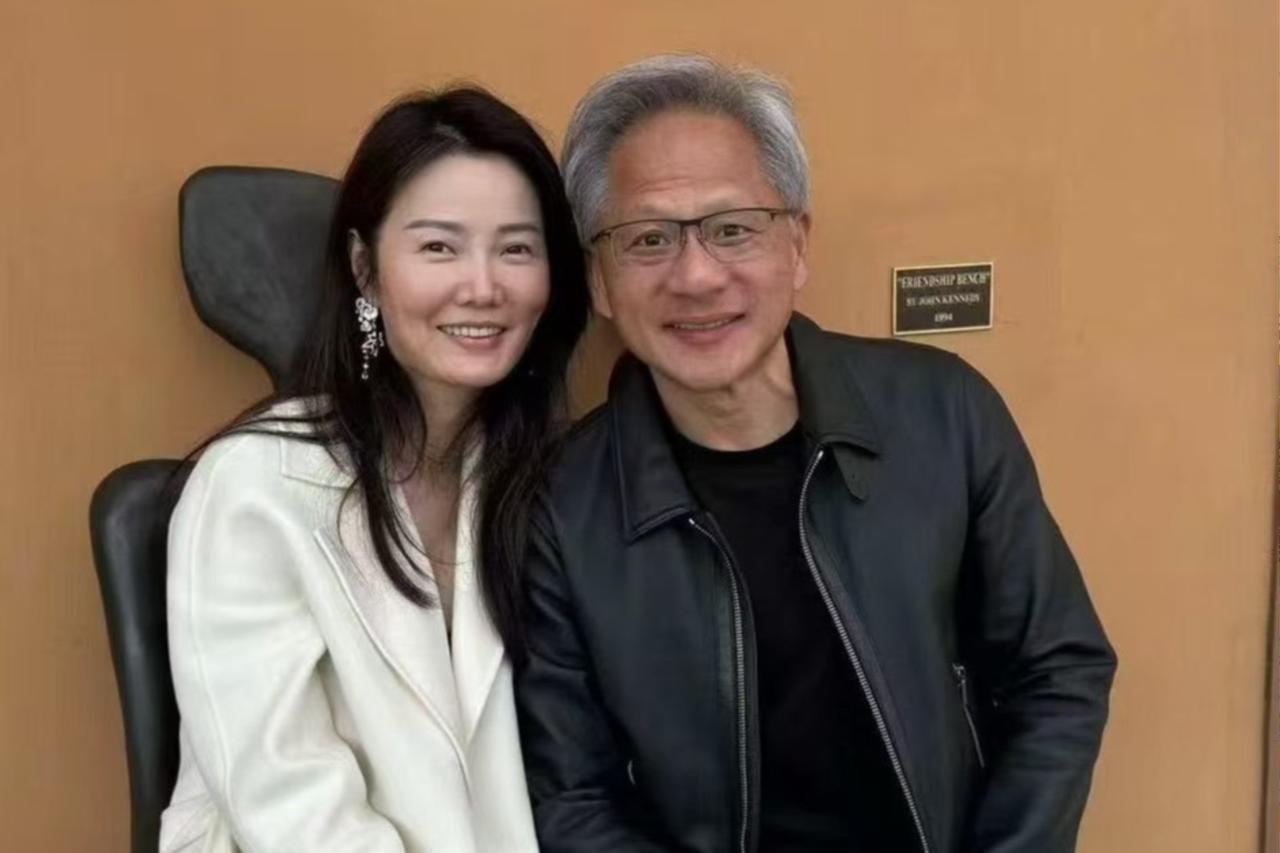


U.S. President Donald Trump said Monday that the FBI is investigating Nvidia CEO Jensen Huang over his alleged affair with a Chinese businesswoman suspected of working for Beijing, while publicly backing the technology executive and expressing confidence in his account.
Speaking to reporters at the White House, Trump confirmed that he had personally questioned Huang about whether he knew the woman was allegedly involved in Chinese intelligence operations.
"I asked him that question. Did you have any idea that she was a spy? He said I had no idea that she was a spy and I really believe him," Trump told reporters.
The president also voiced surprise over the allegations, citing his longstanding relationship with the Nvidia chief.
"When I heard about it, first of all, I was amazed because I view him as a very high-quality person. I've known him a long time," Trump said. "I know the FBI is looking into (Huang), and I think that he'll be in good shape."
The controversy centered on Alice Huang, an unrelated former executive of a Singapore-based Nvidia client who U.S. authorities reportedly concluded was a Chinese intelligence asset.
The New York Times had previously reported that the businesswoman had worked for Chinese intelligence and was believed by U.S. intelligence officials to have shared information with Beijing.
Huang acknowledged the affair in a memo released earlier that week, pledging to cooperate with any investigation into the matter.
Nvidia's board launched an internal investigation to examine the allegations and determine whether the CEO's relationship had exposed the company or U.S. national security to any risks.
However, the board said it had found no reason to believe that U.S. national security or Nvidia's confidential corporate information had been compromised.
The announcement weighed on the company's shares, which fell over 4.3% on Monday.
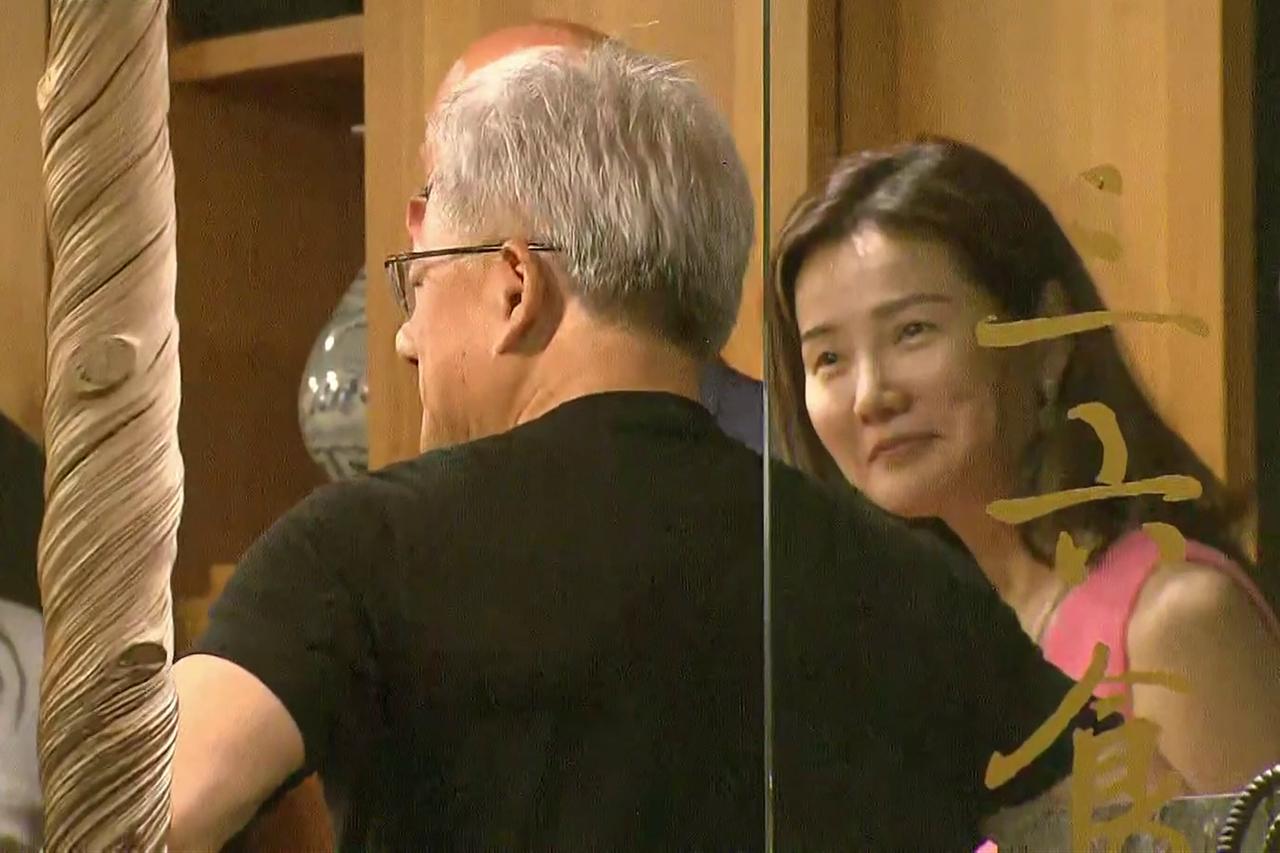

Beijing rejected the accusations on Monday, with Foreign Ministry spokesperson Guo Jiakun describing the claims as unsubstantiated and an attempt to smear China.
The government also denied allegations that Chinese intelligence had sought to target Nvidia's chief executive through his personal relationship with the businesswoman.
The controversy comes as Washington and Beijing remain locked in a technology rivalry, with advanced semiconductors at the center of their efforts to gain an advantage in artificial intelligence.
Since 2022, the United States has imposed sweeping export restrictions on advanced chips and semiconductor technology to limit China's access to computing power that could support its military and AI development.
Huang has repeatedly urged Washington to ease those restrictions, arguing that cutting China off from American technology could push Chinese companies toward domestic chipmakers and weaken Nvidia's position in one of the world's largest technology markets.
His lobbying has produced some results under Trump. The administration approved Nvidia's H200 chip sales to China in January 2026, although the model is not the company's most advanced offering.
Actual sales have remained limited, with Nvidia reporting in August that it had shipped only small quantities as Chinese government restrictions also constrained purchases.


 Set as preferred source
 Set as preferred source


 7 min read