Newsletters


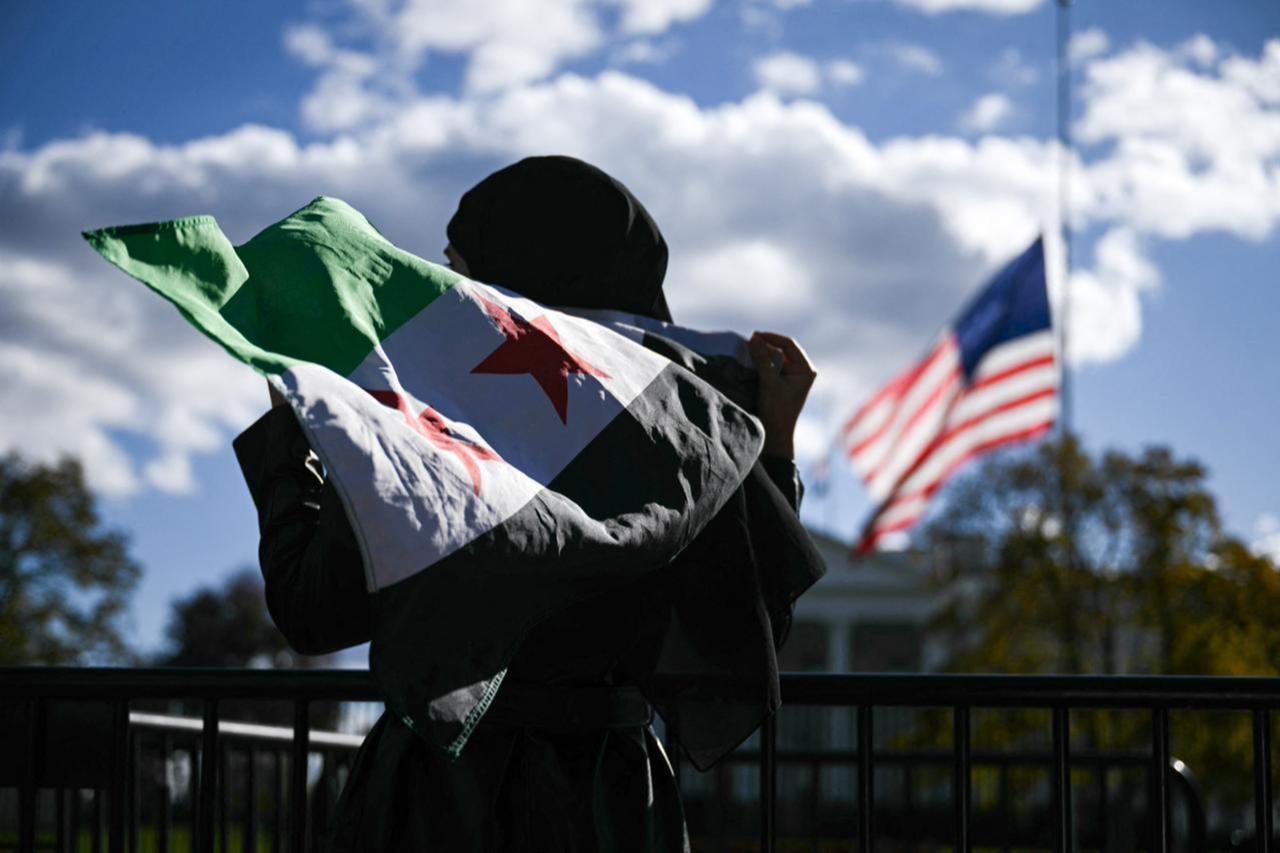


The venue was a D.C. conference hall—an inconceivable site for the men tasked with powering a new Syria. Outside, the Middle East was being redrawn in fire: the Gulf was ablaze, and Iran sat squarely in the crosshairs of a U.S.-Israeli offensive. Inside, however, the talk was of pipelines, power grids and the price of stability.
With the geopolitical storm redirected elsewhere, Syrian officials began initiating the granular work of long-term development. The dialogue moved from temporary fixes to permanent solutions.
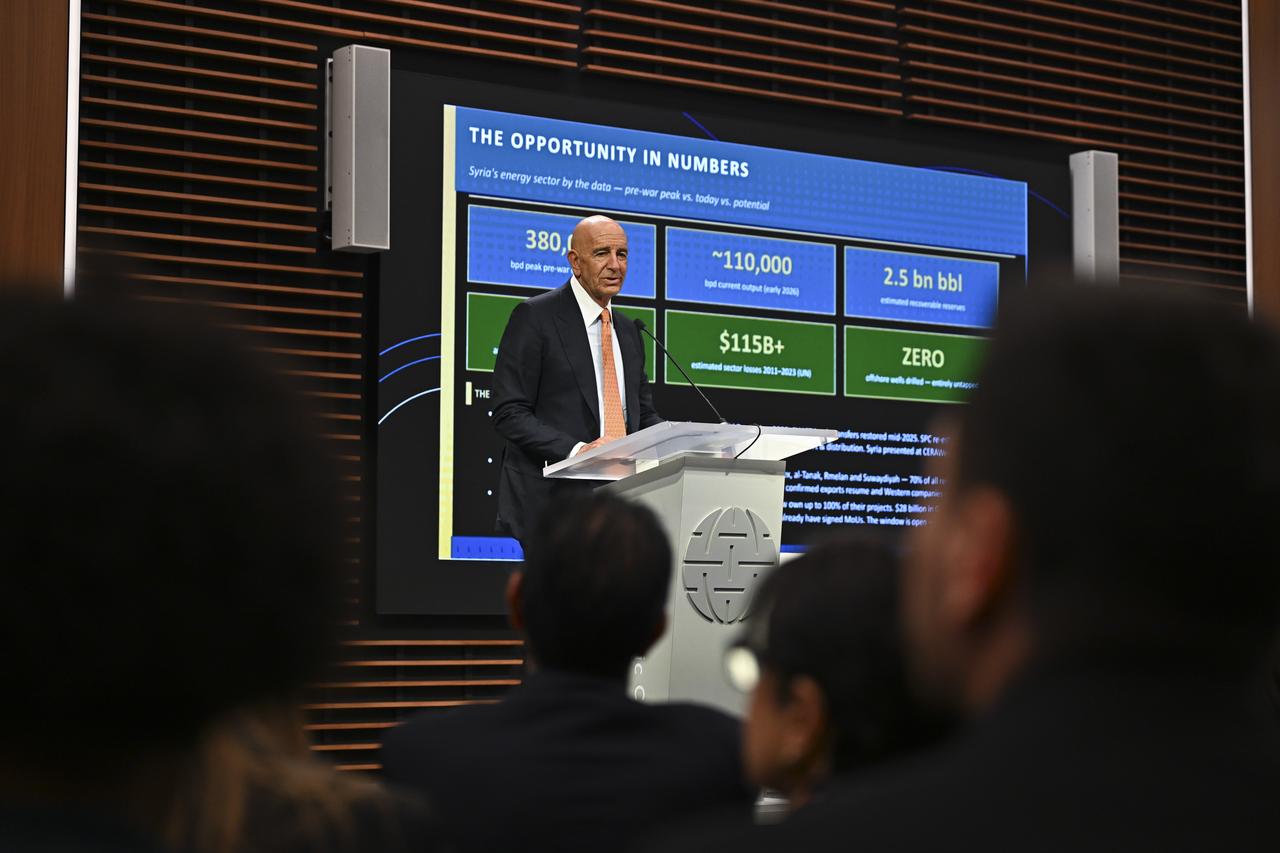
“Pipelines have never worked in the Middle East,” U.S. envoy Thomas Barrack said during a conference hosted by the Syrian American Business Council on Thursday, citing persistent security interruptions, chronic underinvestment and sabotage. His main target was to promote U.S. energy supplies, which are seaway-dependent, as the safest way to reach the energy.
The ambassador has a standing reputation for coloring outside the lines of traditional diplomacy. Still, sitting in that room, it was clear his vision for Syria’s energy potential was also different from that of others. He used hard numbers to draw an honest picture, pointedly bringing home lessons from past mistakes, true to his usual style.
Even as wealthy Gulf states remain preoccupied with war-related risks, policymakers and executives gathered in Washington for a markedly optimistic discussion on Syria's energy future.
With disruptions in the Strait of Hormuz and the Red Sea intensifying amid the ongoing Iran conflict, maritime routes, which have long been considered the backbone of global energy trade, are facing similar instability.
As Russia’s war with Ukraine transforms the international energy landscape, the U.S. envoy was, in a sense, explaining the necessary shifts in the Middle East and Syria's evolving role within them.

Hunter Hunt, chief executive of Hunt Energy, a U.S. firm active in northeast Syria, described the country as being at the beginning of the investment cycle, and noted that Syrian counterparts feel less transactional and more willing to engage on a long-term basis.
Washington's growing interest comes at a time when shipping data indicates that Moscow continues to insert itself as a crude supplier to Damascus, seeking to retain influence over Syria's energy system.
Against that backdrop, the U.S. is tightening the screws on its Syria policy, pivoting from vague diplomatic support toward a more structured, commercially-driven engagement.
On paper, Syria’s energy sector presents a compelling recovery story. Before the war, the country produced around 380,000 barrels per day (bpd). By early 2026, output had fallen to roughly 110,000 bpd.
Youssef Qiblawy, chief executive of the Syrian Petroleum Company, who appeared alongside Barrack at the panel, said the country is preparing to double that figure within the year as political integration progresses.
Following a ceasefire arrangement in early 2026, the Syrian government regained control over fields representing roughly 70% of national reserves, including al-Omar and the Conoco gas complex. Estimated recoverable reserves stand at approximately 2.5 billion barrels, with potential annual revenues of $4.6 to $6.1 billion if production is restored.
This consolidation has triggered renewed external interest. US firms, including Chevron and ConocoPhillips have signed preliminary agreements, while Gulf and regional players have moved more rapidly into technical and service roles.
Foreign investment rules have been liberalized to allow up to 100% ownership, and sanctions relief, particularly the repeal of the Caesar Act, has reopened financial channels, including access to SWIFT after 15 years.
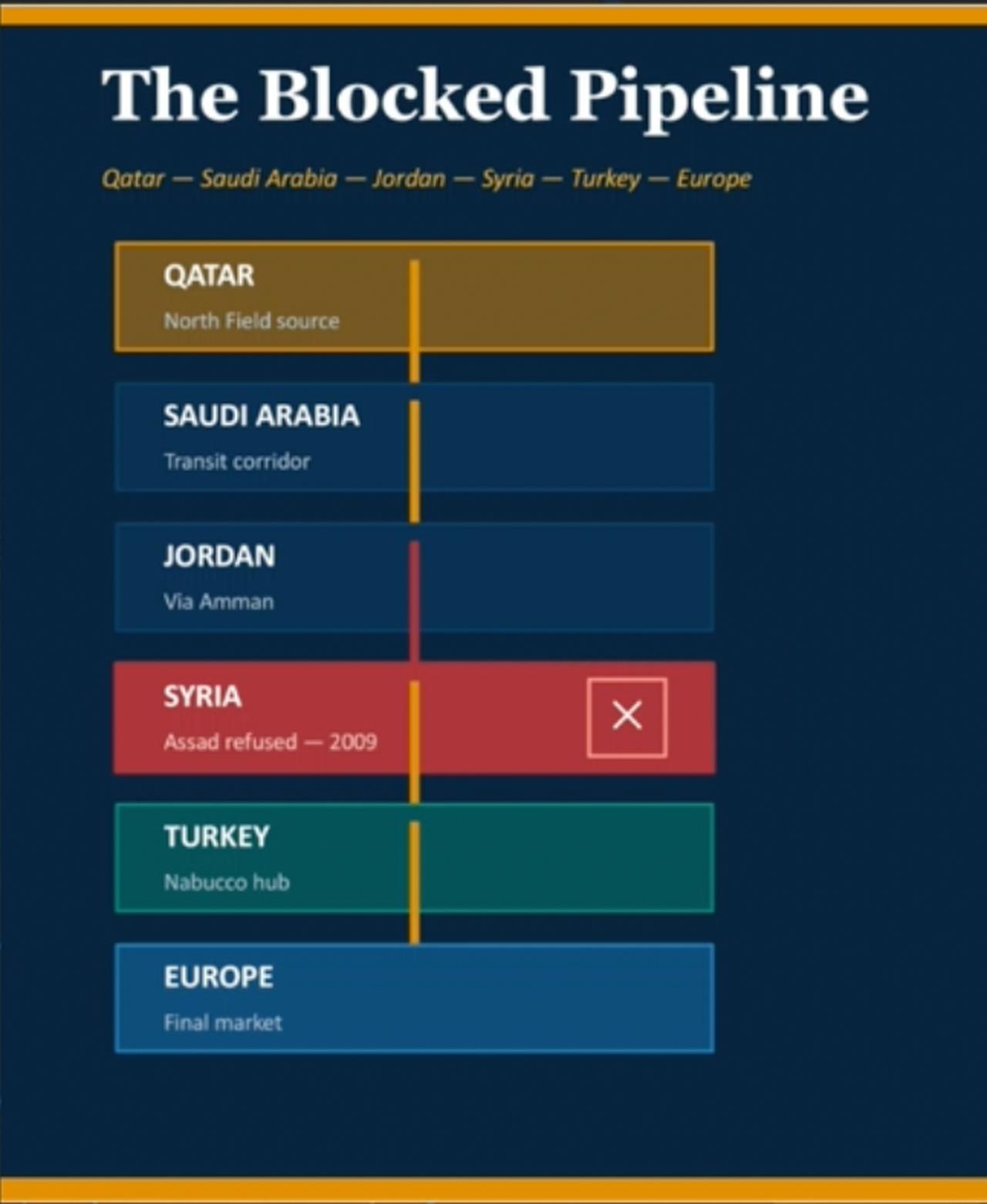
The calculation concept of energy has changed in recent years. As Barrack framed it, the industry’s priority has shifted “from distribution to security.”
There is a substantial U.S. push for liquefied natural gas (LNG) across continents, and LNG has become the preferred option over pipelines as transit fees, WTO provisions, political risk, and security concerns make pipeline economics increasingly difficult to justify against spot LNG alternatives.
Yet when maritime routes are themselves under pressure, overland corridors through Syria offer what ambassador Barrack implicitly presented as a back-door alternative, though not a replacement for LNG, but a complementary option.
His critique of pipelines was aimed at the old, neglected, and politically compromised infrastructure of the past. What he proposes instead is a new, internationally framed energy corridor built under conditions of lifted sanctions, a stabilizing financial system, and structured cooperation with Türkiye.
Syria's geography is central to this logic at least conceptually. Positioned between the Gulf, the Mediterranean, Türkiye, and Iraq, the country has long been viewed as a potential transit hub.
The revival of ideas such as the "Four Seas" framework, linking multiple basins through Syrian territory, reflects this enduring strategic appeal.
Within the broader U.S. strategy, connecting Syria to such corridors and routing supply toward Europe forms part of a coherent if still aspirational design.
Private sector actors are responding accordingly. "A lot of times, people make the mistake of looking at the past," Hunt said. "You should not look backwards when you are looking at forward investment. In Syria, we like what we see on a forward-looking basis."
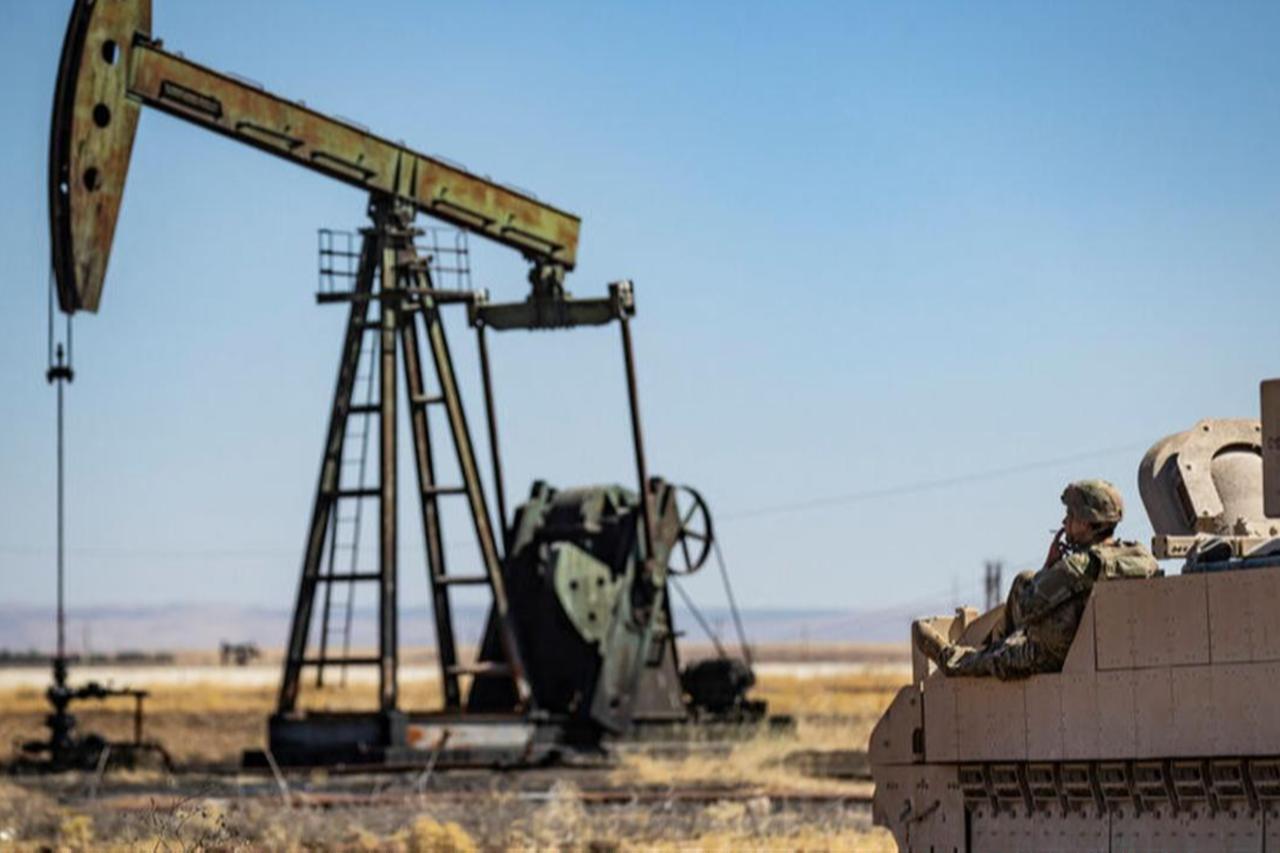
Beneath the headline figures, Syria’s energy infrastructure presents a far more constrained reality with so much way to go. Al-Tanak, once producing 40,000 bpd, now yields around 1,000. The Conoco gas complex, previously the country’s largest, remains offline. Refining capacity at Homs and Baniyas has fallen from a combined 250,000 bpd to roughly 50,000.
Pipeline infrastructure is particularly problematic. Large sections of the network have suffered from corrosion, theft, and war damage. With only around 37% of the national grid functioning, electricity shortages compound these challenges.
Field rehabilitation is therefore not simply a matter of restoring wells, but of rebuilding interconnected systems that enable sustained production.
In the optimistic plan, initial gains in 2026 are expected to come from low-cost interventions such as well workovers for Syria and its investors.
More substantial increases depend on capital-intensive upgrades extending into 2027–2028 and beyond, aiming to generate substantial revenue for the country.
The three-phase rehabilitation plan seen in Tom Barrack’s presentation aims to restore Syria to its pre-war production capacity and enable it to acquire advanced capabilities, such as offshore exploration, within only three years.
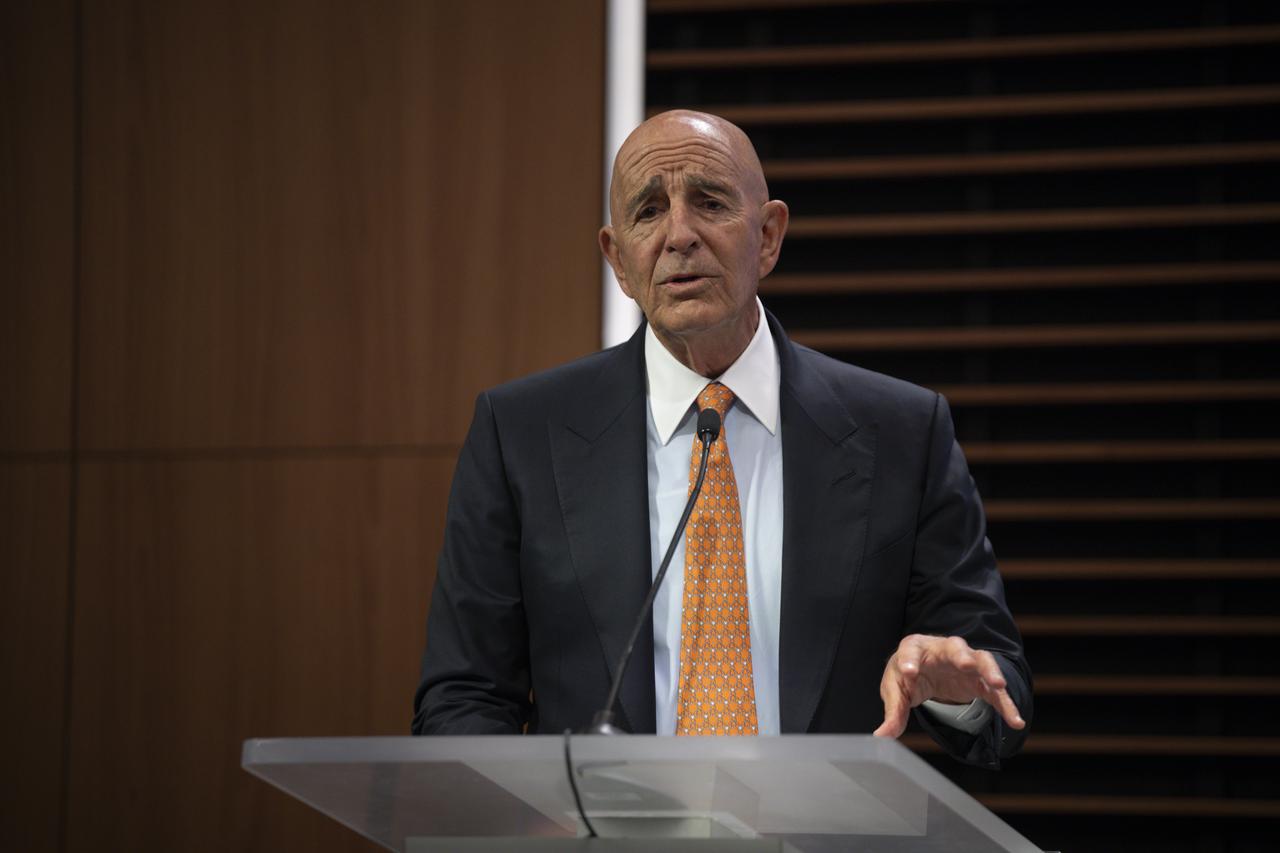
Barrack’s remarks explicitly referenced lessons from Iraq, particularly the decision to dismantle state institutions after 2003. In Syria, the current leadership has taken a different approach, retaining elements of the existing bureaucracy while attempting to rebuild governance structures incrementally.
Security risks, however, still persist. While central control over major fields has improved, threats from state and non-state actors like remnants of Daesh remain.
These dynamics reinforce the historical pattern Barrack alluded to: infrastructure projects in the region are often conceived under conditions that do not persist long enough for them to be fully realized. Data suggesting that Middle Eastern pipelines have operated at only around one-third of their potential lifespan underscores the scale of this challenge.
The current American view on Syria foresees that a stabilized Syria could provide an alternative corridor for energy flows, reduce reliance on contested maritime routes, and anchor a new phase of regional integration. For U.S. companies, early entry offers the prospect of shaping a largely reset sector, from upstream production to digital infrastructure.
Yet the feasibility of this vision depends on variables that remain outside Washington’s direct control. Stability and financing are such variables. While external capital, particularly from Gulf states, will be decisive, prolonged regional instability could redirect those resources toward domestic priorities.
For now, the U.S. approach appears to rest on a combination of political stabilization, regulatory reform, and early investment that can overcome the structural weaknesses of Syria’s energy sector.
Whether that bet holds will depend less on the considerable scale of opportunity than on the persistence of the conditions required to realize it.


 Set as preferred source
 Set as preferred source


 1 min read
 1 min read