

 Newsletters




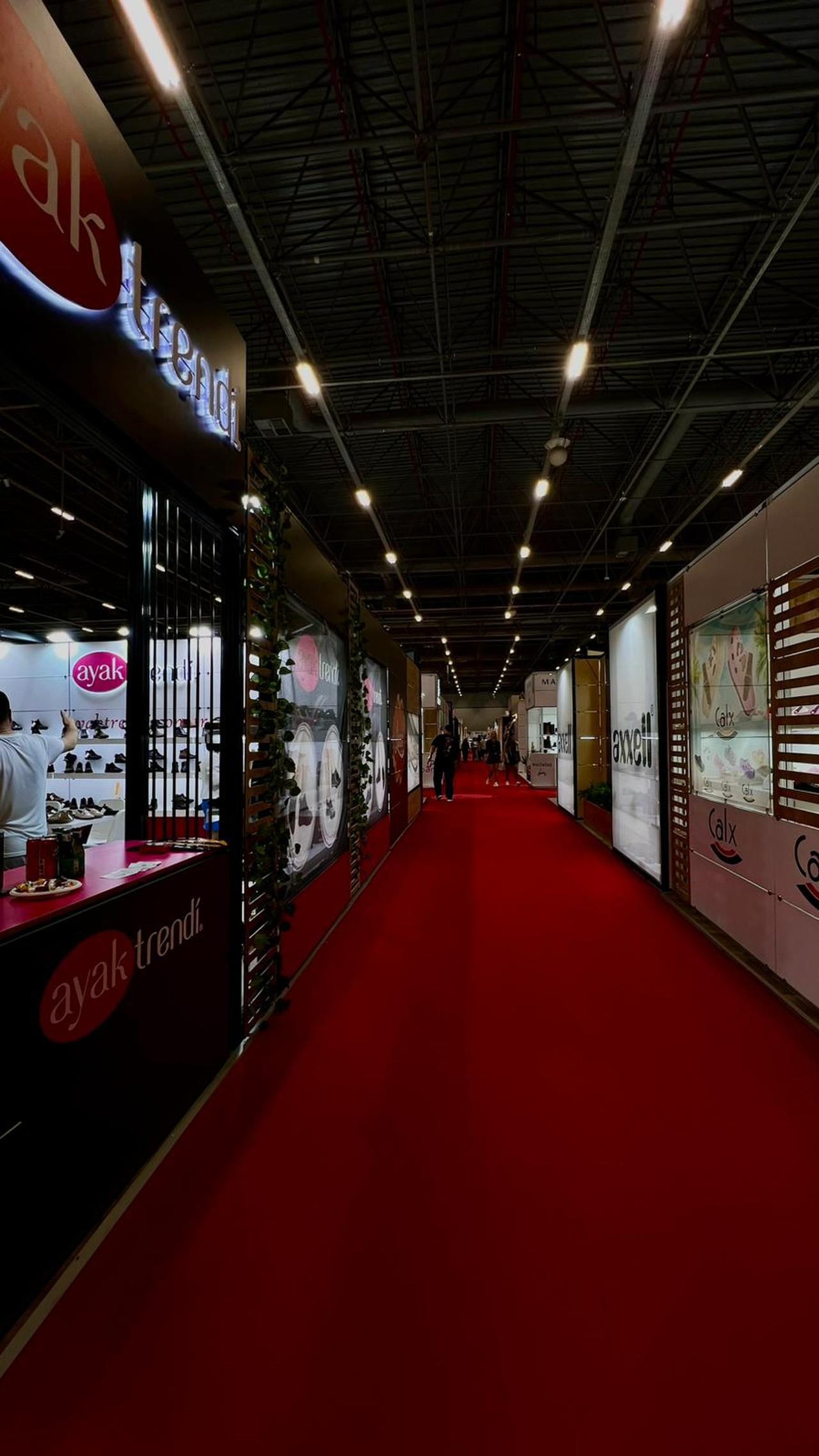
Rows of shoe booths stretch across the floor in neat squares inside the Istanbul Expo Center. From a distance, the arrangement resembles a maze.
Walking through the hall feels cinematic, like wandering the corridors of "Inception." Except here, the walls are made of shoes.
A red carpet winds through narrow aisles between leather boots, suede loafers, and polished formal shoes. Soft lights glint off the leather as visitors move slowly, examining stitching and soles, but this year, something hits differently.
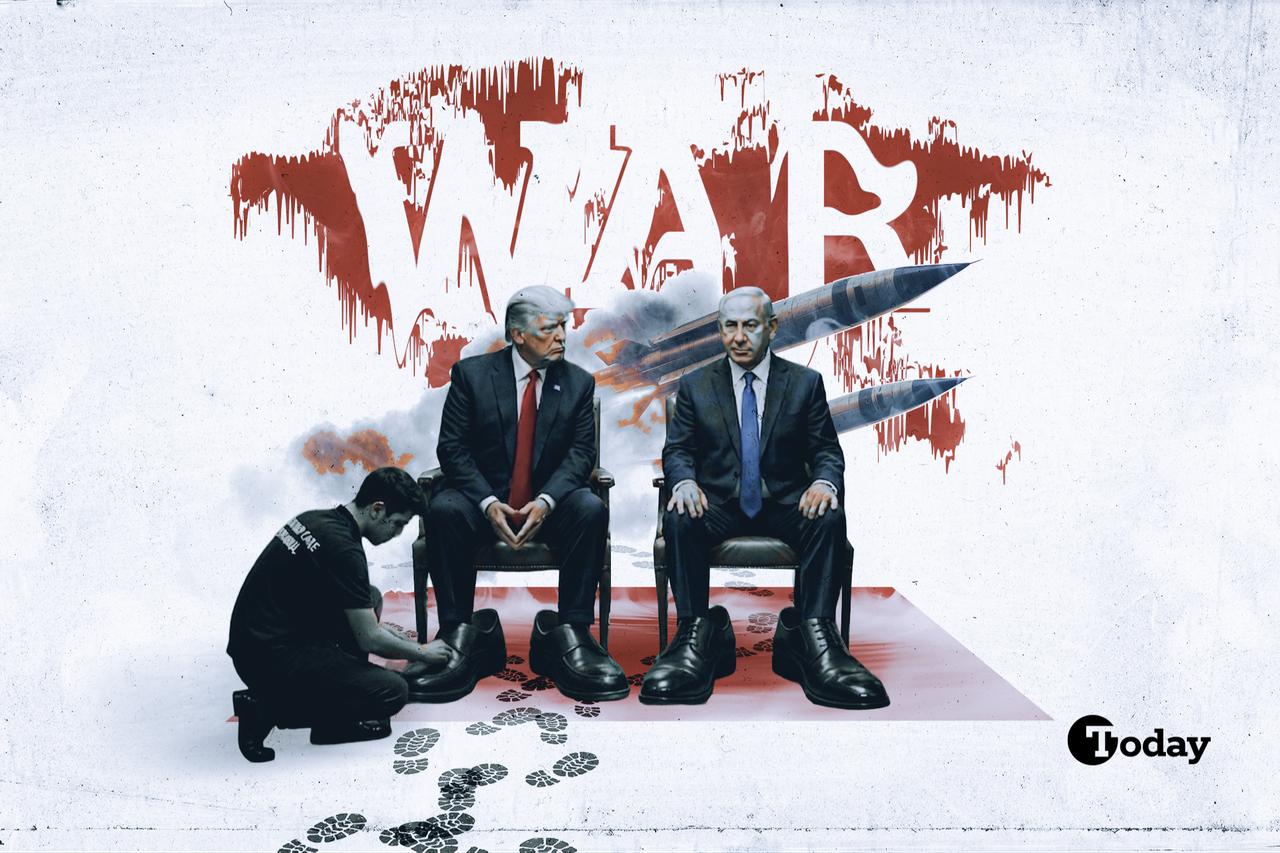
Like everything under the heavy toll of the war started by U.S. President Donald Trump and Israeli Prime Minister Benjamin Netanyahu against Iran, the shoe industry is no different.
The AYMOD International Footwear Fashion Fair held in Istanbul screamed the truth, with buyers thin on the floor and stalls standing empty.
The exhibition takes place annually in Istanbul. This year, it ran from March 25 to March 28.
Over 40 footwear brands from Istanbul and other cities across Türkiye came together to lay out their finest models for buyers from around the world. But this year, the corridors felt quieter, with many of their major buyers absent.
Visitors still arrived from Europe, Central Asia, and parts of Africa. Buyers from countries including Italy, Poland, Ukraine, Russia, and Kazakhstan moved between stands, examining samples and discussing orders.
"In previous years, customers from Saudi Arabia, Iraq, Lebanon, and Libya formed a large part of the audience," said Tugrul Gunay, owner of Ayaktrendi, with disappointment.
“This time around, none showed up,” he regretted.
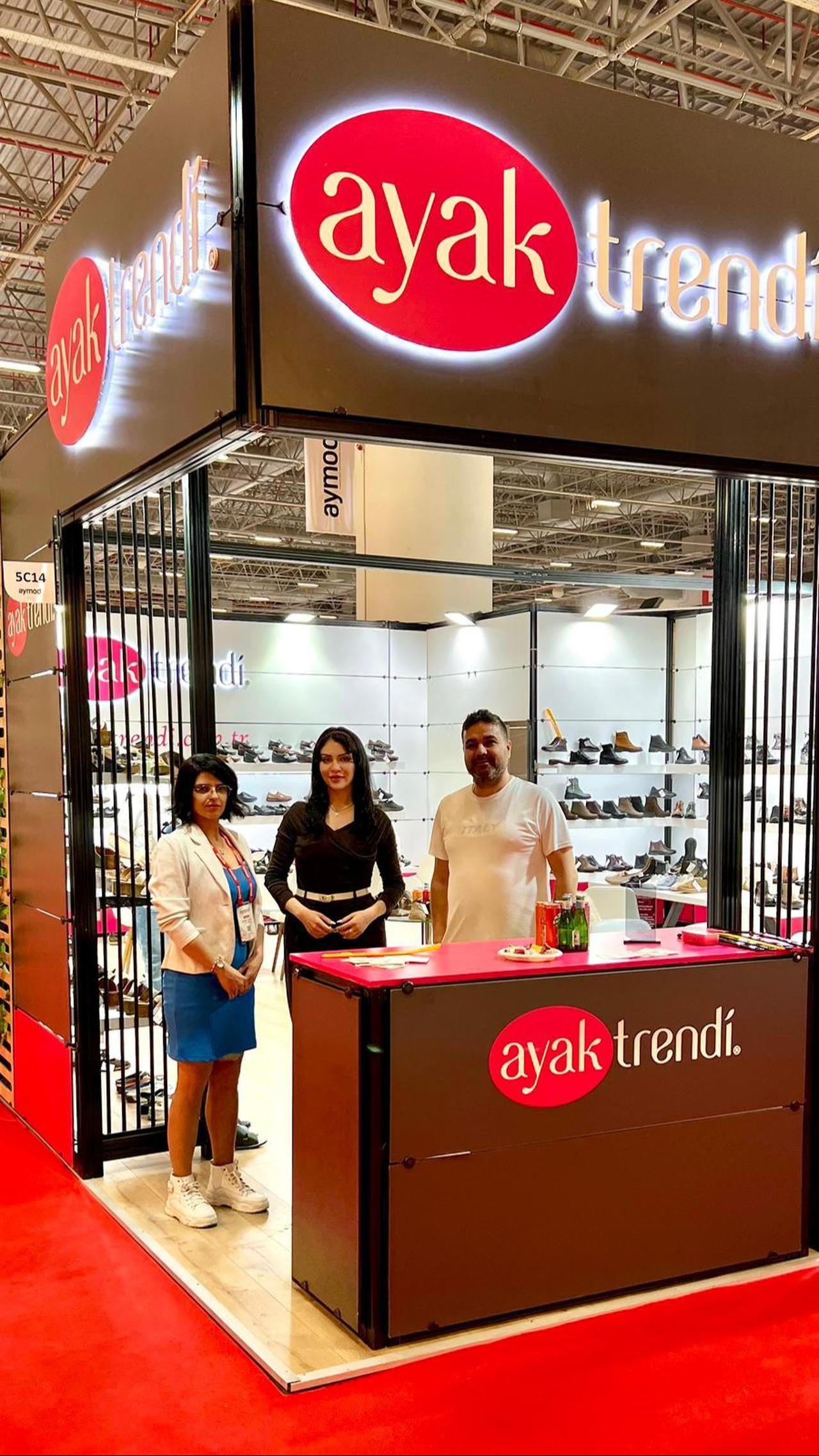

Many other Turkish manufacturers share the same sentiment.
Arab buyers, once a major presence at the fair, are almost entirely absent this year. Manufacturers attribute the absence to growing instability in the region following tensions and conflict involving Israel, the United States and Iran that escalated since Feb. 28.
Inside the exhibition hall, the impact of geopolitics is visible through empty conversations and quiet aisles.
For many sellers, fewer buyers mean fewer orders.
Another vendor, Kerim Tekdemir, stood behind rows of Perreno leather shoes, occasionally lifting a pair to show craftsmanship while explaining the business model.
“The war has affected our business,” he explained with a hint of frustration.
"Sole prices have risen from about $4 to $5. This increment pushes wholesale prices to between $28 and $50, depending on quality and materials.”
Many components are imported, often from Middle Eastern countries and Iran, and prices have surged since the conflict began.
While buyers compare Turkish shoes to cheaper Chinese alternatives, Tekdemir emphasized, “Chinese shoes are less expensive…but Turkish leather quality is higher.”
Meanwhile, Gunay adjusted rows of black leather shoes, their polished surfaces reflecting a tightening reality. Rising costs, he said, are pressing in from all sides of the industry.
He lifted a shoe, holding it like evidence. “I used to sell this for 900 TL,” he explained. “My profit was about 100 TL. Now, production costs alone are near 1,000 TL, pushing the price to 1,100 TL."
Inflation, he suggested, moves quietly, threading through every layer. Many components depend on petroleum-based materials, especially in soles and adhesives, leaving prices at the mercy of shifting fuel costs. Holding up a plastic bottle, he explained the drift: “Today it costs 10 TL… tomorrow it becomes 13 TL. Then 15TL.”
Shipping, too, has stretched under strain.
Routes tied to the Strait of Hormuz have grown longer and more expensive. Tracing a line across the table, he said, “Imagine a short road that costs 10 TL…now imagine you must travel a road that costs 100 TL.”
In the end, the cost reaches the shelf, but the buyers no longer do.
“This year we have almost seen none.”
At another stand, Meziad, general manager of Matstar, closely monitored demand drift like dust in fading light. He said the industry is caught between shrinking orders and swelling costs.
“In the past, we produced around 2,500 pairs of shoes at a time,” he mentioned, his voice tinged with concern. “Now we produce about 1,500.”
Scale once brought rhythm; now its loss raises the price of every pair. Materials, too, have grown heavier, rising roughly 10 percent. Uncertainty lingers in the air. “When people already have shoes, they keep wearing them,” he reflected.
“They do not rush to buy new ones.”
Still, exports stretch outward, while the Middle East remains a lifeline, both supplier and steadfast market in a wavering world, anchoring trade routes amid shifting economic tides and fragile confidence.
The aisles that once hummed with voices from the Middle East now echo differently, still alive with visitors from Europe and other parts of the world, yet missing the familiar cadence of the Arab buyers.
AYMOD remains a crossroads of global trade, but this year, the symphony of footsteps has softened, and the rhythm of the fair has completely changed because of the war.


 Set as preferred source
 Set as preferred source


 2 min read

 1 min read


