Newsletters


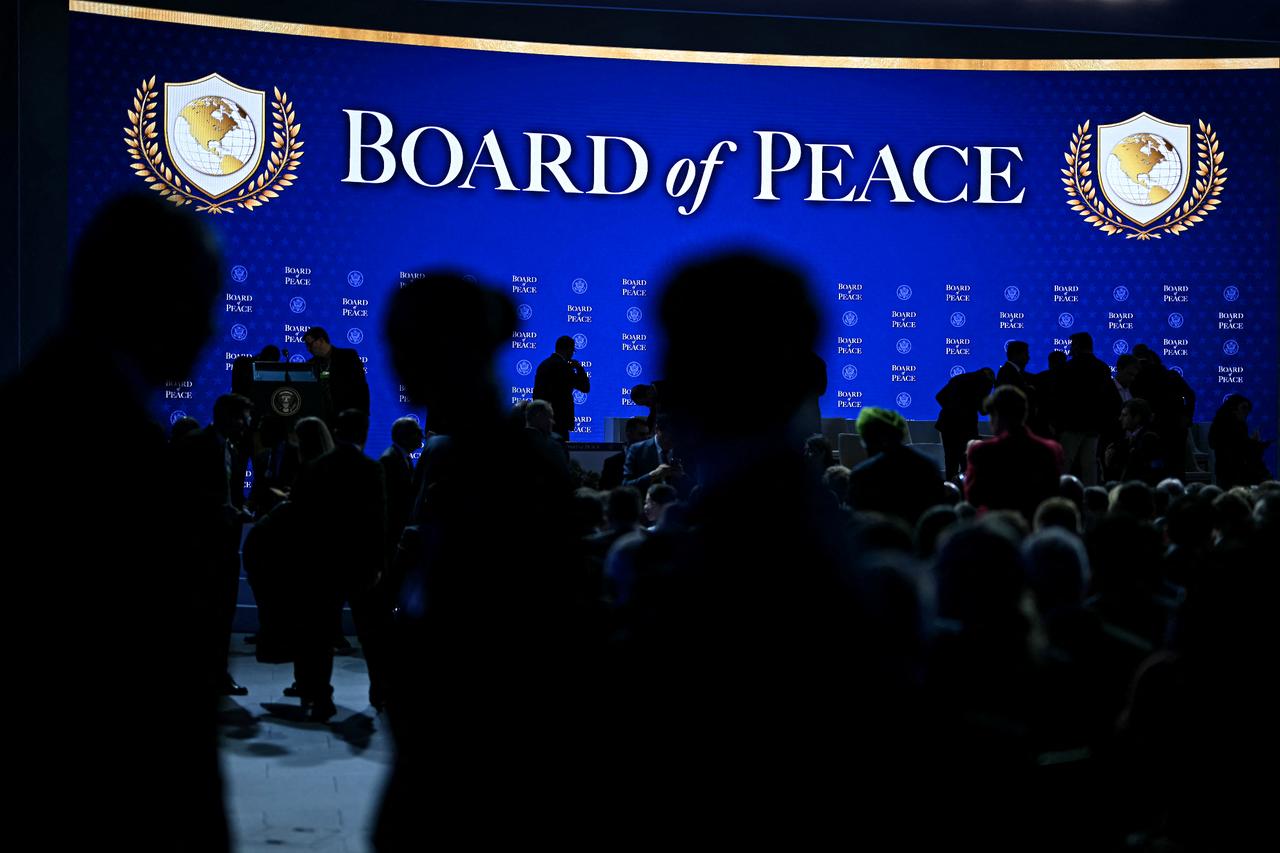


As the classical architecture of multilateralism erodes, global governance gaps are being filled with new and often controversial structures. The Board of Peace, established under the leadership of U.S. President Donald Trump and formalized in Davos, emerged as a concrete manifestation of this search.
Designed as a voluntary consultative platform rather than a binding organization based on agreements, this structure is particularly noteworthy for the inclusion of Central Asian countries among its founding members.
The early involvement of Kazakhstan and Uzbekistan in this initiative cannot be seen merely as support for a Middle East-centred peace plan. This choice indicates that the multifaceted foreign policy approach systematically built by Central Asia over the past decade is facing a new test on a global scale.
The countries of the region are consciously testing a strategy of moving beyond the traditional balance of power centred on Moscow and Beijing and taking part in new, Washington-centred platforms with limited institutional binding force. In this respect, the Board of Peace is less a “peace project” for Central Asia and more a tool for positioning and visibility in global diplomacy.

The participation of Kazakhstan and Uzbekistan as founding members of the peace board transforms the increasingly visible discourse of the “rise of middle Powers” in recent years from an abstract debate into concrete diplomatic practice.
In an international environment where great power competition has intensified and the effectiveness of multilateral institutions is being questioned, the fundamental issue for medium-sized states is not so much which bloc they will join, but rather whether they can establish diplomatic channels that will provide them with permanent visibility and room for manoeuvre in decision-making mechanisms. From this perspective, the board serves as a diplomatic tool for Kazakhstan and Uzbekistan, opening up room for manoeuvre in global governance vacuums rather than acting as a security umbrella.
In Kazakhstan's case, this move is a contemporary reflection of President Kassym-Jomart Tokayev's long-standing approach of “middle power activism”. In Tokayev's discourse, middle powers are defined not as passive elements in the competition between major actors, but as actors capable of playing balancing roles in crisis management, mediation and norm-setting processes.
Participation in the board reflects Astana's determination to extend this capacity beyond regional issues and test it in areas of high political intensity, such as the Middle East. Kazakhstan thus gains the opportunity to extend its foreign policy beyond geographical borders and support its “global responsibility” rhetoric with an institutional framework.
One of the most critical aspects of this choice is the careful limitation of financial and political risks. Kazakhstan's participation in the process under a three-year standard membership model, without assuming any mandatory financial contributions, indicates a deliberate strategy aimed at maximising symbolic visibility while minimising structural obligations. In this way, Astana strengthens its direct and high-profile channels of communication with the U.S., while at the same time avoiding creating the perception of a sudden change of direction in its relations with Moscow and Beijing. This balancing act should be seen as a more flexible version of Kazakhstan's long-standing multi-vector foreign policy, adapted to changing global conditions.
For Uzbekistan, membership of the board is a complementary element of its evolving foreign policy identity. During the presidency of Shavkat Mirziyoyev, Tashkent has moved away from an inward-looking and defensive approach to diplomacy, beginning to build a foreign policy line focused on development, connectivity and dialogue.
In this context, the peace board reflects Uzbekistan's desire to position itself not only as an actor focused on Central Asian stability but also as a partner capable of contributing to post-conflict reconstruction and peacebuilding processes in broader regions. Tashkent's conscious avoidance of military blocs and binding security alliances makes such voluntary platforms more attractive from the perspective of Uzbek foreign policy.
For both countries, the board functions more as a platform that provides direct participation in diplomatic processes where global crises are addressed and normative frameworks are discussed, rather than as a structure that produces binding decisions in the classical sense. This platform is significant in that it demonstrates that Central Asia is not merely a passive arena for great power competition, but rather hosts actors capable of taking positions on global issues, calculating risks, and directing diplomatic initiatives.
This policy of visibility pursued through the board paves the way for Central Asian states to more vocally assert their claim to be a “balancing factor” in the international system.
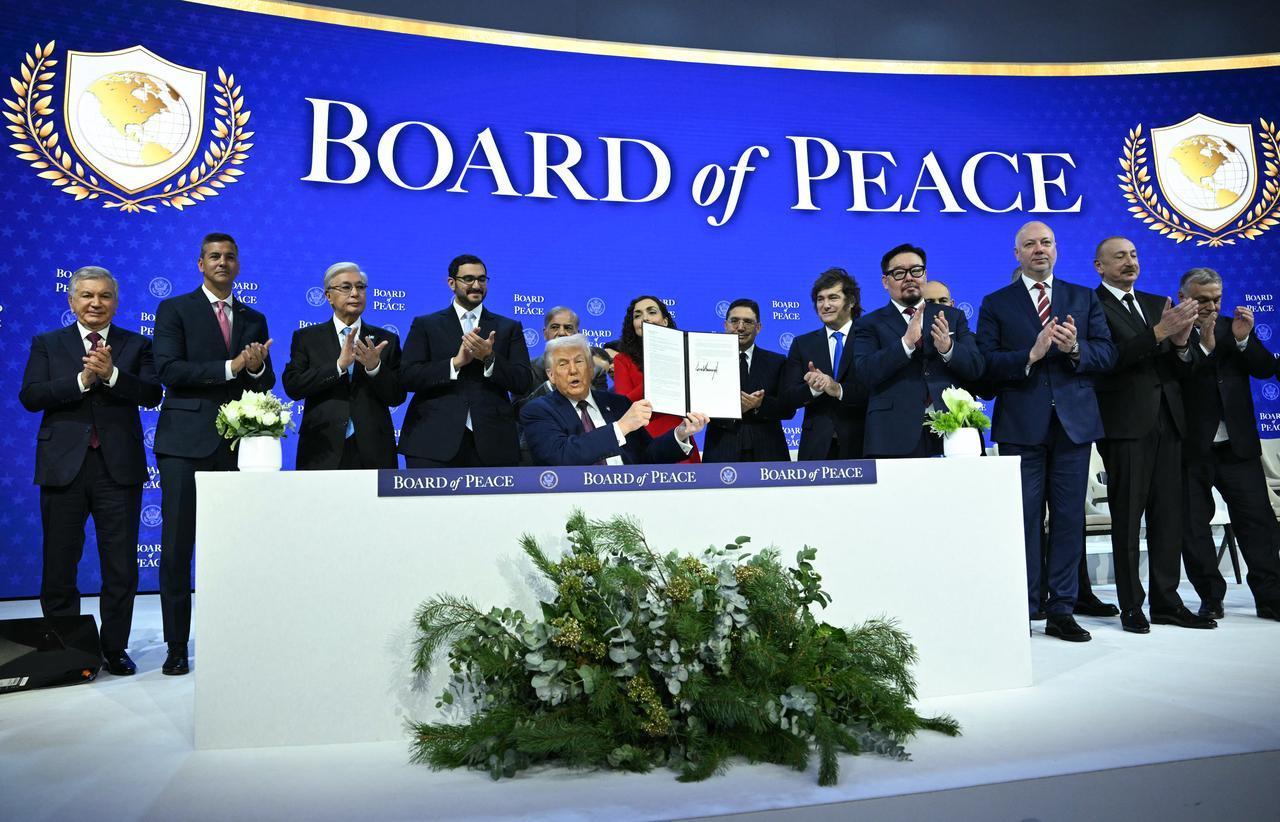
The board stands out as an initiative that must be carefully evaluated not only for the diplomatic openings it offers but also for the structural uncertainties and normative fractures it harbours. The conscious avoidance of a treaty-based and binding international organization form, coupled with the preference for a leadership-centred governance approach based on a permanent presidency model, creates a clear tension with the principles of classical multilateralism.
This design links the institutional continuity of the initiative to political will and leadership continuity rather than legal frameworks, raising serious questions about long-term predictability.
At this point, the Trumpism approach shaping the background of the Board of Peace provides a decisive analytical framework. Trumpism represents a foreign policy practice that centres on personal leadership, transactional bargaining and short-term interest calculations rather than institutional stability and normative continuity in international relations.
In this understanding, multilateralism is defined not around common rules and binding mechanisms, but through flexible, reversible, and cost-benefit-based temporary arrangements. The BoP's structure, which is limited in its legal binding force, based on voluntarism, and leader-focused, can be seen as an institutional reflection of this mindset.
In this context, the board is presented as an alternative (even if not explicitly stated as such) to the slow, complex and often stalled decision-making processes of established structures such as the United Nations. However, this claim of practicality carries with it the risk of relegating international law, accountability mechanisms and institutional transparency to the background.
The normative dimension of Trumpism, with its weak, politically dependent and personalised understanding of diplomacy, makes the BoP's capacity to produce continuity in crisis management debatable.
The board's membership structure and financing model reinforce this perception. The high “voluntary” contributions envisaged for permanent membership, while theoretically optional, have the potential to create a hierarchy among members based on financial capacity in practice. This situation carries the risk of transforming universal values such as peace and stability into a privileged domain measured by economic power. From the perspective of Central Asian economies, while such obligations may be manageable in the short term, they may necessitate a cautious reassessment of the depth and sustainability of participation in the long term.
Another critical area of uncertainty is the nature of the relationship that the board will establish with the United Nations system. While some U.N. resolutions provide indirect legitimacy for this initiative, it is not yet clear how the board will develop a division of labour and coordination with existing peacekeeping and conflict resolution mechanisms. This situation carries the risk of creating overlapping authorities and normative conflicts within the global governance structure.
In crisis areas with high political and legal sensitivity, such as Gaza, the impact of such parallel structures on the ground, as well as their implications for the integrity of international law, must be closely monitored.
Ultimately, the board cannot be categorized as an unconditional opportunity or a risk to be avoided entirely from the perspective of Kazakhstan and Uzbekistan. If Astana and Tashkent closely monitor this flexible but fragile diplomatic structure shaped by Trumpism and selectively and carefully utilise the manoeuvring space that emerges, Central Asian diplomacy could gain a more visible and effective position at the global level.


 Set as preferred source
 Set as preferred source



 4 min read