Newsletters


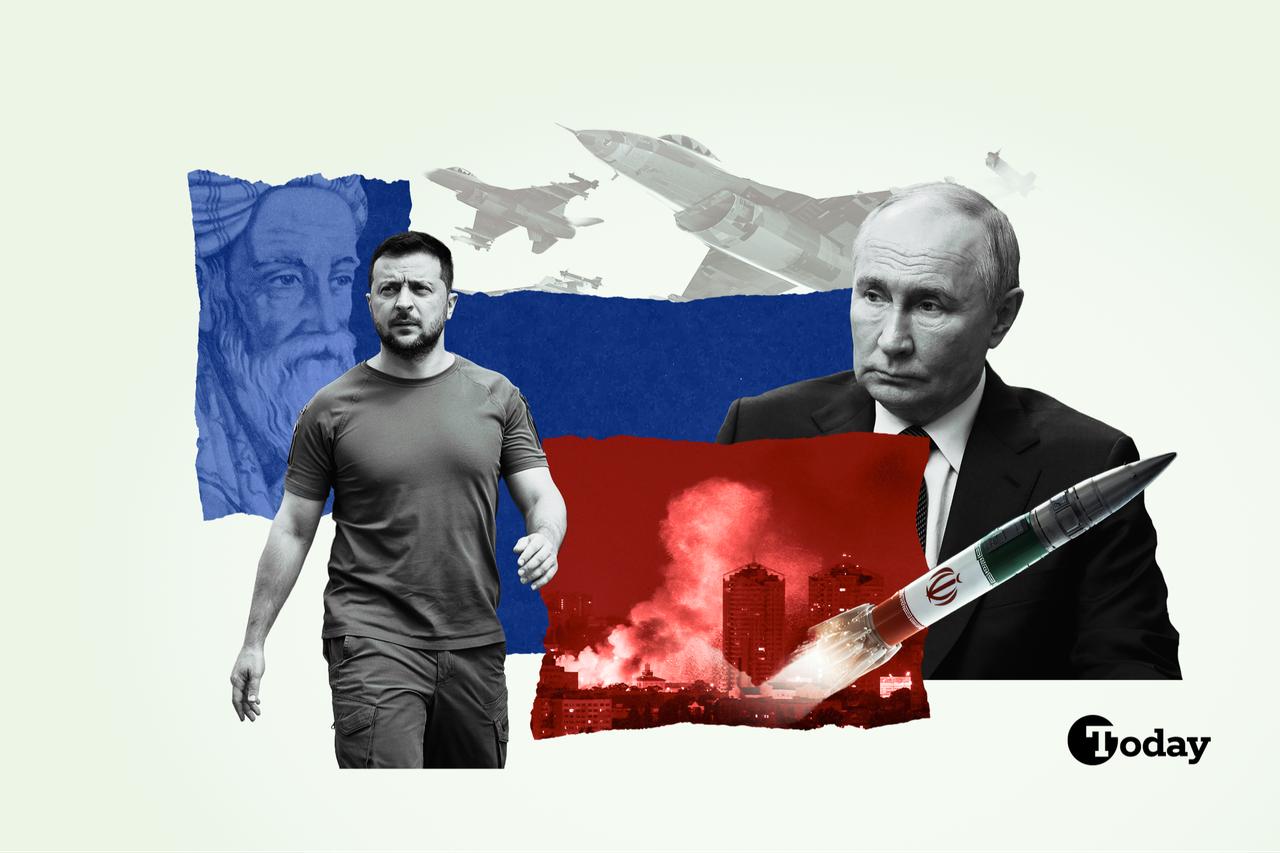


"A drop of water began to weep that it was parted from the sea;
Why do we pray God for forgiveness?
Light and shadow regularly divide the world into two parts.
It is unlikely that the drop knows what happiness is.”
These lines belong to the famous Iranian mathematician, astronomer and poet Omar Khayyam. It is a verse of spiritual longing, yet it has found a surprising modern devotee in Vladimir Putin. But these days, Putin isn't looking to the Persian Gulf for poetry—he’s looking for leverage. He is likely grateful to Iran for resisting the war with Israel and the United States, damaging American assets across the region, and prolonging the conflict by insisting on its own terms for a peace deal. Putin is likely satisfied as he watches the war in Iran turn the Russia–Ukraine war into a kind of “ghost war”.
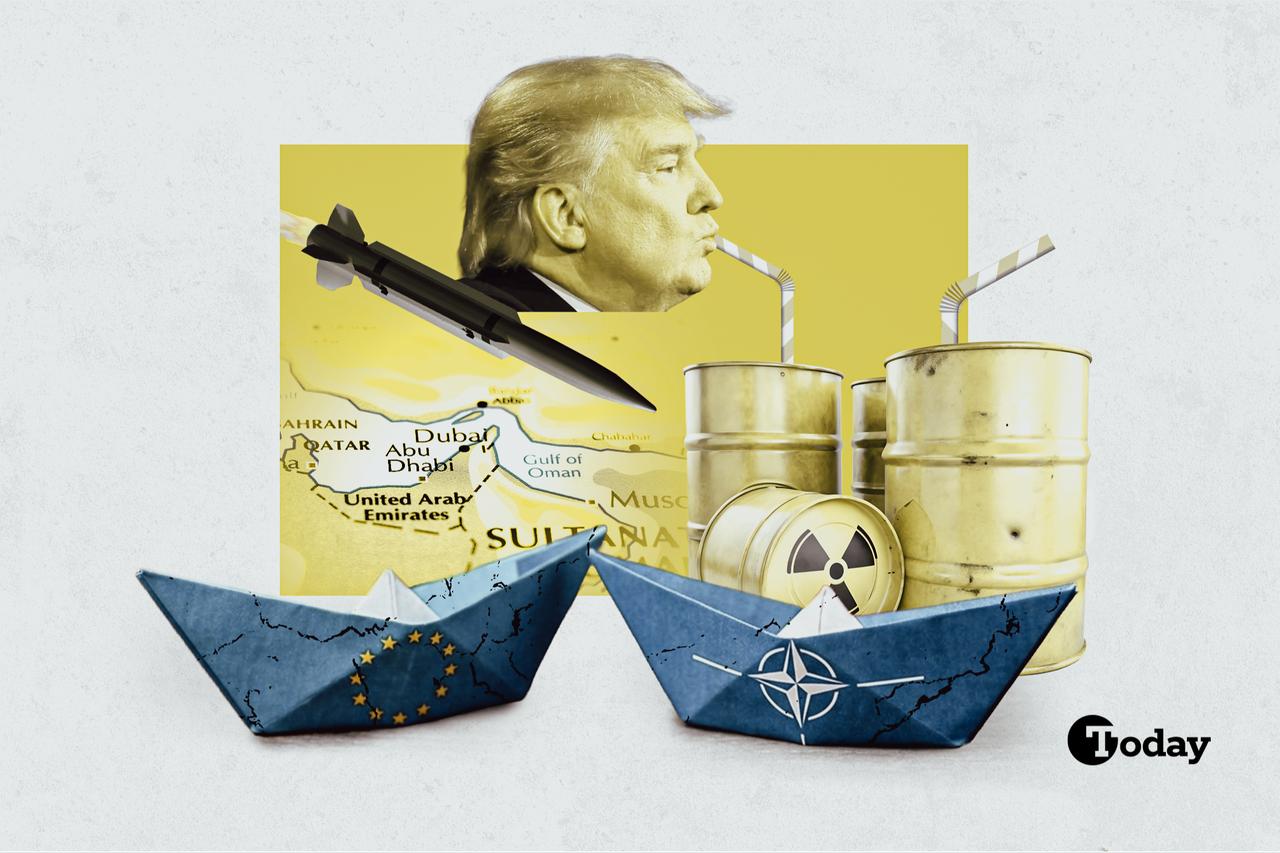
Writing in The New York Times last week, a Russian journalist argued in his op-ed that the war launched by the U.S. and Israel against Iran has fundamentally shifted the board in Moscow’s favor. By forcing the closure of the Strait of Hormuz, Tehran triggered a spike in oil prices that effectively refilled the Kremlin’s war chest. It has bolstered Russia’s strategic standing while easing the diplomatic pressure to enter peace negotiations with Ukraine.
In fact, Russia’s struggling economy under sanctions had forced it to sell oil to India at $22 per barrel at the end of January. Due to economic difficulties, Russia was arguably close to reaching an agreement with Ukraine in early February, but the war in Iran made it less inclined to compromise and pursue negotiations.
Indeed, rising oil prices above $100 per barrel, combined with the U.S. easing sanctions on Russian oil to stabilize markets, and increased demand for Russian fertilizers, have temporarily relieved pressure on Russia’s economy. Naturally, some of this additional revenue will help finance the war in Ukraine. As European Council President Antonio Costa stated, Russia is likely the main beneficiary of this conflict.
The war launched by Israel and the United States against Iran has shifted global attention away from Putin and the Russia–Ukraine war, while also depleting U.S. weapons and ammunition stocks needed in Ukraine. Although U.S. Secretary of State Marco Rubio said there had been no changes in plans under NATO’s Ukraine support program, Prioritized Ukraine Requirements List (PURL), Ukrainian President Volodymyr Zelenskyy warned that diverting U.S.-made missile interceptors to the Gulf would be a mistake. Even if plans remain unchanged for now, prolonged conflict could reduce U.S. stockpiles further and disrupt future deliveries to Ukraine.
Taking advantage of the shift in U.S. priorities toward Iran, Putin has made no effort to advance peace talks with Ukraine. Instead, he launched a new offensive, including one of the largest drone strikes in the four-year war.
Putin is also closely watching divisions among NATO allies and the U.S. search for an exit strategy. He may also gain valuable insights into U.S. military capabilities from Iran’s experience in the conflict.
Because a prolonged conflict now favors the Kremlin, the alliance has come full circle: just as Iran fueled Russia’s invasion of Ukraine, Russia is now backing Iran’s defiance against Israel and the United States.
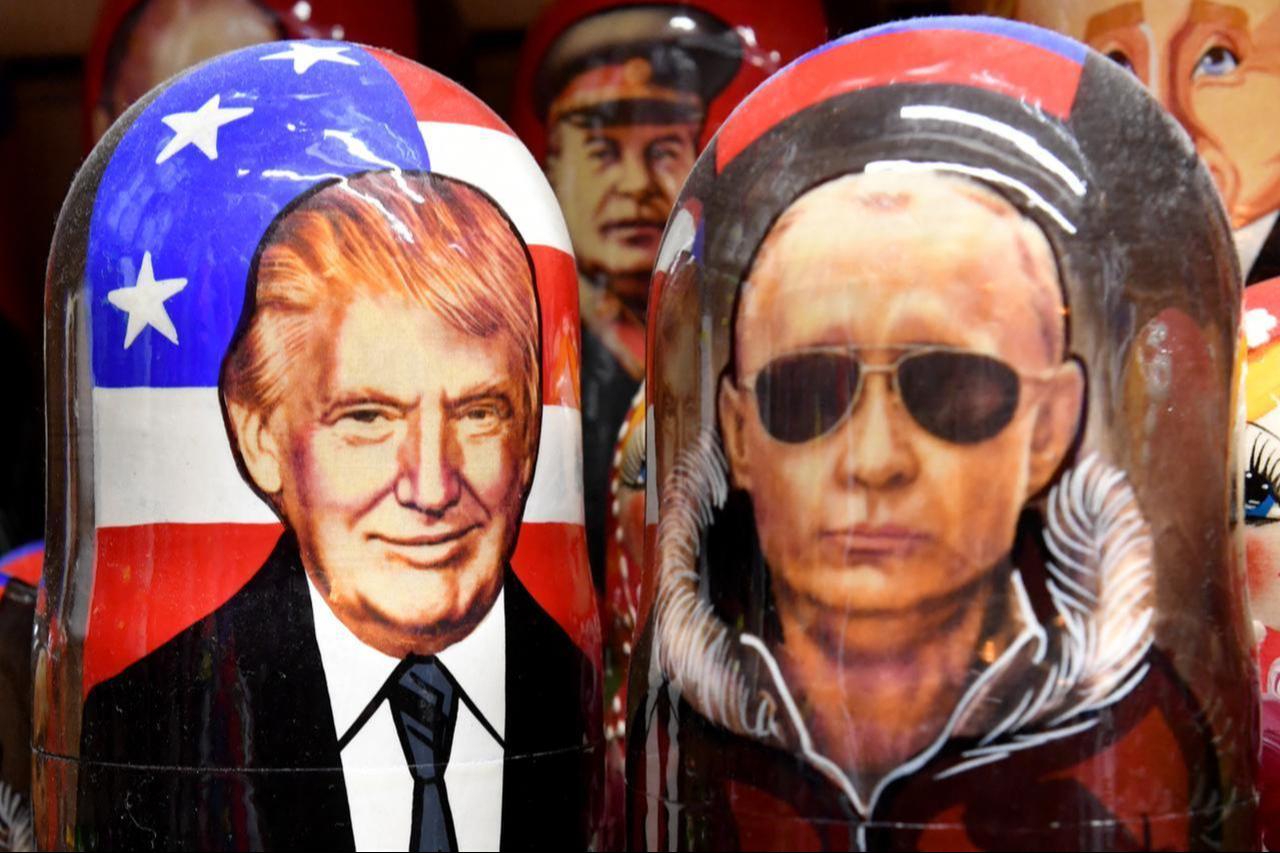

Russia and Iran, both opposing U.S. and Western hegemony and advocating for a multipolar world order, have strengthened ties since 2015, when they began cooperating in Syria to support the Assad regime. Iran contributed ground forces and militias, while Russia provided air power. Together, through coordinated operations and intelligence sharing, they managed to keep Bashar al-Assad in power for many years.
To bypass Western sanctions, Moscow and Tehran established alternative banking mechanisms and “oil-for-goods” deals. This partnership solidified further following the invasion of Ukraine, with Iranian-made Shahed drones being used in Russia’s aerial campaign.
Following the regime change in Syria in 2024, which reduced both countries’ influence in the region, Russia and Iran moved toward closer cooperation. In January 2025, they signed a 20-year cooperation agreement, formalizing their ties. While not a formal military alliance, the agreement strengthens military and defense cooperation and includes commitments not to support attacks against one another.
The alliance has now become a two-way street. Just as Tehran fueled Russia’s campaign in Ukraine, Moscow is reciprocating by backing Iran in its confrontation with the United States and Israel. Reportsindicate that Russia has provided Iran with critical satellite imagery and battlefield intelligence, specifically tracking U.S. troop movements to sharpen Iranian strikes. These claims are echoed at the highest levels of diplomacy: EU foreign policy chief Kaja Kallas recently accusedMoscow of directly helping Tehran target Western forces, while U.S. President Donald Trump suggestedthat Putin may be “helping Iran a bit.”
According to a report by the Chief of the Defense Intelligence of the Ministry of Defense of Ukraine Oleh Ivashchenko, Ukraine has irrefutable evidence that Russia is providing Iran with information about the locations of U.S. military facilities. While Russia denies this, Zelenskyy has repeatedly accused Moscow of such actions, including claims that Russia provided satellite images before Iran’s recent strike on a U.S. airbase in Saudi Arabia, wounding U.S. troops. Zelenskyy claimed that in the days before the attack, Russia had taken satellite images of the airbase three times.
The intertwining of these two conflicts is best illustrated by a recent claim from President Zelenskyy: Russia reportedlyoffered the U.S. a cynical trade—Moscow would stop feeding intelligence to Iran if Washington did the same for Ukraine.
Additionally, Russia is arguably assisting Iran’s war effort by supplying advanced versions of Shahed drones that Tehran has been providing to Russia throughout the latter’s war against Ukraine. What began as Iran supplying drones to Russia in its war on Ukraine has evolved into a broader collaboration: Iran provides designs, Russia develops improved versions and China supports supply chains—thereby weakening the impact of Western sanctions.
 2 min read
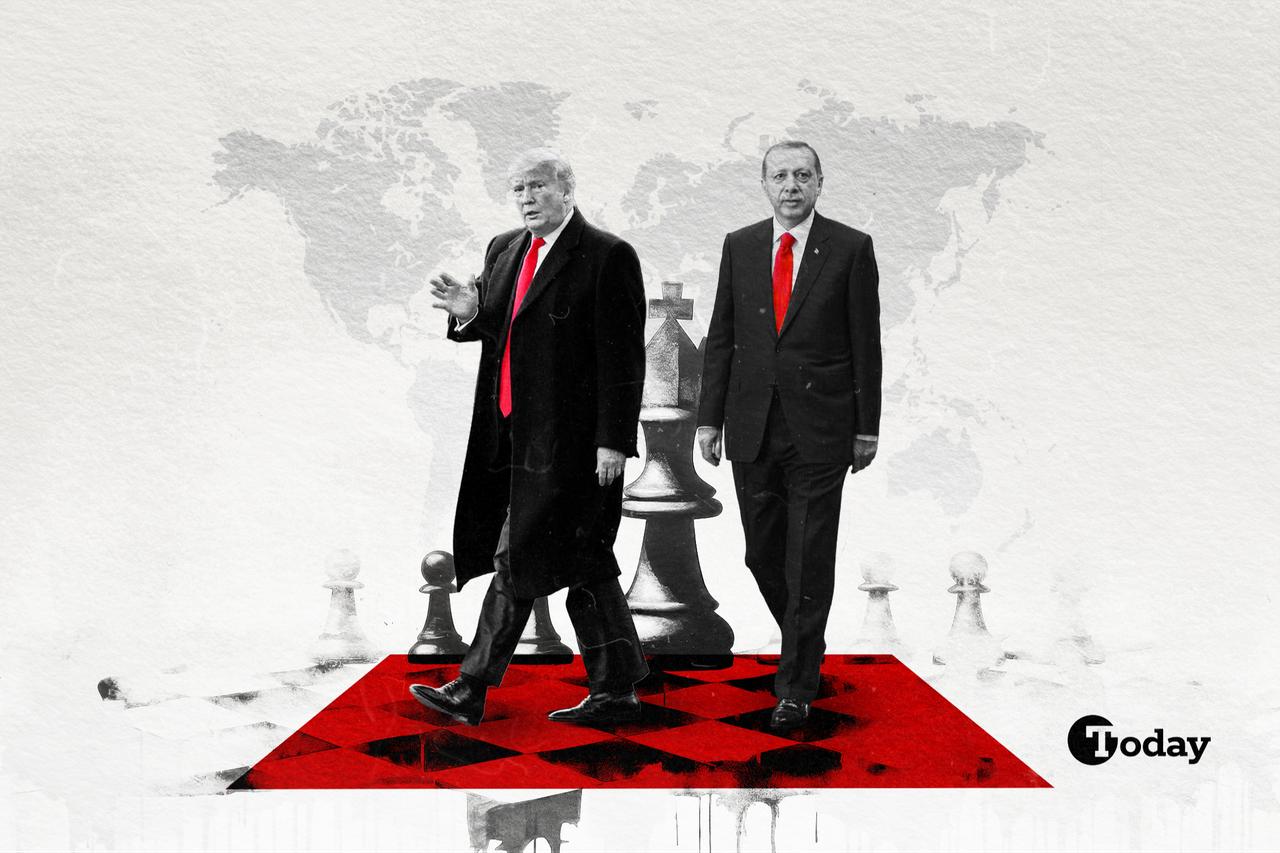
While the Iran war dominates global attention, the war in Ukraine continues at full speed. Russia recently launched a new spring offensive, carrying out the largest single-day drone attack since the war began, sending more than 1,000 drones and 34 missiles over Ukraine.
The Trump administration is ignoring the war in Ukraine as it focuses on the Iran conflict, and U.S.-led negotiation talks have been halted since the beginning of the conflict with Iran. According to Ukrainian-sourced reports, the United States is tying the security guarantees it would provide to Ukraine to the condition that Ukraine relinquishes the Donbas region entirely.
Although the war in Ukraine has turned into a “ghost war,” the two conflicts are in fact deeply intertwined—both because Russia, which benefits from the prolongation of the war, is supporting Iran, and because of the possibility that the conflict could drag on and evolve into another Ukraine-style war.
Seeking to exploit the chaos in both his own region and the Middle East, Putin might do well to listen to these other words by Omar Khayyam. They serve as a reminder of the futility of power and the fleeting nature of even the mightiest rulers.
“Think, in this batter'd Caravanserai
Whose Doorways are alternate Night and Day,
How Sultan after Sultan with his Pomp
Abode his Hour or two, and went his way.”


 Set as preferred source
 Set as preferred source


 1 min read