Newsletters


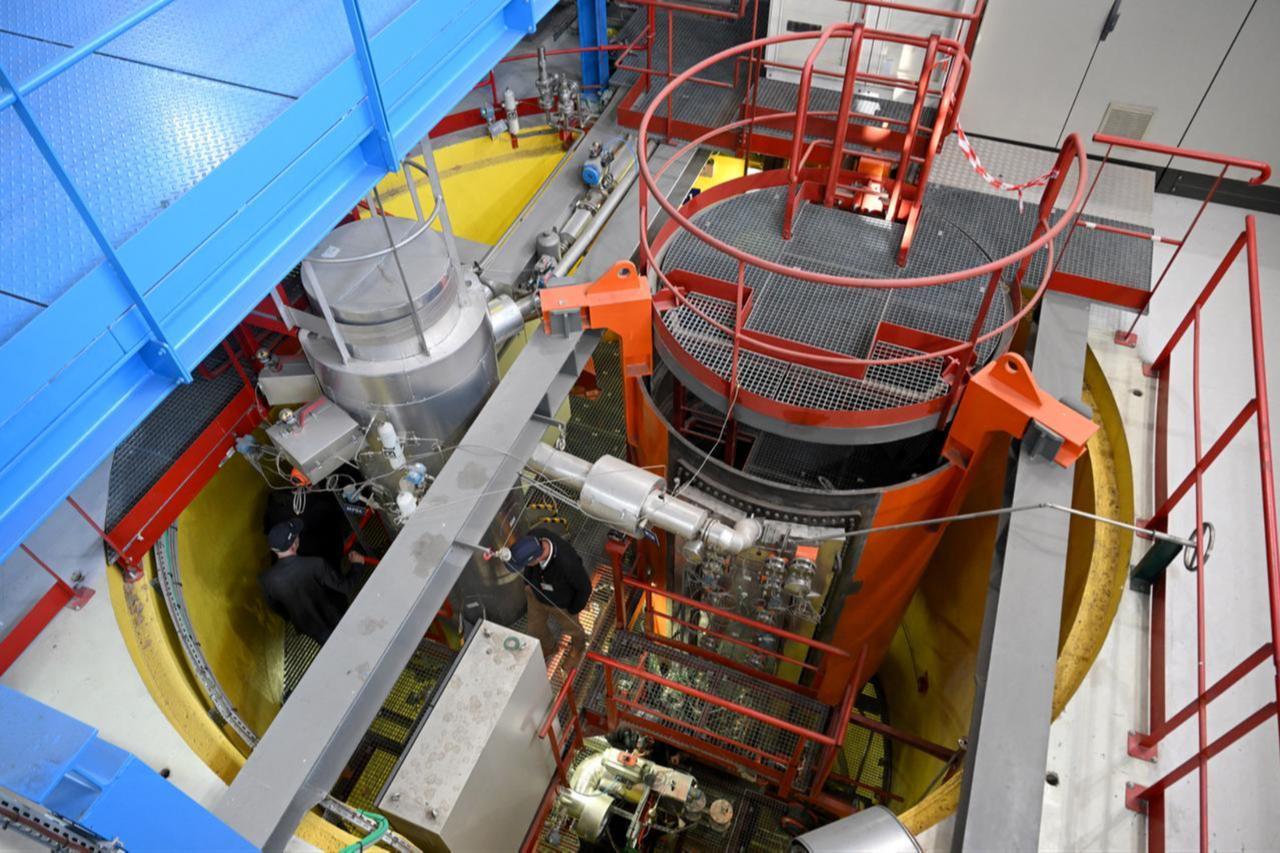


There are 27 years left. That is how Ali Riza Alaboyun, former Minister of Energy and Natural Resources and one of Türkiye's most consequential energy policy voices, frames the arithmetic of the country's net-zero commitment.
"Türkiye made the zero carbon commitment for 2053," he says. "Which means we have only 27 years to reach zero carbon level."
Twenty-seven years to dismantle, replace, or neutralize a power system built overwhelmingly on gas and coal, while keeping the lights on for 85 million people every single hour of every single day.
The conclusion Alaboyun draws from that calculation is not, as you might expect, a sermon about solar panels. It is a case for nuclear energy, specifically for a technology that barely exists at a commercial scale yet: Small Modular Reactors.
"Since you need energy in this country, you cannot continue with coal or natural gas and other hydrocarbon resources," he says in an interview with Türkiye Today.
"So you have to switch to nuclear energy at the end. Maybe later on we can switch to hydrogen or other energy styles. But at the beginning, SMR is the only solution."
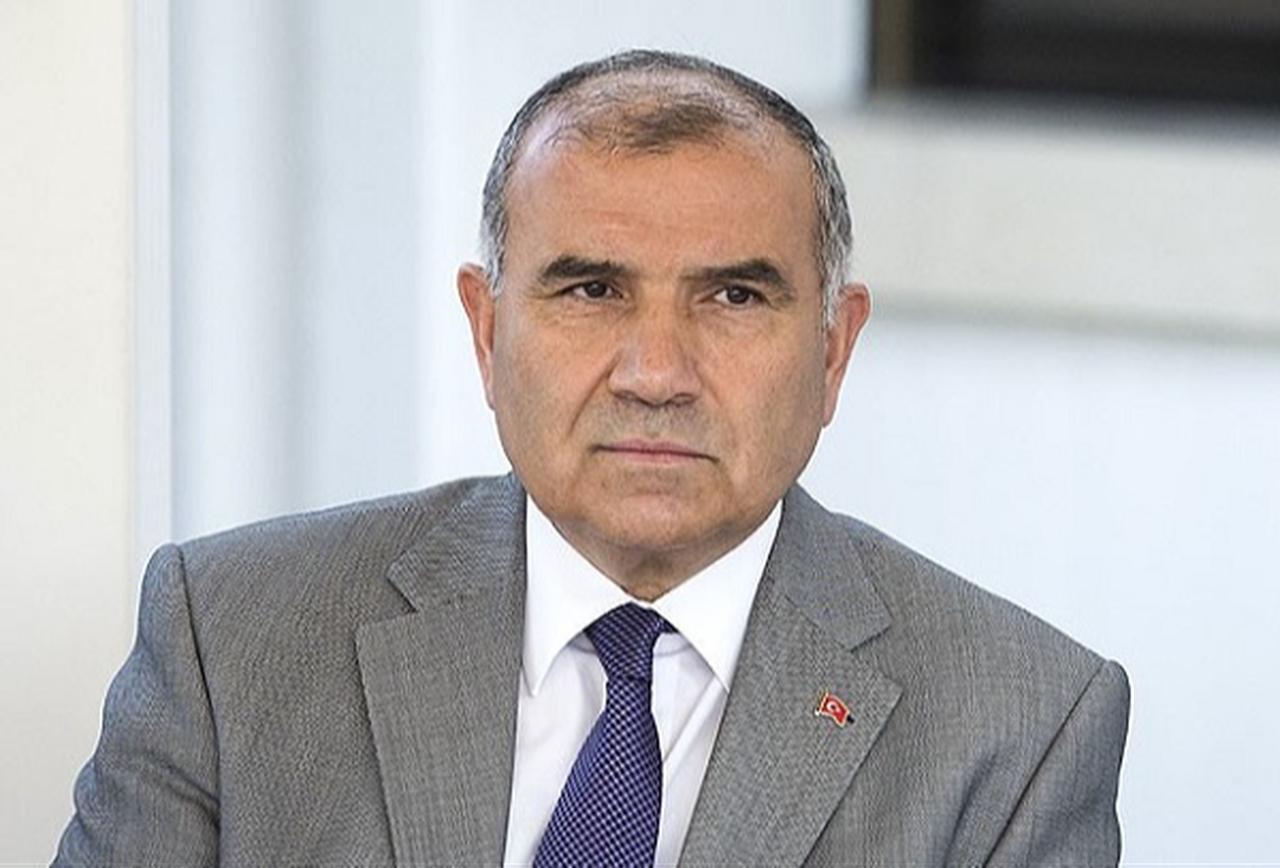

During his tenure, Türkiye provided feed-in tariffs to renewable energy producers. The boom helped drive down renewable energy costs to the point where they are now three to four times cheaper.
Türkiye’s renewable energy buildout has also kept pace with Europe. Solar, wind and hydro now account for the major portion.
But the number flatters reality. Hydropower depends on rainfall regimes that climate change is actively destabilizing. Solar and wind are intermittent by definition. And when demand peaks at midnight in January, none of that matters much.
Natural gas—entirely import-dependent, arriving via Russian and Azerbaijani pipelines—still fills the gap. Replacing that firm base load without replacing it with coal is exactly the problem SMRs are meant to solve.
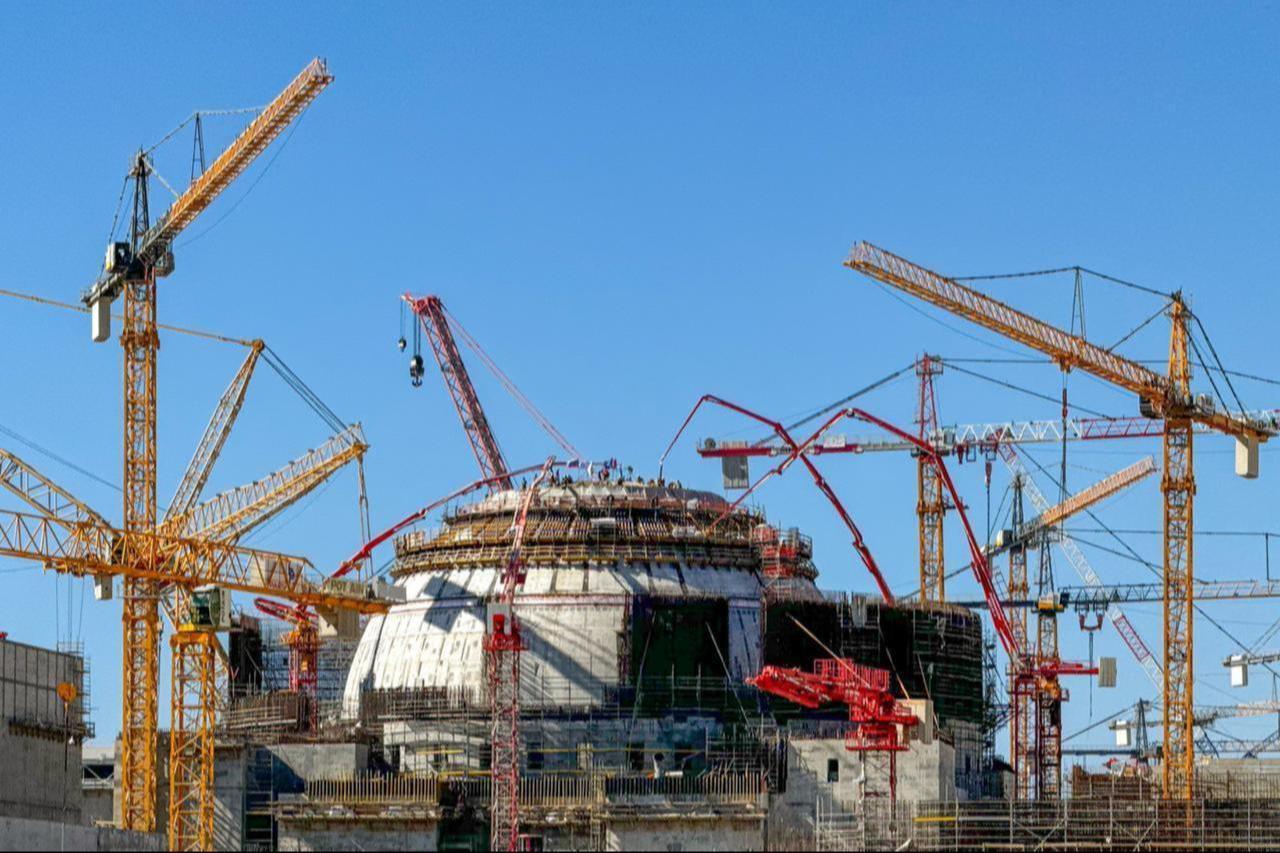
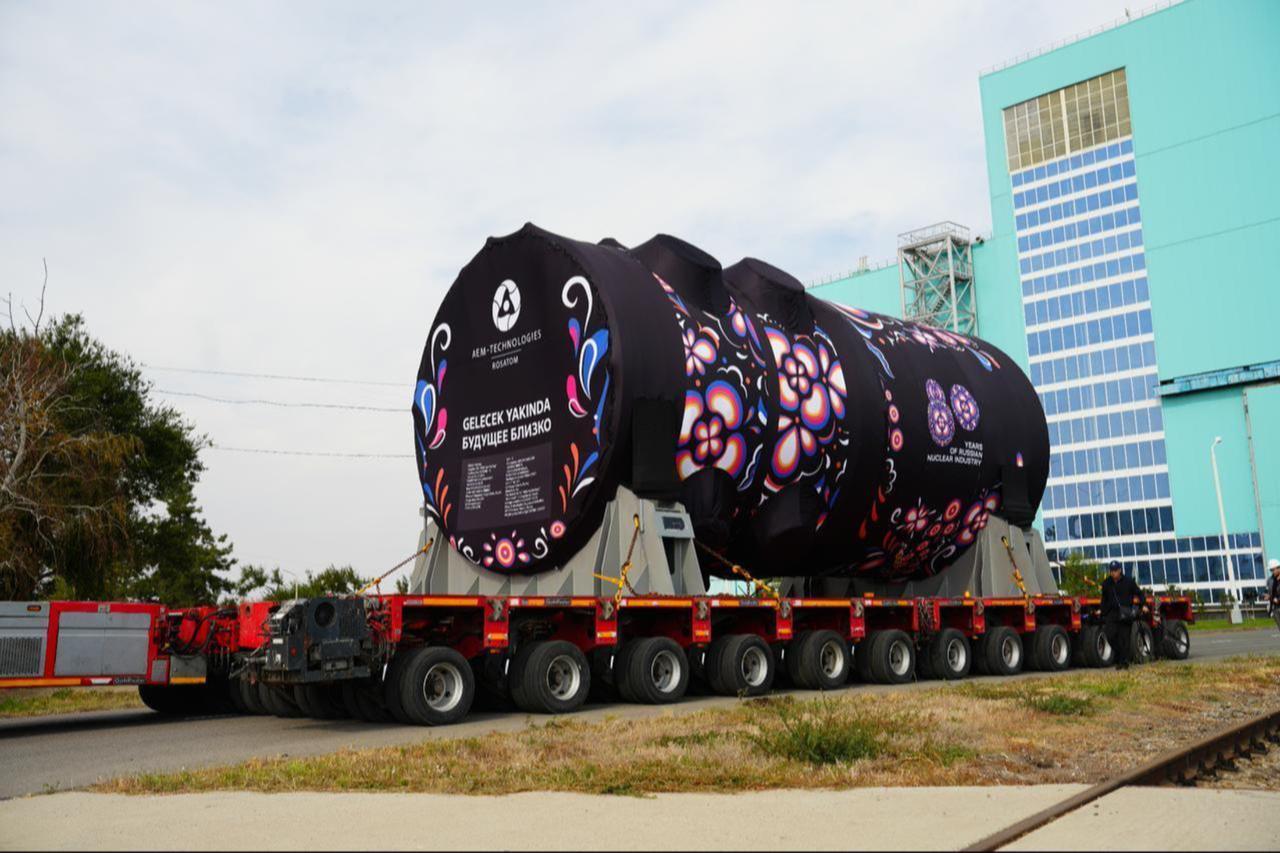
The obvious question is why Türkiye would reach for a technology that hasn't yet been deployed at commercial scale, rather than conventional large reactors like those under construction at Akkuyu on the Mediterranean coast—a four-unit Russian-built plant that will eventually contribute meaningfully to the grid.
Alaboyun's answer is partly about safety and partly about a more fundamental question of how you actually build things at the speed a 2053 deadline demands. "Bigger nuclear centrals are having a lot of problems—Chernobyl, Three Miles Island in Pennsylvania," he noted.
SMRs incorporate passive safety systems, meaning they're engineered to shut down through physics rather than relying on active human intervention or backup generators.
The cooling failure that turned Fukushima into a catastrophe simply doesn't present itself the same way in a reactor designed around gravity and natural convection.
But the more interesting argument is the deployment one. A 300-megawatt SMR can be factory-manufactured and assembled on-site, like a very large piece of industrial equipment. "SMRs can be built in the factory and established in a city or wherever the location is," Alaboyun explained.
Large nuclear plants require decade-long construction timelines, massive upfront capital, bespoke engineering for each site, and the kind of political stamina that few governments can sustain.
Hinkley Point C in the U.K. and Vogtle in Georgia both became cautionary tales about cost and delay that damaged the conventional nuclear case more than any protest movement ever did.
SMRs sidestep this by design: standardized manufacturing creates economies of scale, modular deployment allows capacity to grow incrementally, and financing a 300-megawatt unit is a fundamentally different proposition than financing something ten times larger.
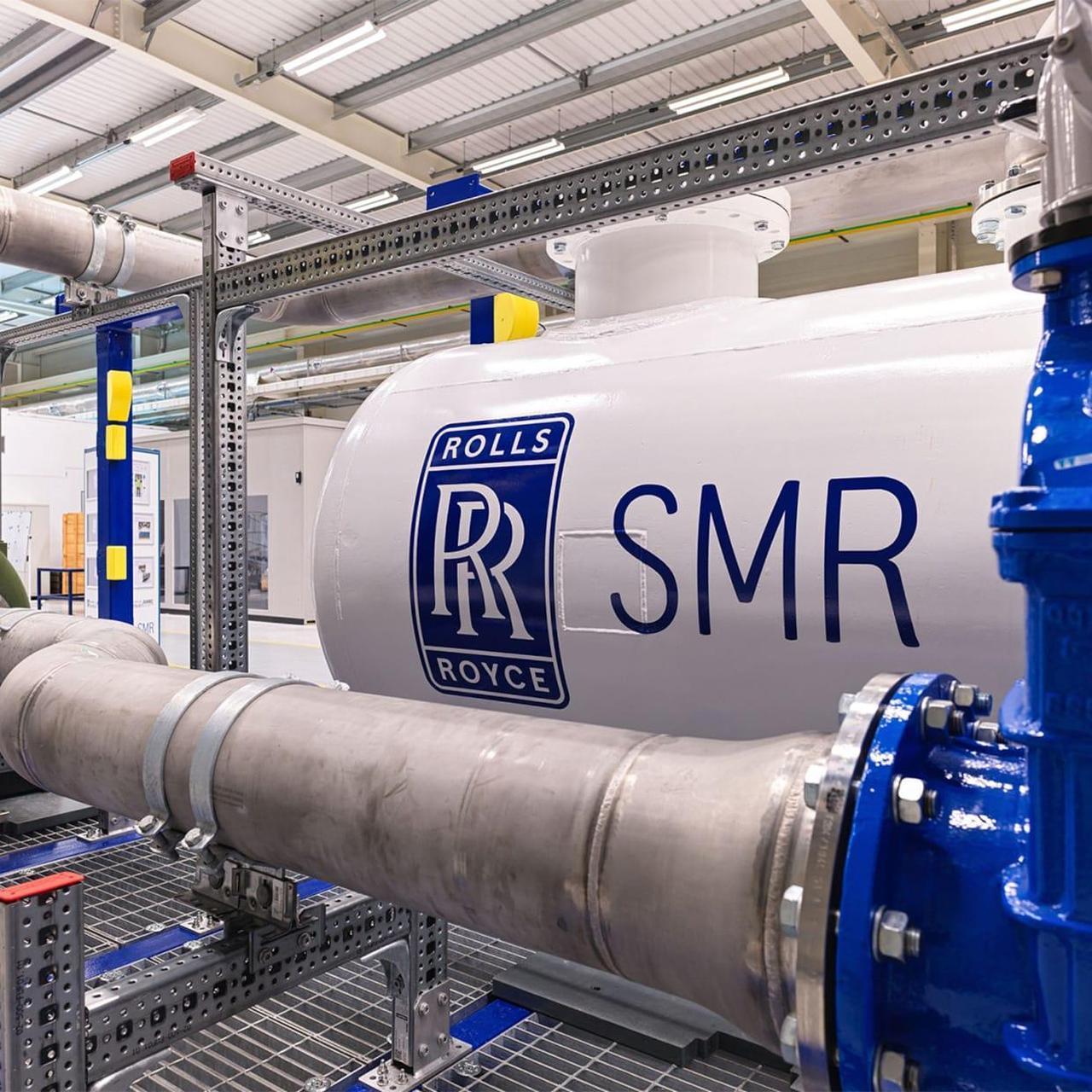
Here, the scale of what Türkiye is contemplating becomes clear. Replace the gas and coal share of the grid with 300-megawatt units, and the arithmetic produces a number that stops conversations: somewhere north of 400 reactors. "You can put a lot of SMR fleets, every 50 kilometers," Alaboyun says.
That may sound ambitious, but the U.K.'s Rolls-Royce SMR program is contemplating something broadly similar—a useful reminder that distributed nuclear fleets start looking less exotic when you're staring at a mid-century decarbonization deadline with no credible alternative for firm power.
What makes the fleet vision coherent beyond power generation is what the reactors do with their surplus capacity. Unlike gas turbines, nuclear plants can't simply be throttled down overnight when demand falls.
The efficient answer is to route that off-peak energy into hydrogen production through electrolysis or into desalinating seawater into fresh water.
"Since you are not going to stop the SMR's operation during the night, you can produce hydrogen, you can desalinate water," Alaboyun noted.
A reactor that generates clean power by day and zero-carbon hydrogen by night is a different kind of infrastructure asset than anything currently sitting on Türkiye's grid, and for a country with growing water stress in its southern and central regions, the desalination angle is not a minor footnote.
Beyond the technology itself, Alaboyun made a point that tends to get lost in the enthusiasm over MOUs and partner announcements: none of this works without a credible, independent nuclear regulatory body. His case is straightforward. Nuclear safety regulation must be insulated from the ministries responsible for promoting the sector. A regulator that answers to the same political structure it is supposed to oversee is not really a regulator.
The licensing complexity created by a multi-vendor strategy further compounds the challenge. Russian VVER reactors, Korean APR1400s, and Canadian CANDU units don't just use different hardware — they operate under entirely different engineering philosophies, safety codes, and fuel cycle logic. An engineer certified on one cannot walk into another's control room and start a shift.
Running multiple reactor types simultaneously means parallel maintenance regimes, parallel training pipelines, and parallel regulatory oversight tracks — all of which Türkiye must build from near-zero.
Türkiye's Nuclear Regulatory Authority is currently absorbing the demands of licensing Akkuyu. Asking it to concurrently oversee three or four additional reactor ecosystems without genuine institutional independence is a structural challenge.
Alaboyun argues that an independent regulatory authority isn't a bureaucratic nicety—it is the load-bearing institution on which the entire long-term nuclear program rests. Without it, you don't have a nuclear strategy. You have a collection of procurement agreements.
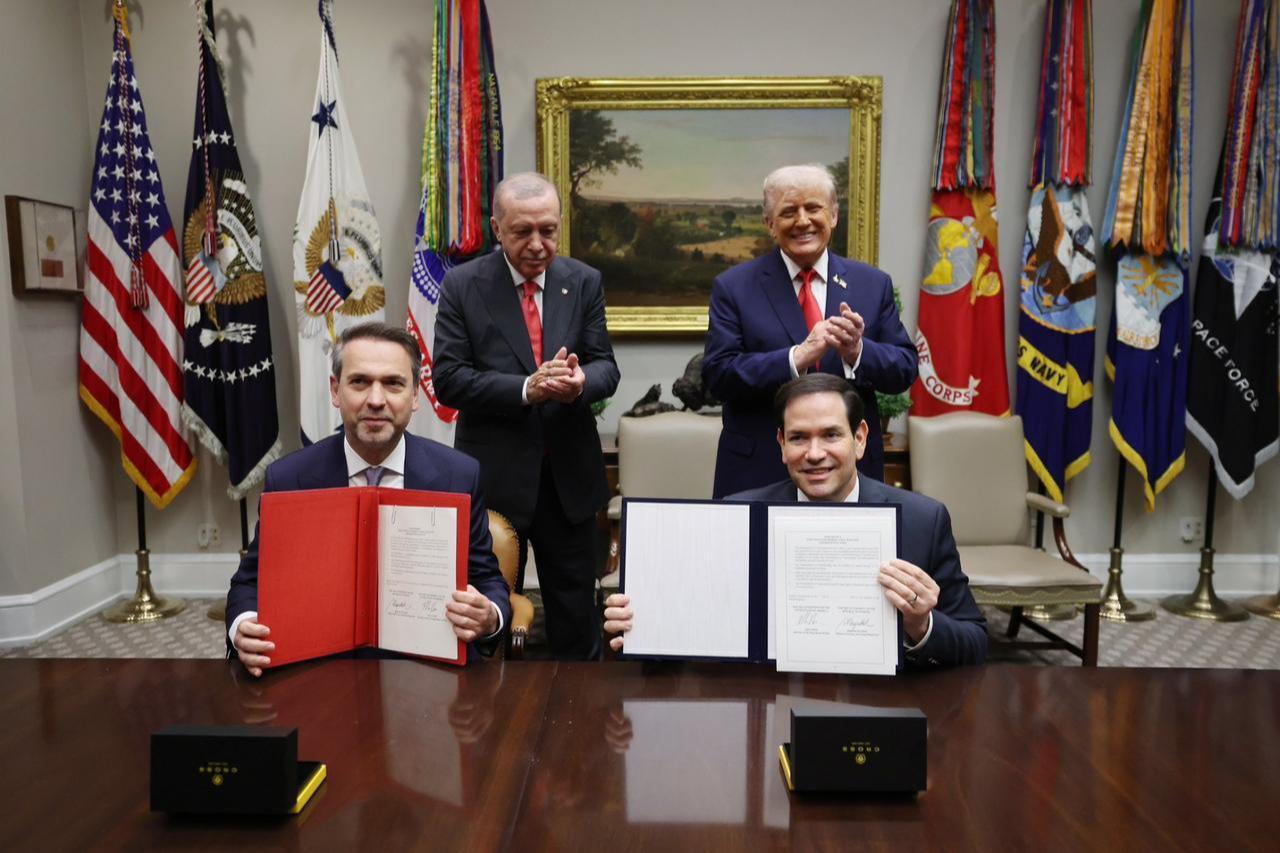
The diplomatic calendar of the past eighteen months suggests that Ankara is moving with unusual energy on this file, even by its own standards.
In September 2025, Türkiye and the United States signed a Memorandum of Understanding on Strategic Civil Nuclear Cooperation at the White House, formalizing an energy partnership that positions American firms for involvement in new builds.
Energy Minister Alparslan Bayraktar has been running the vendor circuit with conspicuous intensity. In early 2026, Bloomberg reported him pushing South Korea's KEPCO for a binding construction proposal before year-end, days after working through an SMR memorandum architecture with EDF in Paris.
On March 4, Canada's Candu Energy signed its own cooperation agreement with TUNAS, Türkiye's state nuclear company—followed weeks later by a private-sector partnership between Canadian nuclear services firm Kinectrics and Turkish engineering company Nuclean to assess SMR and Advanced Modular Reactor deployment.
The Kinectrics-Nuclear deal followed a visit to Ankara by Canadian Foreign Minister Anita Anand, in which nuclear investment featured prominently.
Nuclear board member Koray Tuncer put a number to the domestic market opportunity: Türkiye has set a target of 5 gigawatts of SMR capacity by 2050, corresponding to at least 16 units, with the domestic market expected to reach approximately $30 billion.
The government's broader nuclear targets combine large-scale reactors with the SMR tranche.
The wildcard that changes the entire calculus is Baykar. The drone manufacturer's reported move into indigenous SMR development—a 40-megawatt domestic program, according to sources cited in the nuclear crossroads analysis published earlier this year—signals that Ankara's end-state may not be vendor arbitrage at all. It may be bypassing the vendors entirely. Every Western or Asian firm currently negotiating with the Turkish government knows, at some level, that Türkiye's ultimate objective is to not need them.
Alaboyun's prescription is pointed: "We should not wait only to buy the SMR outside and establish it in Türkiye. We should also invest."
Buying reactor units from foreign vendors positions Türkiye as a customer of someone else's technology. Developing domestic SMR capability creates export potential, industrial depth, and the kind of autonomy that Türkiye has learned, at some cost, to value.
"Recently, there has been a positive development," Alaboyun notes. "The industry ministry and the energy ministry are working together to establish a pilot plant SMR."
"Türkiye has to concentrate on the SMR immediately. We should not wait," Alaboyun maintained.
The reactors aren't built, and the regulator isn't fully independent yet. The clock doesn't care about either.


 Set as preferred source
 Set as preferred source


 1 min read

 1 min read