Newsletters


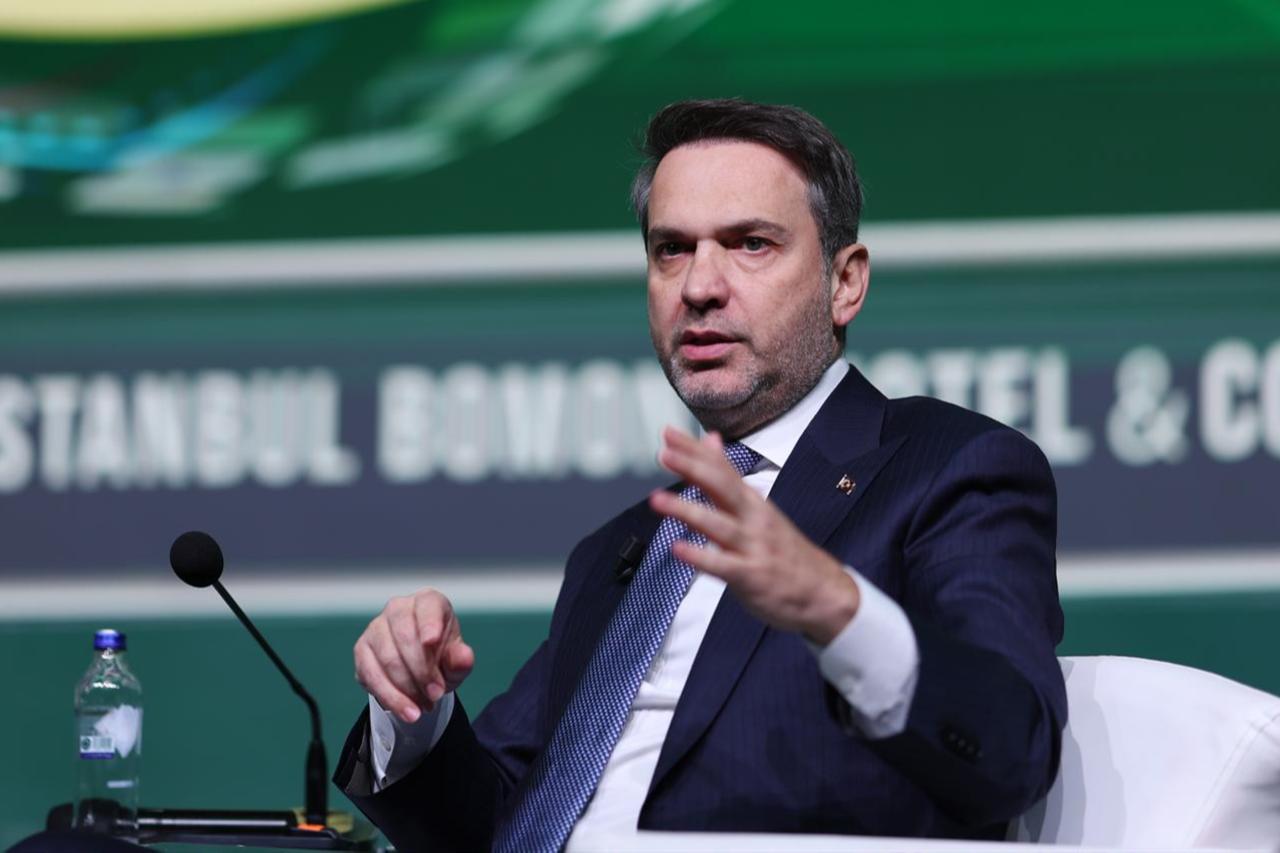


Turkish Energy and Natural Resources Minister Alparslan Bayraktar stated on Tuesday that discussions are ongoing with U.S.-based company TerraPower, founded by Bill Gates, to incorporate small modular reactors (SMRs) in Türkiye as part of the country’s broader 2050 nuclear energy target of 20,000 megawatts (MW).
Speaking at the 15th Türkiye Energy Summit in Istanbul, Bayraktar said that Türkiye plans to reach at least 5,000 MW of SMR capacity as part of its long-term plan, pursuing efforts to diversify the country’s energy supply and reinforce energy security through nuclear technology.
SMRs are a new generation of nuclear power reactors designed to be smaller in size and capacity compared to traditional large-scale nuclear power plants. While a conventional reactor typically produces over 1,000 MW, SMRs generally generate up to 300 MW per unit. They are called "modular" because they can be factory-built and shipped as ready-to-assemble components, enabling faster construction, lower upfront costs, and scalable deployment to meet growing energy demand.
Türkiye’s interest in SMRs has grown significantly since 2021, as the energy ministry has established technical commissions to assess various models and has co-hosted workshops with the Nuclear Energy Agency of the Organisation for Economic Co-operation and Development (OECD/NEA). Initial contacts with international SMR developers began between 2022 and 2023, including companies in the United States, South Korea, and Canada.
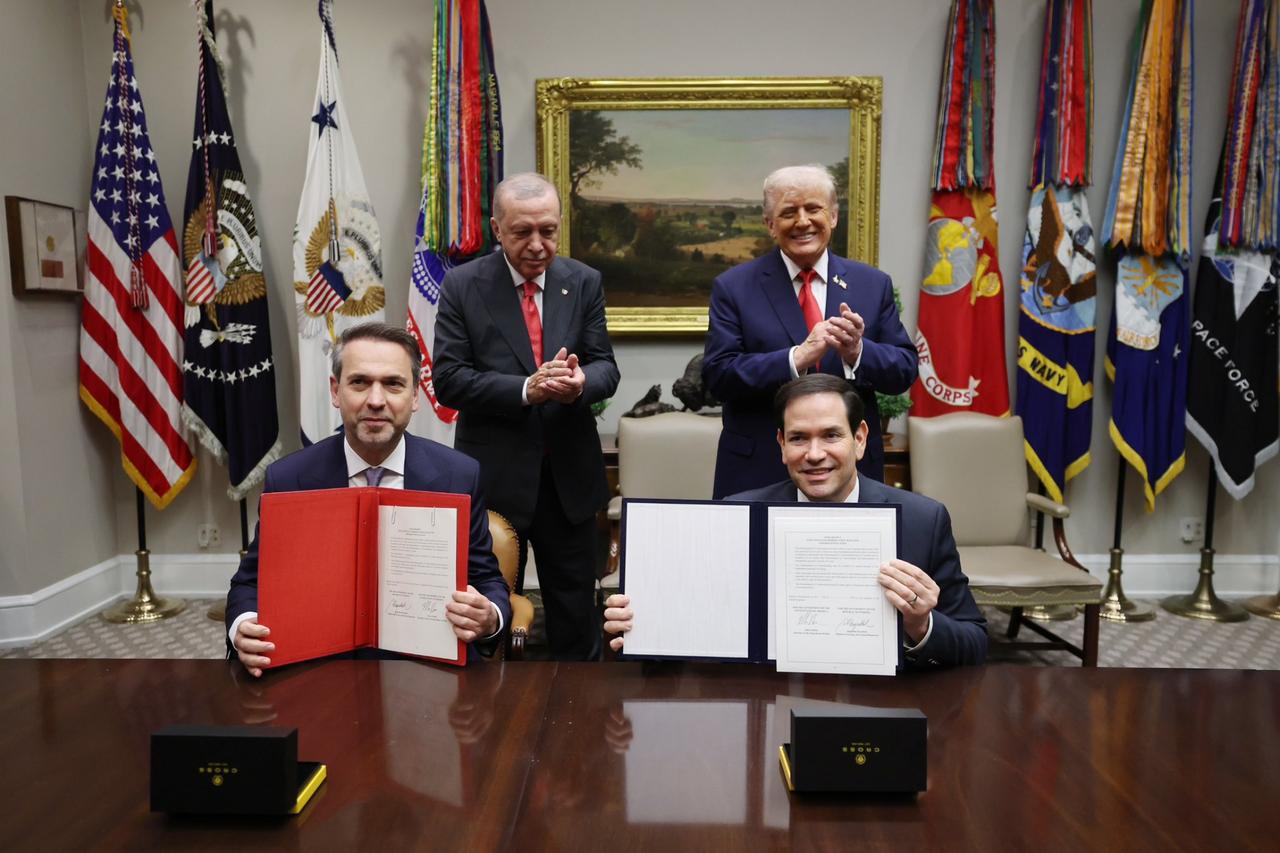
Most recently, the ministry signed a Memorandum of Understanding on Strategic Civil Nuclear Cooperation with the United States during President Recep Tayyip Erdogan’s visit to the White House in late September, outlining collaboration on both large-scale nuclear power plants and small modular reactor projects.
Founded in 2008 by Bill Gates, the founder of tech giant Microsoft, TerraPower is a Washington-based company focused on developing advanced nuclear technologies in the fields of both next-generation reactors and medical isotopes.

The minister emphasized that Türkiye aims to expand its nuclear energy portfolio through partnerships with multiple countries, particularly in the development of power plants. He clarified that discussions for a planned facility in Sinop are ongoing, although no agreement has been finalized.
He recalled that a memorandum of understanding on nuclear cooperation was signed with South Korea during President Lee Jae-myung's visit to Ankara in late November. “We aim to reach a concrete stage with them over the next six months through intensive work," Bayraktar indicated.
Regarding a planned plant in Thrace, he said that negotiations are also taking place with China, while U.S. companies have expressed interest in nuclear power projects in Türkiye. "Sinop and Trakya could be developed through three- or four-party consortia," he added.
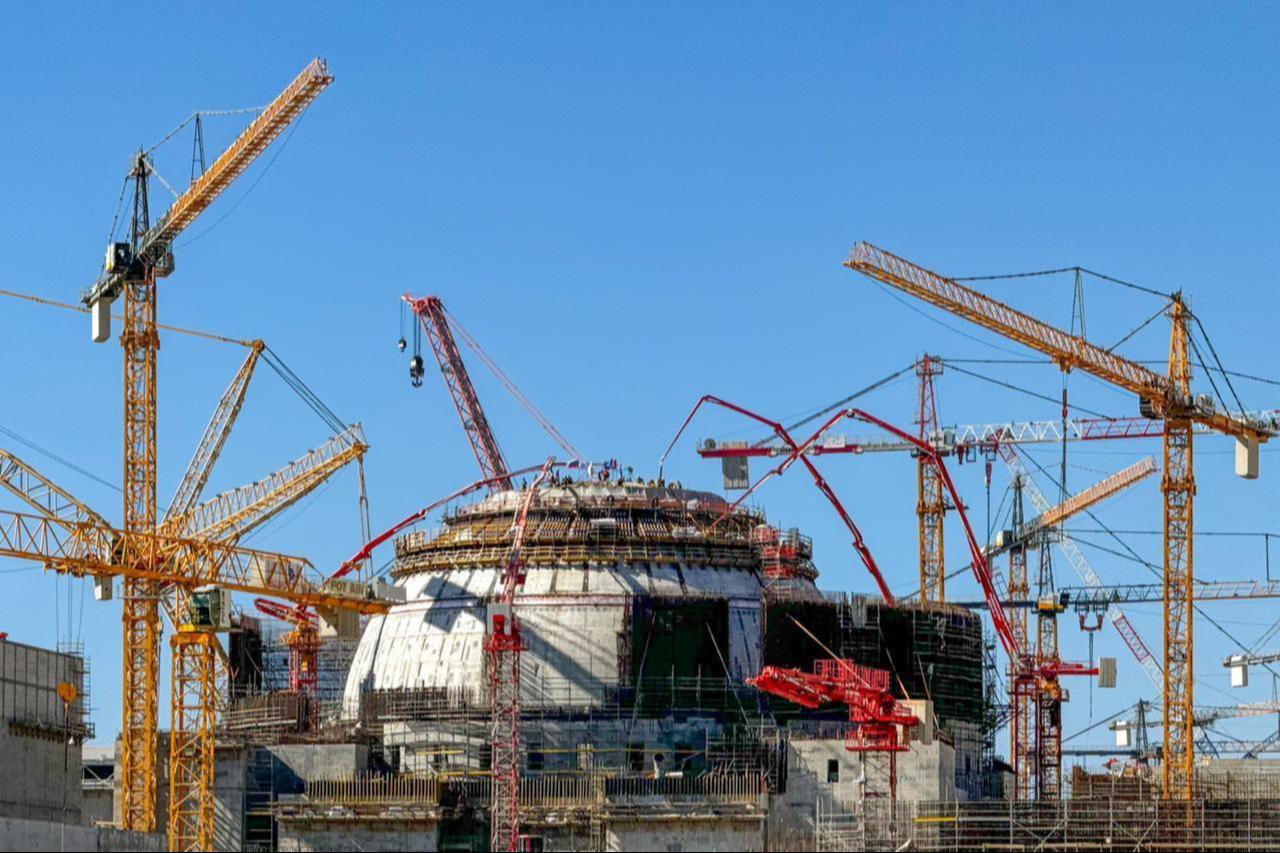
Acknowledging delays in commissioning the first reactor of the Akkuyu Nuclear Power Plant (NPP) due to pandemic-related disruptions and equipment shipment issues, Bayraktar expressed confidence in the project's progress. "By the end of the second quarter of 2025, Akkuyu will have achieved approximately $10.6 billion in local content," he said, adding that the project currently reflects 56% domestic participation.
Bayraktar also provided an extensive update on the country’s broader natural gas infrastructure during the session, announcing that Türkiye now has the capacity to procure up to 80 billion cubic meters of natural gas annually and is positioned to trade more than 10 billion cubic meters.
He added that gas consumption in homes, industry, and electricity generation is rising, and the country is expected to use approximately 60 bcm of gas this year. Bayraktar pointed out that production from the Sakarya Gas Field will double by 2026, meeting the needs of up to 8 million households. By 2028, Türkiye aims to achieve daily gas production of 40–45 million cubic meters, covering the domestic needs of 16 million–17 million households.
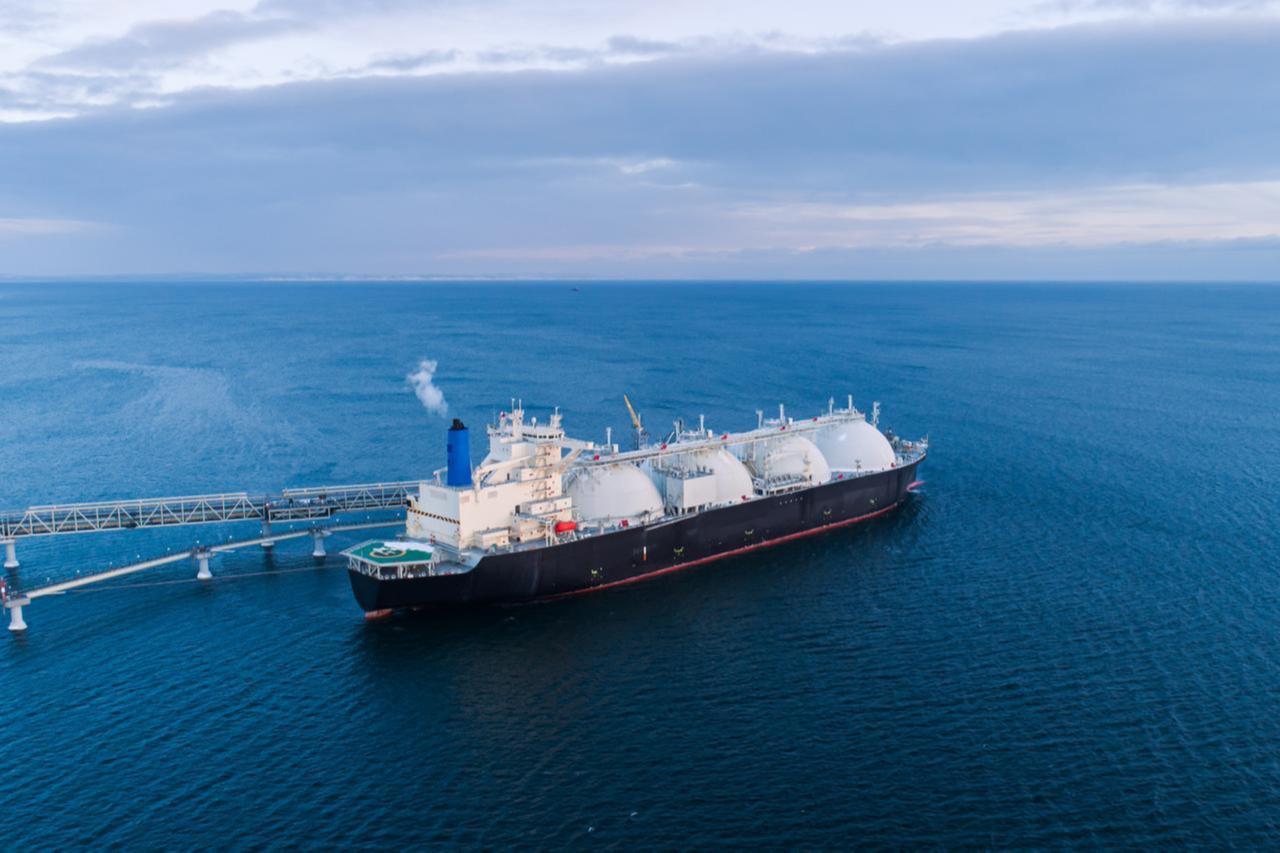
On liquified natural gas (LNG), Bayraktar said the country has reached 6.3 billion cubic meters (bcm) of storage capacity. "By the 2030s, we aim to store at least 20% of our annual gas needs," he said. He noted that Türkiye’s daily regasification capacity rose to 161 million cubic meters, with a target to expand that to 200 million cubic meters, supported by the possible integration of two new floating storage regasification units (FSRUs).
In terms of gas imports, Bayraktar confirmed that Türkiye has extended about 22 bcm worth of expiring contracts—primarily through the TurkStream and Blue Stream pipelines—for another year, ensuring supply continuity. He also disclosed that the operator of the TurkStream natural gas pipeline, a critical corridor for Russian gas exports to Türkiye and southeastern Europe, will move its headquarters from the Netherlands to Hungary.
Bayraktar also stressed the importance of the Gabar oil field, where daily production has reached 80,000 barrels, reducing annual oil import costs by around $2 billion.


 Set as preferred source
 Set as preferred source


 2 min read
 1 min read