Newsletters


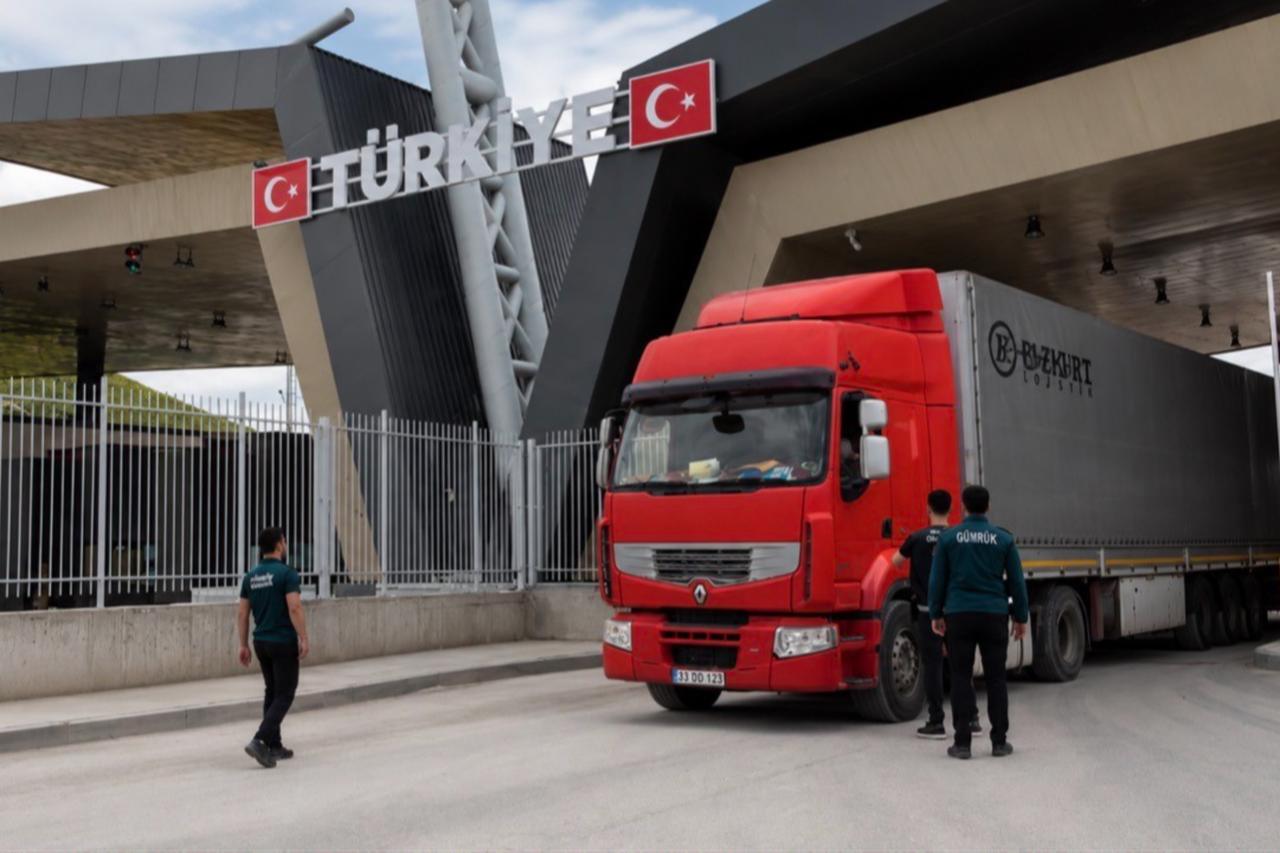


Thousands of trucks have been left waiting at Türkiye's border crossings with Iran and Nakhchivan as lengthy delays continue to disrupt freight traffic, the International Transporters Association (UND) reported on Monday.
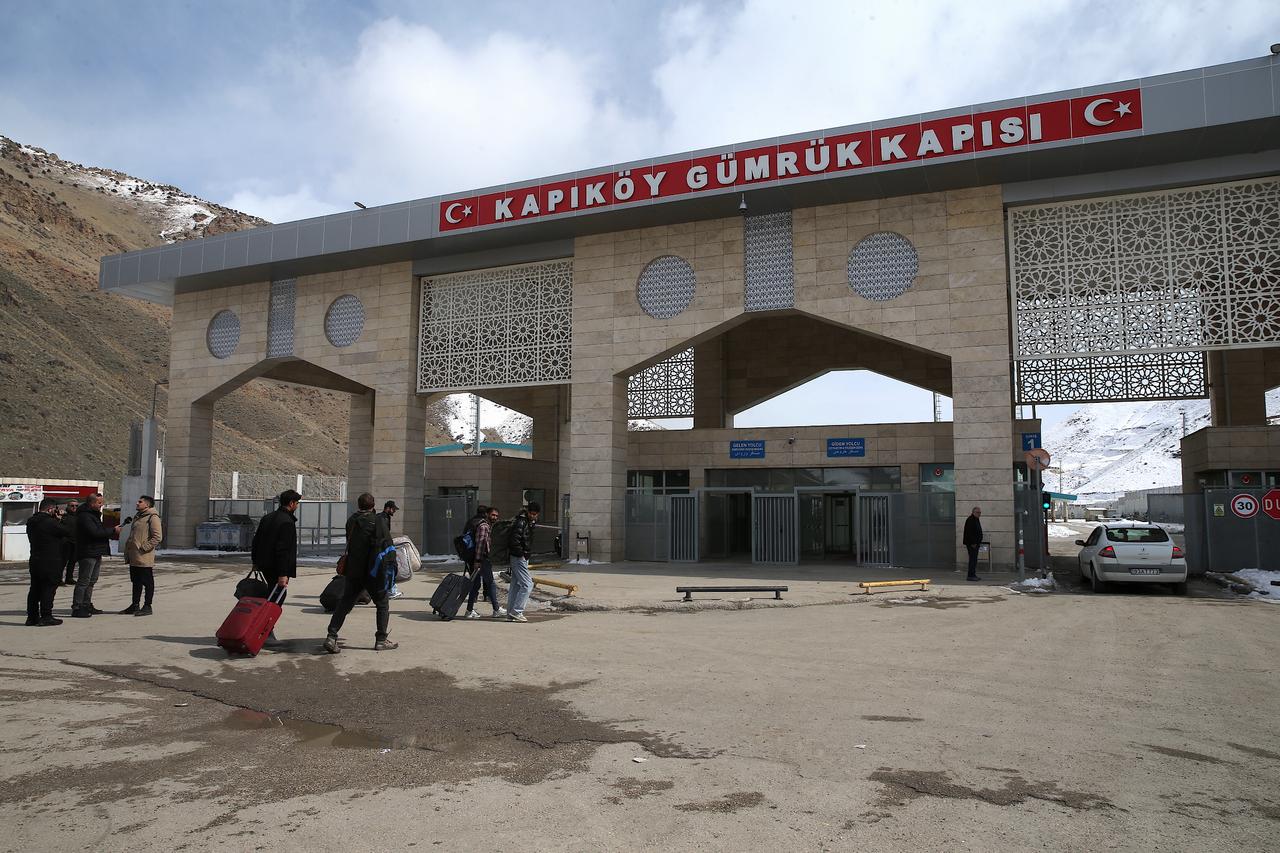
According to the association, around 3,700 trucks and drivers are waiting at the Gurbulak-Bazargan border crossing, Türkiye's busiest gateway to Iran in Agri province.
Another 1,300 vehicles are lined up at the Dilucu-Sadarak border crossing, which links Türkiye with Azerbaijan's Nakhchivan exclave, while 850 trucks remain stranded at the Esendere-Sero border crossing, another major Türkiye-Iran gateway in Hakkari province.
The three crossings play a central role in Türkiye's overland trade with neighboring countries and the wider region. Gurbulak-Bazargan, the country's main land gateway to Iran, handled 239,749 vehicle crossings in 2025, accounting for 2.3% of all vehicle movements through Türkiye's land border gates.
Dilucu, Türkiye's only direct road link with Azerbaijan's Nakhchivan Autonomous Republic, recorded 267,491 vehicle crossings (2.6%), while Esendere, another major crossing on the Iranian border, processed 60,837 vehicle crossings (0.6%) during the year.
Together, the three gateways handled more than 568,000 vehicle crossings during the year, accounting for nearly 5.5% of all vehicle movements through Türkiye's land border gates.
The crossings are critical for freight moving between Türkiye and Iran as well as for transit shipments linking Türkiye with Central Asia and the Caucasus. The Dilucu-Sadarak route also serves as Türkiye's only direct land connection to Azerbaijan, making it a strategic corridor for bilateral trade and cargo transported onward through the South Caucasus.
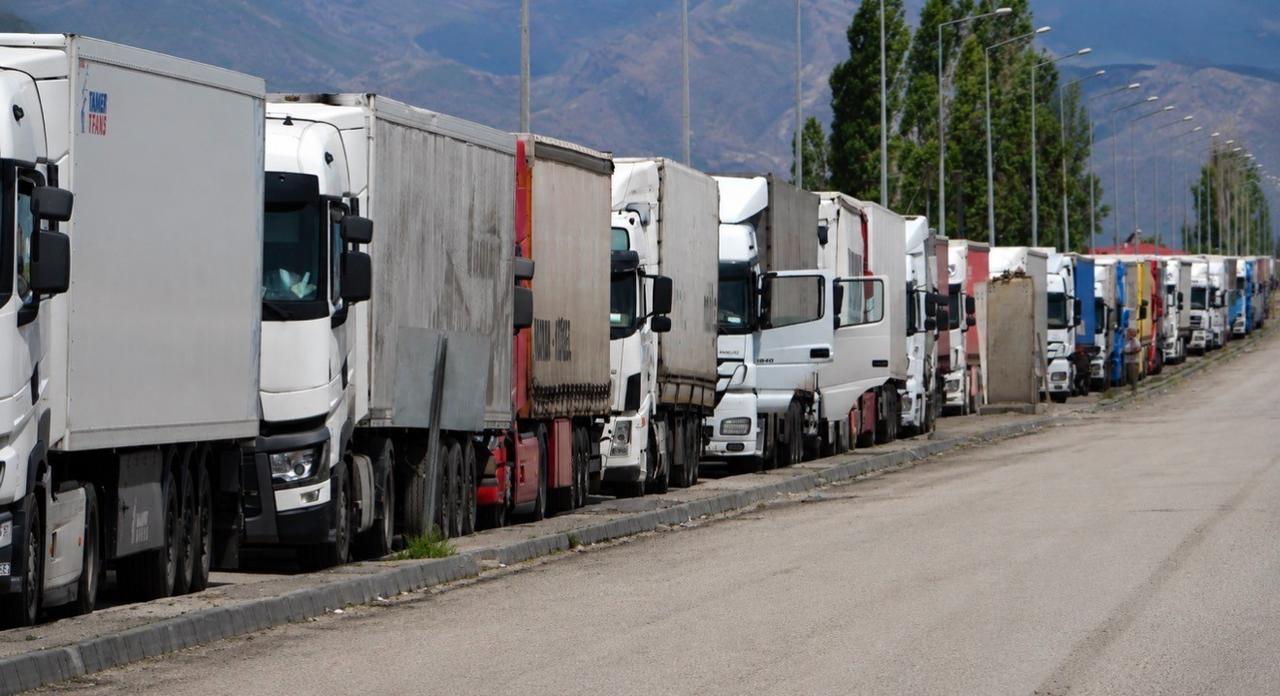

The growing queues have left many drivers waiting for days to return to Türkiye, often in high summer temperatures. UND warned that the delays are affecting drivers' working and living conditions while disrupting foreign trade operations.
The association said that it is holding talks with Turkish public institutions, Iranian authorities and local administrations in an effort to ease the congestion, and called for higher processing capacity, faster customs and security procedures, and uninterrupted vehicle movements at the affected crossings.
UND said increasing daily processing capacity could significantly reduce waiting times. Industry representatives estimate that handling around 400-500 vehicles a day at the Gurbulak Border Gate, 300-400 at the Dilucu Border Gate and about 250 at the Esendere Border Gate would help clear the backlog.


 Set as preferred source
 Set as preferred source


 1 min read
 1 min read