Newsletters


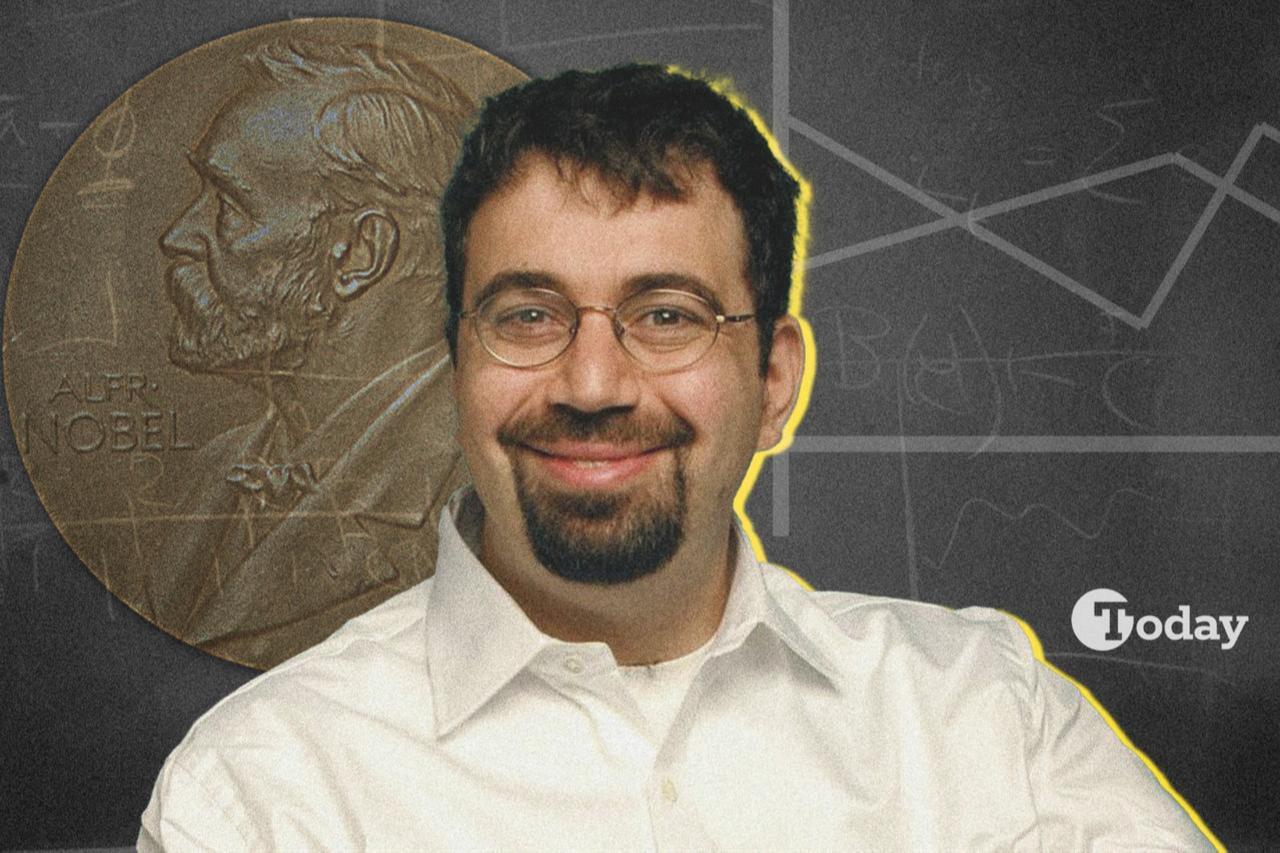


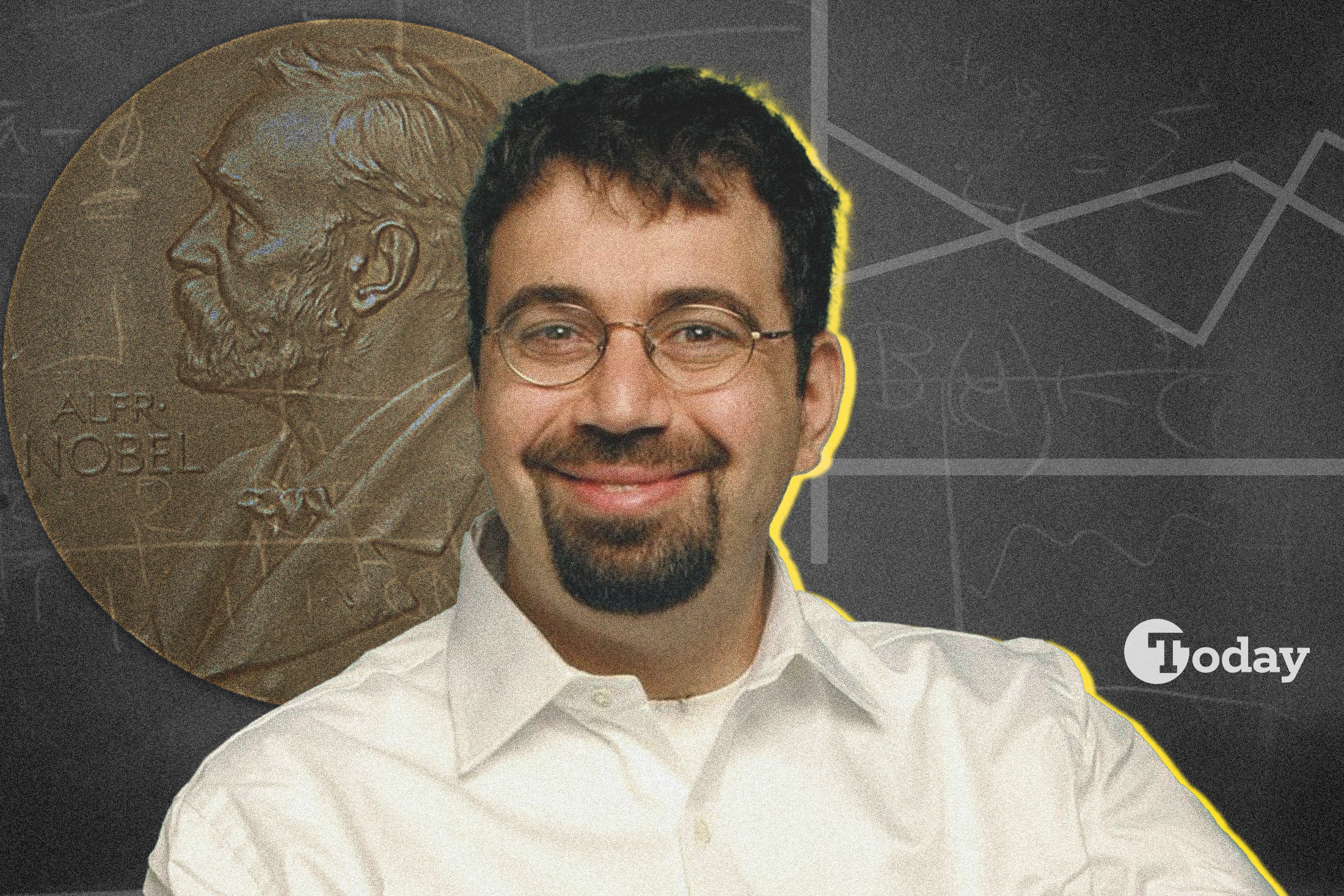
Turkish scholar and 2024 economics Nobel laureate Daron Acemoglu cautioned against the U.S. Federal Reserve bowing to political pressure from President Donald Trump, warning it could undermine the central bank's credibility.
Speaking in an interview during the Eurasian Development Bank Annual Meeting and Business Forum in Almaty, Kazakhstan, held on June 25-26, Acemoglu said it remains difficult to predict how new Federal Reserve Chair Kevin Warsh will approach monetary policy.
"My hope is that they won't do what Trump wants. If they do, it would seriously damage the central bank's credibility and make future monetary policy much more difficult," Acemoglu told Anadolu Agency.
U.S. President Donald Trump has repeatedly clashed with the Federal Reserve over interest rates since returning to office for a second term, arguing that lower borrowing costs would boost economic growth and reduce the federal government's financing burden.
Trump frequently criticized former Fed Chair Jerome Powell for keeping monetary policy too restrictive and repeatedly called for immediate rate cuts, raising concerns about political pressure on the traditionally independent central bank.
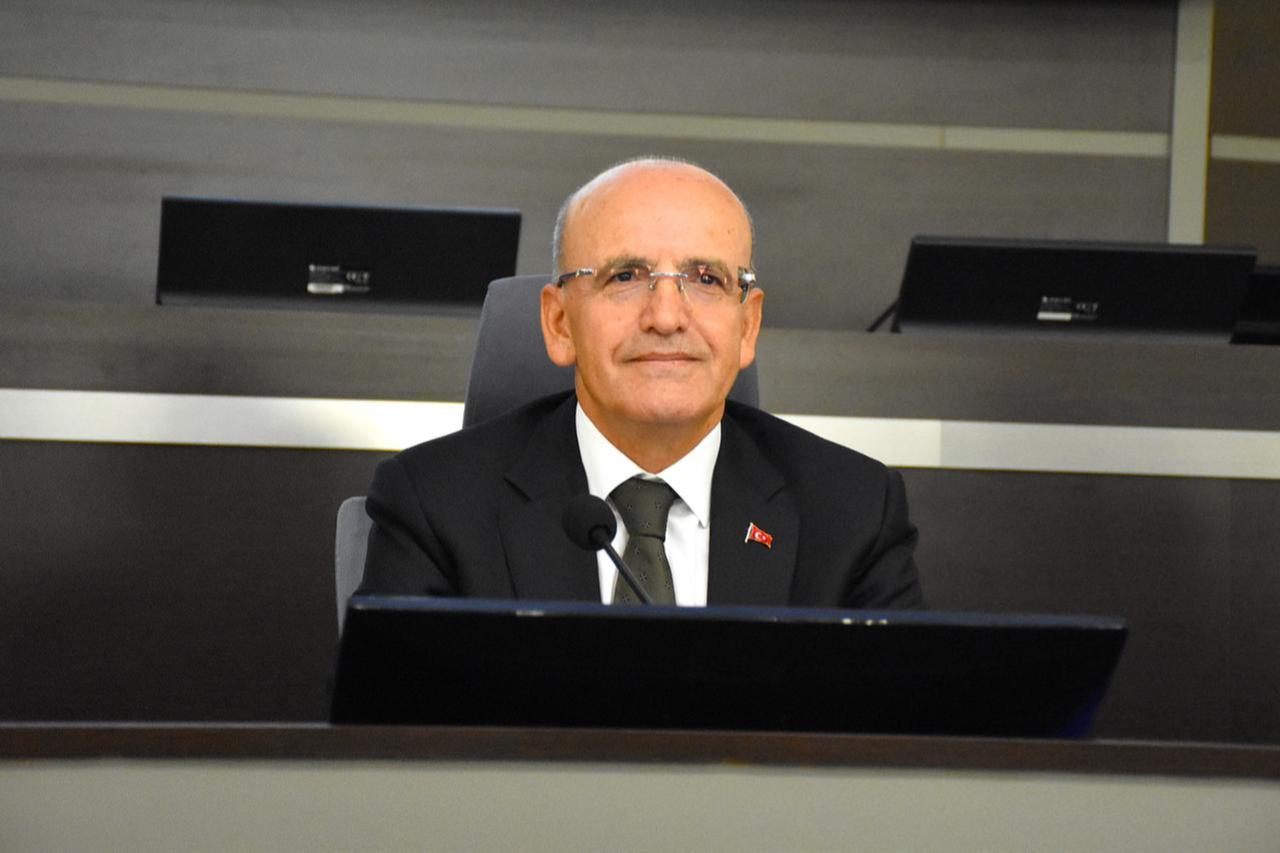
In January 2026, Trump nominated former Federal Reserve Governor Kevin Warsh to succeed Powell after the latter's term expired. Warsh, who served on the Fed's board of governors from 2006 to 2011 during the global financial crisis, took office with a reputation as a monetary policy hawk despite winning Trump's endorsement.
Expectations that Warsh would quickly steer the Fed toward lower interest rates have so far gone unmet. At its first policy meeting under his leadership, the Federal Open Market Committee left its benchmark interest rate unchanged at 3.5%-3.75%, stressing that inflation remains above its 2% target and signaling that further tightening could still be needed if price pressures persist.
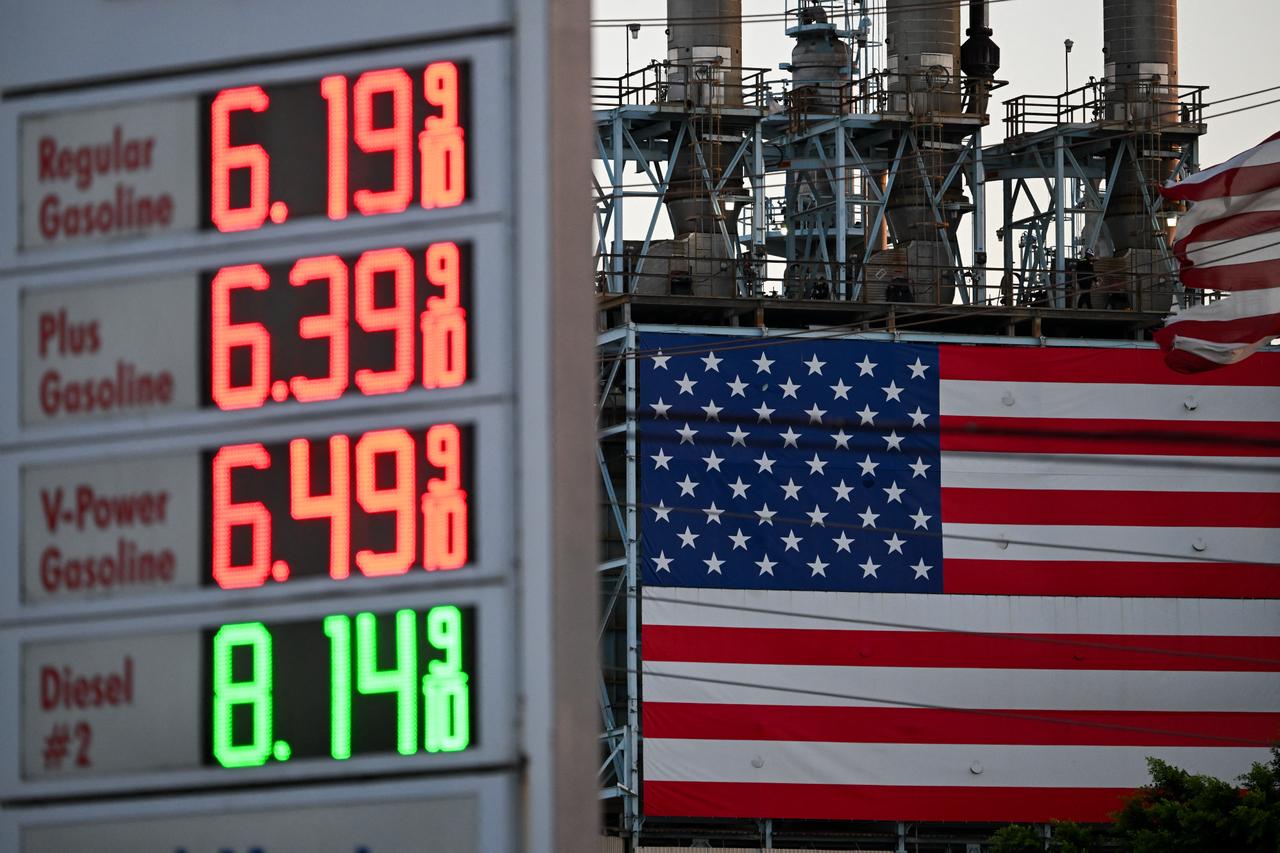
Acemoglu also addressed the economic fallout from the conflict that followed U.S. and Israeli attacks on Iran, arguing that the biggest immediate impact has been on energy prices, with food costs also coming under pressure.
Rising commodity prices, he suggested, could further complicate the monetary policy outlook by fueling inflationary risks and making it harder for central banks to pivot toward lower interest rates.

Beyond monetary policy, Acemoglu described the current period as an "age of uncertainty," pointing to geopolitical tensions, demographic shifts and climate change alongside the rapid rise of artificial intelligence.
He argued that AI offers major opportunities but also raises questions about who will benefit from the technology. A heavy focus on automation, he warned, could eliminate jobs and deepen inequality, while AI designed to support workers could boost wages and create new employment.
Acemoglu also questioned whether the industry's massive investments will generate sufficient returns, noting that AI companies would need around $1 trillion in revenue to justify current spending. If those returns fail to materialize, investors could pull back, triggering a broader downturn in the sector.
He also dismissed claims that AI will produce a dramatic productivity boom within the next five years, arguing that businesses are likely to adopt the technology gradually, especially small and medium-sized firms in the U.S, Türkiye and Europe.
Acemoglu warned that growing competition between the U.S. and China over semiconductor technology is making it harder for the world's two largest economies to cooperate on global challenges.
"China and America need to coordinate somehow. The challenges ahead are global. They are not risks or problems that a single country can handle alone. But these chip wars and the AI race make that coordination much harder. They push the two countries into complete competition, and I think that increases the risks," he said.
He added that countries should develop AI strategies tailored to their own workforces and capabilities by investing in domestic applications, companies and institutions.


 Set as preferred source
 Set as preferred source


 2 min read
 1 min read