Newsletters


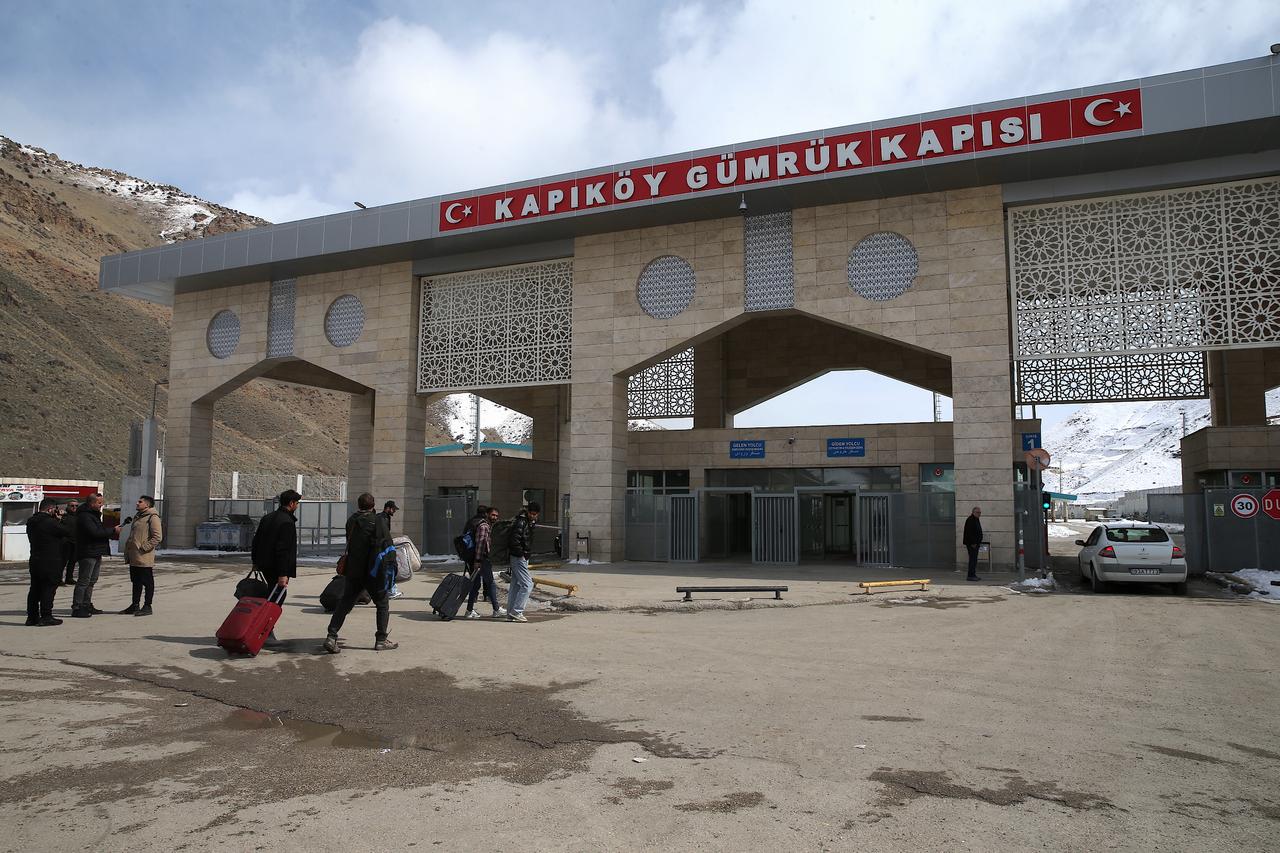


Türkiye’s trade with Iran continues without disruption, with goods transport and passenger crossings operating normally at three border gates, Trade Minister Omer Bolat said on Tuesday.
"Commercial transport and passenger crossings continue in a controlled manner," Bolat stated, adding that the government is monitoring economic developments linked to conflicts in the region and has introduced precautionary measures to limit potential impacts on trade.
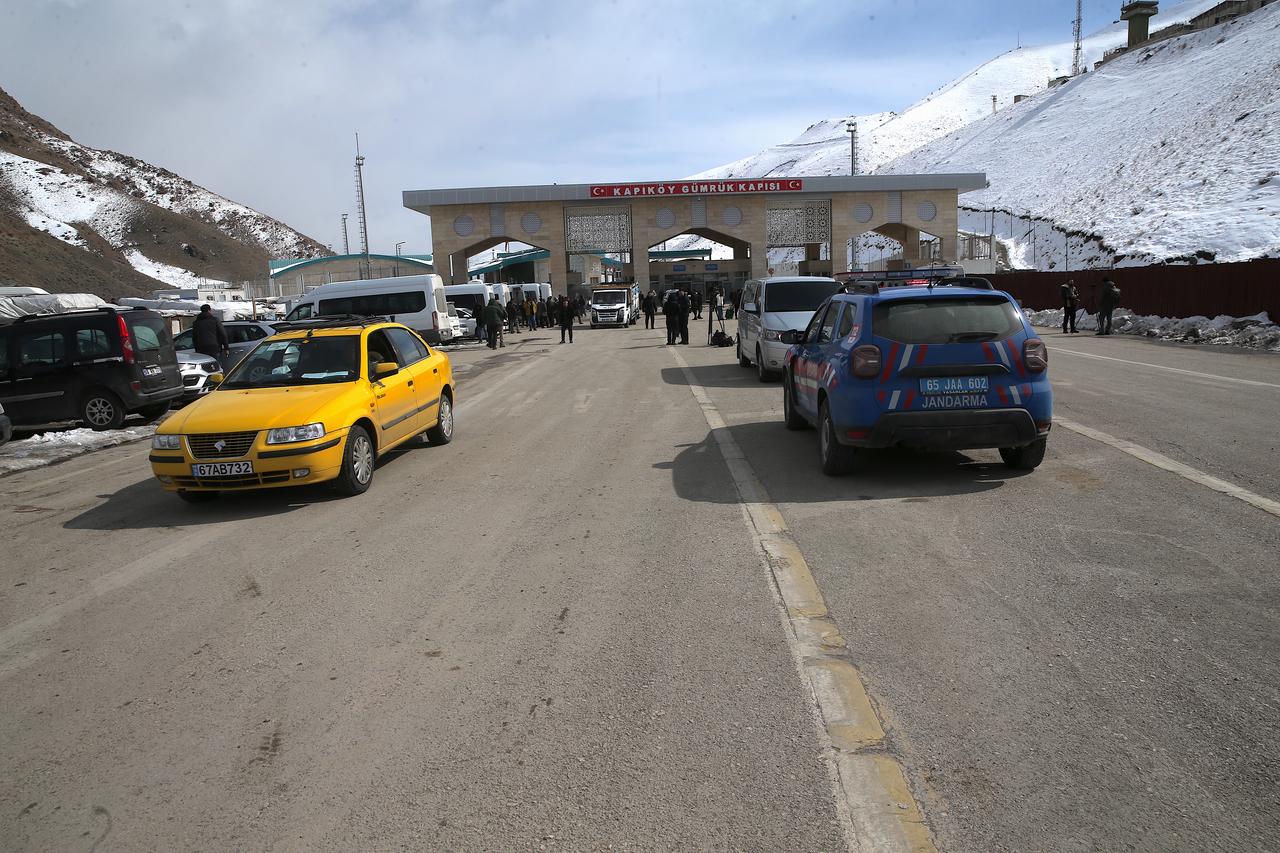
Türkiye and Iran share a 560-kilometer land border that functions as a key overland corridor linking Europe and Asia. Land trade between the two countries is carried out through the Gurbulak, Kapikoy and Esendere border gates.
The ministry announced last week that same-day passenger crossings from Iran had been suspended at the height of U.S. and Israeli strikes on the country. Land border checkpoints remained open, but only Turkish citizens and third-country nationals were allowed to enter Türkiye from Iran, while other travelers faced delays at the border gates.

As of the end of 2025, total trade between Türkiye and Iran stood at about $5.5 billion. Of this amount, roughly $3 billion came from Turkish exports, while around $2.5 billion consisted of imports from Iran.
Natural gas delivered via pipeline dominates imports from Iran, with the country ranking third among suppliers to Türkiye after Russia and Azerbaijan, with a 14% share.
Metal products and agricultural goods make up most of Türkiye’s imports from Iran through land trade, including aluminum, zinc, iron and steel, as well as fruits, nuts and other seasonal produce.
More than 250,000 trucks passed through the three border gates between the two countries in 2025, according to customs data.


 Set as preferred source
 Set as preferred source


 1 min read
 1 min read