Newsletters


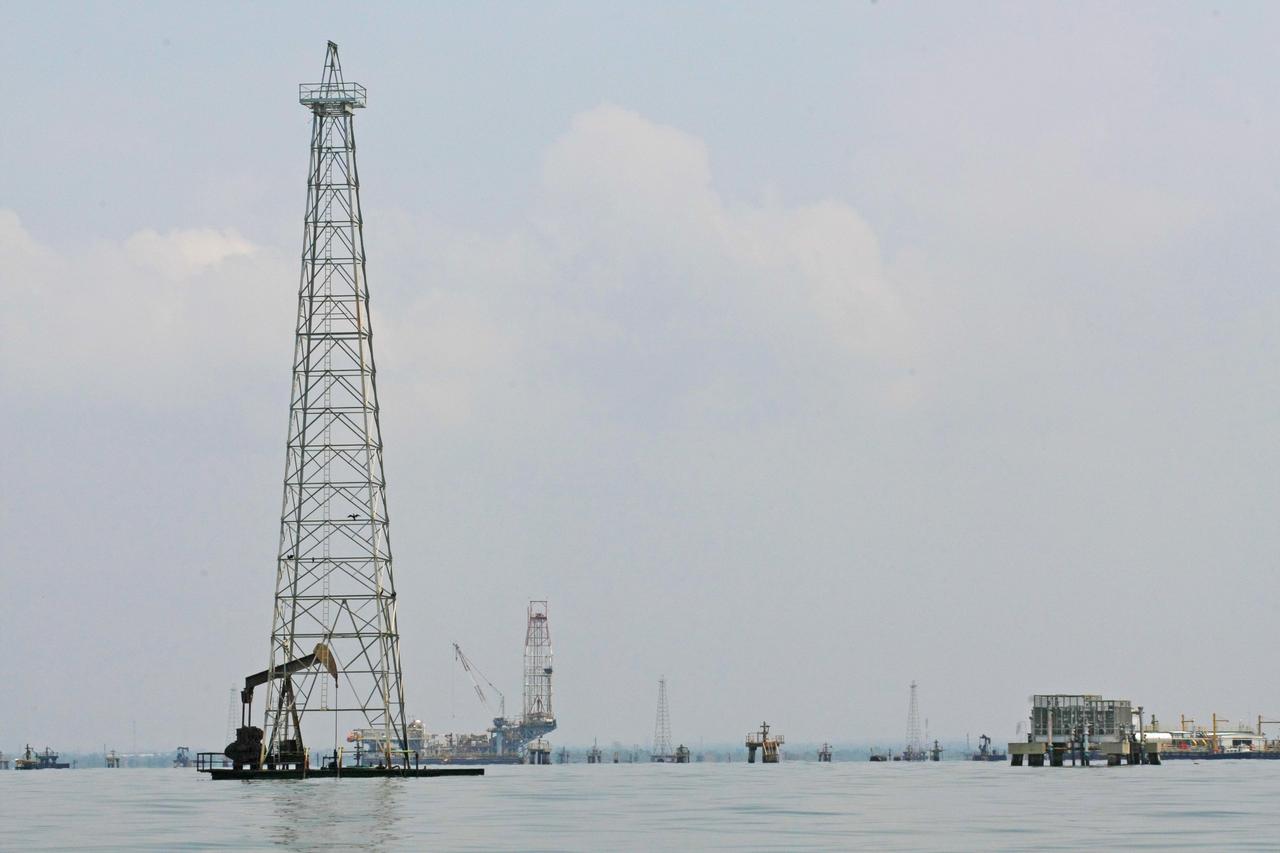


U.S. President Donald Trump announced Friday that Washington had finalized an agreement with Venezuela, giving the United States majority control of more than 65 billion barrels of proven oil reserves.
"The United States of America has just entered into an agreement with the country of Venezuela on the biggest oil deal in world history," Trump wrote on Truth Social.
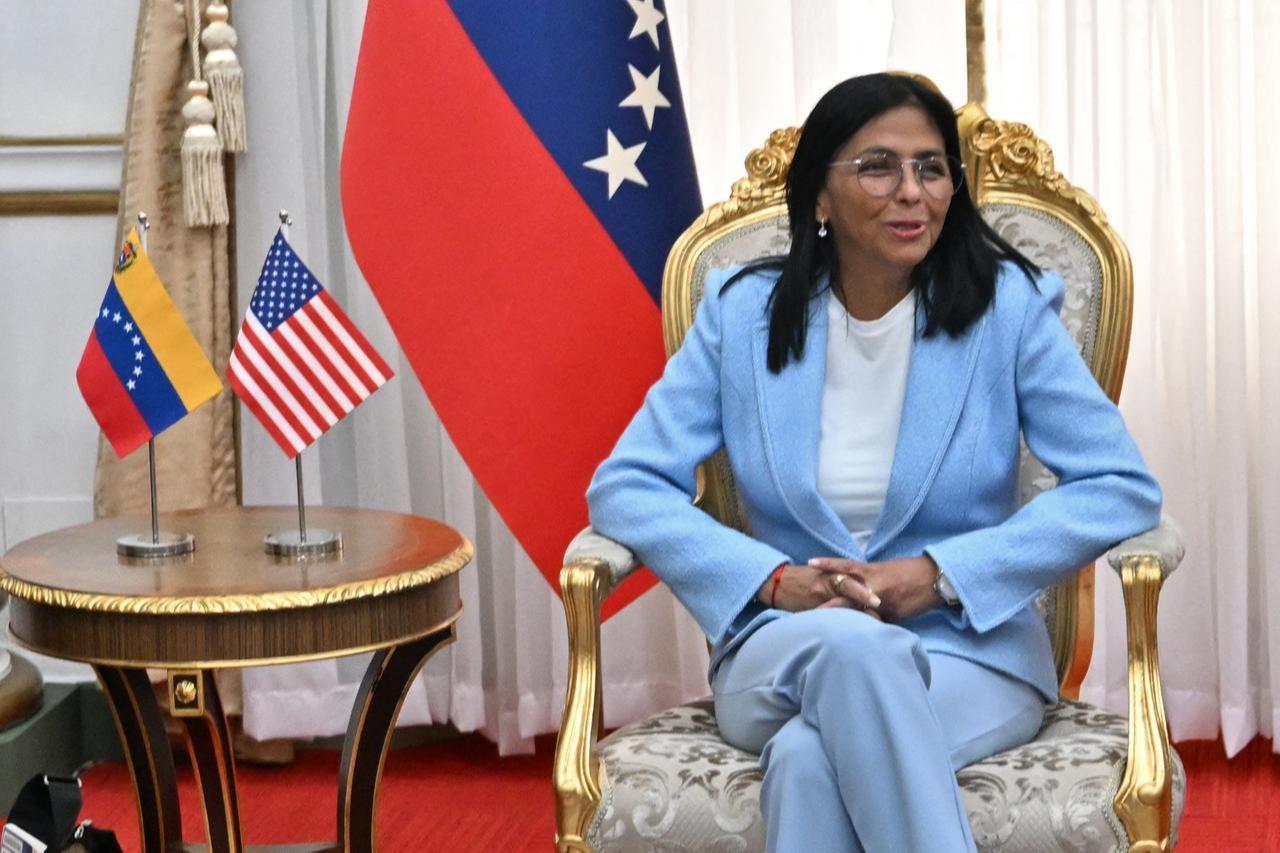
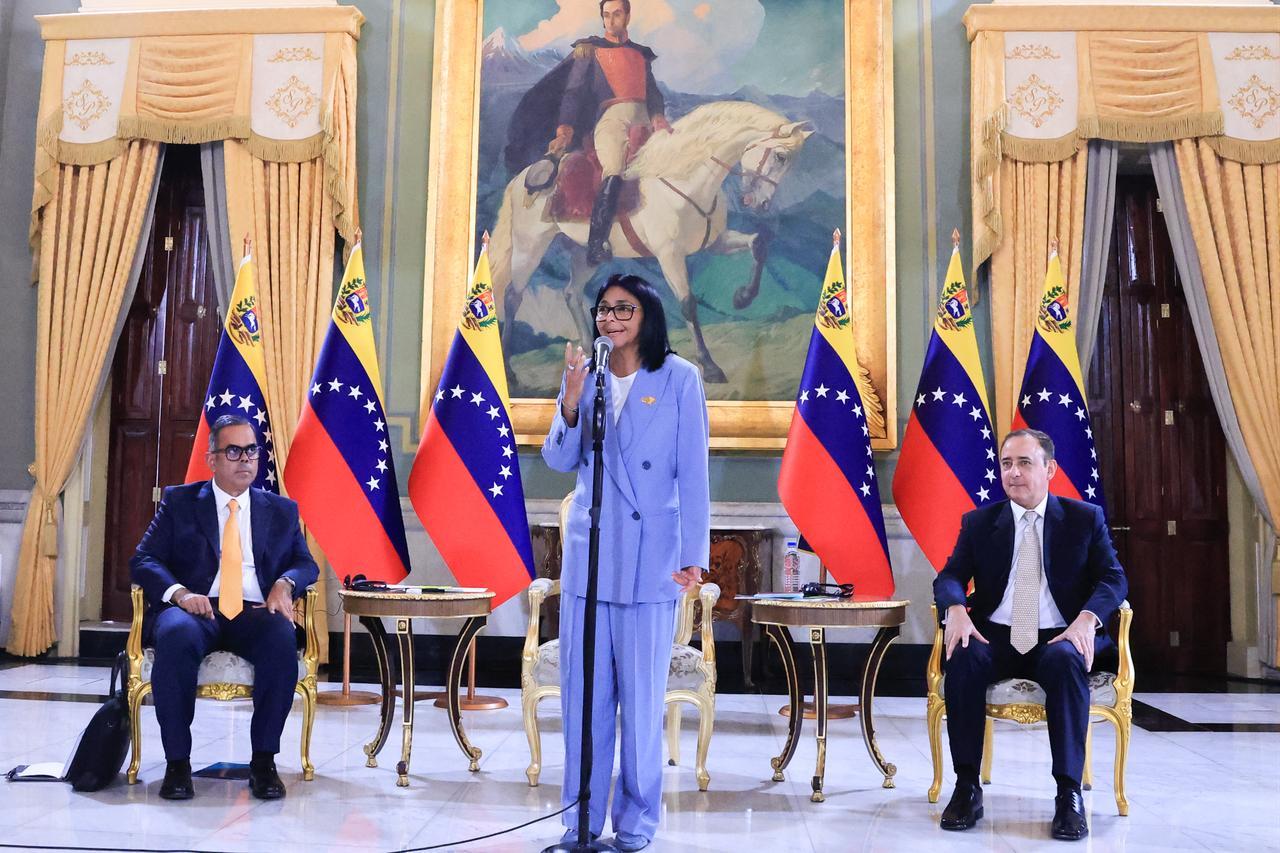
Trump credited Secretary of State Marco Rubio and Defense Secretary Pete Hegseth with working alongside Venezuelan interim leader Delcy Rodriguez to finalize the deal. Rodriguez had taken over as interim president in January after a U.S. military operation captured longtime President Nicolas Maduro.
Trump said the agreement was reached through a partnership with private industry and would not cost American taxpayers.
He claimed the deal would more than double existing U.S. oil reserves and "substantially lower gas prices" for Americans in the long term while supporting prosperity in Venezuela.
Rubio called the deal a "huge win" for both countries and said it would bring nearly $100 billion in private investment to Venezuela.
Rodriguez described the agreement as a "historic milestone" that would help drive the "nation’s revival." She said the initiative resulted from stronger ties with Washington and would channel capital into the recovery and reconstruction of strategic infrastructure in the hydrocarbons sector.
Rodriguez said the pact involved developing 17 strategic fields with a proven potential of 65 billion barrels. She projected more than $100 billion in investment and more than $209 billion in tax revenue for Venezuela.
U.S. Energy Secretary Chris Wright is expected to travel to Venezuela next week.

Venezuela holds the world’s largest proven oil reserves, but years of underinvestment, operational problems and sanctions have left its oil industry well below its historical production levels. OPEC’s latest data puts the country’s proven crude oil reserves at 303.221 billion barrels at the end of 2024.
Most of those reserves consist of heavy crude concentrated in the Orinoco Oil Belt, making production more costly and technically demanding than lighter grades. Output has fallen sharply from its peaks in the late 1990s and early 2000s, with weak reinvestment and the loss of technical expertise contributing to the decline.
Reuters reported in August that Venezuelan oil exports had reached about 1.25 million barrels per day, but outdated ports were struggling to handle shipments, with some tankers waiting up to 30 days to load.
The country’s refining system also remains in poor condition, with major facilities operating well below capacity after years of maintenance problems and underinvestment.
The Trump administration has urged U.S. companies to invest in Venezuela, but firms remain cautious because of deteriorating infrastructure and the government’s past appropriation of foreign investors’ assets.
Chevron, the only U.S. oil company still operating in Venezuela when Maduro was ousted, said in July that it had raised daily crude production to 280,000 barrels and planned to increase output by 50% by the end of 2028.
Foreign investment is also beginning to pick up under the new framework, with Chevron moving to expand its Venezuelan operations and oil-services company SLB gaining access to PDVSA’s oilfield data as companies weigh opportunities in the sector.


 Set as preferred source
 Set as preferred source


 1 min read
 1 min read