Sign in
 Newsletters


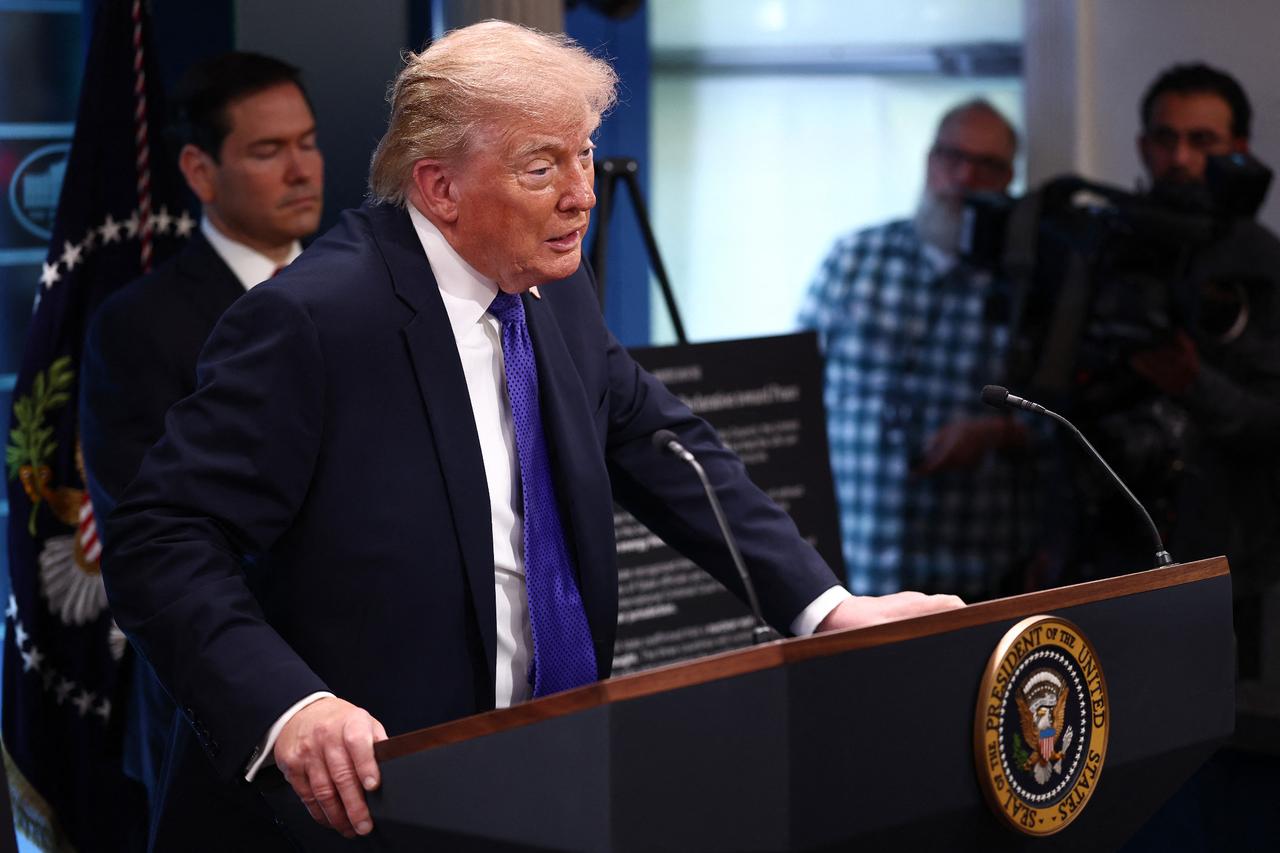


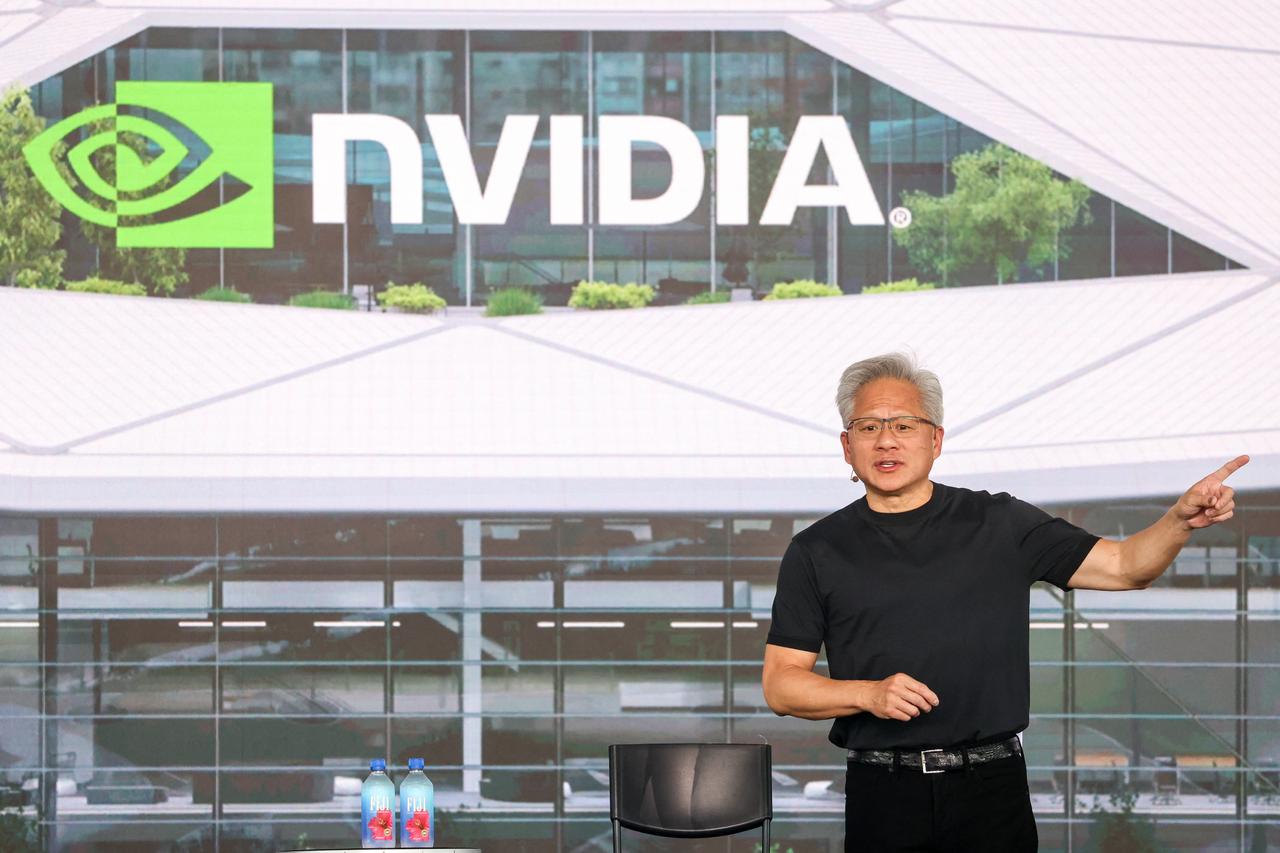
United States President Donald Trump welcomed Nvidia's decision Monday to reinstate Jensen Huang as chief executive, dismissing national security concerns surrounding the AI chipmaker's co-founder despite mounting criticism from Democrats and some Republicans over his alleged links to a suspected Chinese intelligence operative.
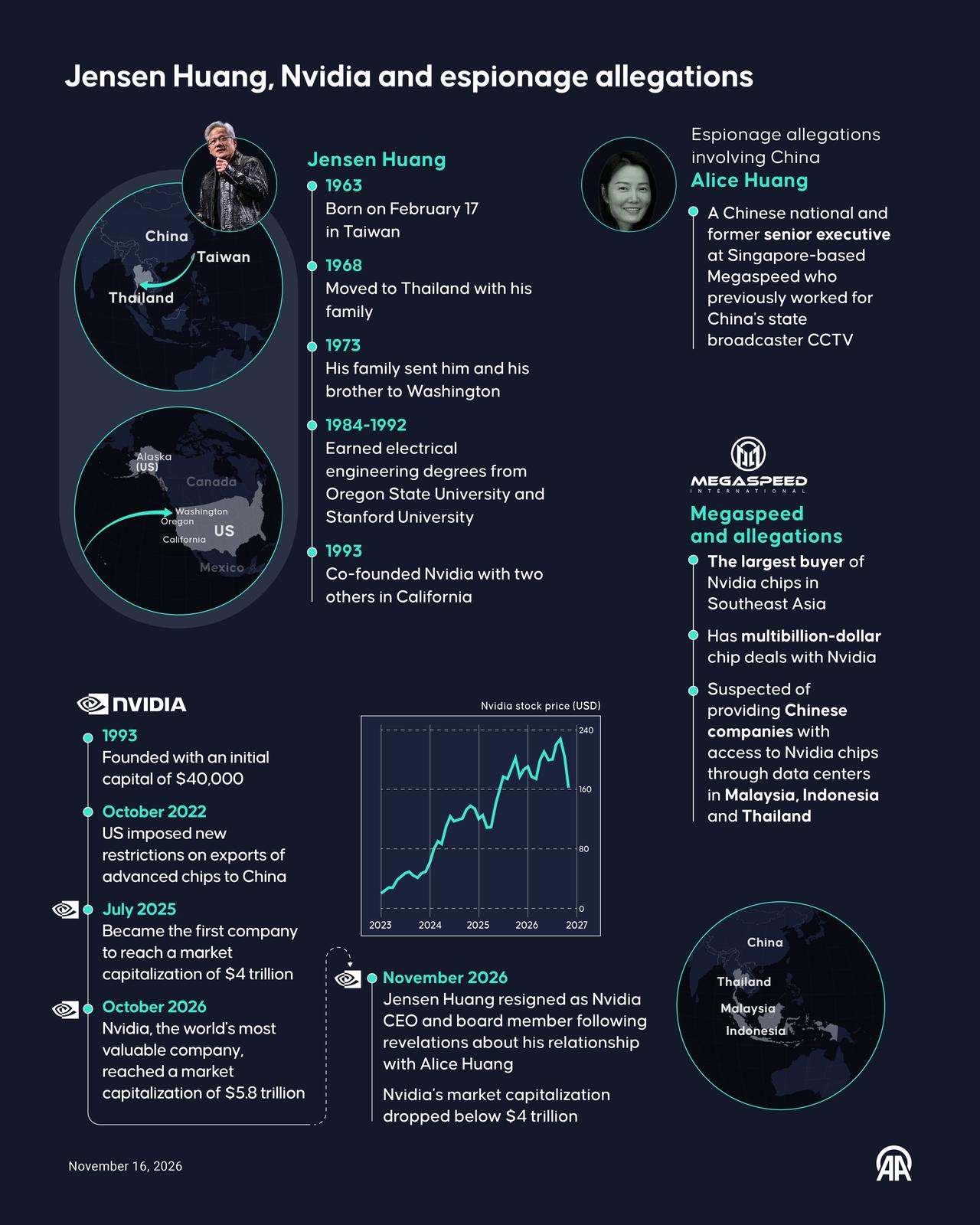
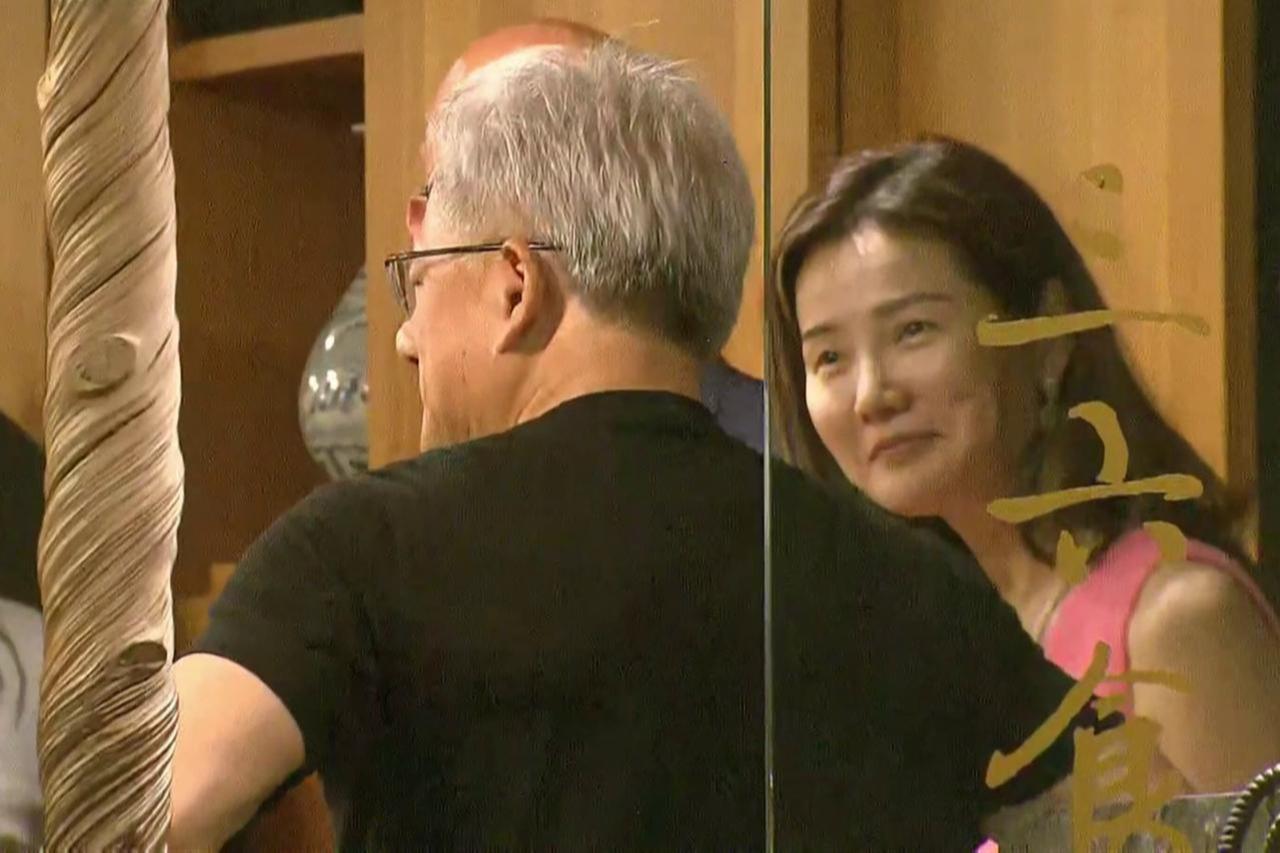
Huang returned to the company less than two weeks after resigning Nov. 12 following revelations of extramarital affairs, including one with a businesswoman whom U.S. authorities suspect of spying for China. Beijing has denied the espionage allegations.
"The NVIDIA Board of Directors has made the correct and proper decision to return Jensen Huang to the position of CEO," Trump wrote on Truth Social.
The president called Huang "a Great Patriot" and said the U.S. government had no reason to believe his return posed a national security threat.
Trump said the attorney general had confirmed that authorities possessed no evidence Huang had engaged in unlawful conduct, although he urged Nvidia to continue examining its compliance with restrictions on advanced semiconductor exports to China.
In a subsequent telephone interview with CNBC, Trump suggested the controversy could ultimately benefit Nvidia by drawing attention to the company's technological capabilities.
"I don't think he's going to be diminished at all," Trump said, predicting Huang could return at "an almost higher level."
"He's apologized for his indiscretion, which was unfortunate," he added.
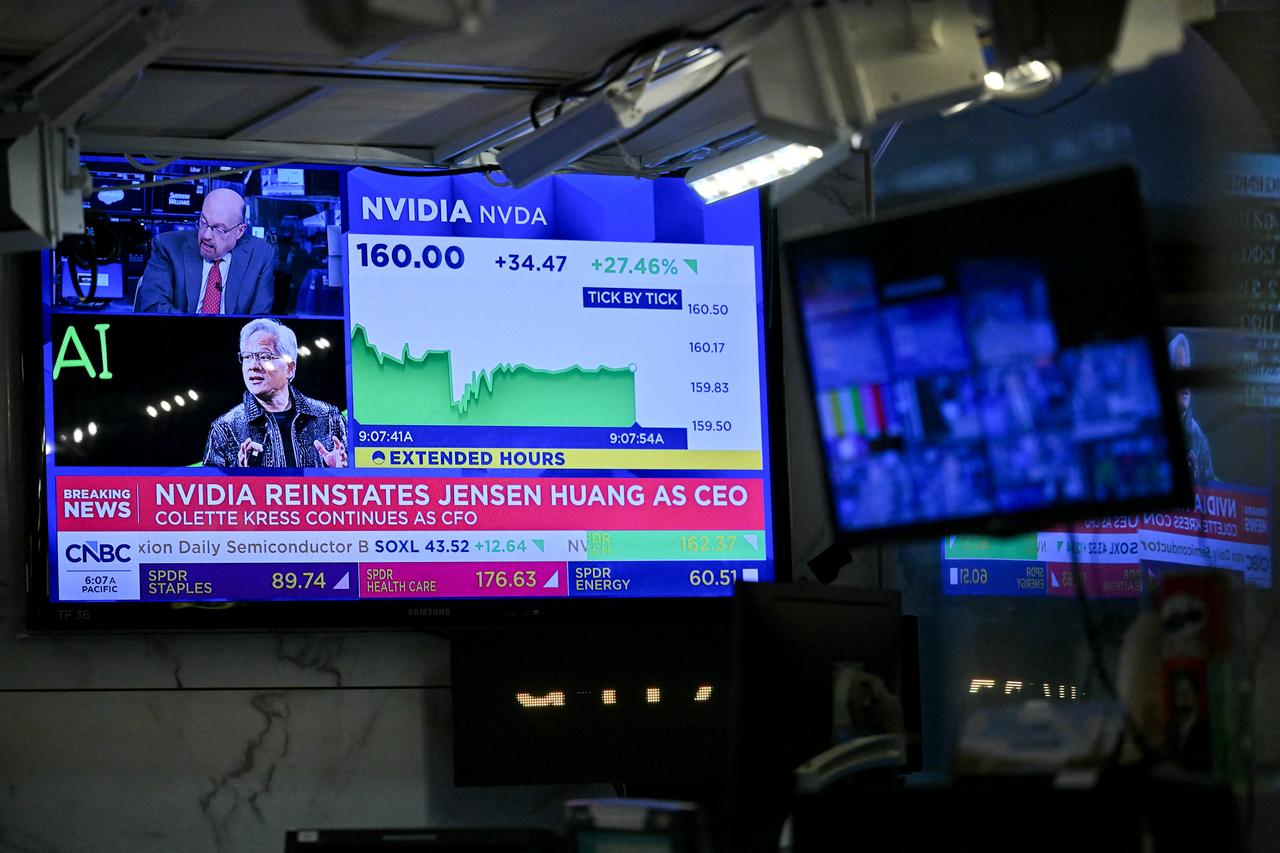

Nvidia shares surged more than 30% in early trading Monday following the announcement, reversing part of a steep selloff triggered by Huang's departure.
The stock climbed as high as $171.30 from Friday's closing price of $125.53, adding more than $1 trillion in market value and lifting the company's valuation to approximately $4.03 trillion as of 1520 GMT.
The rally also boosted other semiconductor companies, including Advanced Micro Devices, Broadcom and Micron Technology, while the tech-heavy Nasdaq jumped nearly 6% at the opening.
Nvidia announced that its board had unanimously voted to restore Huang as president, chief executive and a member of the board, effective immediately.
The company said directors reached their decision after discussions with Huang that satisfied them about his candor and ability to lead the business.
Nvidia also acknowledged receiving input from senior U.S. government officials, which it said gave directors confidence that Huang's reinstatement would not pose a national security risk.
"I am honored to return to NVIDIA and lead one of the most consequential technology companies in the world at the beginning of a new industrial revolution," Huang said in a statement.
Board Chair Harvey C. Jones expressed confidence in Huang's leadership and thanked Colette Kress, who served as interim chief executive while retaining her responsibilities as chief financial officer.
The decision drew sharp criticism from Democratic lawmakers, who argued that questions surrounding Huang's relationship with the suspected Chinese intelligence operative and Nvidia's business dealings remained unresolved.
"Nvidia's decision to reinstate Jensen Huang is outrageous," said Democratic Rep. Raja Krishnamoorthi, a member of the House Intelligence Committee.
"We still don't know what information Chinese intelligence may have obtained from him, and neither the government nor Nvidia's own board has completed its investigation."
Krishnamoorthi called for Huang to testify publicly before Congress.
Democratic Sen. Elizabeth Warren described the reinstatement as "reckless" and demanded an explanation of what information senior Trump administration officials had provided to Nvidia's board.
Warren also called for stronger oversight of the company's compliance with U.S. export restrictions on advanced semiconductor technology.
Democratic Rep. Debbie Dingell characterized the decision as "irresponsible," while Illinois Gov. JB Pritzker accused Nvidia and the administration of showing "greed and lack of accountability."
Criticism also emerged from within Trump's Republican Party.
Outgoing Republican Rep. Don Bacon alleged on X that Huang had been "compromised and exploited by a Chinese spy" and argued that Nvidia should have resisted pressure from the administration to restore him.
Bacon also demanded an investigation into who authorized the sale of advanced semiconductor chips to China.
Outgoing Republican Sen. John Cornyn challenged Trump's assurances that Huang's reinstatement carried no security risks.
"No national security risk? Based on what?" Cornyn wrote on X.
Trump declined Monday to comment on a New York Times report alleging that the woman at the center of the controversy had been in contact with an official from China's principal intelligence agency during her relationship with Huang.
Treasury Secretary Scott Bessent had said Sunday that the administration needed more information about Nvidia's overseas sales of advanced chips.
Nvidia said its independent directors would continue investigating reports that Huang had been targeted by a foreign intelligence operation, with the returning chief executive pledging full cooperation.
The company also established a National Security and Export Control Committee to strengthen oversight of trade compliance and potential security risks.
In addition, Nvidia announced plans to appoint a new chief compliance officer as it continues cooperating with government investigations and inquiries.
The decision leaves Huang back in charge of one of the world's most valuable technology companies while questions about its export-control practices and the alleged foreign intelligence operation remain under investigation.


 Set as preferred source
 Set as preferred source


 1 min read
 1 min read