Sign in
 Newsletters


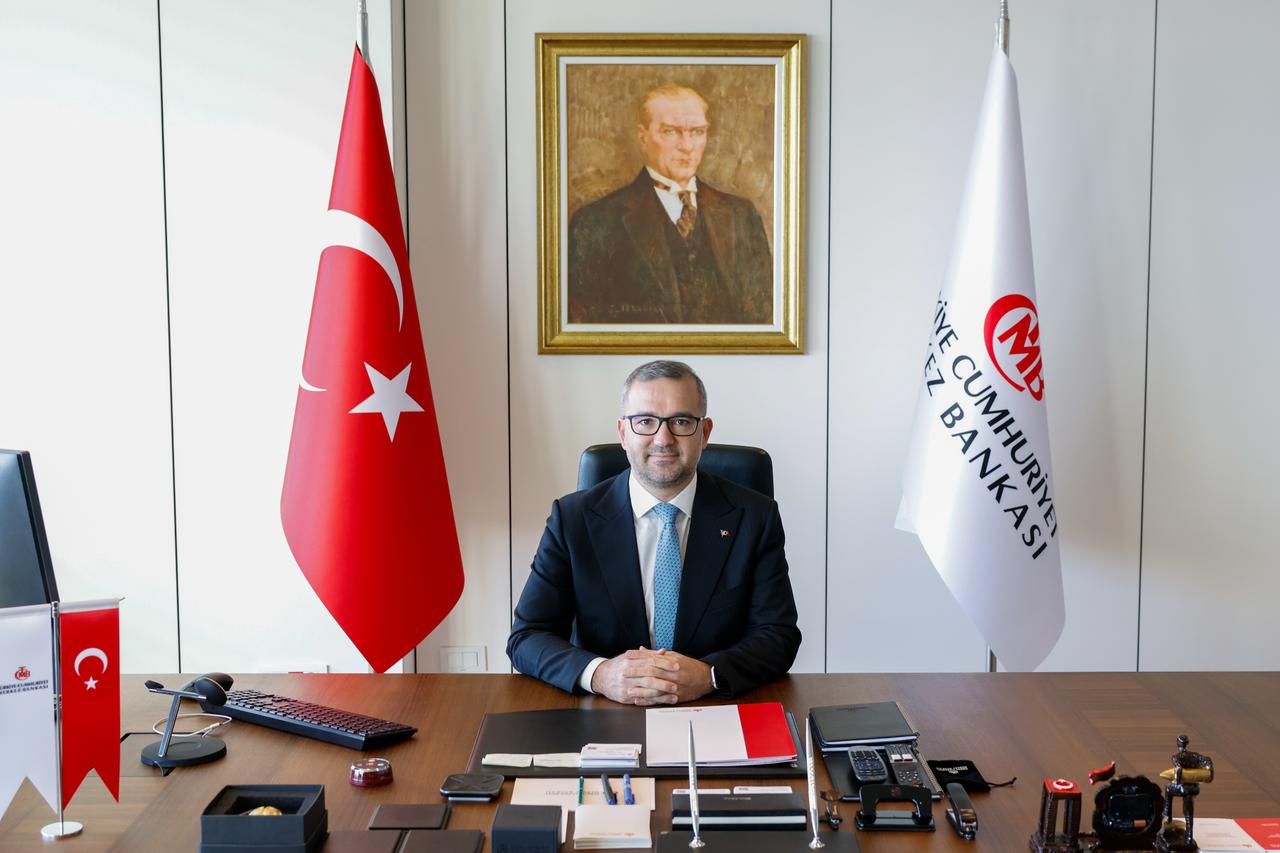


Türkiye's central bank is prepared to deploy gold-linked financial instruments to bolster its foreign exchange position if needed, Governor Fatih Karahan said Monday, as falling gold prices and global market volatility put pressure on the country's international reserves.
Speaking in an interview with Turkish news agency Anadolu , Karahan said the Central Bank of the Republic of Türkiye (CBRT) had a range of instruments available to manage the composition of its reserves and maintain liquidity.
"We take a proactive, flexible and controlled approach to managing our reserves and liquidity instruments," Karahan said.
"If necessary, we can proactively use any gold-linked instrument to strengthen our foreign exchange position," he added.
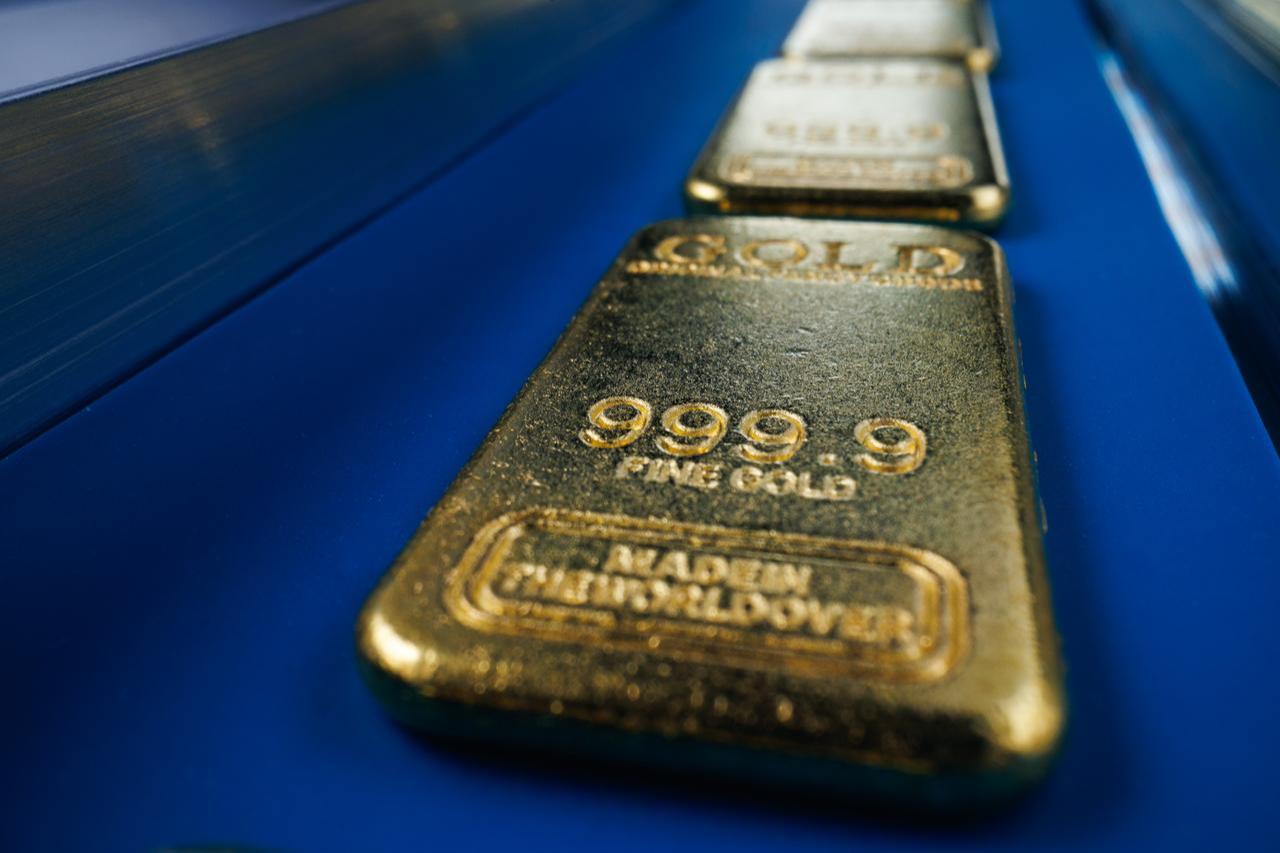
The governor said gold accounted for more than 60% of the central bank's total reserves, making movements in the precious metal's price particularly significant for Türkiye's reserve position.
He noted that the bank had conducted gold swap transactions following the outbreak of the U.S.-Israeli war with Iran earlier this year and closed those positions when they matured.
Karahan said Türkiye's diverse domestic and international gold markets allowed the central bank to use the metal actively as both a reserve management and monetary policy instrument.

The remarks come after a substantial decline in Türkiye's gross international reserves amid geopolitical tensions and volatility in global financial markets.
According to Karahan, gross reserves stood at $210 billion before the war but had fallen to $159 billion as of Nov. 13.
Approximately $32 billion of the $51 billion decline resulted from changes in gold valuations, he said.
Karahan attributed further pressure on reserves to a recent decline in gold prices and deteriorating global risk sentiment, which prompted some international investors to reduce their exposure to emerging markets.
He argued that the resulting capital outflows did not reflect a deterioration in Türkiye's underlying economic fundamentals.
The governor also said the central bank had resumed Turkish lira-foreign exchange swap transactions with commercial banks following the outbreak of the war.
Those transactions initially remained relatively limited but could increase depending on banks' liquidity needs, he added.
Karahan said the central bank expected reserves to recover as global financial conditions stabilized, emphasizing that international reserves were accumulated to cushion the economy against temporary shocks.
The governor also indicated that the central bank was prepared to use additional monetary and liquidity measures if demand for the Turkish lira weakened.
He identified the policy interest rate as the bank's primary instrument but said macroprudential measures and liquidity tools could also be deployed when necessary.
Karahan added that coordinated measures, including possible adjustments to withholding taxes, could be considered to encourage lira-denominated savings.
He said household demand for foreign currency had remained limited despite geopolitical shocks, interpreting the continued demand for Turkish lira assets as a sign of confidence in the bank's monetary policies.
The central bank's principal objective remained preserving the disinflation process and achieving price stability, he said.
Karahan said Türkiye's annual inflation stood at 29.8% in October, while indicators of its underlying trend pointed to an annualized rate of approximately 24%.
The underlying trend had risen to around 30% during the March-June period as the effects of the Iran war became more pronounced before beginning to decline in July, he said.
The governor noted that annualized three-month inflation for core goods had fallen to approximately 12%, while the corresponding measure for services declined from 39% last year to 31% in October.
However, he warned that annual inflation could increase in November because of base effects in food prices.
Karahan also said Türkiye's rolling 12-month current account deficit had risen from approximately $30 billion at the end of 2025 to $41 billion in August before easing to $39 billion in September.
Despite persistent energy-related pressures, the governor maintained that tight monetary policy had helped limit the deterioration in inflation expectations and reiterated the central bank's commitment to maintaining price and financial stability.


 Set as preferred source
 Set as preferred source


 1 min read

 1 min read