Newsletters


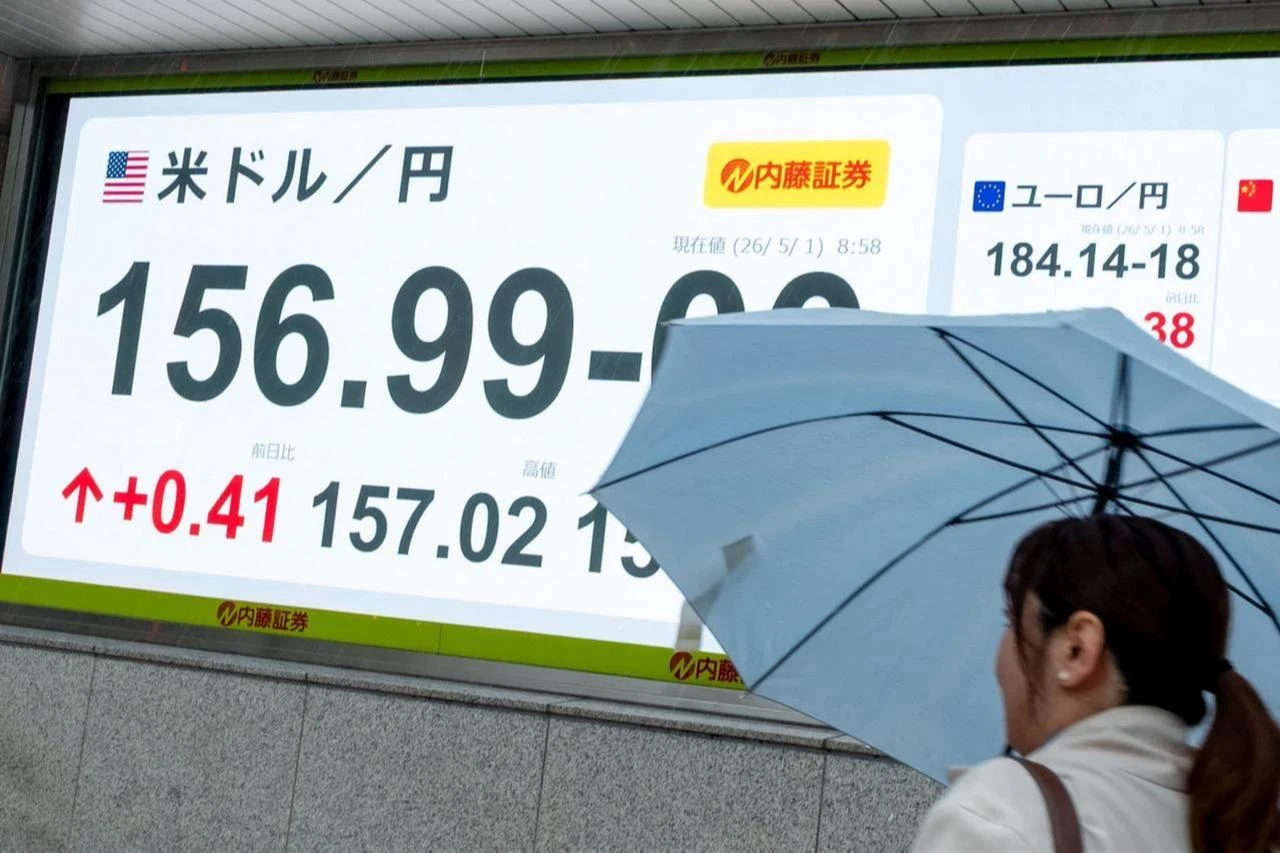


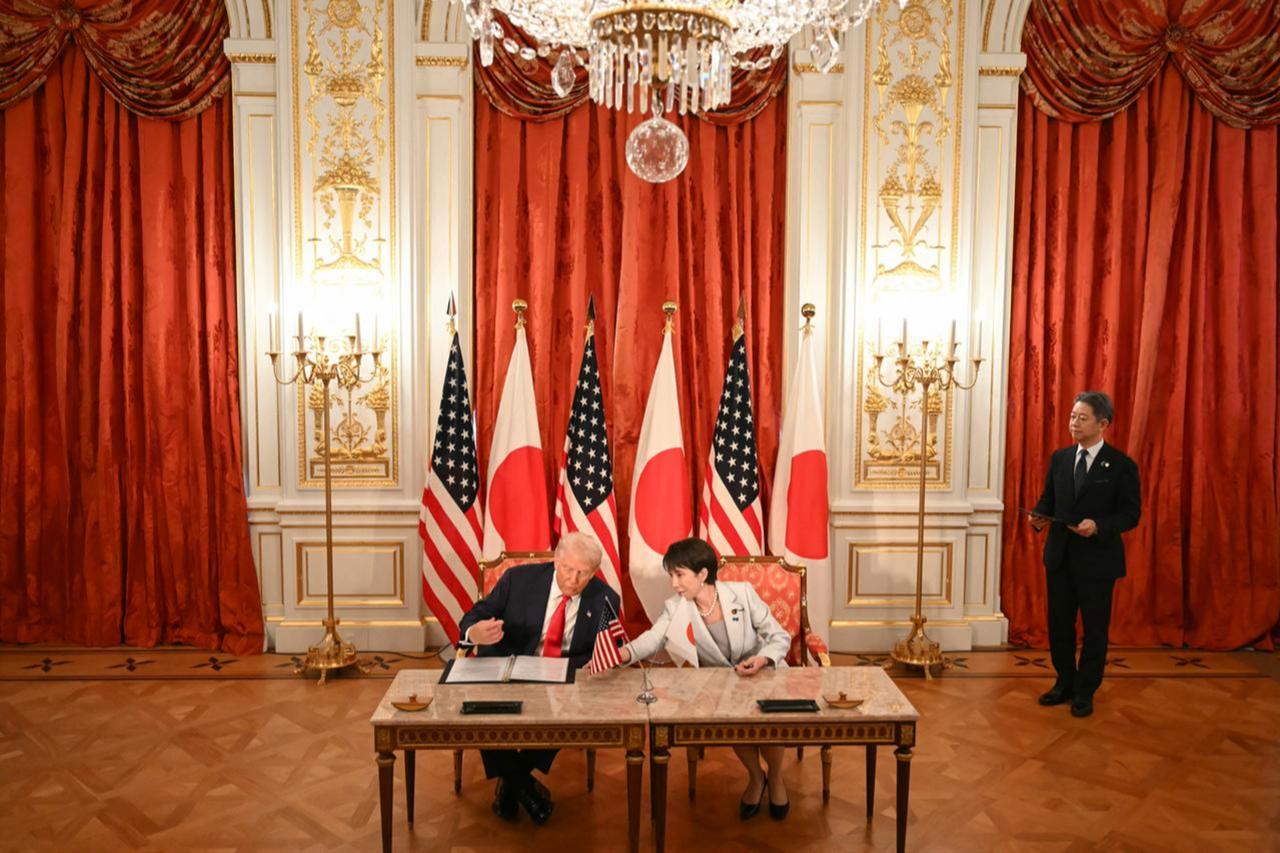
U.S. President Donald Trump confirmed Sunday that Washington had joined Japan in intervening to support the yen, calling the move a “signal of friendship” that he said would benefit the U.S. financially and support the global economy.
The Financial Times reported that the intervention involved outright yen purchases coordinated by the U.S. and Japan for the first time in nearly three decades.
Asked aboard Air Force One why Washington had supported Japan’s currency, Trump cited the countries’ close relationship.
“They have a weakening yen, and they wanted a little bit of help,” Trump said, adding that the U.S. was “always there for Japan.”
Trump said the move would bring a financial benefit to the U.S. and was also good for the global economy, but described friendship as its main purpose.
The Federal Reserve Bank of New York sold euros and purchased yen Friday on behalf of the U.S. Treasury, the Financial Times reported, citing three people familiar with the transaction.
The trades were conducted through Goldman Sachs and Morgan Stanley, according to two people cited by the newspaper.
The Treasury had previously informed several Wall Street banks that it was considering intervening to support the yen. U.S. authorities were also in contact with European Central Bank officials about the move.
The New York Fed and Goldman Sachs declined to comment, while the Treasury and Morgan Stanley did not immediately respond to requests for comment, according to the report.
Japan’s Finance Minister Satsuki Katayama confirmed that Tokyo had purchased yen in coordination with the U.S. Treasury.
She said the joint action was intended to counter excessive volatility and disorderly movements in the Japanese currency and added that Japan would not hesitate to intervene again.
U.S. Treasury Secretary Scott Bessent said the coordinated foreign exchange action had countered disorderly yen movements.
“We will not hesitate to participate in further joint intervention,” Bessent wrote on X, citing economic security and the U.S.-Japan alliance.
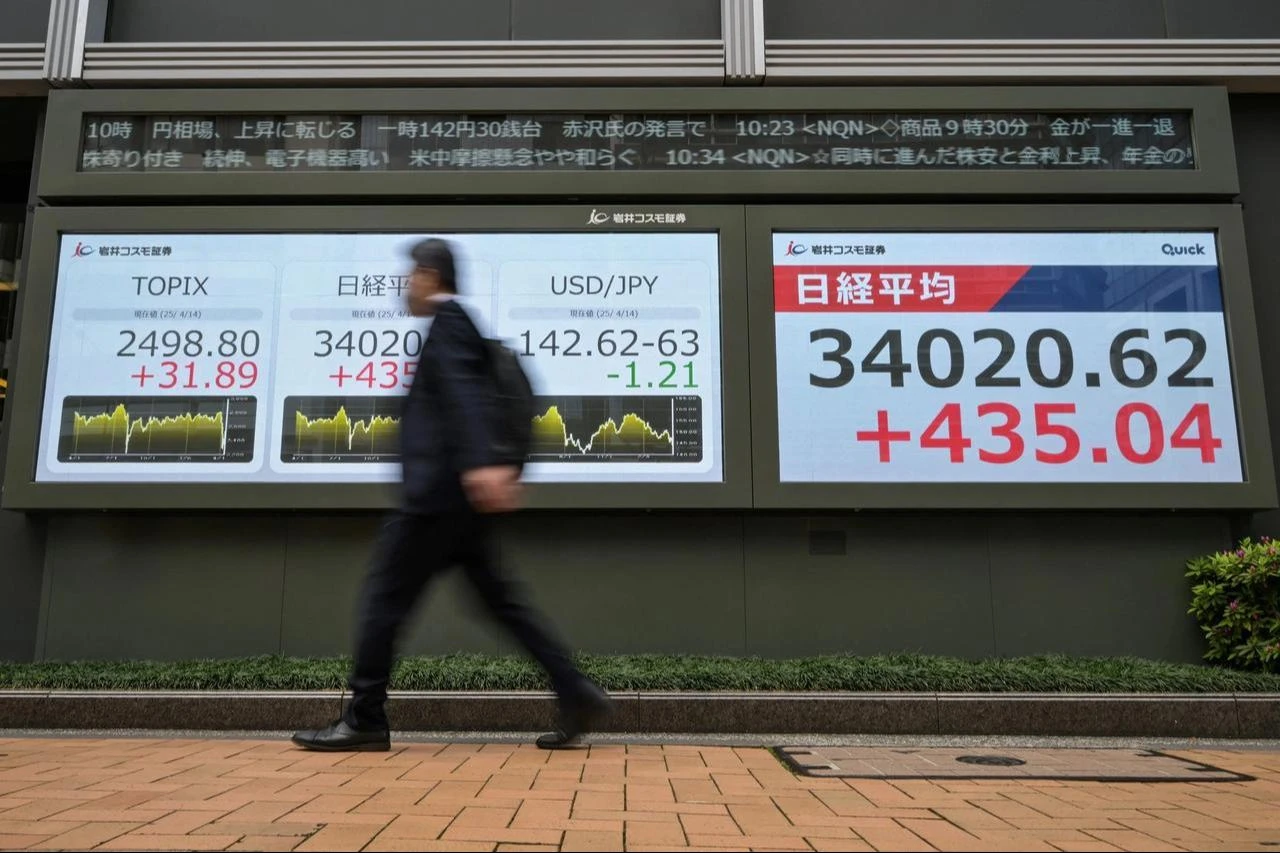

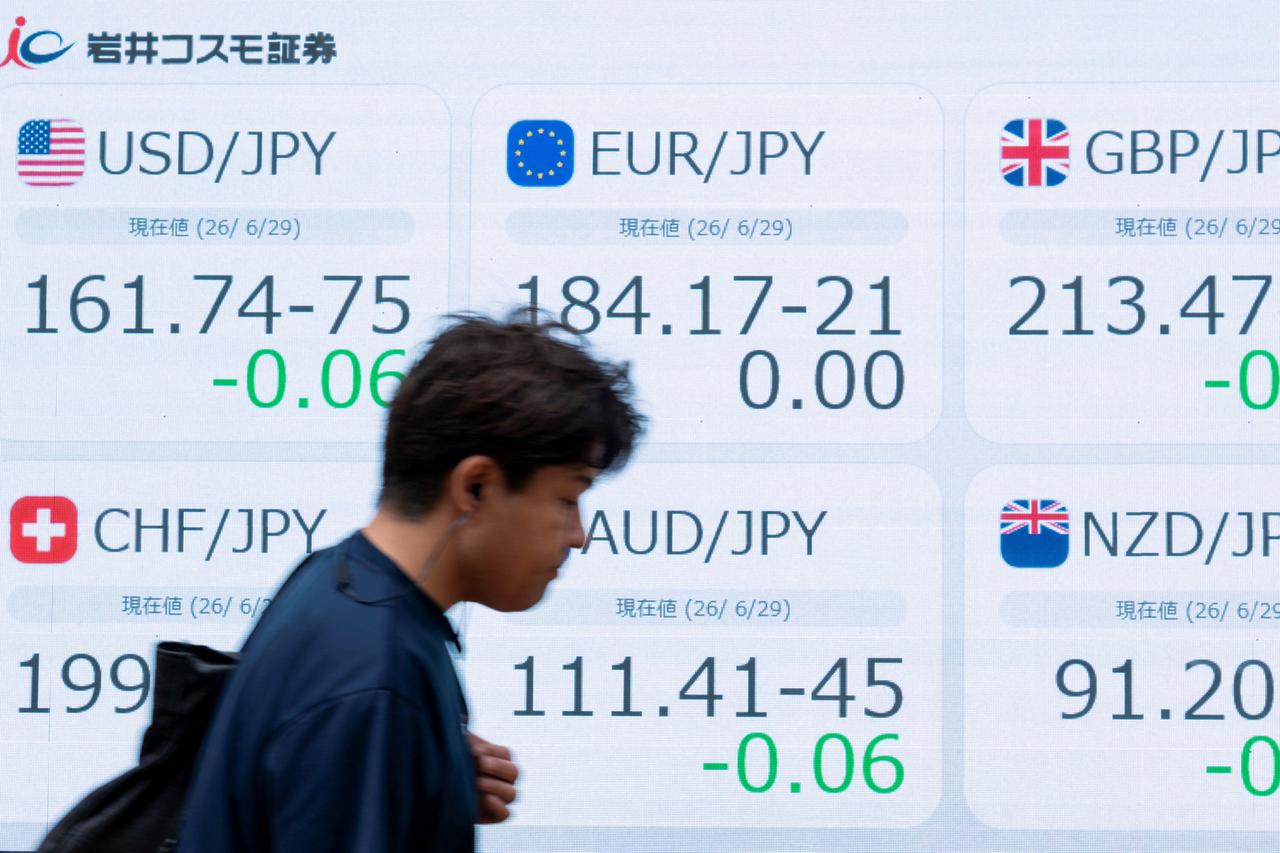
The intervention followed a sharp decline in the yen, which fell to 163.24 per dollar last month, its weakest level since 1986.
Higher U.S. interest rates, rising oil prices and continued capital outflows had weighed on the currency. Concerns over how Japanese Prime Minister Sanae Takaichi would finance her fiscal stimulus plans also pushed the yen toward 40-year lows near 164 per dollar.
The yen strengthened over several sessions as traders speculated that Japanese authorities had entered the market. The dollar fell about 4% against the yen Thursday and declined another 1.9% Friday to 157.57 yen.
Analysts using official data and broker estimates said Japan’s intervention may have totaled about 8.45 trillion yen, or $52.8 billion. The Nikkei business newspaper estimated the amount at between 6 trillion and 7 trillion yen.
The action marked the first coordinated U.S.-Japan effort involving outright purchases to support the yen since 1998.
The U.S. bought yen in 1998 after the currency fell to eight-year lows. In 2011, Washington participated in an international intervention to weaken the yen following the Tohoku earthquake and tsunami.
The New York Fed conducted a rate check on the dollar-yen exchange rate Thursday on behalf of the U.S. Treasury, according to people familiar with the matter.
Such checks, in which currency-dealing banks are asked for current exchange rates, are often seen as a possible precursor to direct intervention. The New York Fed conducted a similar check in January.
The yen strengthened to below 159 per dollar after Bank of Japan Governor Kazuo Ueda’s news conference Friday, prompting speculation that Japan’s Finance Ministry had intervened again.
One foreign exchange banker told the Financial Times that the move appeared to be another intervention on a smaller scale.
The reported action would be Japan’s first since interventions in April and May that involved spending 11.7 trillion yen to support the currency.
Japan’s Vice Minister of Finance for International Affairs Atsushi Mimura said Tokyo was receiving support from U.S. authorities that went beyond “mere moral support” and that the two sides had remained in constant contact.
Citigroup foreign exchange strategist Osamu Takashima said the yen was unlikely to weaken again to 164 per dollar in the immediate future because the U.S. appeared willing to help Japan defend its currency.
However, other market participants warned that intervention could provide only temporary support without expectations of higher Japanese interest rates, particularly as markets expected the U.S. Federal Reserve to raise rates in the coming months.
One banker in Asia said some clients were already taking short positions in the yen with targets near 162 per dollar.
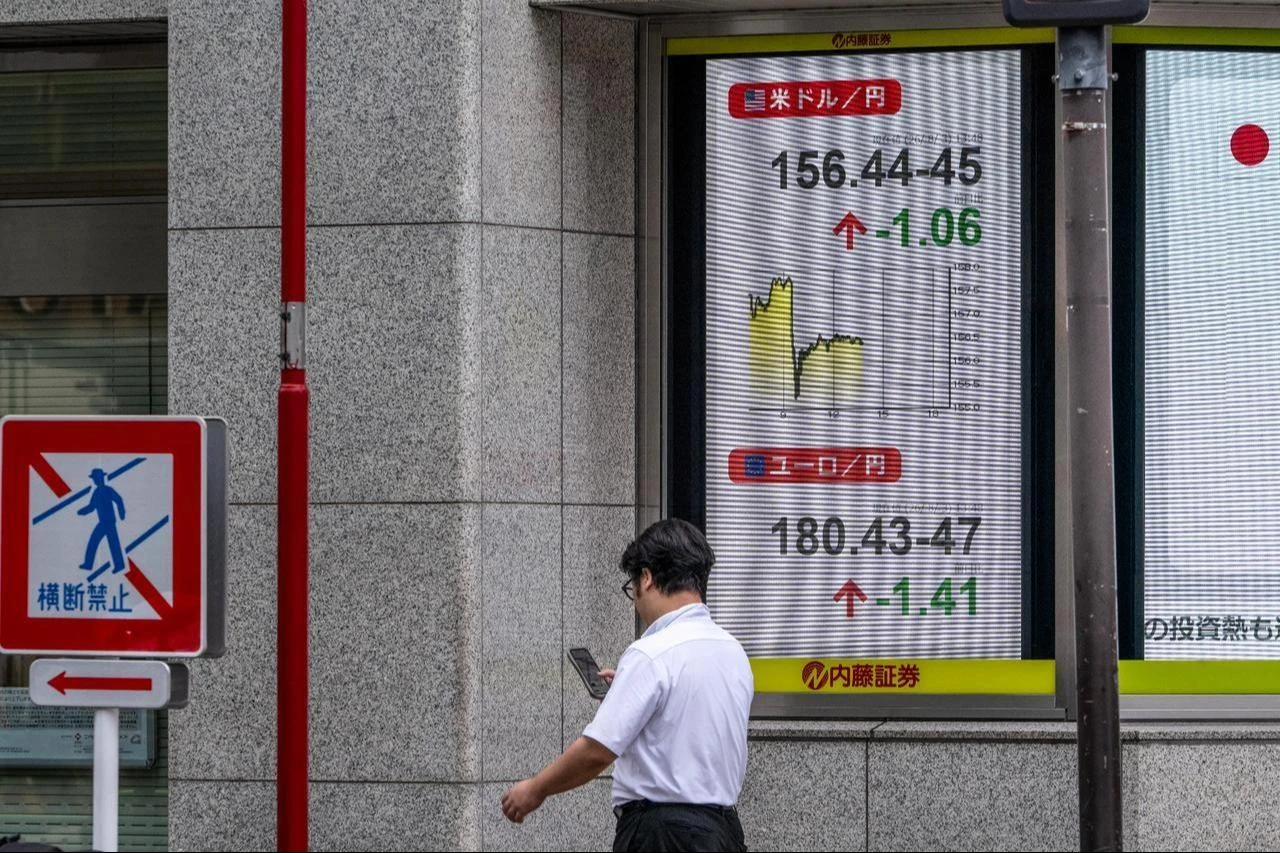
The Bank of Japan kept its policy interest rate unchanged at 1% Friday, in line with market expectations.
Ueda said the central bank would ensure that it did not “fall behind the curve” and could accelerate interest rate increases.
He said underlying inflation was approaching the bank’s 2% price stability target, increasing the need to monitor upside inflation risks.
Derivatives markets placed the chance of a quarter-point interest rate increase in September at about 40%, up from 30% earlier in the week.
Ueda has faced criticism from investors for not raising rates more quickly, with some warning that the Bank of Japan could lose credibility if it does not accelerate monetary tightening.
Before the intervention, Bessent said he looked forward to meeting Ueda at the Group of 20 finance ministers’ meeting in North Carolina in August and said the U.S. and Japan continued to maintain close coordination.


 Set as preferred source
 Set as preferred source


 1 min read
 1 min read