Newsletters


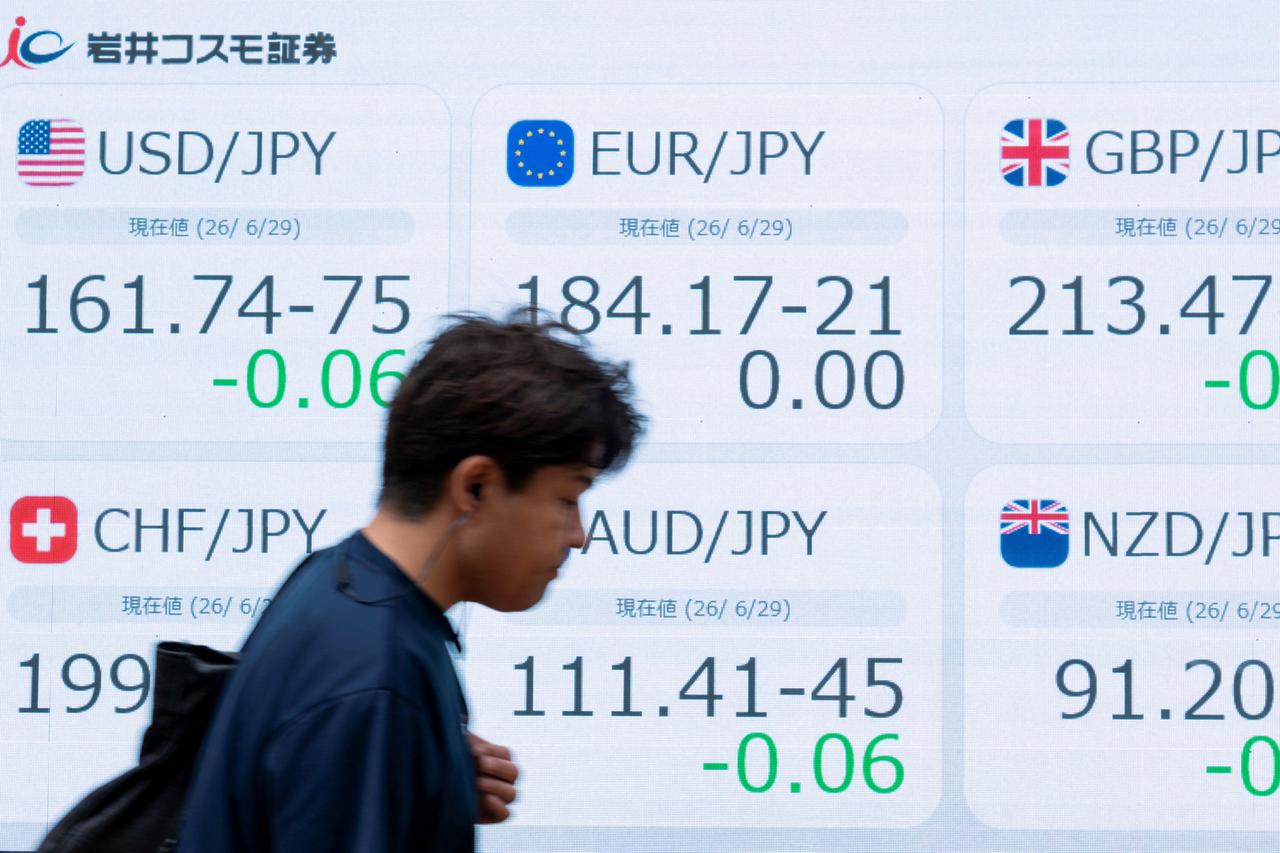


The Japanese yen sank to its weakest level against the U.S. dollar since 1986 on Tuesday, as a stronger dollar and widening interest rate gap between the U.S. and Japan kept selling pressure on the currency.
The yen briefly slid to 162.4 per dollar, its weakest intraday level since 1986, while investors remained alert for signs that Tokyo could step into the market to slow the currency's decline.
Japanese government bond yields also moved higher, with the 40-year yield rising 12 basis points to 3.817% and the 30-year yield climbing nearly 11 basis points to 3.948%.
Finance Minister Satsuki Katayama warned that Japan stood ready to act if currency moves became excessive. "That includes taking decisive action, as confirmed between Japan and the U.S.," Katayama said, adding that authorities would take "appropriate action at any time as necessary."
Japan spent more than 11.7 trillion yen ($72.8 billion) from its foreign reserves between April and May to support the currency as the country grappled with rising inflationary pressures fueled in part by higher energy prices during the Iran conflict.
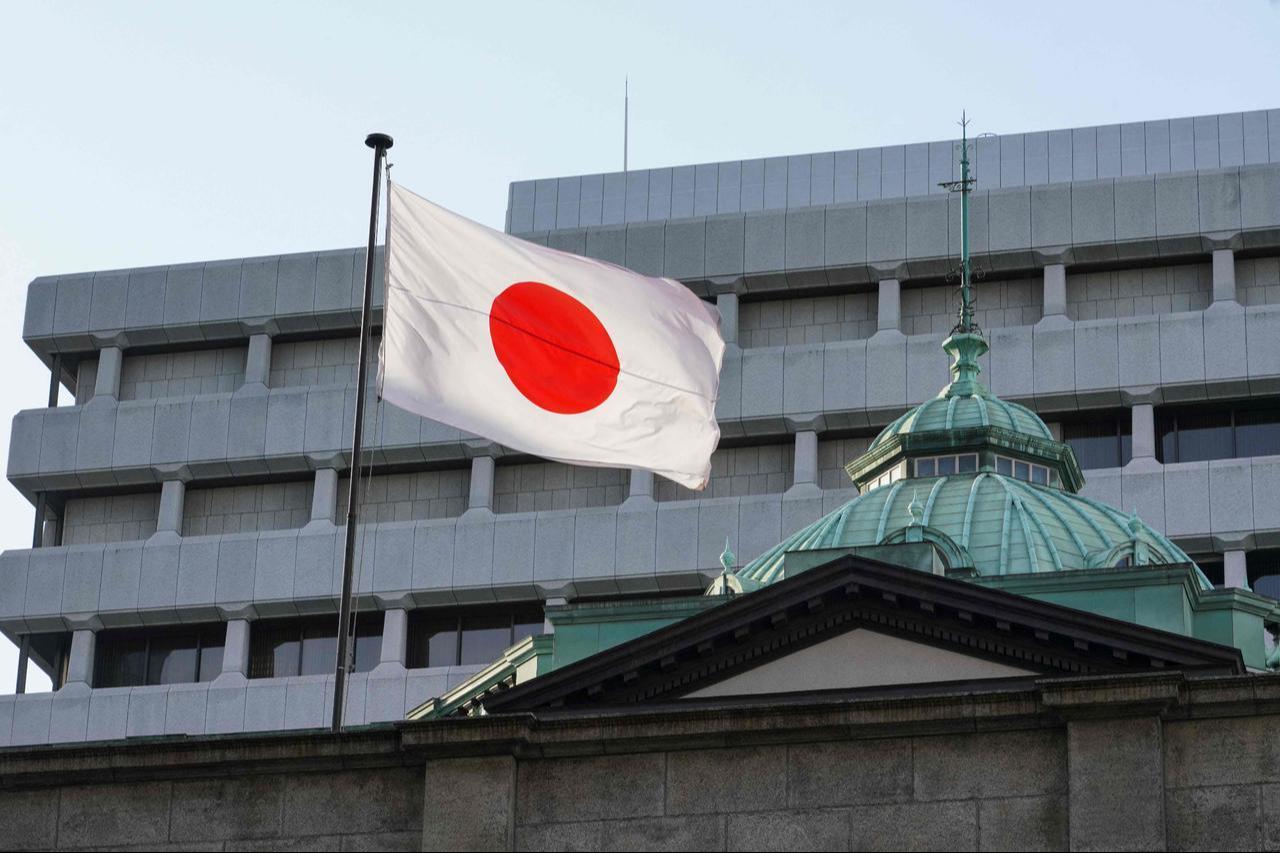
The Bank of Japan recently raised its benchmark interest rate to 1%, its highest level in more than three decades, continuing its policy normalization that began in 2024.
The quarter-point increase followed a rise to 0.75% in December, lifting borrowing costs to their highest level since 1995.

The yen has been under pressure for years because U.S. interest rates remain well above Japan's, making dollar-denominated assets more attractive to investors.
Markets expect the U.S.-Japan interest rate gap to remain wide after the Federal Reserve kept its benchmark rate unchanged at 3.5%-3.75% this month but signaled a likely rate hike later this year.
Persistent inflation and resilient U.S. economic growth have reinforced expectations that borrowing costs will remain higher in the U.S, supporting the dollar and lifting the U.S. Dollar Index to around 101.3.
The weaker yen has pushed up the cost of imports, particularly oil and other commodities priced in dollars, increasing inflationary pressure in resource-poor Japan. The government has sought to soften the impact through fuel and energy subsidies.


 Set as preferred source
 Set as preferred source


 1 min read
 1 min read