Newsletters


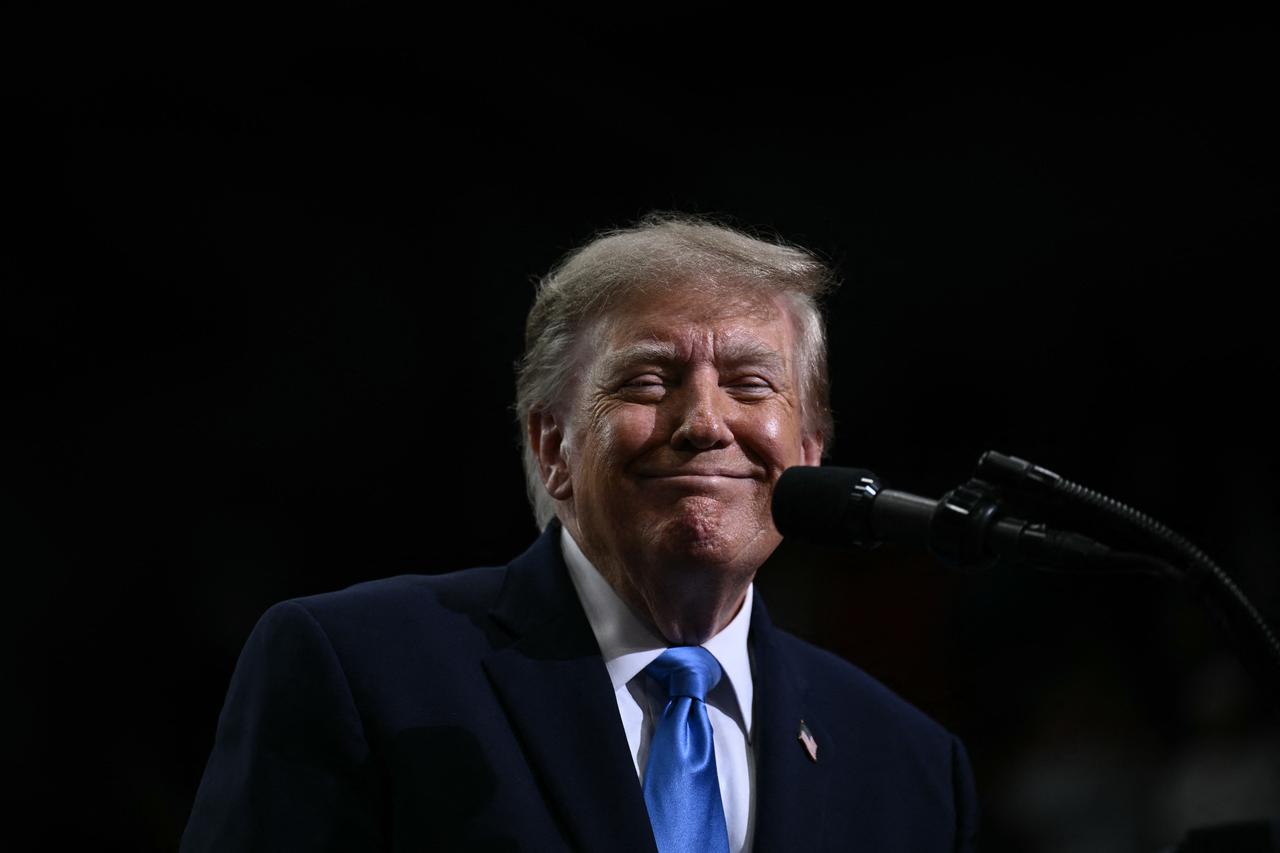


U.S. Energy Secretary Chris Wright said that U.S. President Donald Trump was "well aware of the risk to energy flows" from the Persian Gulf before launching the war on Iran, but decided that "the world cannot sustain a nuclear-armed Iran."
"He knew it was going to elevate energy prices in the short run. He said, 'I'm going to take a hit there, but I got to do the right thing,'" Wright told CBS News' "Face the Nation."
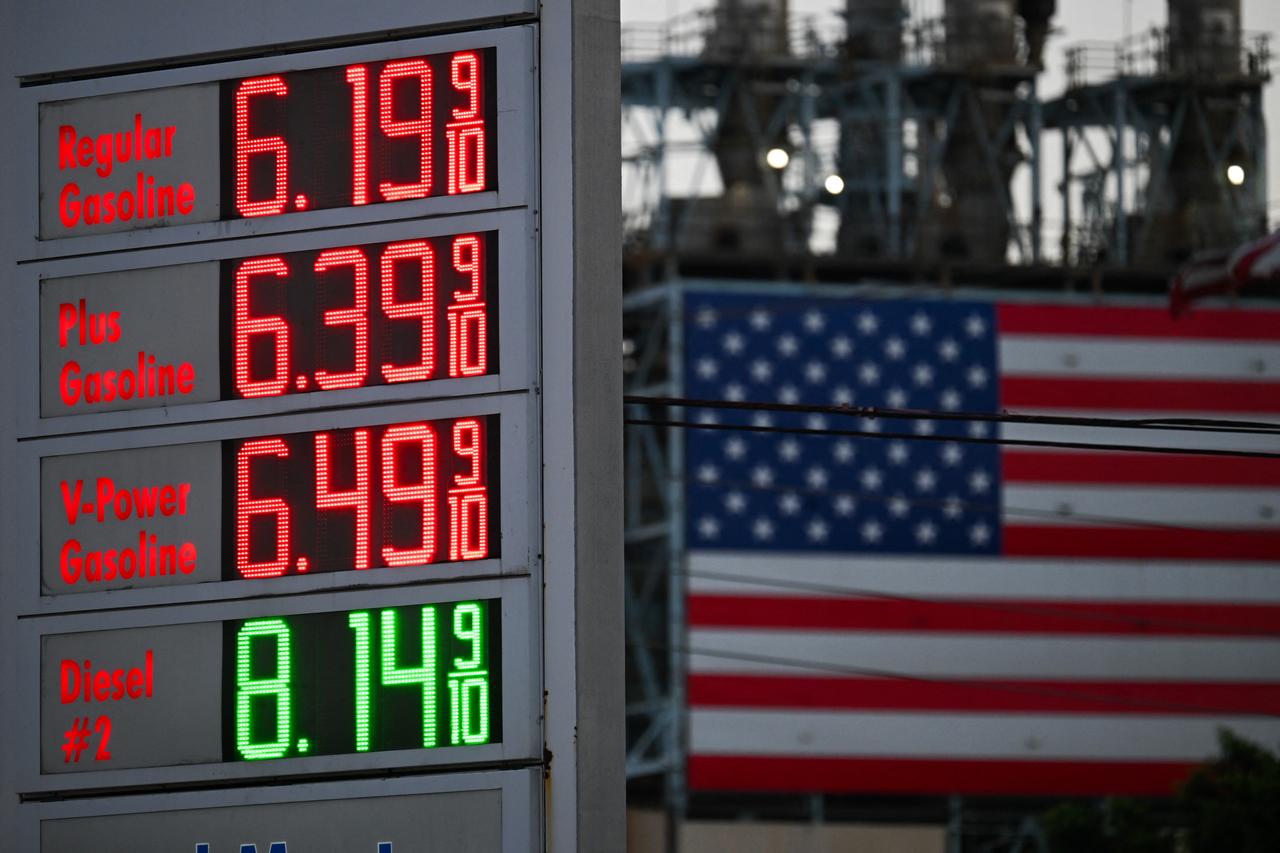
Soaring gasoline and diesel prices have become a key political liability for Trump's Republican Party ahead of the Nov. 3 midterm elections, as the war with Iran enters its eighth month.
Wright said Trump told him: "I simply cannot. The world cannot sustain a nuclear-armed Iran, and I'm not going to do it."
"If his decisions were political he would have just kicked the can down the road and delivered a nuclear-armed Iran to the next president," Wright said.
Host Margaret Brennan noted that Trump had recently said Iran was not seeking a nuclear weapon and might have already stopped. Wright said a nuclear-armed Iran would be "a massive long-term threat to energy prices."
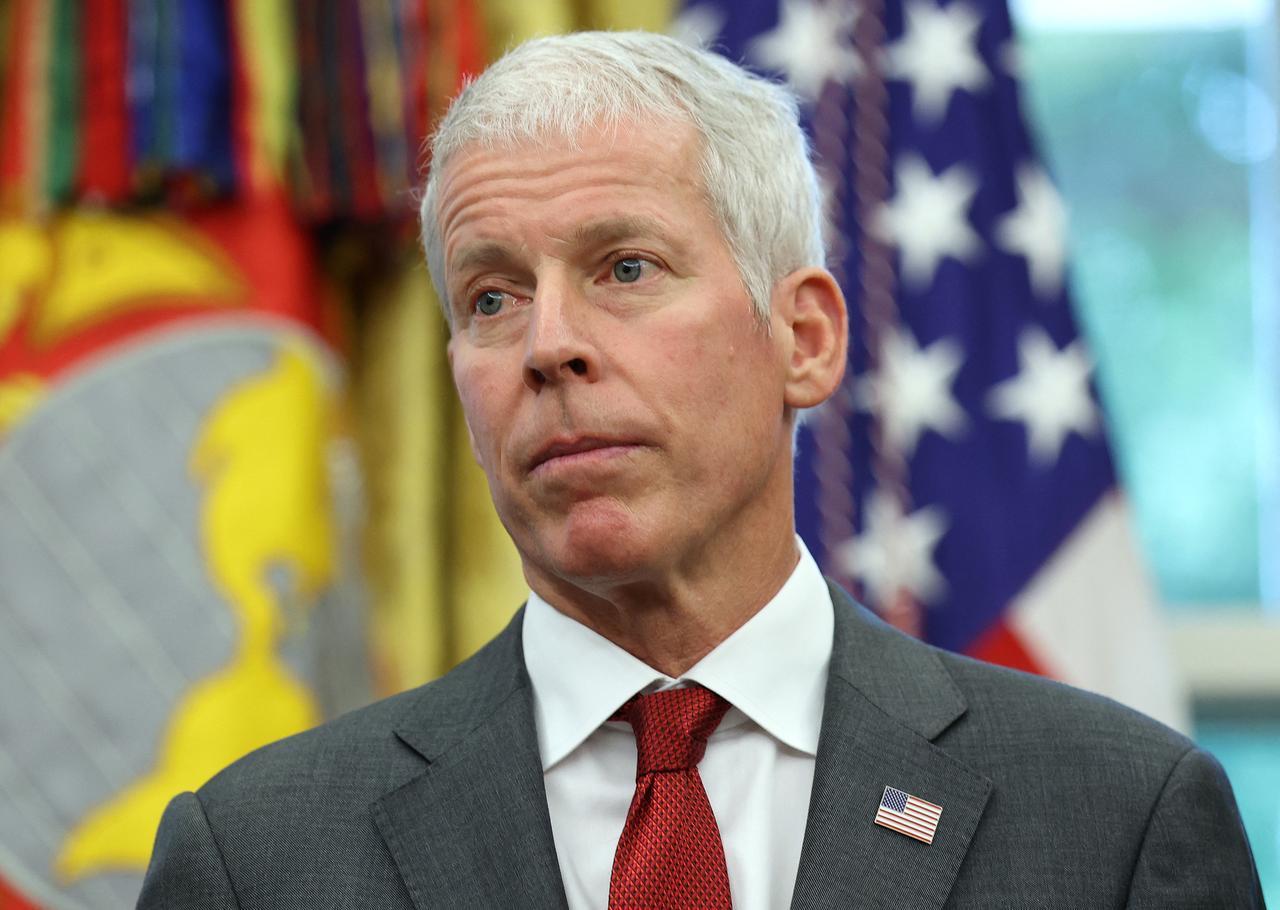

Asked whether prices would fall over the next four weeks, Wright said: "Absolutely. Diesel prices have been going down. Gasoline prices have been going down. I expect that to continue."
He cited rising supplies through the Strait of Hormuz, record U.S. gasoline production and falling demand after the summer driving season.
He blamed diesel shortages on the Russia-Ukraine war and China's halt to fuel exports, and criticized California refinery closures and what he called "15 years of Democrat policies."
Asked about a possible Iranian "October surprise" against Gulf energy infrastructure, Wright said: "There's no guarantees in conflict. There's no guarantees in life."
Asked about Friday's Camp David meeting on Iran and Yemen, Wright said the administration is "looking at every avenue to achieve that goal economically, to be prepared for what comes militarily."
He declined to say whether Trump would escalate after the elections, when a third U.S. carrier strike group is due to arrive.
"He's always planning for contingencies and he's always negotiating," Wright said.
Asked if diplomatic and military pressure continue in parallel, he said: "Of course, of course. At all times."
On Aug, the U.S. Treasury Department announced the launch of Operation Economic Outcast, a broad campaign aimed at completely isolating Iran from the global financial system.
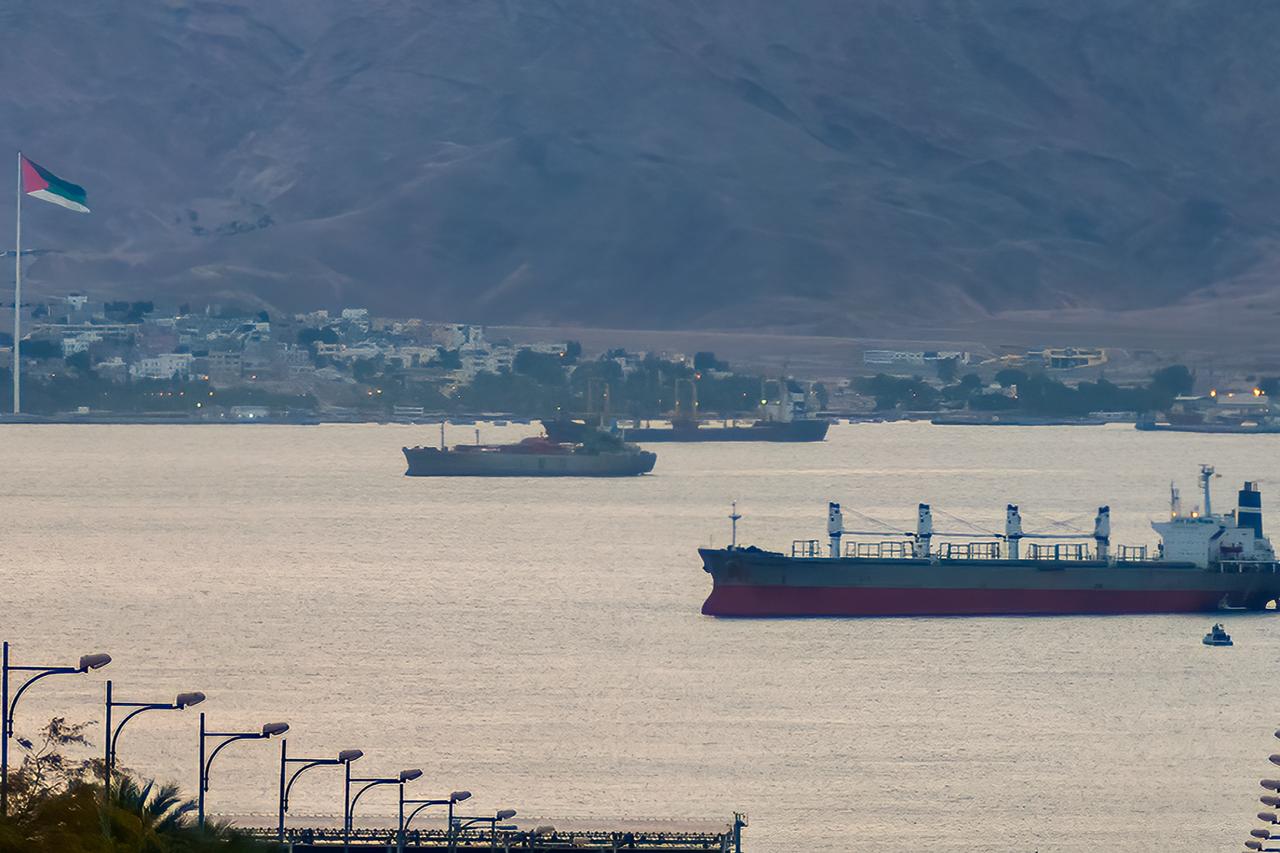
The United States and Israel launched a war against Iran on Feb. 28. Tehran responded with missile and drone attacks across the region and effectively closed the Strait of Hormuz, a strategic route for energy supplies.
The U.S. military later imposed a naval blockade on Iranian ports.
Efforts to end the war have continued since a June framework deal, which seeks to pave the way for a final peace agreement covering navigation through the strategic waterway and Iran’s nuclear program.


 Set as preferred source
 Set as preferred source


 1 min read
 1 min read