Newsletters


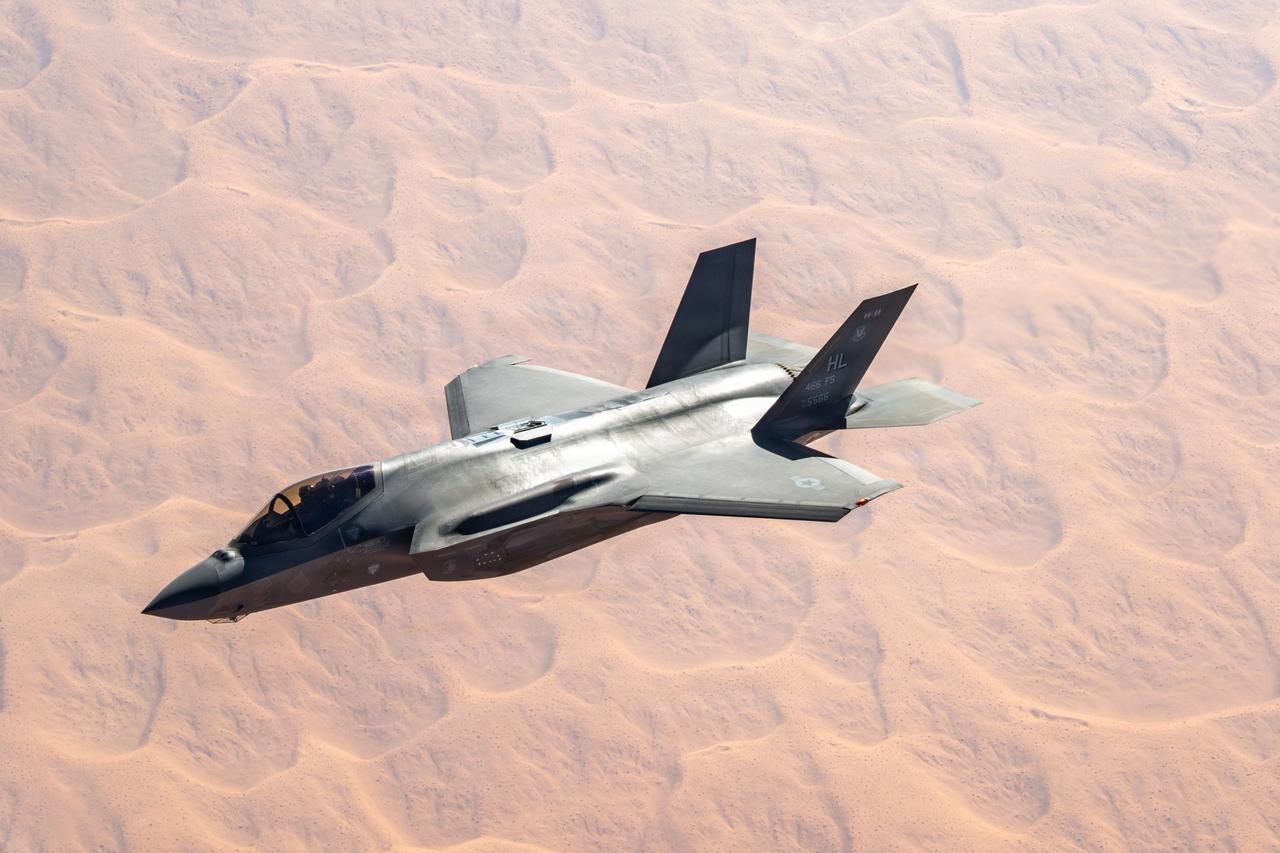


Iran is preparing for a fresh U.S. bombing campaign, potentially greater than before, but retains the ability to respond, a Tehran official told Bloomberg, as inflation nears 90%, oil exports stall and Washington sends more forces to the region.
The official, who asked not to be identified, said Iran's economic situation is extremely painful but that the country is adapting.
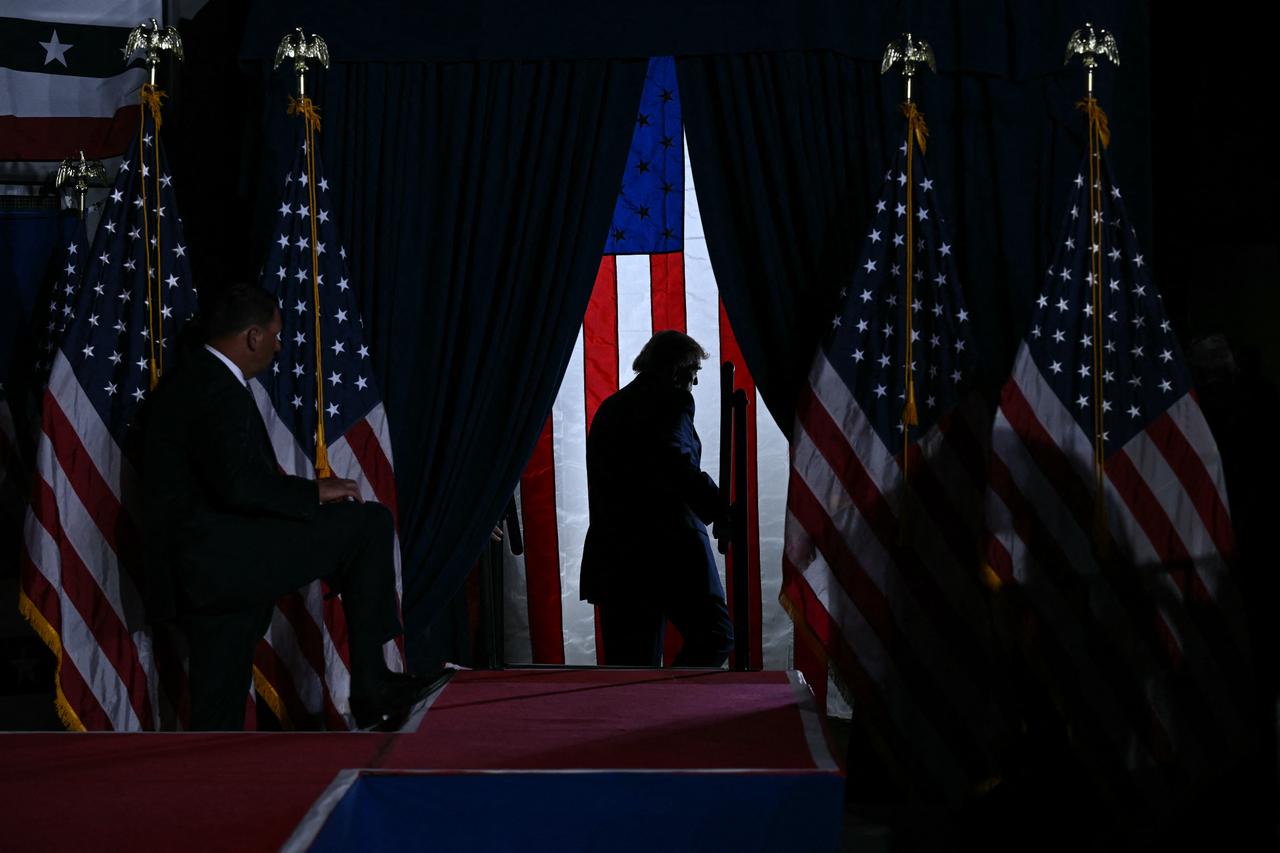
U.S. President Donald Trump has said heavier strikes on Iran are "possible" after the Nov. 3 midterm elections.
The squeeze could force Tehran to choose between concessions to revive talks and escalating a war that is already damaging its economy, analysts say.
Iranian officials see little prospect of a deal before the U.S. midterms and a high chance of escalation afterward.
The war began on Feb. 28, 2026, when the U.S. and Israel launched airstrikes on Iranian targets, and Iran responded by closing the Strait of Hormuz to foreign shipping.
A two-week ceasefire mediated by Pakistan took effect on April 8.
After talks in Islamabad failed to produce a deal, the U.S. imposed a naval blockade on Iranian ports. A memorandum signed in June lifted the dual blockade, but the truce collapsed on July 8 after Iran attacked commercial vessels in the strait, and Washington reinstated its blockade on July 14.

Iran loaded no crude onto tankers in September for the first time since the war began, according to preliminary Bloomberg estimates. It is still supplying some Chinese refiners from floating storage, but those stocks will eventually run out.
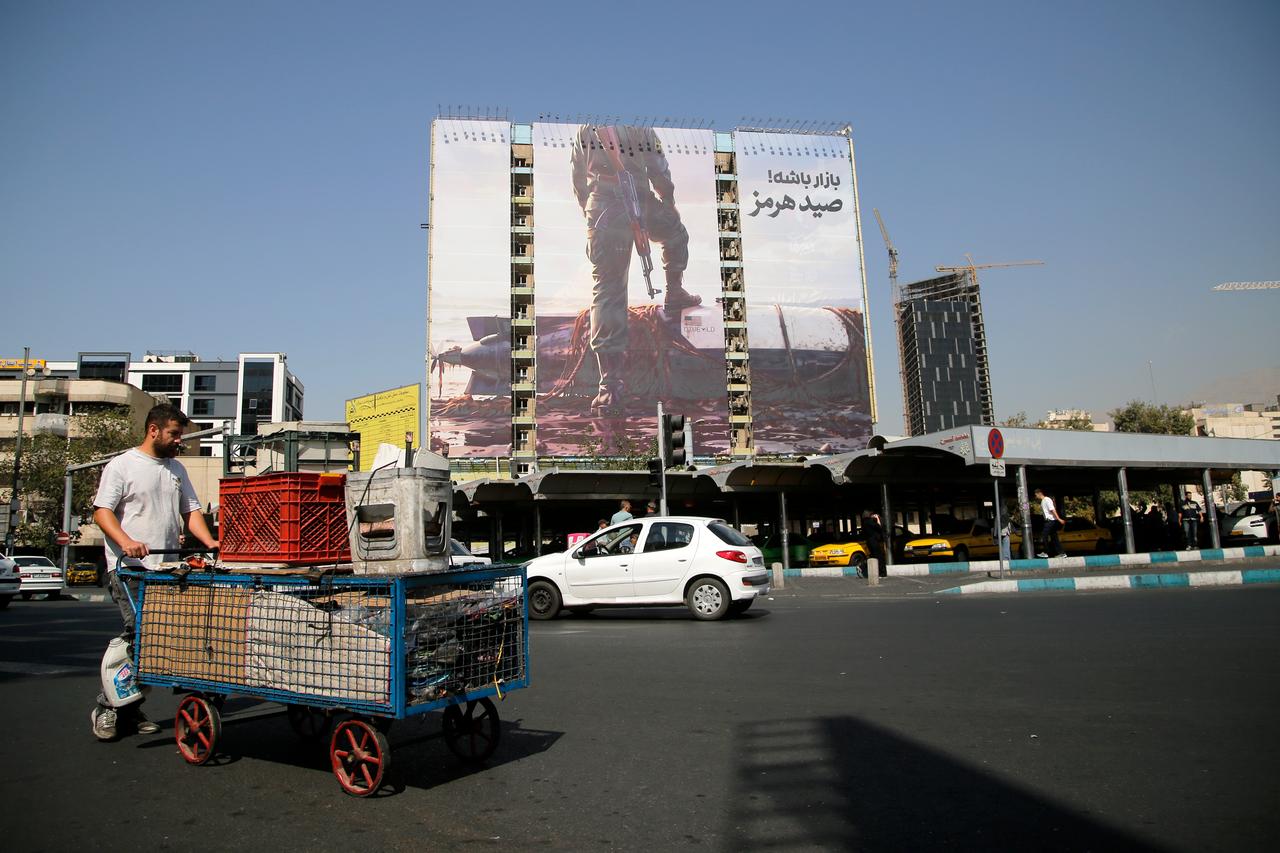
Inflation is nearly 90%, and the rial has lost about 25% of its value against the dollar in two months. Officials cut some gasoline subsidies in September, while Tehran's municipality fixed prices of 12 essential food items for six months.
Iran has redirected more trade via land borders and the Caspian Sea, with state media reporting increased truck traffic and delays at crossings with Türkiye and Pakistan in September.
U.S. sanctions on Iran's aviation sector have halted Iranian flights to the UAE and disrupted flights to Iraq, Türkiye and Oman.
Turkish carriers suspended all flights to Iran from Sept. 21.
Flights to and from Tehran's main international airport have fallen by nearly half, 42%, since a U.S. ban on Iranian airlines, but some popular routes remain. On average, 53 daily international flights have operated to and from Tehran's Imam Khomeini International Airport since Sept. 23, when the U.S. ban took effect, compared to a daily average of 91 flights before the ban, according to data from tracking platform FlightRadar24.
Traffic had already fallen after Israeli-American strikes on Iran at the end of February led to the complete closure of its airspace. Since flights resumed, only Iranian carriers operated services out of Iran.
Pre-ban September data shows that a typical week included services to 18 countries. Since the ban, flights to Georgia, Oman, and Azerbaijan have completely stopped, even though they normally have regular service to Tehran. On other routes, traffic has dropped sharply.
"Everyone has a breaking point, and Iran is no exception," said Bader Al-Saif, an assistant professor at Kuwait University and associate fellow at Chatham House, citing Iran's recent seven-day truce proposal and Foreign Minister Abbas Araghchi's reported offer to restore nuclear inspectors' access.
"The irony is that such pressure can yield opposing responses: concessions or a preemptive strike," he told Bloomberg.
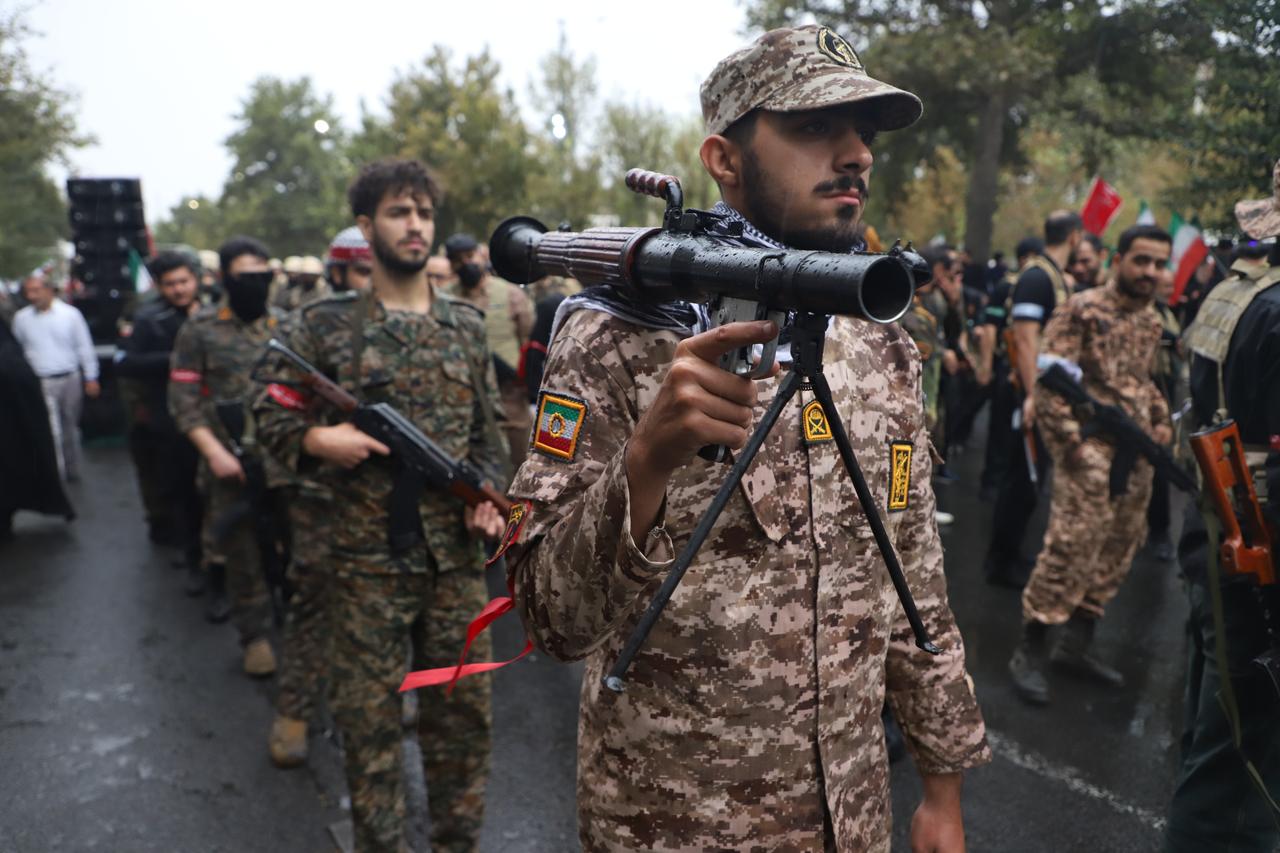
Iran's Islamic Revolutionary Guard Corps (IRGC) said it is ready to deliver an "immediate, painful, regret-inducing response" to any U.S. or Israeli aggression, according to state broadcaster IRIB.
 1 min read
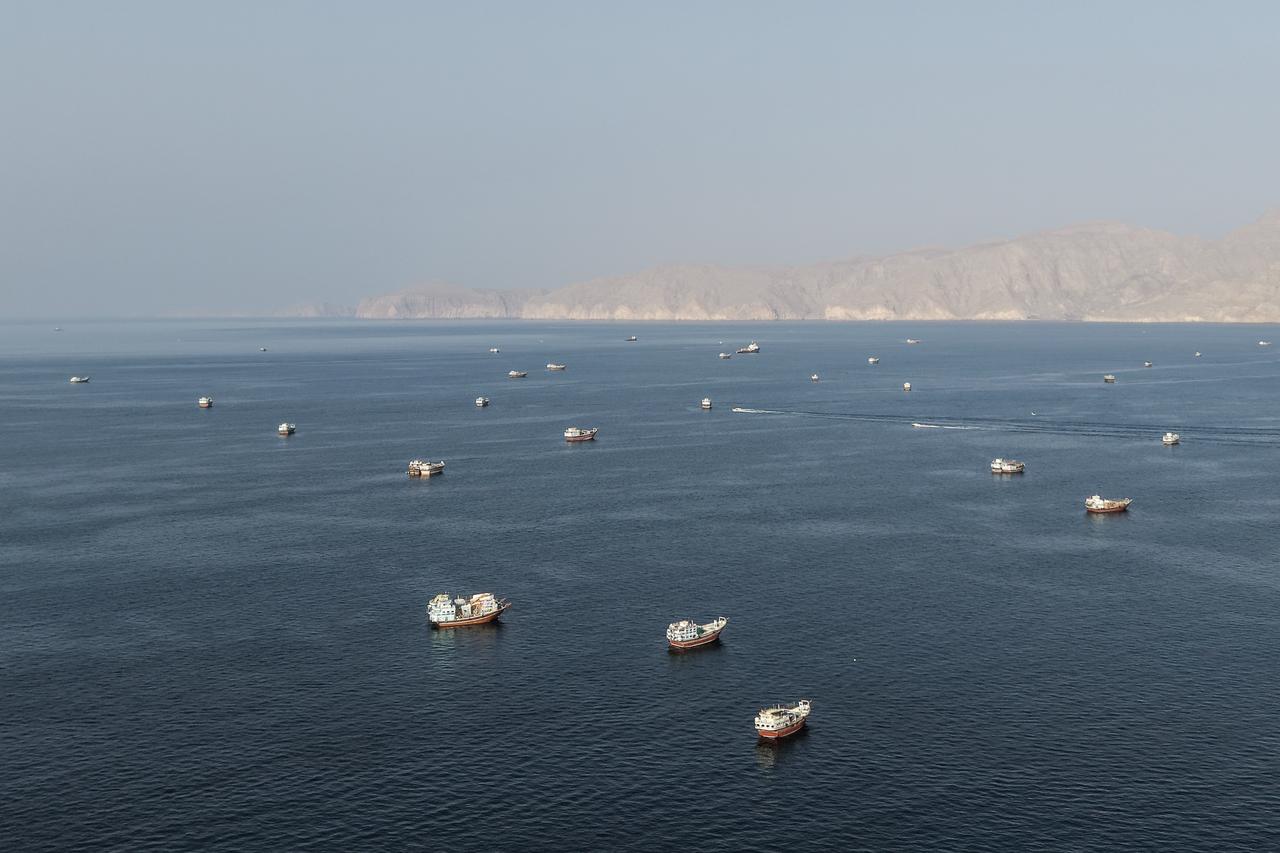
Saudi crude exports jumped to about 6.1 million barrels a day in September from 3.4 million in August, Bloomberg tanker-tracking data showed. JPMorgan estimates Middle East crude shipments have recovered to 98% of prewar levels.
Non-Iranian crude flows through Hormuz averaged 13.5 million barrels a day on Sept. 22-28, equivalent to prewar levels, according to Kpler data cited by Agence France-Presse (AFP).
Still, ships continue to face attacks in the strait. A tanker was struck by an unknown projectile while transiting the Strait of Hormuz on Friday, the UK Maritime Trade Operations (UKMTO) said.
"Both sides generally want an agreement, but they are moving further apart rather than closer," said Aniseh Bassiri Tabrizi, an associate fellow at Chatham House. With Gulf exports rising, "the U.S. feels stronger in the Strait of Hormuz compared to a few weeks ago," she said.
Sanam Vakil of Chatham House told AFP that "higher exports today should not be mistaken for a new normal."
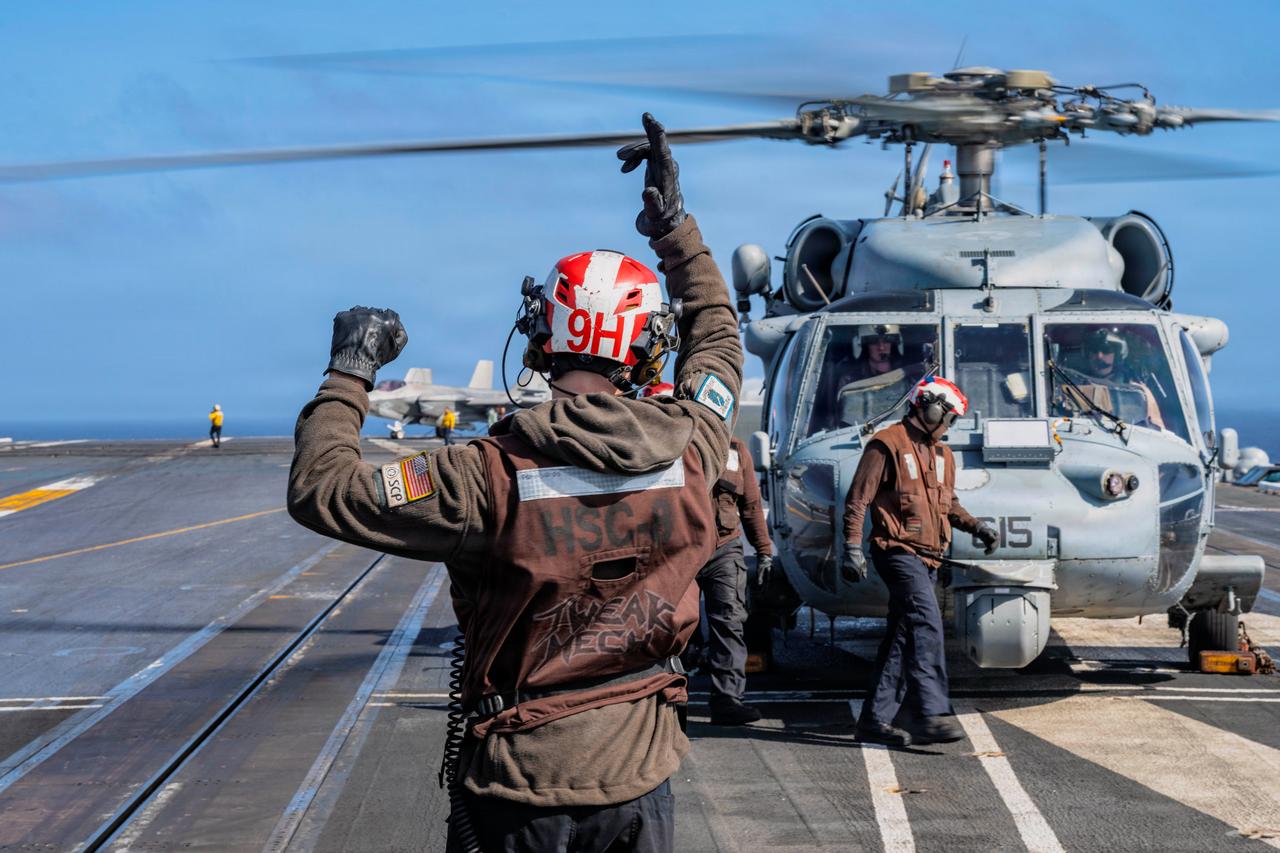
The Pentagon is sending the USS Theodore Roosevelt carrier strike group and additional forces to the region, which could give the U.S. three carriers in the Middle East.
Trump's top national security officials met at Camp David on Friday to discuss the Iran war, Axios reported.
"The U.S. is mirroring Iran's approach, willing to strike a deal or go back to active combat," Saif told Bloomberg, adding, "But if both sides don't give in and agree on sequencing and clear concessions, a return to war is inevitable."
"Questions remain about U.S. willingness to continue this strategy and effort over the long term given the very real strain it's putting on US naval forces," said Jonathan Panikoff, a former U.S. deputy national intelligence officer for the Near East. Iran's "hardliners currently dominating are betting that they can absorb more domestic pain and wait out U.S. engagement in the region," he told Bloomberg.
Iran's preparations for a renewed U.S. bombing campaign come as diplomacy remains deadlocked.


 Set as preferred source
 Set as preferred source


 1 min read