Newsletters


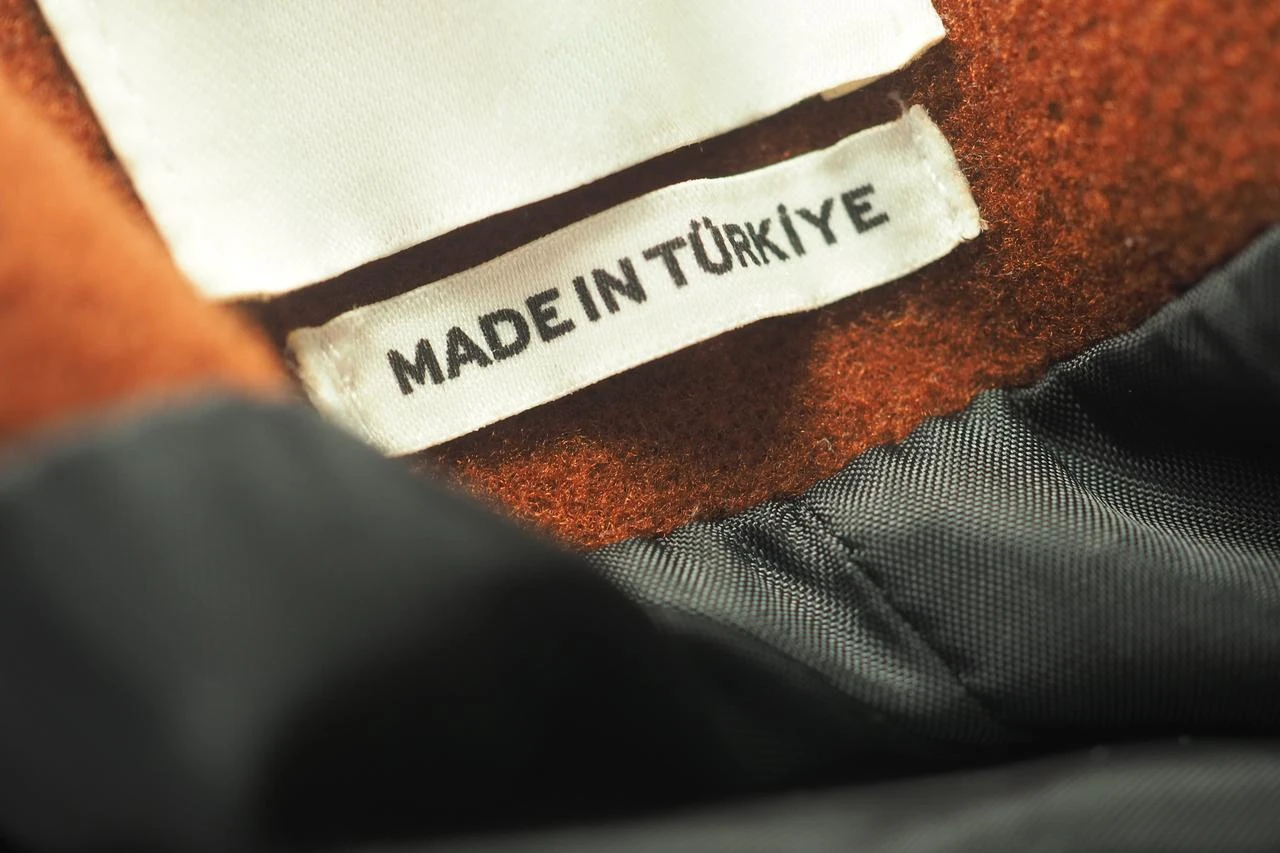


Turkish textile and apparel exporters face tougher competition in the U.S. market after Washington confirmed a 12.5% additional tariff on imports from Türkiye while excluding the country from new tariff-free quotas for competing Asian manufacturers, threatening $1.4 billion in trade.
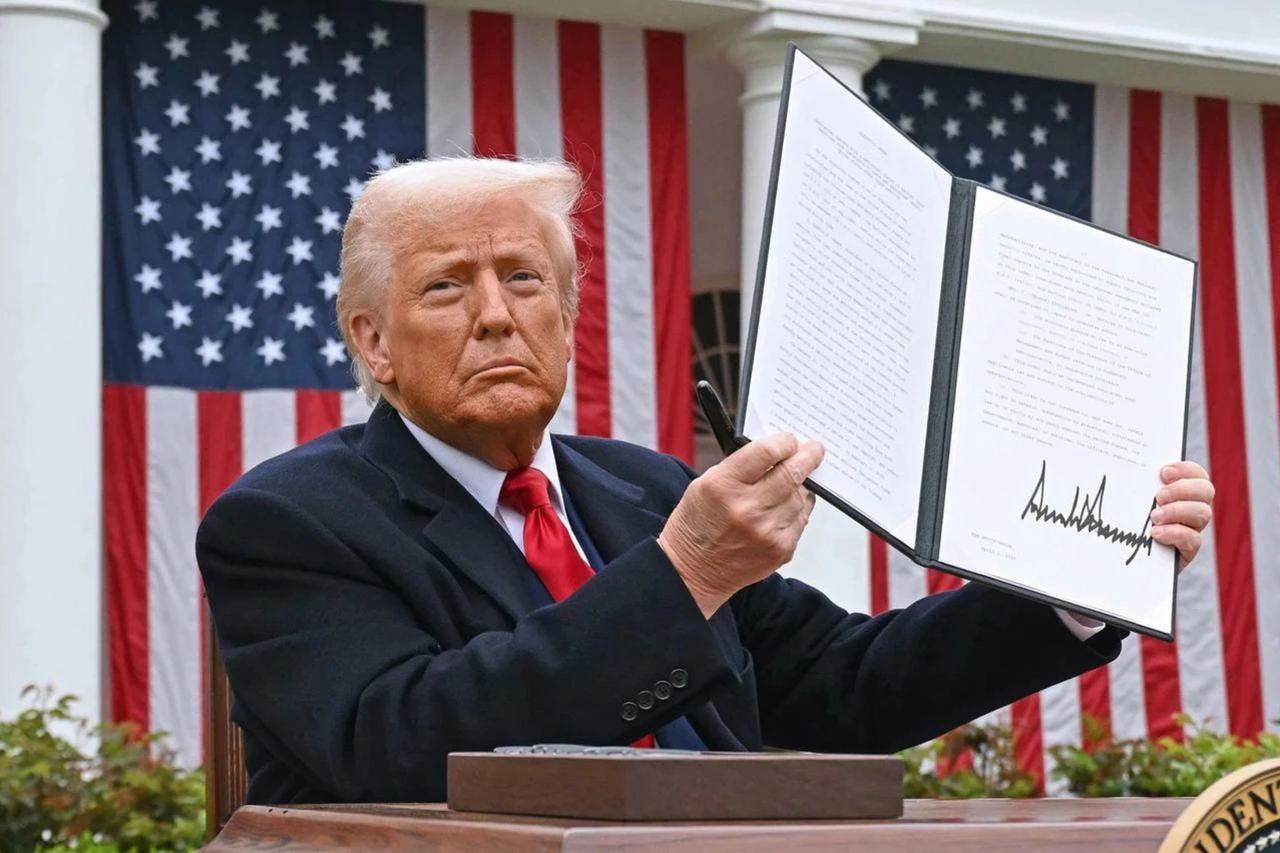
The final executive order signed by U.S. President Donald Trump on July 23 took effect on July 25 and not only locked in the additional Section 301 duty on Turkish goods.
Under the measure, Bangladesh, Cambodia, Indonesia and Malaysia will be allowed to export specified volumes of textile products to the U.S. without paying the Section 301 tariff, while India remains subject to a 10% rate.
The U.S. Trade Representative (USTR) grouped around 60 economies into three categories during its investigation.
Türkiye was placed in the third group, which carries a 12.5% additional Section 301 tariff, after U.S. authorities concluded the country did not have a sufficiently effective system to prevent imports made with forced labor.
Industry participants told business-focused ekonomim.com that the policy could shift price-sensitive orders toward Bangladesh, Cambodia, Indonesia and Malaysia, whose manufacturers will benefit from duty-free access for part of their exports while continuing to compete with lower labor costs.
Turkish producers, by contrast, will pay the additional tariff from the first shipment.
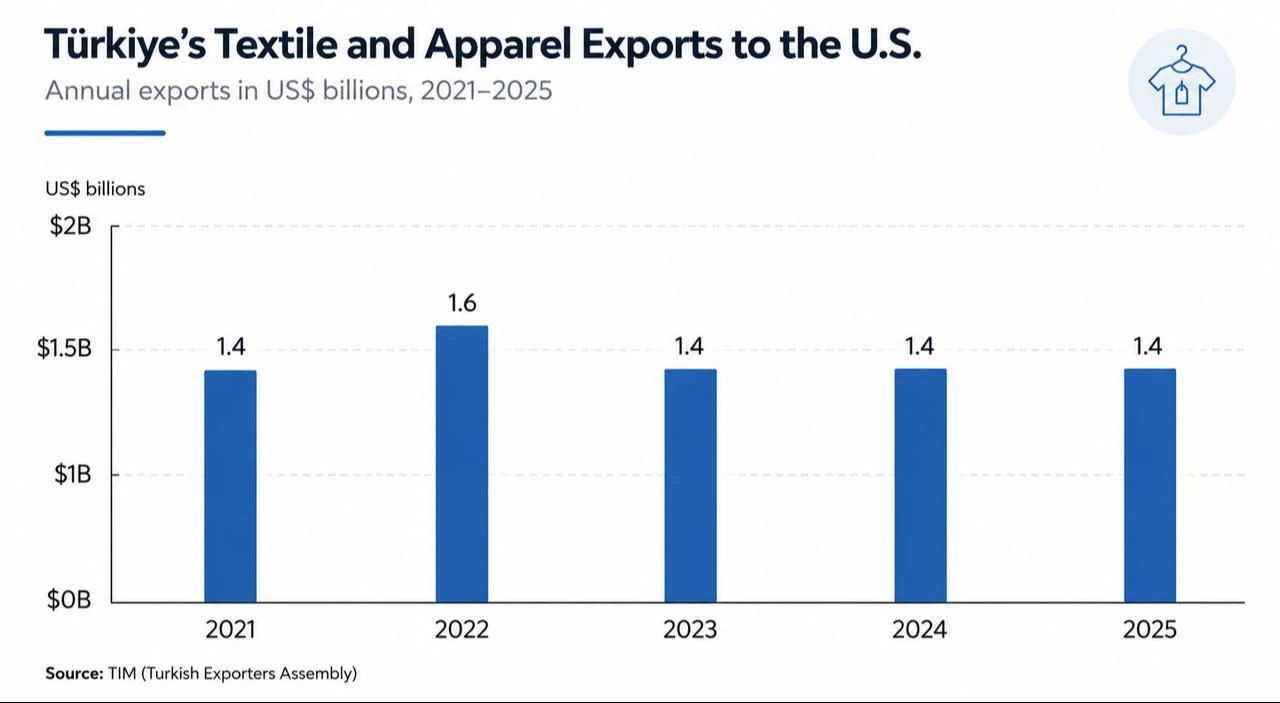

Turkish exporters have increasingly turned to the U.S. as demand in European markets has weakened, supplying mid- and upper-segment brands with shorter delivery times, flexible production and higher-value products.
According to official figures, Türkiye exported $870.3 million in apparel and $537.9 million in textiles to the U.S. in 2025, totaling $1.4 billion. The market accounted for 5.4% of Türkiye's overall textile and apparel exports of $26.2 billion and 10.7% of its total exports to the U.S., which reached $13.2 billion.
While Türkiye's overall textile and apparel exports fell 4.4% in 2025, shipments to the U.S. edged up 1.4% to $1.4 billion, underscoring the market's growing importance for Turkish exporters.
Although the decision has taken effect, several implementation details are still pending. The USTR is expected to publish Federal Register regulations outlining which products qualify for the tariff-rate quotas, how quotas will be allocated, and the volumes covered.
The agency also retains authority to revise tariffs, exemptions, and quota arrangements in the future.


 Set as preferred source
 Set as preferred source


 2 min read
 1 min read