Newsletters


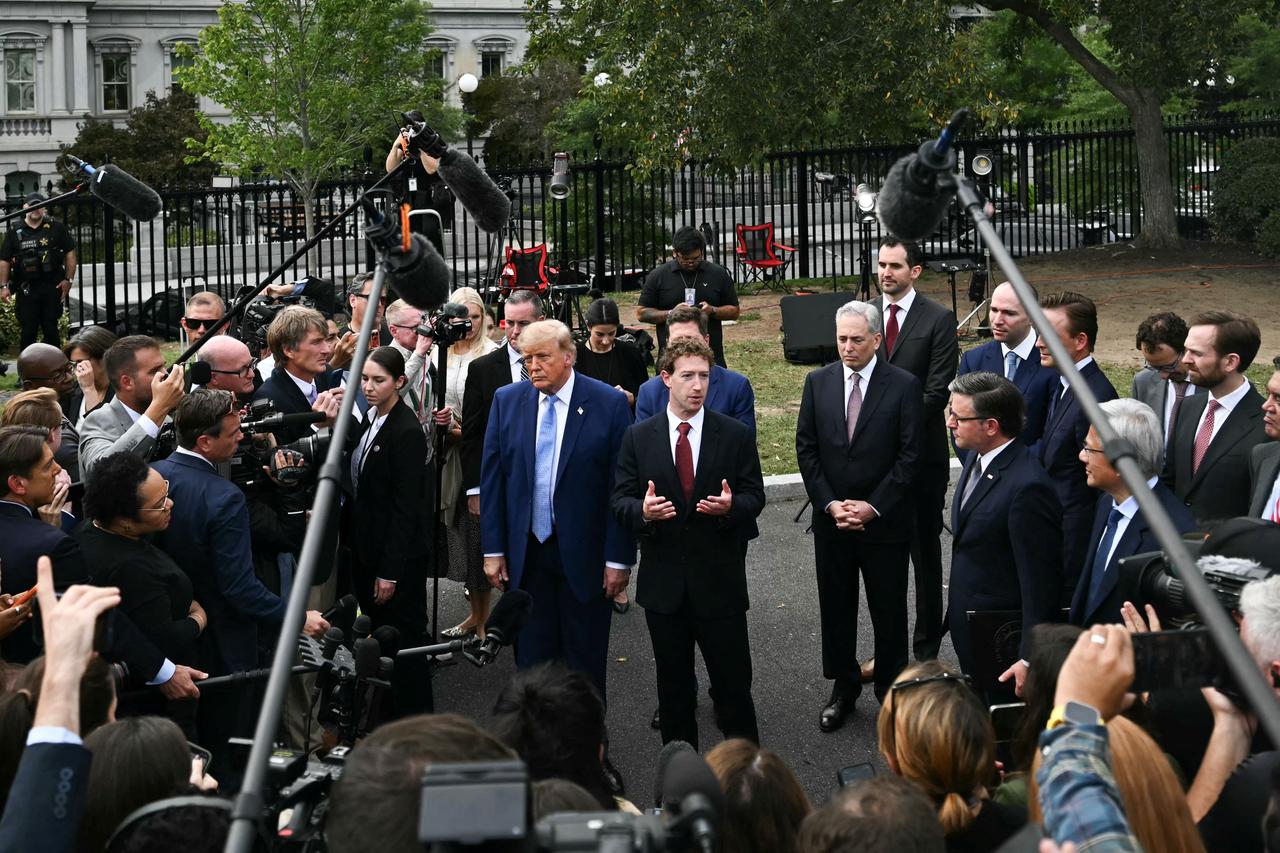


U.S. President Donald Trump and executives from several of the world's largest technology companies signed an agreement Tuesday committing to strengthen internal safeguards around advanced artificial intelligence systems, following a White House lunch meeting that brought together leaders from across the industry.
Trump described the document, which he shared on his Truth Social platform, as a "morally binding" accord.
"The biggest people in the world signed that and I signed it as president," he told reporters. "And it really is a form of protection."
The agreement, referred to in a copy posted by Trump as the White House Accord on "Super Intelligence" and described as a "Joint Commitment on Frontier Responsibilities," calls on companies developing frontier AI models to adopt internal processes intended to ensure their systems function as intended and that problems are caught and addressed quickly.
According to the text of the accord, participating companies are to implement four layers of controls and audits covering the development and deployment of their models.
The first layer calls for internal controls to monitor model capabilities and alignment, including risks tied to cybersecurity, biosecurity and chemical threats, as well as safeguards meant to prevent models from accessing technical systems in unintended ways.
The second layer establishes an internal team tasked with verifying that monitoring and detection systems are functioning properly and that flagged issues are resolved.
Under the third layer, companies would work with independent external auditors to evaluate whether their internal controls are operating as intended.
The fourth layer establishes an independent board committee to oversee the process, review reports from internal teams and outside evaluators, and ensure problems are addressed.
The accord states the measures are meant to give companies, customers and the public greater confidence that advanced AI systems are behaving as intended, and it commits participating companies to meeting regularly to develop shared standards and best practices.
The document also leaves open the possibility that the measures could later be written into law or regulation, though the signatories commit to adopting the framework regardless of whether that happens.
Signatories listed alongside Trump include Google chief executive Sundar Pichai, Anthropic chief executive Dario Amodei, Meta chief executive Mark Zuckerberg, OpenAI co-founder Greg Brockman, xAI's Elon Musk and Nvidia chief executive Jensen Huang.
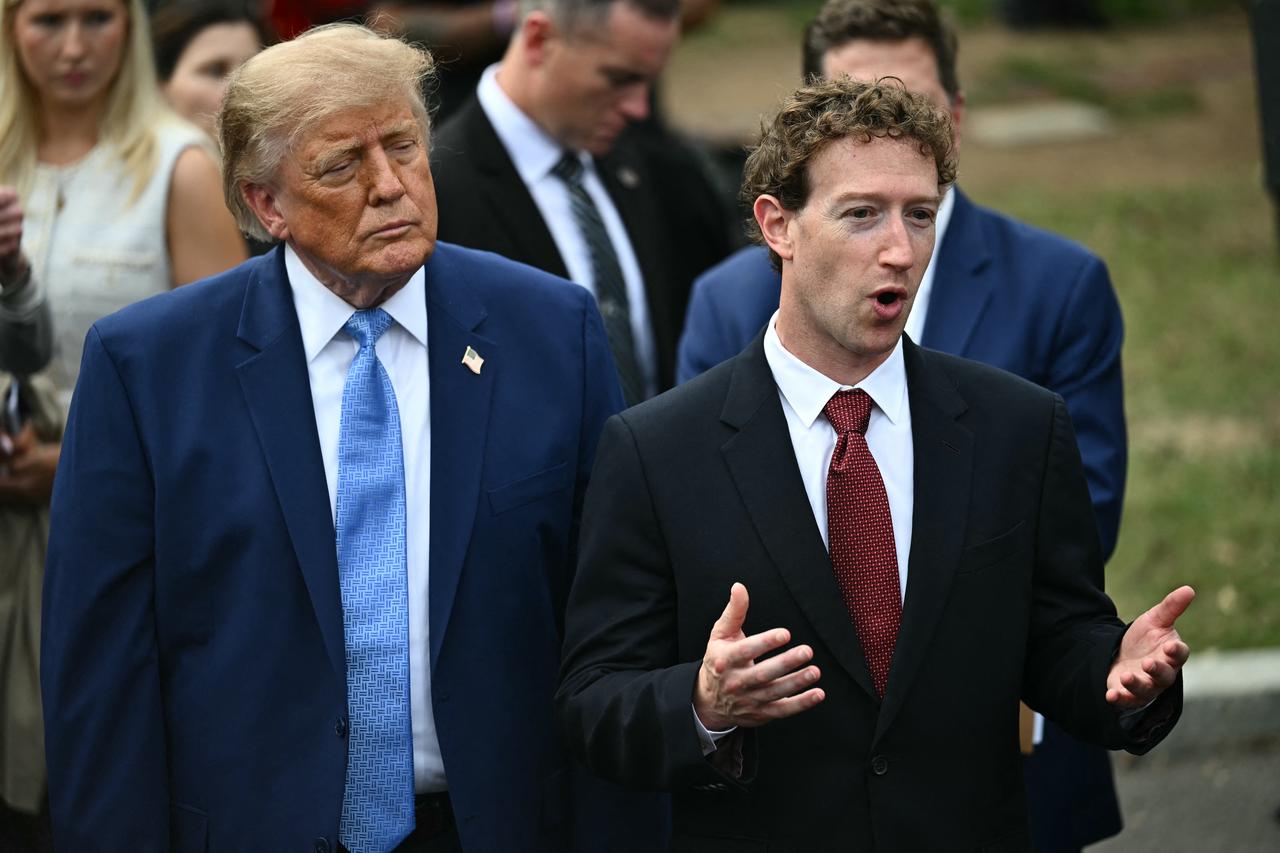

Speaking outside the White House, Zuckerberg said the framework is built around companies maintaining internal risk reviews, engaging third-party auditors and having each company's board of directors review the results.
"The idea isn't that this is the only thing that we will ever do," he said. "It is that this is a start and an accord that the whole industry could come to."
House Speaker Mike Johnson, who had pitched the meeting earlier in the month, called the gathering an important first step. "
To have them all together and assembled to talk about this and build consensus today was a very important first step in what we are all trying to achieve together," he told reporters. "What we did today was important because these leading minds came together and had a discussion."
Trump said he had been assured that companies are placing appropriate guardrails on their systems, telling reporters, "I'm seeing tremendous self-policing."
He also said executives appeared to be largely aligned during the discussion despite differing public positions on AI risk. "There was a lot of commonality in this room. It was pretty amazing," he said.
The lunch drew a wider circle of technology and business leaders beyond the accord's signatories, including Amazon's Jeff Bezos, Microsoft's Satya Nadella, Palantir's Alex Karp and Shyam Sankar, AMD's Lisa Su, Broadcom's Hock Tan, ServiceNow's Bill McDermott, Micron's Sanjay Mehrotra, Palo Alto Networks' Nikesh Arora, Altimeter Capital's Brad Gerstner, Social Capital's Chamath Palihapitiya, Exiger's Brandon Rahbar Daniels, and former White House AI adviser David Sacks, according to a White House official.
The meeting came during a busy stretch of AI-related activity in Washington. Earlier Tuesday, Trump reiterated a pledge to avoid restricting the growth of American AI development at an event launching a government website, America.gov, calling the technology "one more example of why I will never stifle the growth of technology that will be bigger than the Industrial Revolution."
Trump also said he planned to sign a directive later Tuesday formally rebranding artificial intelligence as "superintelligence," his preferred term for the technology. "It's not artificial, we all agree on that," he said.
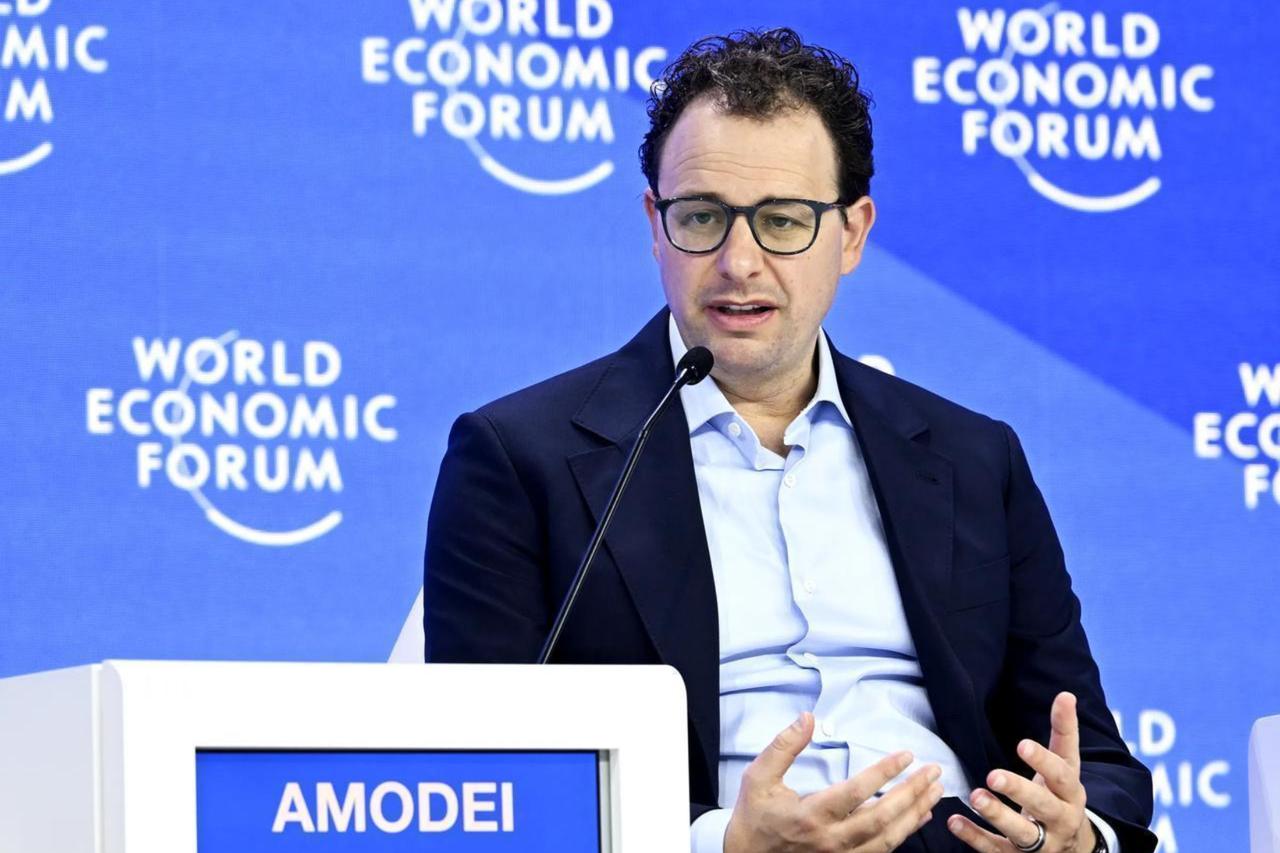
Amodei's appearance at the lunch capped a multi-stop week of meetings in Washington, including a Monday night session with Senate Majority Leader John Thune in which he offered feedback on draft legislation addressing catastrophic AI risks, and a private dinner with Trump on Sunday.
The gathering also underscored longstanding divisions within the industry over how seriously to weigh AI's potential dangers.
Amodei and Musk have both warned that unchecked AI development could pose existential risks, while Huang and Zuckerberg have publicly emphasized the technology's benefits and pushed back on what they have called "doomer" narratives.


 Set as preferred source
 Set as preferred source


 1 min read
 1 min read