Newsletters


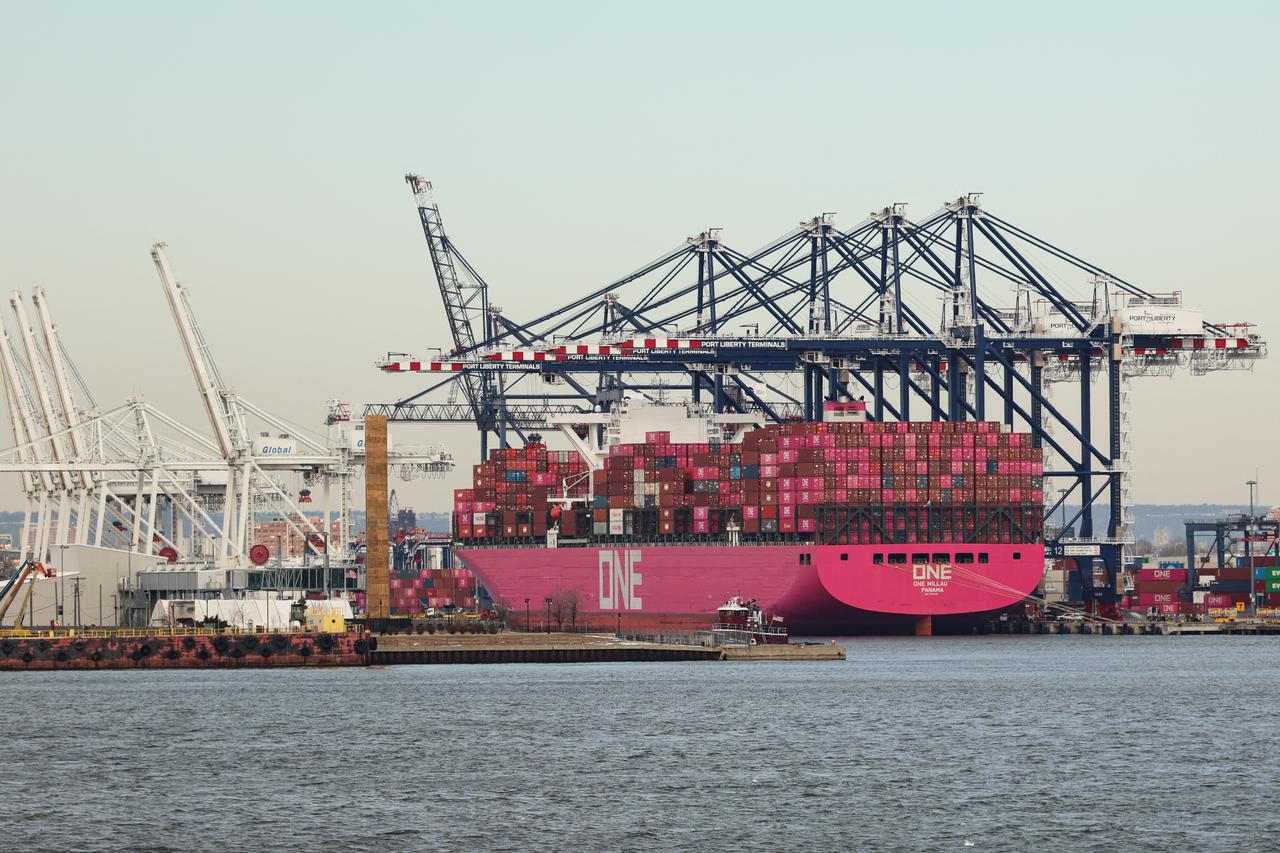


U.S. President Donald Trump warned Saturday that he would impose a 100% tariff on all Canadian goods entering the United States if Ottawa proceeds with what he described as a trade deal with China.
Trump issued the threat after Canadian Prime Minister Mark Carney visited Beijing, where he hailed a "new strategic partnership" and announced a preliminary trade agreement aimed at reducing tariffs.
Trump characterized the development as a potential backdoor for Chinese products to enter the U.S. market through Canada. "If Canada makes a deal with China, it will immediately be hit with a 100% tariff against all Canadian goods and products coming into the U.S.A.," Trump posted on Truth Social.
The U.S. president warned that "China will eat Canada alive," claiming such a partnership would lead to the destruction of Canadian businesses and way of life. He also referred to Carney as "Governor," in a repeated jab that echoes his insistence that Canada should become the 51st U.S. state.
Canada’s Minister of Intergovernmental Affairs, Dominic LeBlanc, rejected Trump’s claims, clarifying that there is "no pursuit of a free trade deal with China." LeBlanc said the agreement reached in Beijing only resolved "several important tariff issues."
Ottawa has maintained that its primary focus remains on trade with the United States. LeBlanc emphasized that Canada remains committed to strengthening ties with Washington, stating that the government aims to support prosperity "on both sides of our border."
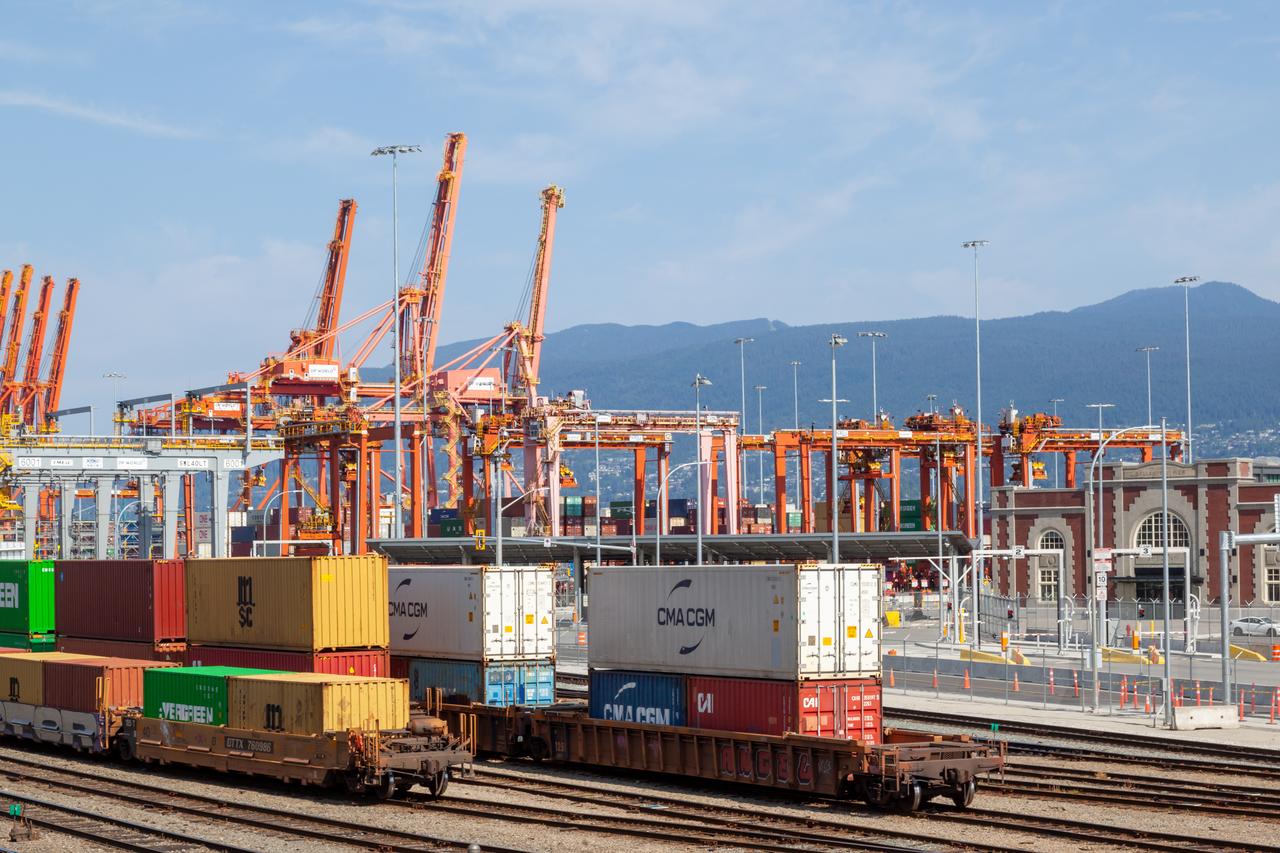

Relations between the U.S. and Canada have soured since Trump returned to the White House last year. At the World Economic Forum in Davos earlier this month, Carney criticized a "rupture" in the U.S-led global order, a remark widely interpreted as a reference to Trump’s foreign policy posture.
In retaliation, Trump revoked an invitation for Carney to join his self-declared "Board of Peace," originally formed to oversee postwar developments in Gaza but now positioned as a broader global forum. Canadian officials view the body as a potential rival to the United Nations.
"Canada lives because of the United States. Remember that, Mark," Trump stated, drawing criticism from Canadian officials. In response, Carney asserted, "Canada doesn’t live because of the United States. Canada thrives because we are Canadian."
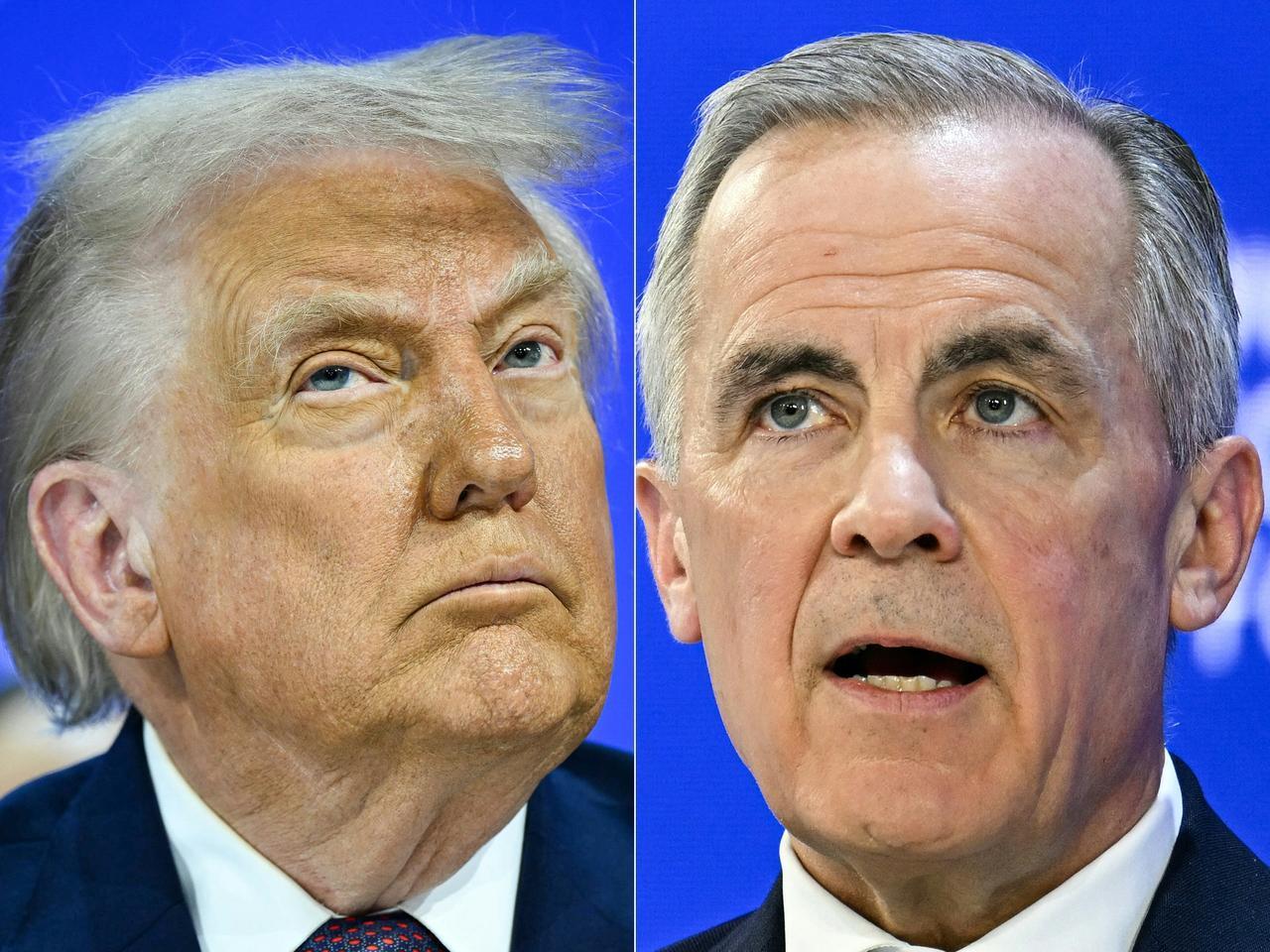
Canada sends over 75% of its exports to the United States, making trade relations with Washington critical for sectors such as automotive manufacturing, steel, and agriculture.
Although Canadian industries have endured Trump-era sectoral tariffs, existing free trade frameworks, such as the North American trade agreement, have so far shielded some sectors from broader disruption. However, Trump has recently signaled a tougher stance as negotiations to revise the agreement are set to resume.
The U.S. exchanged approximately $761.8 billion in goods with Canada in 2024, including $349.9 billion in exports and $411.9 billion in imports, resulting in a $62 billion trade deficit. In the first ten months of 2025, total trade stood at $606.7 billion, with $283.8 billion in goods sent to Canada and $322.8 billion brought in, yielding a deficit of nearly $39 billion.


 Set as preferred source
 Set as preferred source


 1 min read

 1 min read