Newsletters


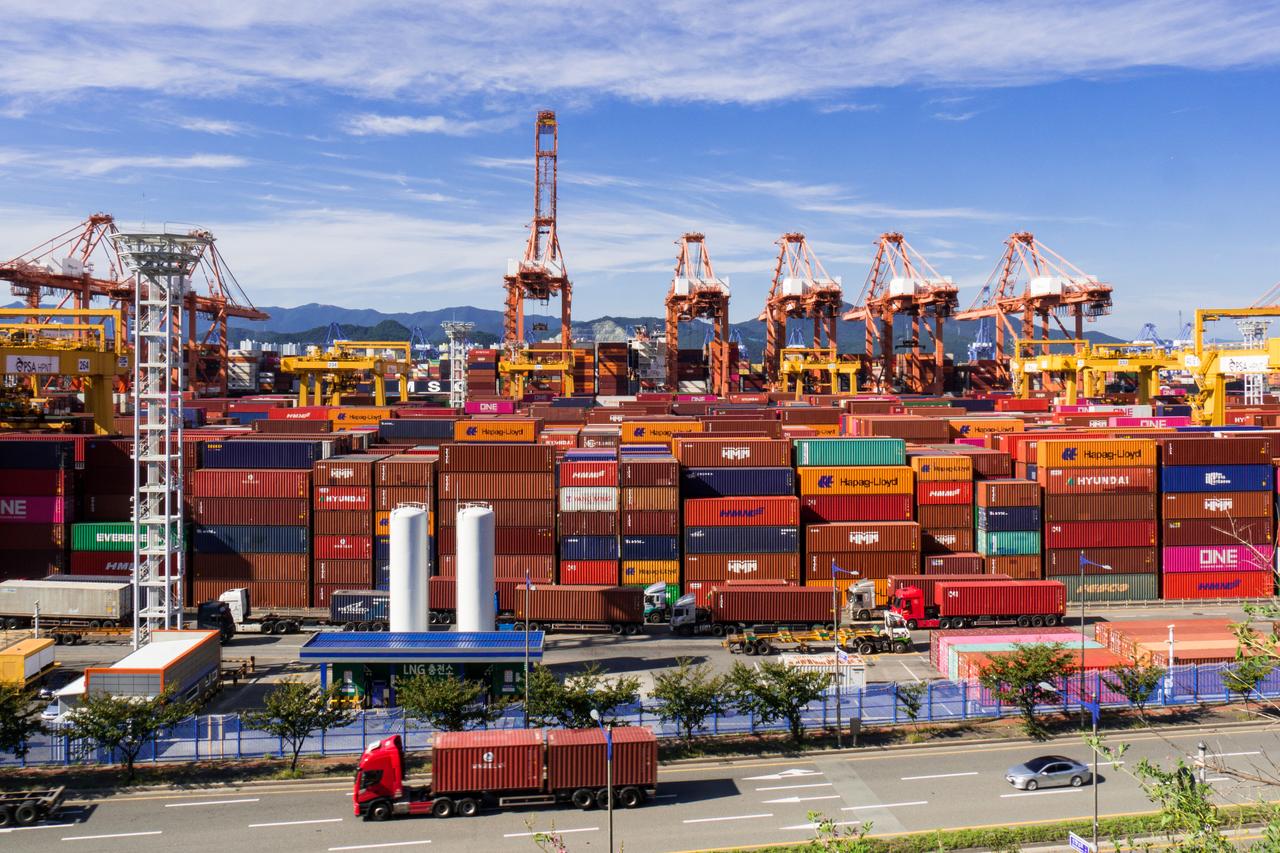


U.S. President Donald Trump on Tuesday announced that he would raise tariffs on South Korean imports to 25% from 15%, citing Seoul’s failure to implement the provisions of a bilateral trade accord between the two countries.
In a post on his Truth Social platform, Trump claimed that the South Korean legislature had not enacted the "Historic Trade Agreement," referring to a deal which was signed in late July, though Seoul maintains that the pact was a memorandum of understanding (MoU) rather than a legally binding treaty requiring parliamentary approval.
The agreement envisaged $350 billion in investment by South Korean companies in the United States, along with the purchase of $100 billion worth of liquefied natural gas (LNG).
Following Trump’s announcement, South Korean officials convened an emergency session to assess next steps. The country’s Trade Minister Kim Jung-kwan, currently abroad, joined the meeting remotely and is expected to travel to Washington for high-level consultations with U.S. Commerce Secretary Howard Lutnick.
The South Korean government responded by asserting that it had not received formal notice of any tariff changes and emphasized that such measures would only become effective following official procedures in the United States, including publication in the Federal Register.
In a statement, the government said it remains committed to honoring the trade framework agreed with Washington, and intends to approach the matter "in a calm and measured manner." Officials reiterated that they view the document as a memorandum of understanding, an executive arrangement that, under South Korean law, does not require parliamentary ratification.
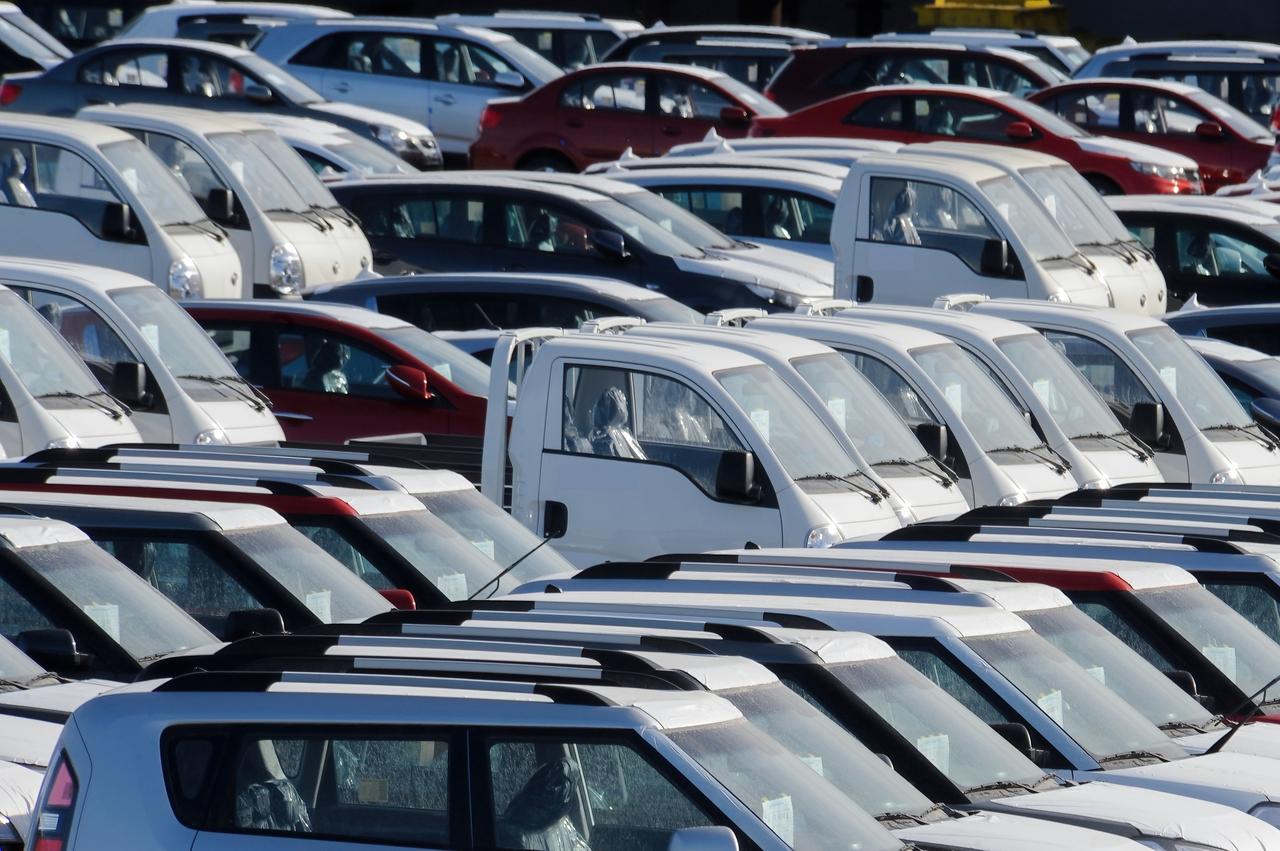

One of the clearest impacts of a tariff hike would fall on the automotive sector. The auto industry makes up about 24% of South Korea’s $122 billion in exports to the United States. In 2025, car shipments to the U.S. dropped by 13.2% to $30.15 billion, partly due to ongoing trade friction.
If enacted, the proposed 25% tariff would place South Korean manufacturers at a disadvantage relative to competitors from Japan and the European Union, both of which benefit from stable 15% U.S. tariff rates under separate trade arrangements.
Trump’s remarks follow a series of similar statements targeting other trade partners. Over the weekend, he warned Canada that a trade deal with China would trigger a 100% tariff on all goods entering the U.S. from its northern neighbor. Earlier this month, he also floated the possibility of tariffs on European countries until his proposed acquisition of Greenland is completed, a statement he later walked back.
As of Tuesday, the White House had not issued any formal notice initiating the tariff changes for South Korea, leaving space for negotiations before measures are enacted.


 Set as preferred source
 Set as preferred source


 1 min read
 1 min read