

 Newsletters


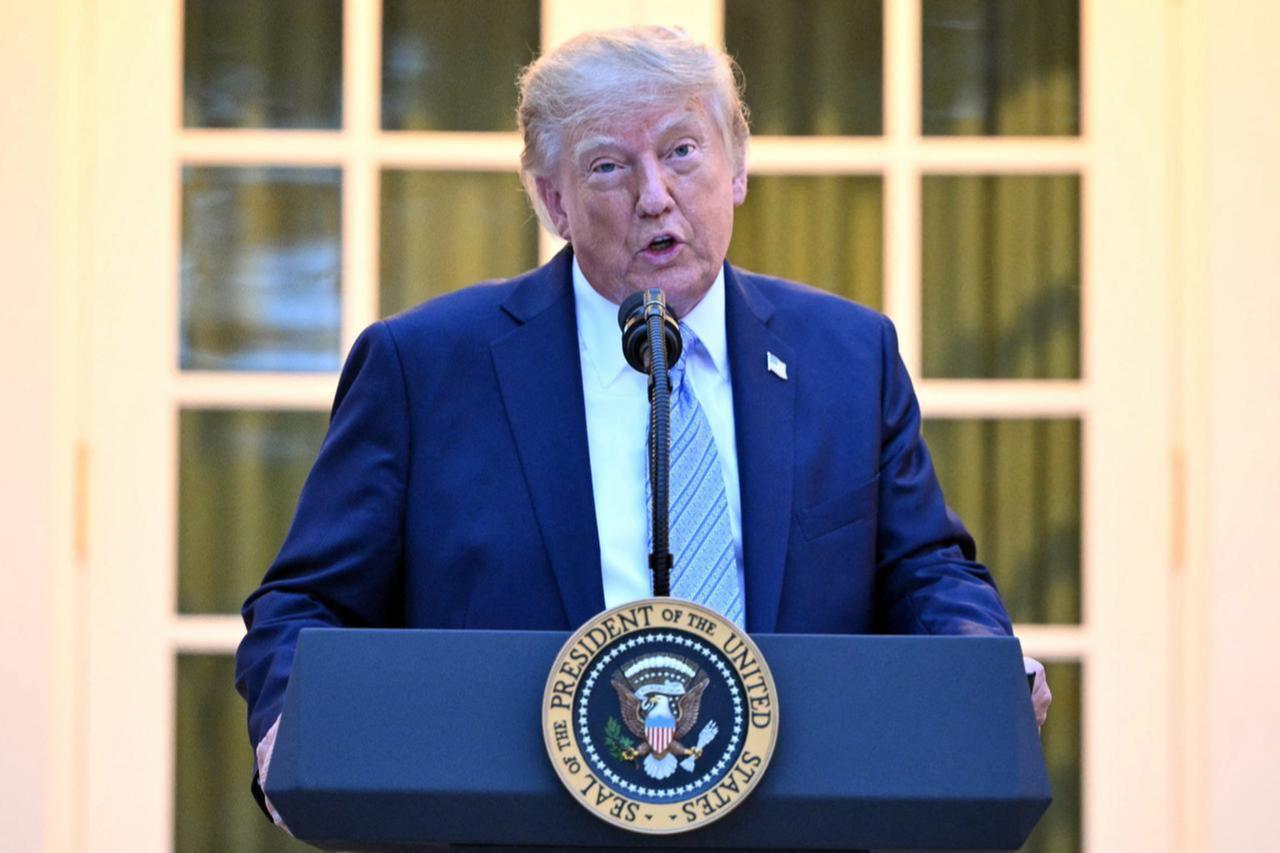


U.S. President Donald Trump on Saturday pushed back forcefully against critics of artificial intelligence and data center expansion, declaring he would not permit what he called the "destruction" of the AI industry and unveiling plans for a new government body he is calling an "AI Force."
The president, writing on his Truth Social platform, accused liberals of seeking the "decimation, or destruction, of AI" and pledged that his administration would actively support the sector's expansion rather than restrict it.
"I, as President of the United States, will not stand by and let this happen," Trump wrote. He said his administration would "not in any way hinder or stifle the Growth of this incredible Industry," adding: "Rather, we will cherish it, help it, and watch over it, as it grows!"
The remarks reflect a president increasingly at odds with a public growing wary of AI's rapid expansion, even as warnings about the technology's risks have come from within the AI industry itself.
Trump also announced he was establishing an "AI Force," which he said would be tasked with "looking for BAD" — though he did not elaborate on the body's structure, authority or mandate.
He indicated that further details would follow soon, including the naming of an AI coordinator, whom he referred to as a "Czar," to oversee the administration's approach to the technology.
No timeline, budget or additional specifics about either the AI Force or the forthcoming coordinator role were provided in the post.
The statement is the latest instance of Trump positioning himself as a defender of the AI and data center buildout against critics, whom he has repeatedly characterized as aligned with liberal or Democratic opposition.
Data centers, the large facilities that house the computing infrastructure powering AI systems, have drawn scrutiny in various U.S. communities over their electricity and water consumption, as well as their impact on local utility costs.
Trump has made rapid AI development a signature priority of his second term, framing it as a matter of economic competitiveness and national security. His Saturday post did not address specific policy measures, regulatory proposals or the identities of the critics he was responding to.


 Set as preferred source
 Set as preferred source


 1 min read



 1 min read


