Newsletters


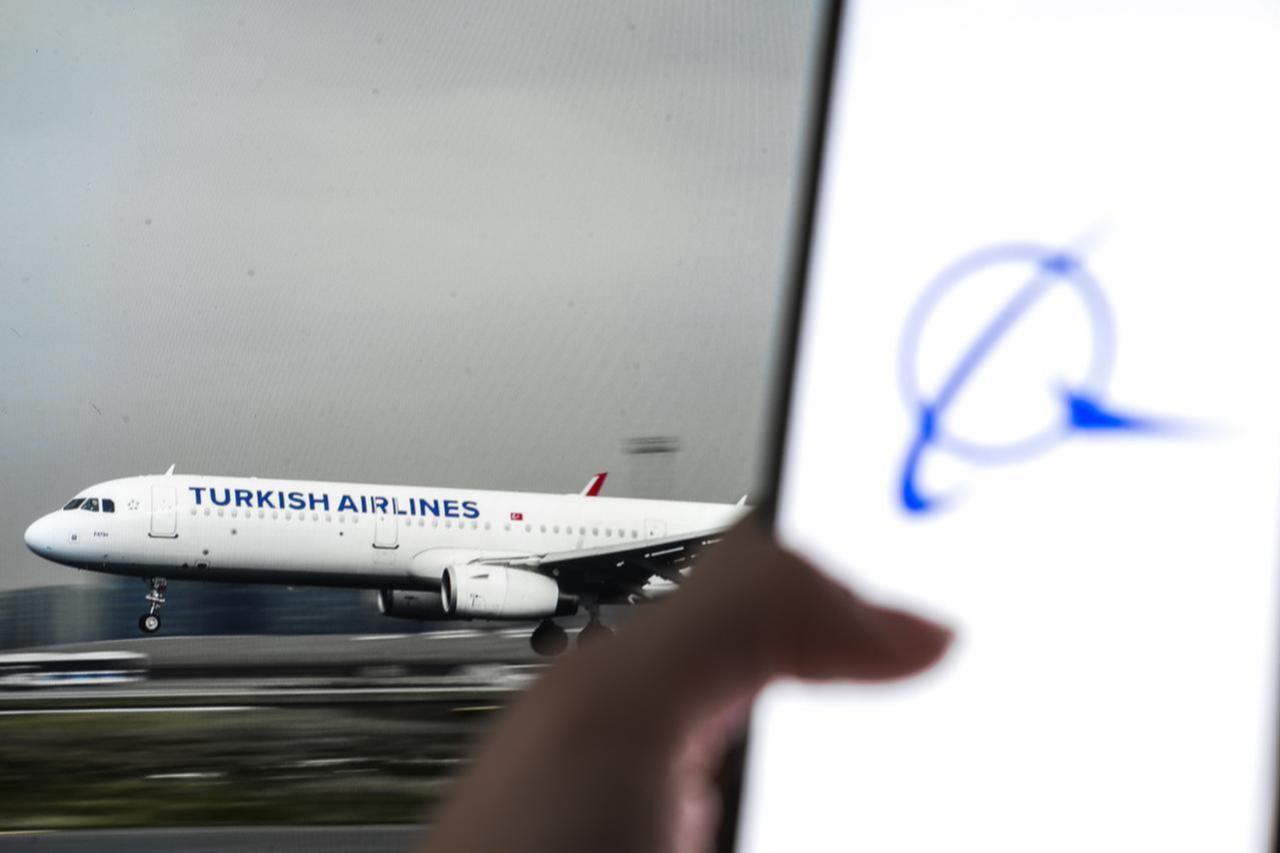


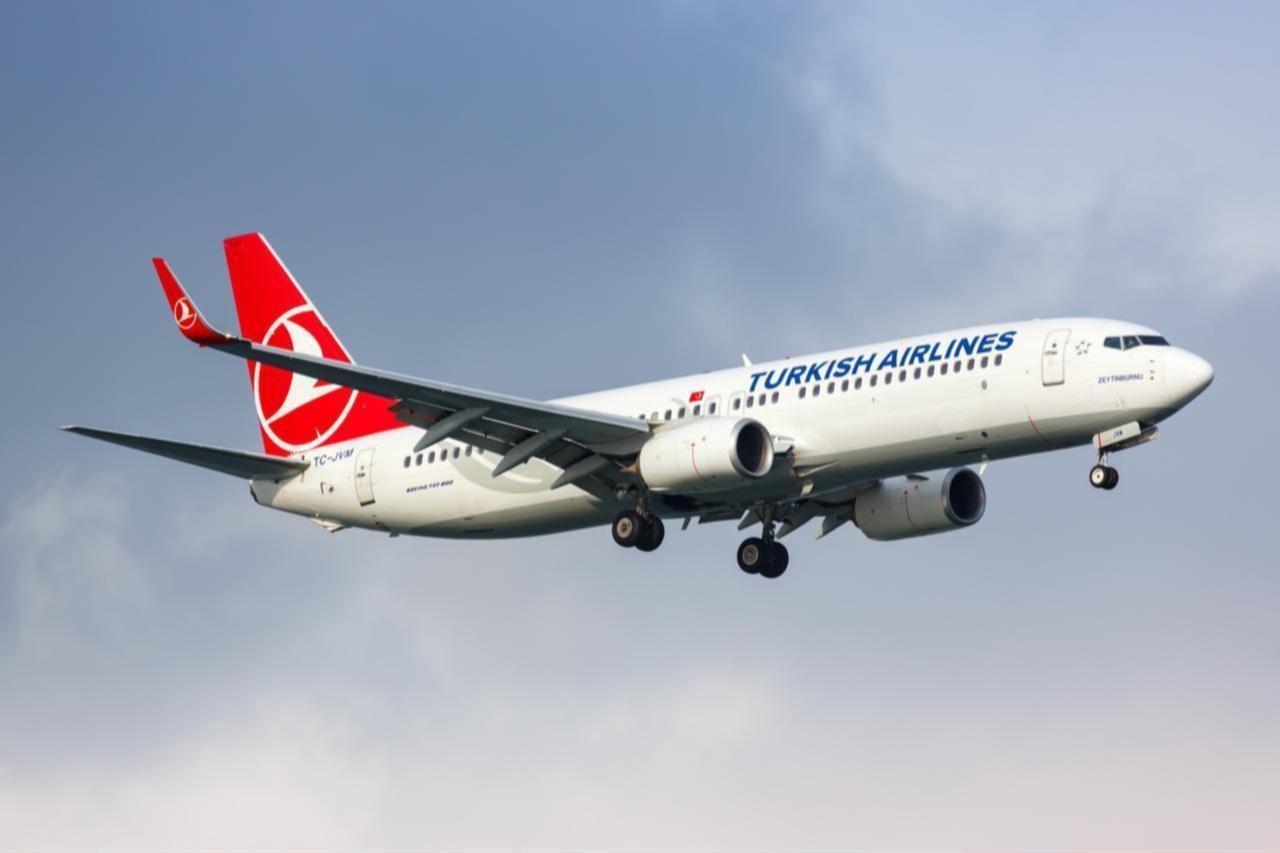
Turkish Airlines is continuing negotiations over the engine agreement tied to its order for up to 150 Boeing 737 MAX aircraft and expects the talks to be completed soon, CEO Ahmet Olmustur told Bloomberg HT on Friday.
"The engine agreement will hopefully be finalized soon, and then we will share it with the public," Olmustur said, according to Bloomberg HT.
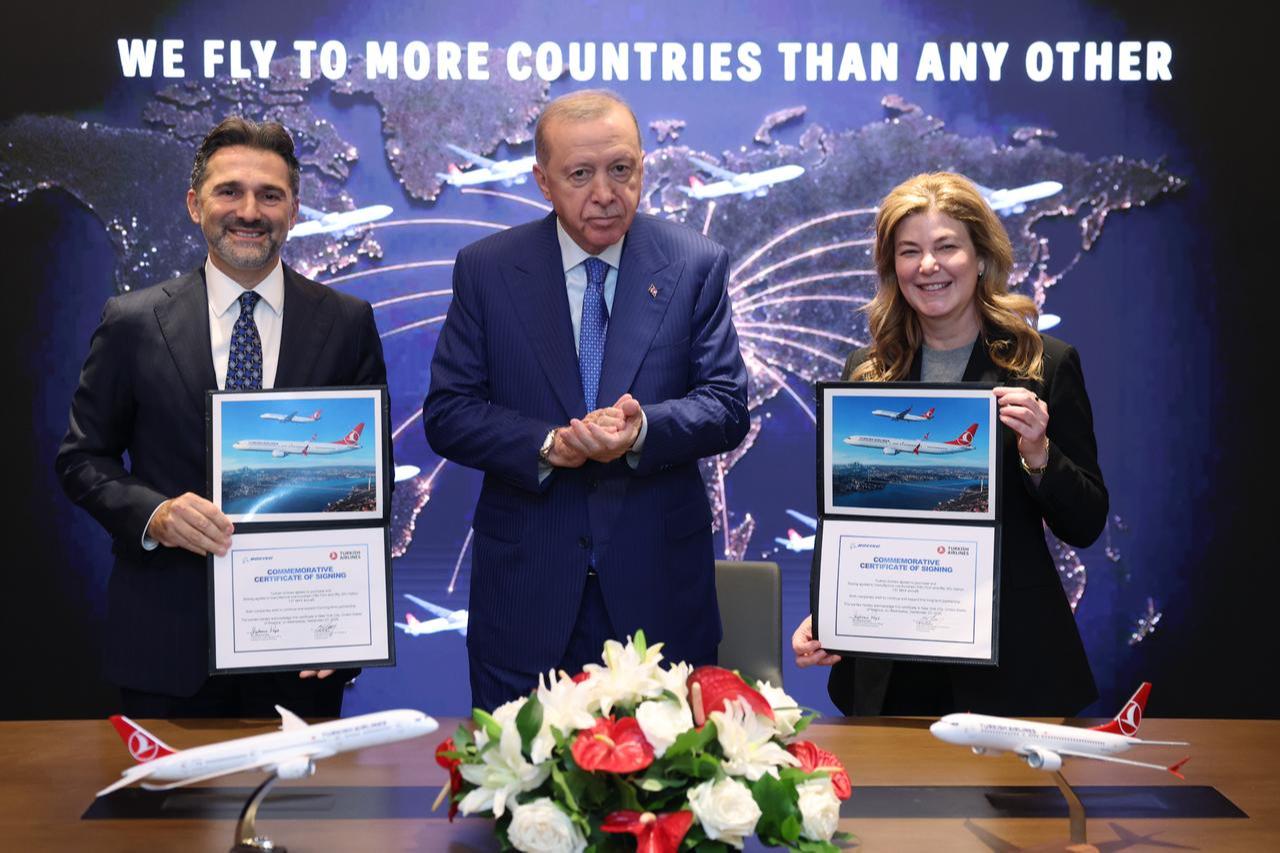
The comments come after Turkish Airlines finalized its aircraft agreement with Boeing in late September for 100 firm 737-8 orders and options for another 50 737 MAX jets, the largest single-aisle Boeing order in the Turkish flag carrier's history. The agreement also gives the airline the right to switch aircraft to the larger 737-10 model.
The agreement, reached following negotiations that began in 2025, is part of Turkish Airlines’ long-term growth strategy and is intended to strengthen the airline’s short- and medium-haul network while supporting the expansion of its fleet.
Under the agreement, Turkish Airlines will place a firm order for 100 Boeing 737-8 aircraft while retaining options for an additional 50 Boeing 737 MAX aircraft.
The agreement also provides the airline with the flexibility to switch to the Boeing 737-10, the largest member of the 737 MAX family.
The aircraft are scheduled for delivery between 2033 and 2037, according to a Turkish Airlines regulatory filing.
Engine negotiations had previously been a key issue surrounding the MAX purchase. The Boeing 737 MAX is powered exclusively by CFM International's LEAP-1B engines. Reuters reported in September that disagreements over engine pricing and maintenance terms with CFM, a joint venture between GE Aerospace and France's Safran, had delayed the aircraft agreement.

Olmustur also told Bloomberg HT that Turkish Airlines was working to offset the impact of higher jet fuel prices as the war in the Middle East continues to affect the aviation industry.
He said Istanbul's position as a major global transfer hub had helped generate strong demand for flights to Türkiye, particularly from the Far East and Asia.
Turkish Airlines shifted aircraft and capacity toward markets where it expected demand to increase after the crisis began, Olmustur said.
"We managed our capacity very well from the day the crisis began, moving our aircraft and capacity to places where we expected strong demand," he said.
The airline is trying to balance additional fuel costs through internal efficiency measures and commercial steps, he added.
Olmustur also said Turkish Airlines plans to open several new routes in the Far East and nearby markets in 2027 while continuing efforts to improve efficiency and increase the value of its brand.
The carrier aims to become the first Turkish company to rank among the world's 100 most valuable brands, he said.


 Set as preferred source
 Set as preferred source


 1 min read
 1 min read