Newsletters


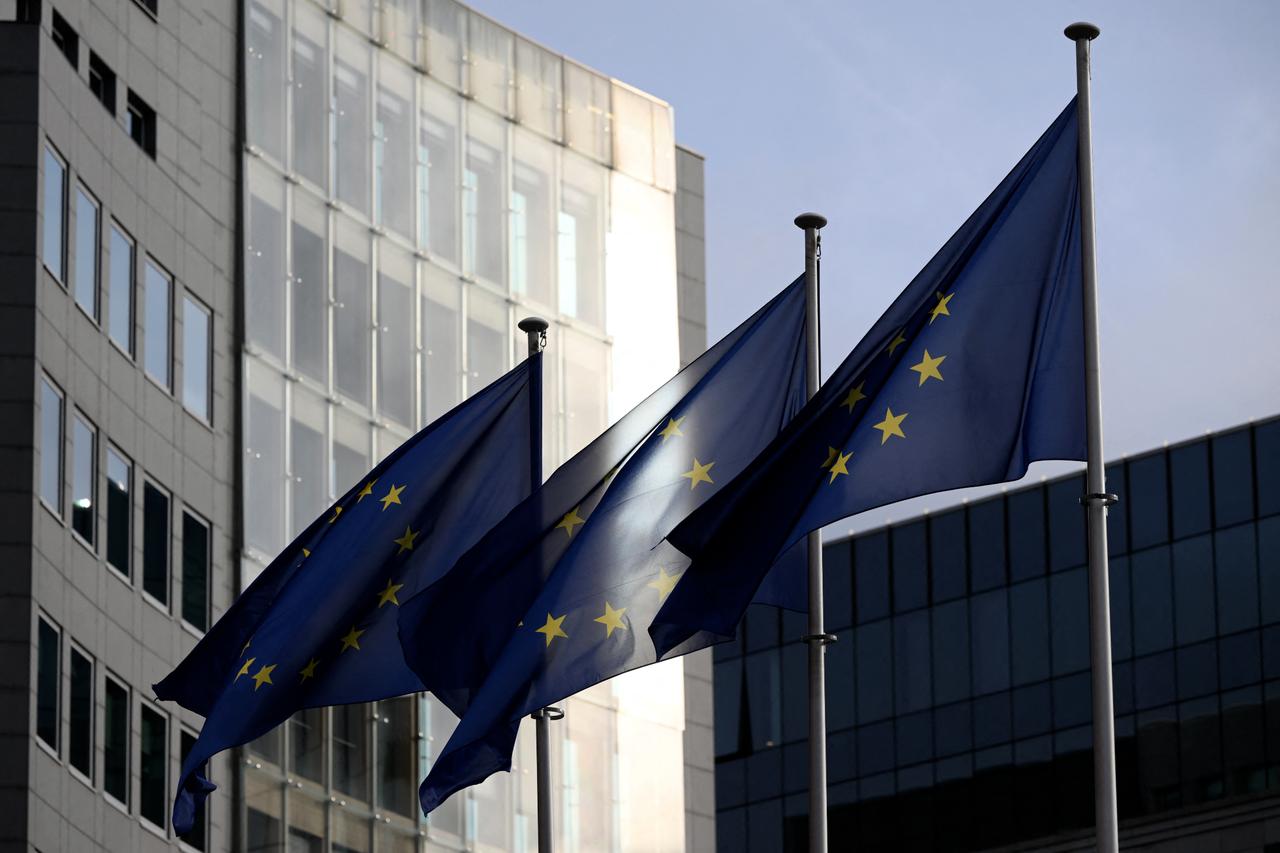


Türkiye’s Foreign Economic Relations Board (DEIK) published open letters in major European newspapers, demanding the immediate reactivation of the country’s EU membership process.
The campaign was published in the most prominent newspapers in Germany, France, the Netherlands, Spain, Italy, Poland, and Belgium. Addressed directly to each nation's leadership, the open letters called for a fundamental "paradigm shift" in Türkiye-EU relations.
DEIK stated that the move followed its first open letter in the Financial Times in January 2026, which generated strong positive feedback.
Letters addressed to the leaders of Germany, Poland and Belgium, published in Bild, Rzeczpospolita and De Tijd respectively, appeared on May 8, ahead of EU Day on May 9.
Letters targeting France, the Netherlands, Spain and Italy are planned to follow.
The letters carry the signatures of DEIK Chairman Nail Olpak, DEIK Türkiye-Europe Business Councils Coordinator Chairman Mehmet Ali Yalcindag and the chairs of the individual European business councils.
"In our open letters, we are reminding not only of commercial ties but also of the value that Türkiye's full membership in the EU would add to Europe's strategic autonomy and global security," Olpak said, according to Turkish media.
"Keeping the full membership perspective alive is an indispensable strategic necessity for Europe's geopolitical future. Our strong spirit of cooperation, which underlies our commercial diplomacy, is the most concrete structure supporting Türkiye's vision of full EU membership," he added.
Olpak said the letters told European leaders that in a geopolitically fragmented world, Europe's competitiveness would be strengthened by an updated EU-Türkiye Customs Union.
He noted that all positive feedback from European capitals was being followed closely and that the campaign would continue throughout the year.

DEIK Türkiye-Europe Business Councils Coordinator Chairman Yalcindag took a more direct line, stating, "There is no time left to wait and procrastinate. In our view, there is also no option of leaving this unresolved. We see the future of Türkiye-EU relations not just as economic cooperation but as a strategic necessity."
"Europe is at a historic turning point today," Yalcindag added.
Yalcindag rejected any framing that treats the membership bid as a resumed process. "We reject the phrase 'where did we leave off.' We are starting fresh, we want it now," he said.
"Full membership first, sub-issues after. When we start with full membership at the end of 2026, the pulse of those across from us rises. Europe has lost its way. It is also Europe that needs to take the step," Yalcindag noted.
He argued that Türkiye's full membership would be essential to Europe's ability to develop a broader vision, act faster, and build stronger partnerships in a world reshaped by geopolitical fragmentation, artificial intelligence, energy transition, supply chain competition, and a deteriorating security environment.
"Türkiye is an inseparable part of this equation," Yalcindag added.
The open letters describe Türkiye as far more than a trading partner, arguing it serves as both a logistics hub for European trade and an energy corridor of irreplaceable strategic value.
The letter notes that Türkiye holds 73% of the world's boron reserves, has one of Europe's most attractive manufacturing bases, particularly as China moves away from serving as Europe's production center, and offers deep integration in European value chains and innovation networks.
"Türkiye is not on the periphery of Europe's strategic ecosystem but at its very center— across production, logistics, defense, and technology," Yalcindag said in a message published for EU Day.
The letters call for an unambiguous EU membership perspective for Türkiye, arguing that reaffirming the strategic unity of Türkiye's and the EU's futures would rebuild mutual trust and strategic clarity.
They also call for the Customs Union to be updated to cover digital markets, green transition, and services, areas not included in the current framework, and argue this would directly strengthen Europe's global economic position.
The letters also reference European Commission President Ursula von der Leyen's recent remarks describing EU enlargement as a geopolitical necessity while separately warning against leaving regions to Russian, Turkish, and Chinese influence.
The remarks drew protests from Ankara and led Von der Leyen to clarify that Türkiye was "an important NATO ally, EU candidate country and key regional partner." Yalcindag said even that clarification demonstrated Türkiye's indispensability to the EU.
 1 min read
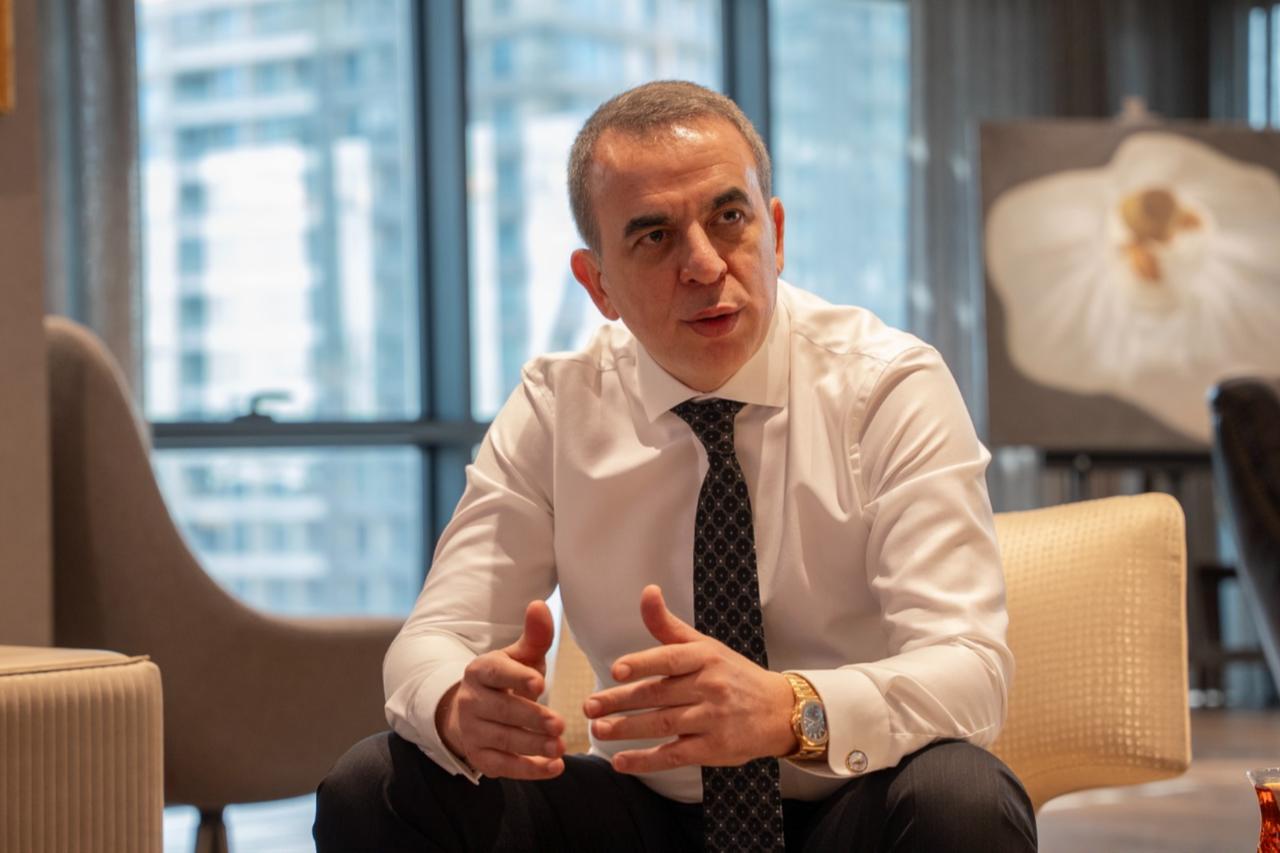
DEIK described the seven target countries as strategically chosen rather than arbitrary. Germany, France, the Netherlands, Spain, Italy and Poland constitute the EU's six largest economies, known as the E6.
Belgium was included as one of the EU's founding members and host of its core institutions. The campaign timed its Belgian launch to coincide with a Türkiye-Belgium Business Forum held with the participation of Belgian Queen Mathilde.
"This is entirely strategic and critically important. We have already begun receiving very positive feedback from these countries," Olpak said.


 Set as preferred source
 Set as preferred source


 1 min read