Newsletters


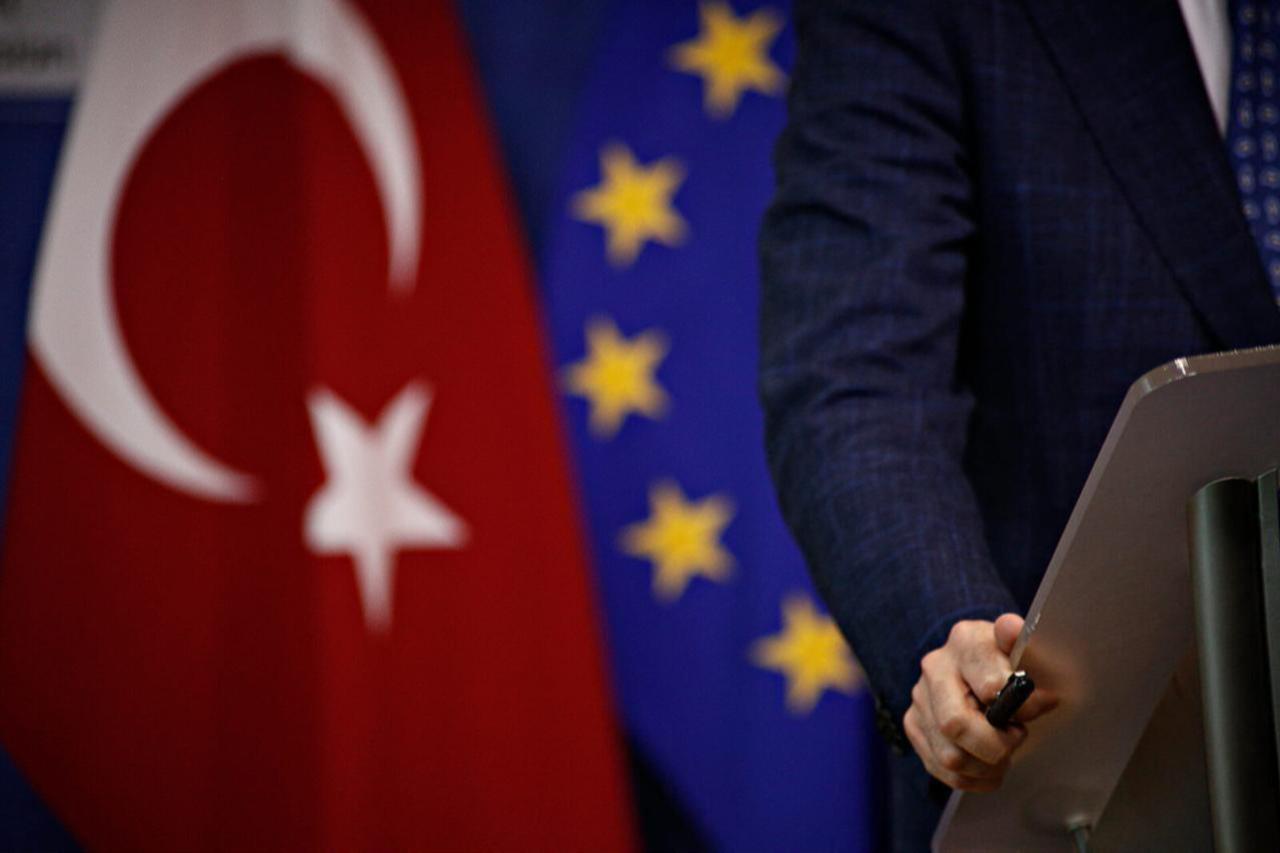


Türkiye’s leading business organizations have sent an open letter to European Union leaders urging decisive action to revive Türkiye–EU relations, calling for progress on full membership, modernization of the Customs Union and deeper strategic cooperation.
Prepared by the Foreign Economic Relations Board of Türkiye (DEIK), Türkiye–Europe Business Councils, the letter was signed by the presidents of business councils from 26 EU member states and sent to EU leaders.
It is scheduled to be published in the Financial Times and was unveiled at a press meeting in Istanbul titled “Türkiye–EU: From Dialogue to Action – An Open Letter to EU Leaders.”
DEIK President Nail Olpak said the entire DEIK network stands behind the initiative, stressing that prolonged delays in Türkiye’s EU accession process and the Customs Union update have become increasingly costly.
Olpak said Türkiye is not only seeking a technical update of the Customs Union but also aims to be fully embedded in the European economic ecosystem.
He emphasized that the current framework no longer reflects realities such as digitalization, public procurement and agriculture.
He also highlighted persistent problems, including visa restrictions, quotas and emerging trade barriers, warning that mechanisms like the Carbon Border Adjustment Mechanism represent “new walls” for Turkish exporters as additional sectors are gradually included.
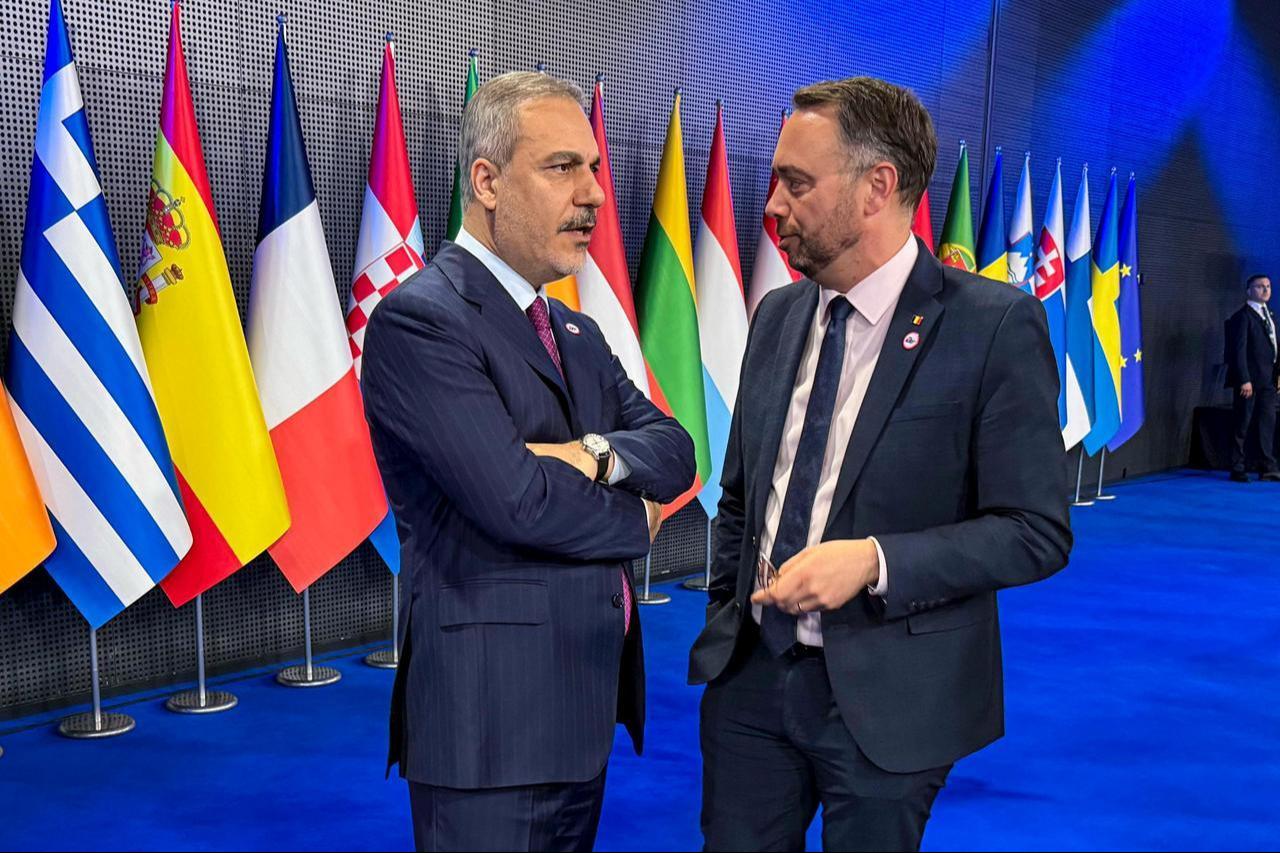

Olpak expressed concern over the “Made in Europe” approach, saying it carries the risk of excluding Türkiye from European supply chains.
He noted that while some European partners frame the policy as targeting Asia-Pacific producers, Türkiye could still be left outside the framework.
He also pointed to EU free trade agreements with other regions, including Mercosur countries and India, saying these deals affect Türkiye due to the existing Customs Union structure.
Olpak said that during recent meetings, most EU member states, with a few exceptions, expressed agreement with Türkiye’s concerns.
He added that Turkish business circles will continue lobbying efforts across Europe, including further meetings following a recent gathering in Brussels.
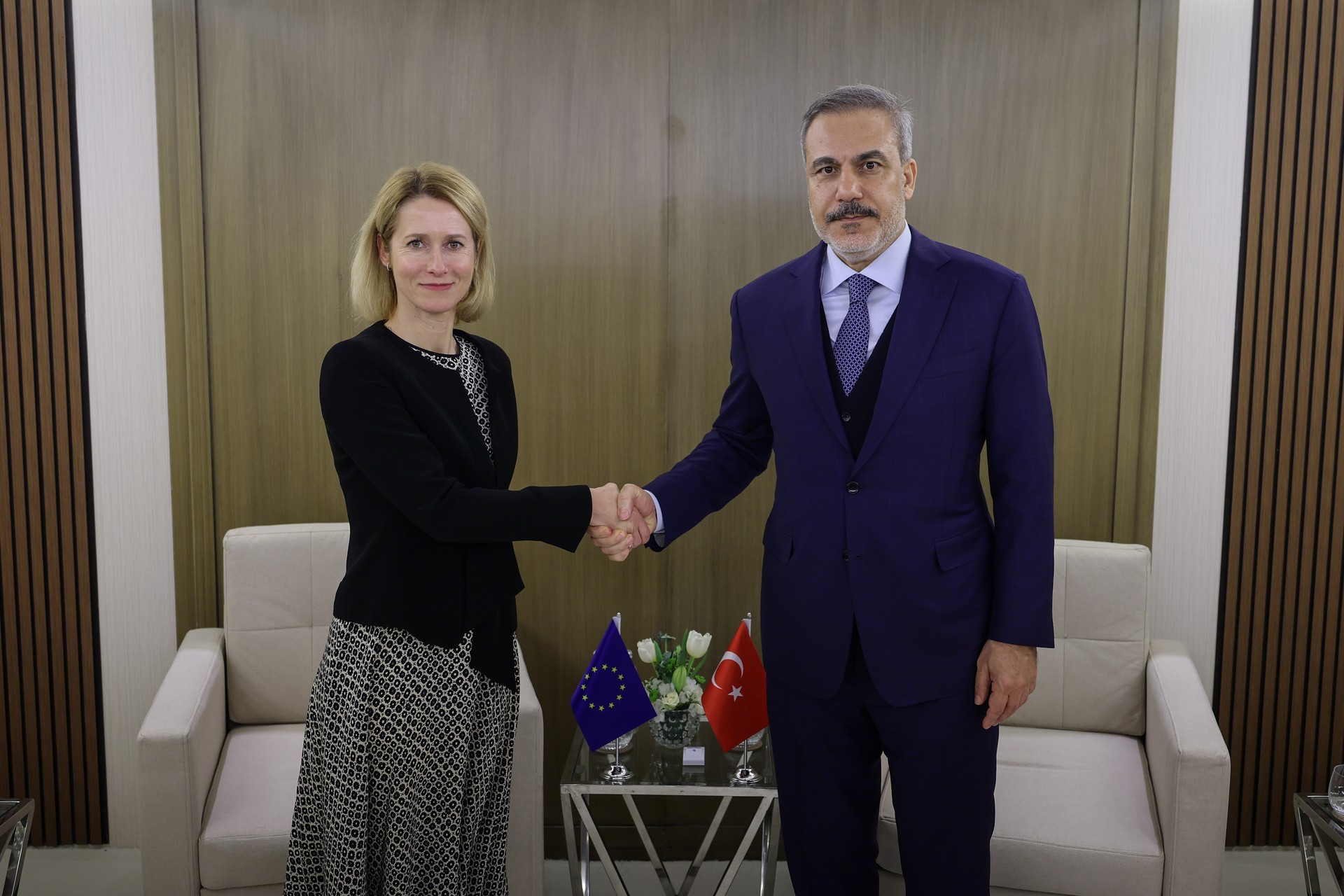
DEIK Türkiye–Europe Business Councils Coordinator Mehmet Ali Yalcindag said Europe and Türkiye are mutually dependent and argued that Europe cannot build economic or strategic autonomy by excluding Türkiye.
He said the letter clearly outlines the business world’s support for Türkiye’s full EU membership, joint projects and concrete cooperation areas.
Yalcindag stressed that the Türkiye–EU relationship is not only diplomatic but also deeply rooted in economic integration, production networks and interdependence.
He noted that the EU is Türkiye’s largest trade partner, while Türkiye ranks as the EU’s fifth-largest, underlining the scale of existing ties.
Yalcindag said Türkiye is a key partner for Europe’s future, citing its dynamic economy, young and entrepreneurial population, strong industrial base, advances in the defense industry, and its role in energy and logistics corridors.
He emphasized Türkiye’s contribution to European value chains across sectors such as automotive, machinery, textiles and electronics, as well as its importance in renewable energy, agriculture, food security and digital transformation.
Yalcindag also highlighted Türkiye’s role in European security, noting its position as NATO’s second-largest army and the significant capacity built in the defense industry over the past 15 years.
Yalcindag said uncertainty undermines investment decisions and weakens strategic opportunities, calling on EU leaders to adopt a strategic and visionary approach without further delay.
He said Turkish and European business representatives aim for tangible results this year, including a major meeting planned in Brussels in October. If no meaningful response is received, additional open letters will be sent later in the year.
Yalcindag stressed that the business community believes the moment is right for progress, saying Türkiye’s European integration should move from rhetoric to action without further postponement.


 Set as preferred source
 Set as preferred source


 1 min read
 1 min read