Newsletters




Turkish and EU officials have resolved 15 out of 29 problematic areas within the scope of the decadeslong Customs Union, and formal negotiations are expected to begin once the European Commission receives authorization from the EU Council, Trade Minister Omer Bolat said on Thursday.
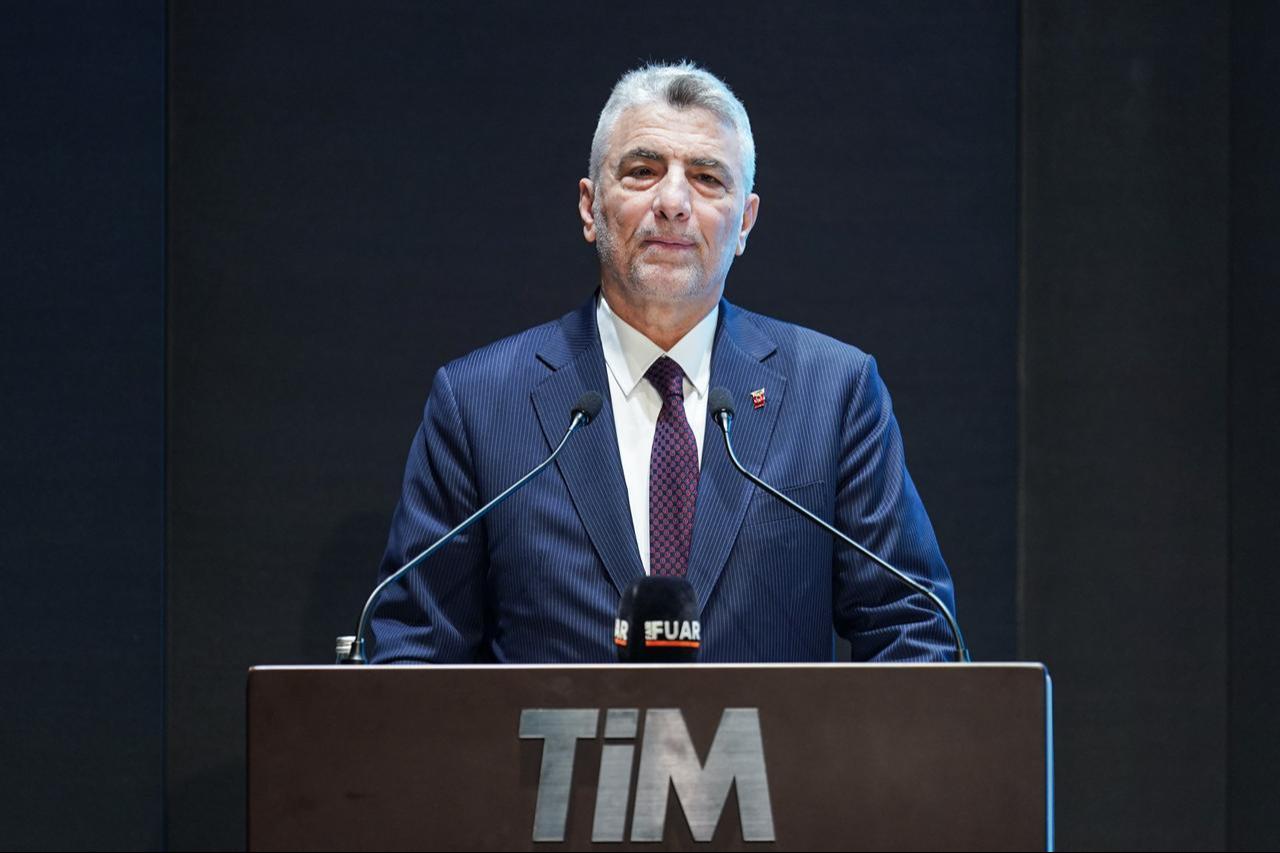
Speaking at a conference organized by the Turkish Exporters Assembly (TIM) in Istanbul, Bolat said that ongoing negotiations in the High-Level Talks launched last year cover a range of friction points, including transportation quotas, visa policies, carbon border taxation, and digital compliance.
"Discussions on the rest are ongoing," Bolat said, adding that similar talks are also being held with the U.S. over unresolved trade issues.
Türkiye’s Customs Union agreement with the EU has been in effect since Jan. 1, 1996. However, because Türkiye is not an EU member state, it does not participate in the Union’s trade agreements with third countries, leading to long-standing asymmetries. Bolat reiterated Türkiye’s demand for inclusion in trade agreement processes, highlighting that these structural limitations have been raised consistently since the deal was signed.
The minister emphasized that Türkiye continues to monitor trade agreements signed between the bloc and other countries, most recently free trade deals with the South American trade bloc MERCOSUR and India, to assess their potential impact on domestic markets.
"We remain alert to the possible effects of these deals on our economy and take all necessary precautions at customs to avoid trade diversion," he said. Bolat added that Türkiye consistently applies protective measures at border gates to safeguard its trade interests.
Bolat concluded by encouraging a measured response to the negotiation process. He underscored that Türkiye’s candidate status for EU accession, combined with the Customs Union framework, provides a stable foundation for long-term trade cooperation.
"We assess the Customs Union’s benefits together with Turkish entrepreneurs and European investors alike," he said.

Nail Olpak, head of the Foreign Economic Relations Board of Türkiye (DEIK), a public-private platform that coordinates Türkiye’s international economic relations and promotes overseas investment, said the lack of progress in updating the Customs Union continues to impose a cost on Türkiye in terms of lost trade opportunities.
"We’re closely monitoring the situation. The European Union continues to sign free trade agreements in which we have no role in the decision-making process," Olpak said, speaking on the sidelines of Customs Union discussions.
Olpak noted that while the agreement with MERCOSUR may have a limited impact on Türkiye, the deal with India could prove more consequential. "We need to think carefully about India," he said. "The EU itself calls it the ‘mother of all agreements.’"
He also pointed to potential headwinds from the EU’s upcoming "Made in Europe" strategy, a policy framework aimed at strengthening domestic industry, reducing reliance on foreign supply chains, and boosting the competitiveness of EU-made products. While EU officials describe the initiative as primarily targeting the Asia-Pacific region, Olpak expressed concern that Türkiye may still be affected.
"They say, ‘This isn’t about you; we’re actually targeting Asia-Pacific.’ I don’t want to sound pessimistic, but when you dig a little deeper, it feels like they’re drawing us into that circle," he said.
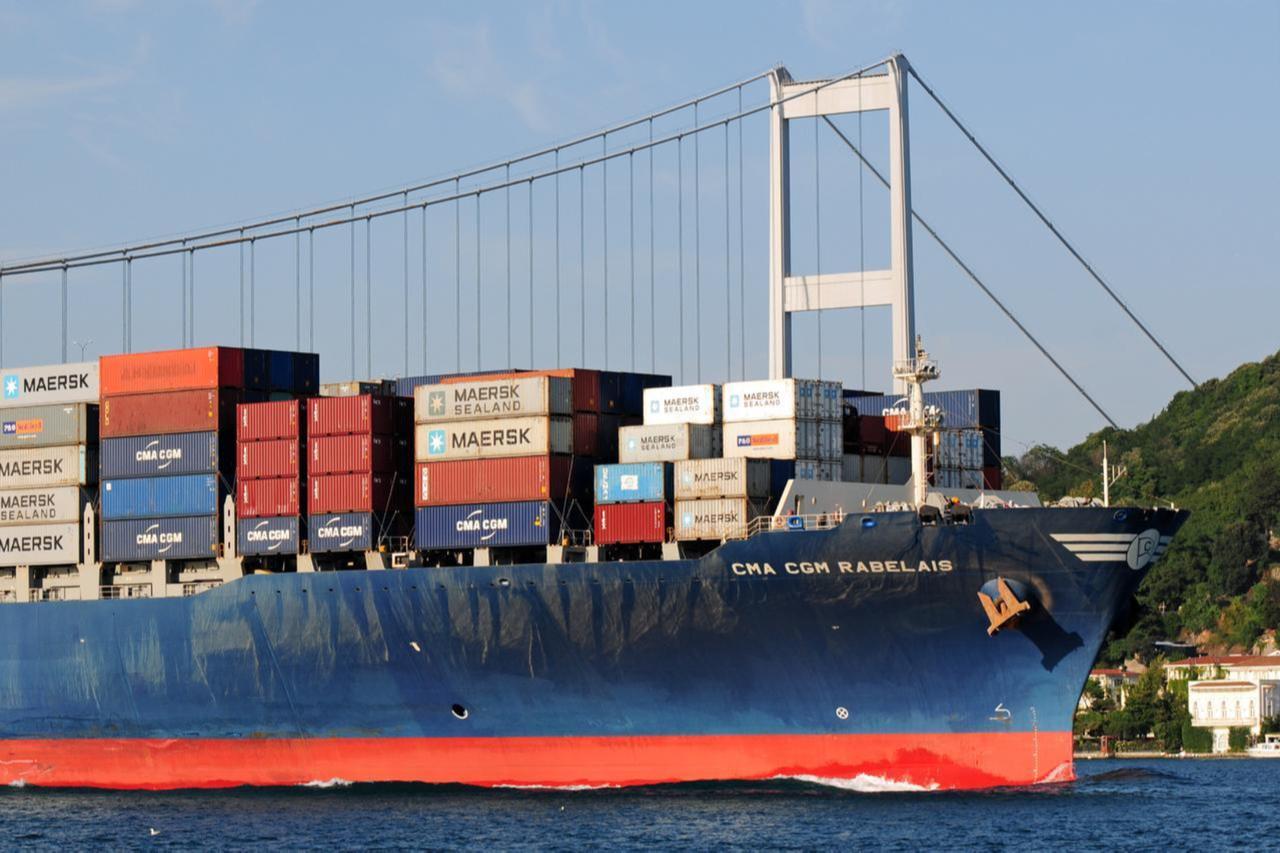
The European Union remains Türkiye’s largest export market. In 2025, Türkiye became the EU’s fifth-largest trading partner, with exports to the bloc rising 7.8% to $117 billion, bringing total bilateral trade to $232.7 billion.


 Set as preferred source
 Set as preferred source


 1 min read
 1 min read