Newsletters


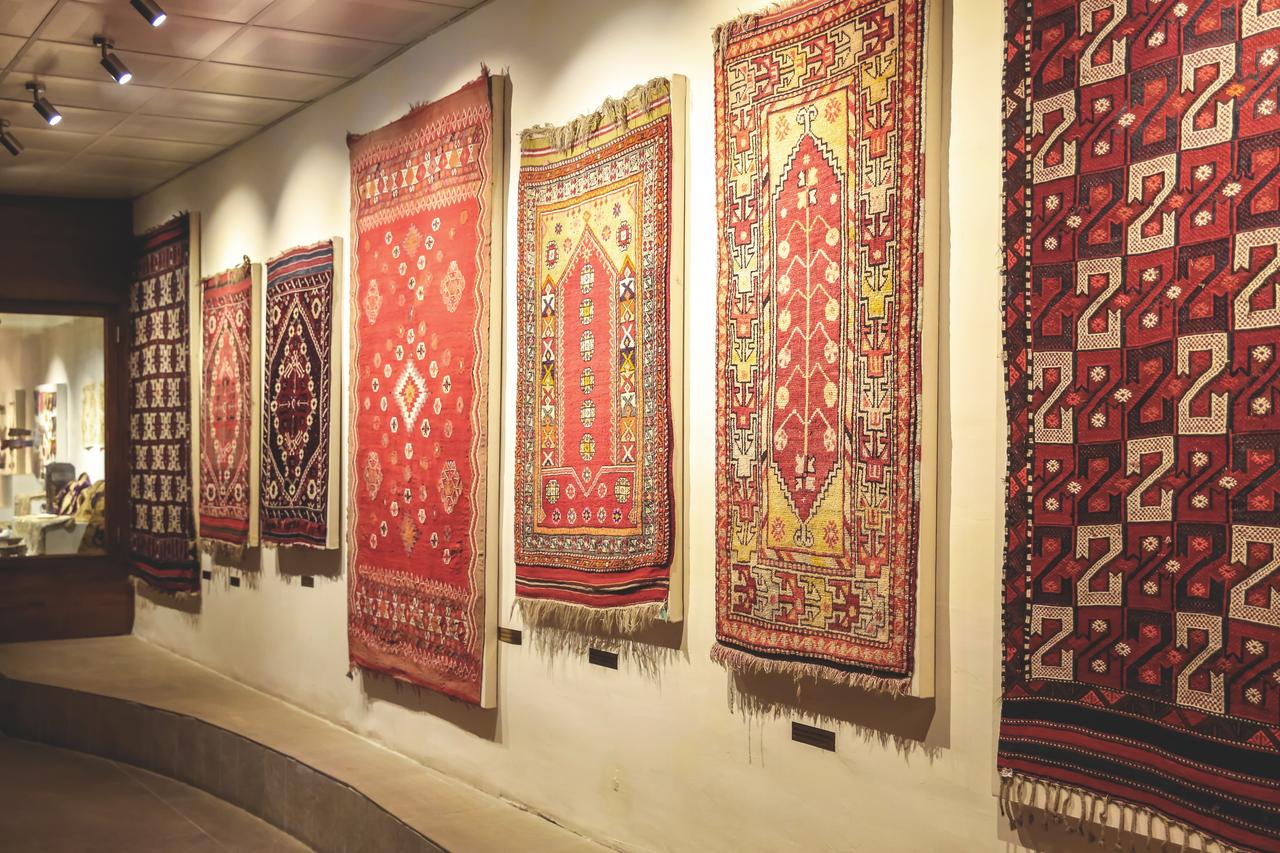


Türkiye's carpet sector exported $2.02 billion worth of carpets to 186 countries and free zones in the first nine months of the year, but exporters say war-driven logistics problems, including soaring container costs and Saudi transit visa delays, are holding back growth.
"We had an expectation of an average increase of 15% to 20%, but as you know, due to the wars that started with the Strait of Hormuz and the escalation of the Ukraine-Russia war, we could not bring our exports to the points we wanted," Iskender Kaplan, head of the Turkish Exporters Assembly's carpet sector board, told Türkiye's state-run Anadolu Agency (AA).
The carpet sector’s struggles reflect wider pressure on Turkish exporters shipping to the Gulf, as the Hormuz closure forces trade onto a congested land corridor through Syria, Jordan and Saudi Arabia.
The sector exported 391.98 million square meters of carpets, according to Turkish Exporters Assembly data. Machine-made carpets led with $1.56 billion, followed by tufted carpets at $351.7 million, hand-woven carpets at $92.2 million and kilims at $10.1 million.
The Americas were the top regional market at $605.6 million, followed by the Middle East at $515.3 million and Europe at $331.7 million.
The United States remained the top buyer with $448 million, up 16.6%, followed by Saudi Arabia at $181.3 million, up 9.4%, and Britain at $114.2 million, up 23.4%.
"If it were not for the problems in raw materials and commodities and in logistics, we would be at least 15% higher," Kaplan said, adding the sector had revised down its initial $3.5 billion year-end target.

The Turkish official said container shipping costs to Qatar, Dubai, Oman and Kuwait have risen from about $1,500 to as much as $10,000.
"When the sea route closed due to the Iran-U.S. war, we were forced to start using the Türkiye-Syria-Jordan-Saudi Arabia corridor," he said, adding, "However, due to the obstacles Saudi Arabia created in transit visas and the slowing of the process, kilometers-long truck queues formed at the border gates providing access to this route in Syria; we were virtually blocked. This problem is the common nightmare not only of the carpet sector but of all Turkish exports sending goods to the Middle East."
"While buyers in Qatar, Kuwait, the UAE, Bahrain, Oman and Yemen eagerly await their orders, the goods are waiting for shipment in our factories’ warehouses. Our warehouses are full; we can no longer produce," Kaplan said.
"Our Trade Ministry and Foreign Ministry must take urgent action to resolve this crisis and sit down with Saudi officials to speed up the visa process," he said, noting, "Otherwise, the products piling up in factories and awaiting shipment will blow up in producers’ hands. Our lasting ties and competitiveness in the Gulf market will be badly damaged."
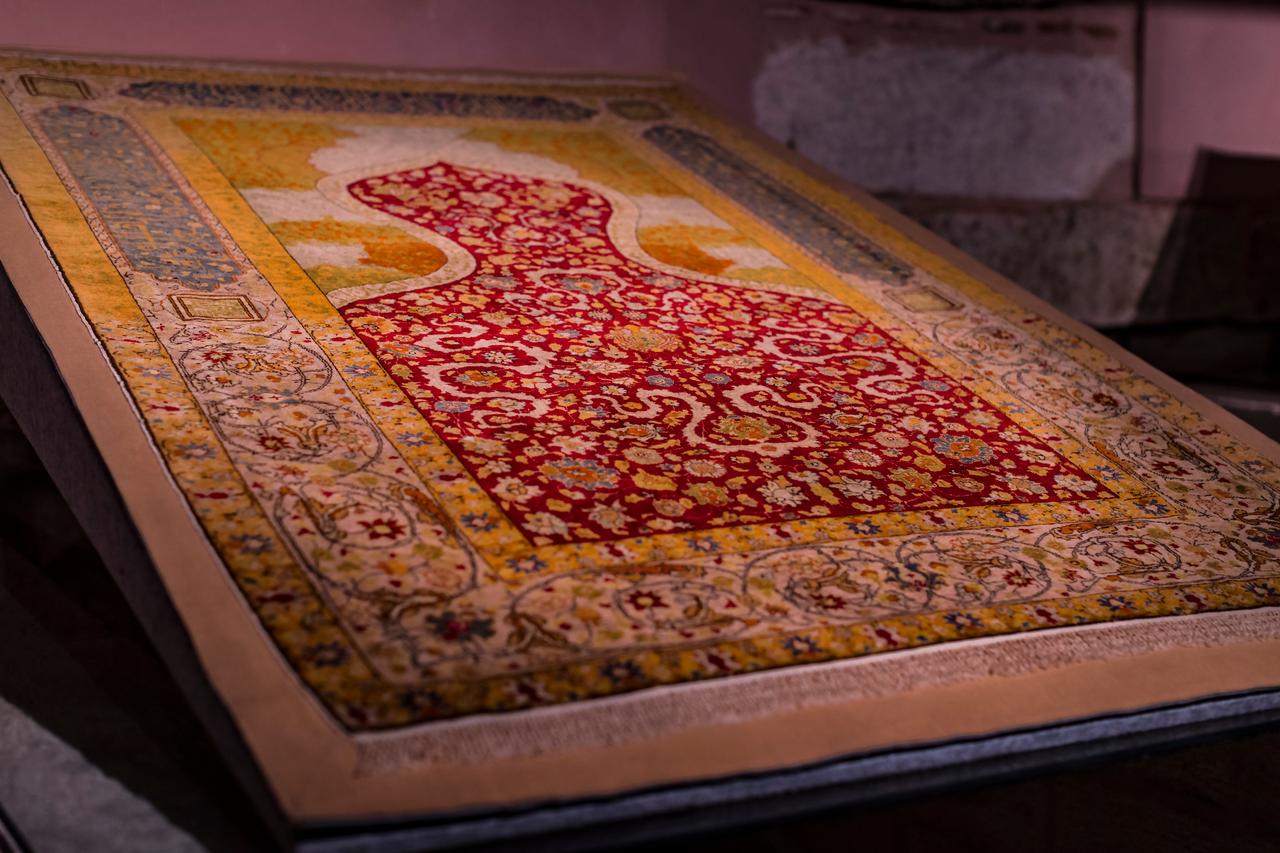
Carpet makers from Gaziantep held business meetings with French importers in Paris under a trade mission organized by the Southeastern Anatolia Carpet Exporters Association with Trade Ministry support.
Association Deputy Chairman Bekir Sahan said the visit offered a firsthand look at French consumer preferences and competition, as Turkish carpet exporters seek new markets.


 Set as preferred source
 Set as preferred source


 3 min read