Newsletters


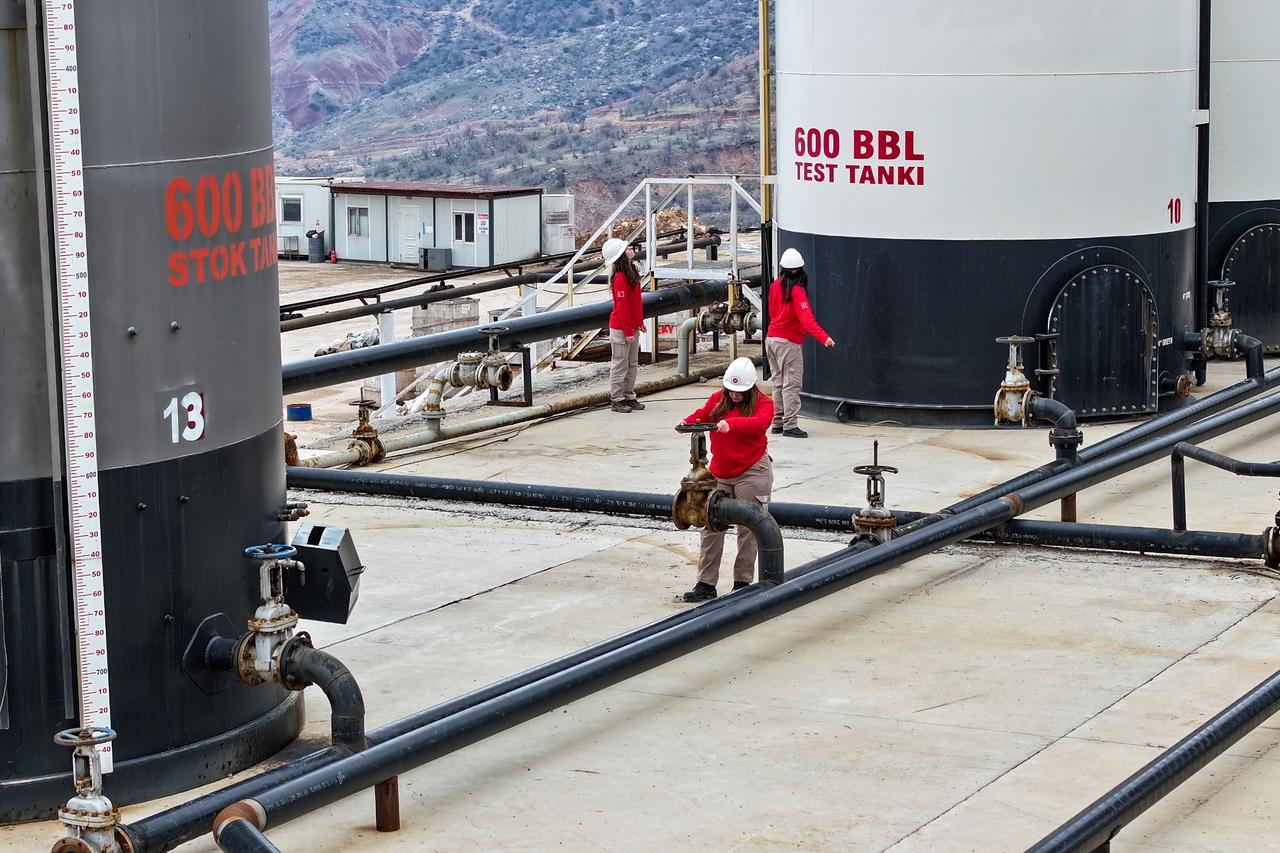


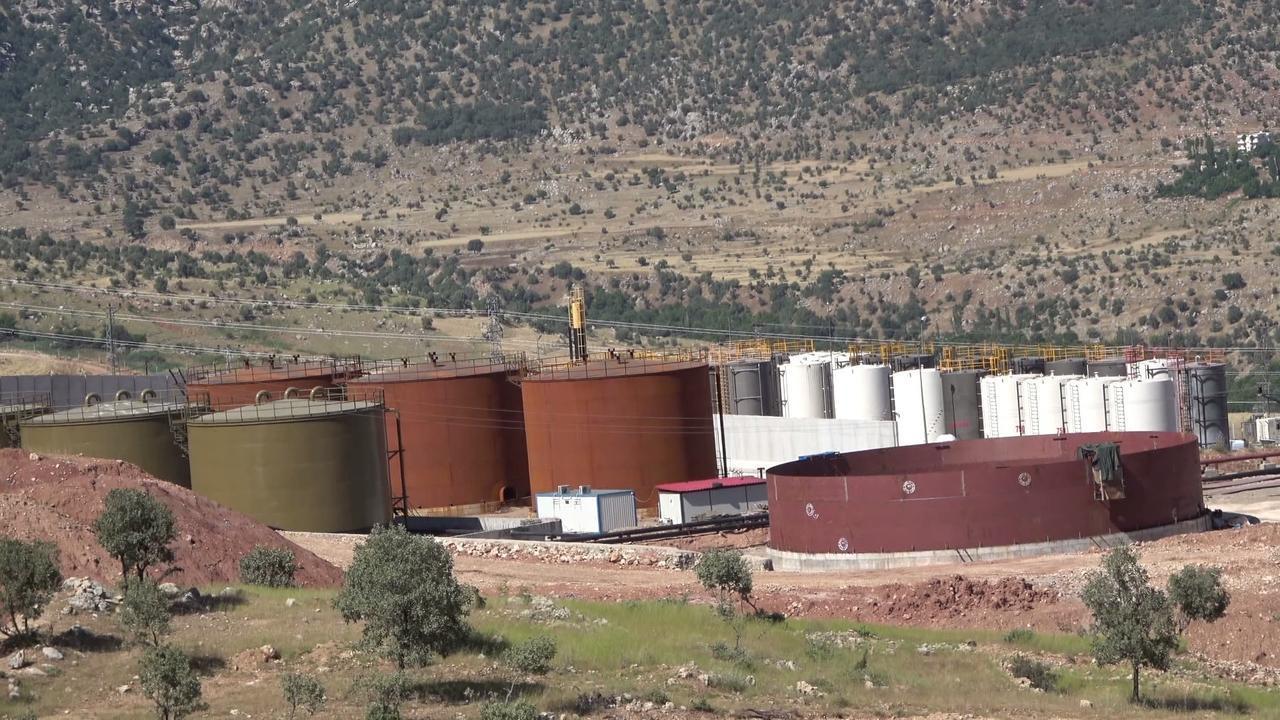
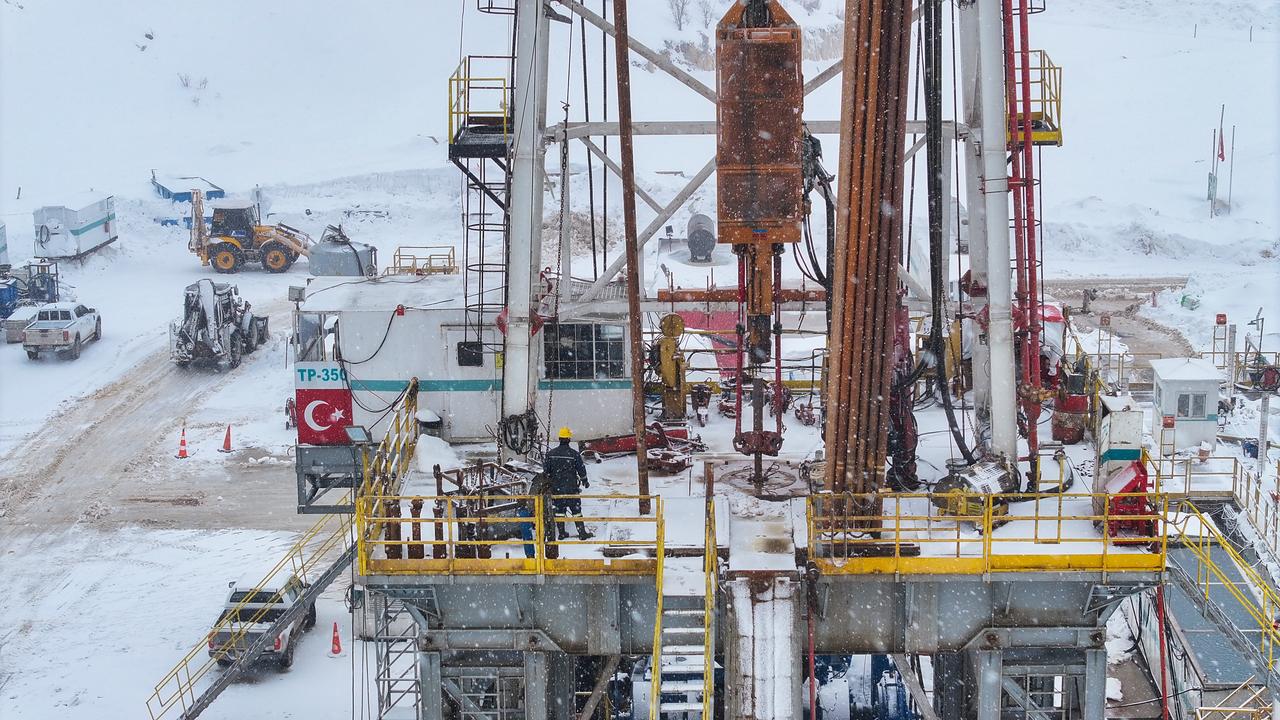
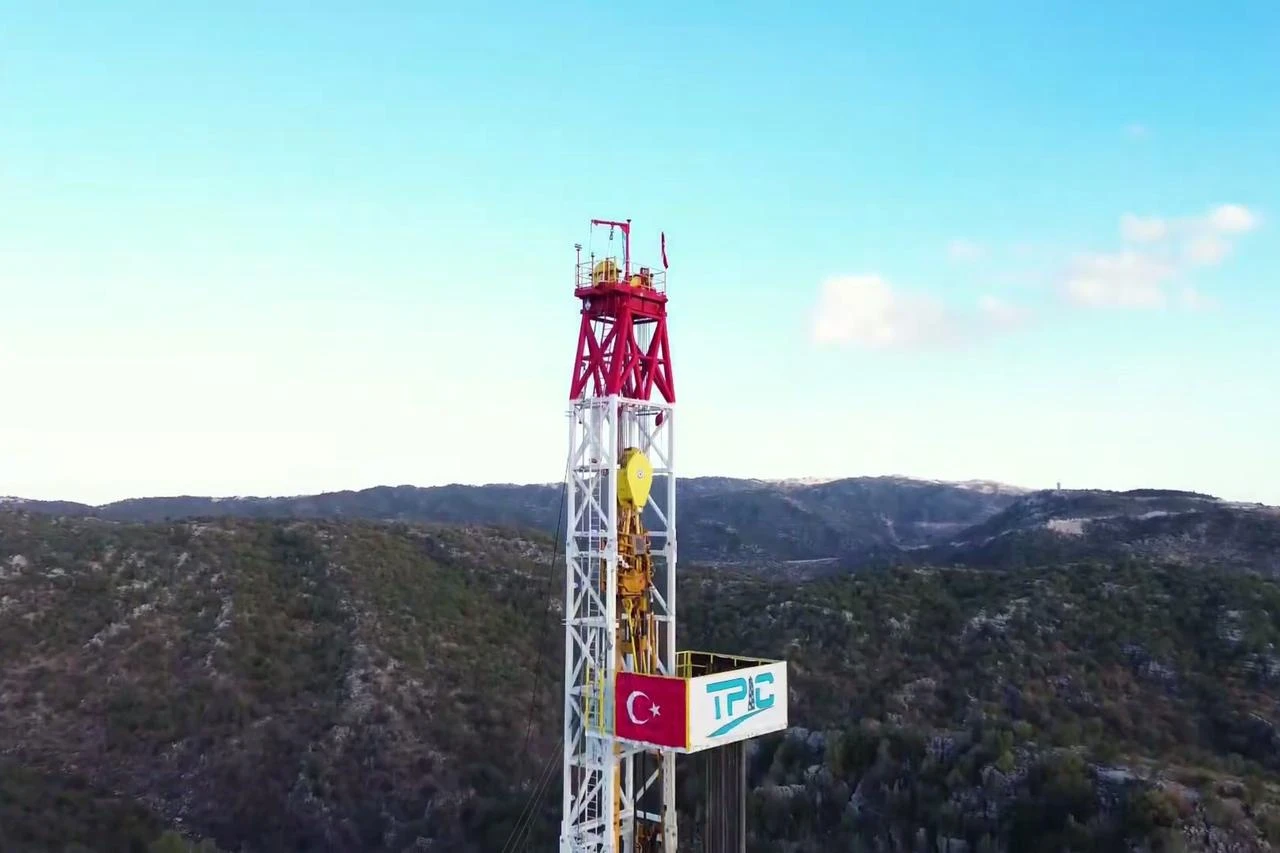
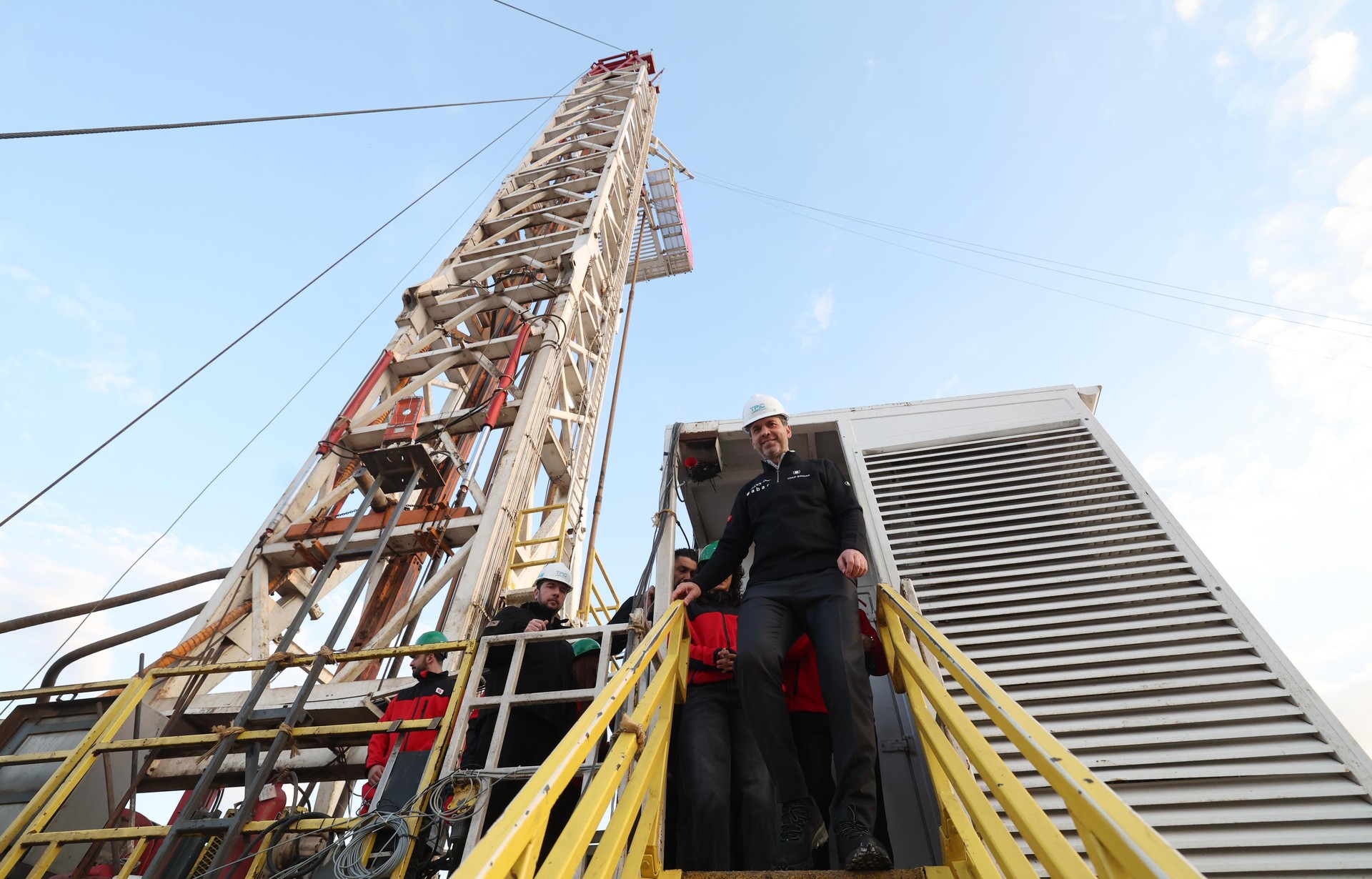
Türkiye could soon announce a new oil discovery at its Gabar production field as the country continues expanding domestic oil and natural gas exploration, Energy and Natural Resources Minister Alparslan Bayraktar said Saturday.
Speaking to Turkish state agency Anadolu on the sidelines of Russian Energy Week in Moscow, Bayraktar said Türkiye had maintained energy supply security despite successive crises in global markets by diversifying its energy resources and supplier countries.
“Oil and natural gas exploration activities are continuing both offshore and on land. Oil production in Gabar is also an important part of these efforts,” Bayraktar said.
“Hopefully, we may soon have good news of a new discovery from Gabar,” he added.
Bayraktar stressed that Türkiye would continue exploring domestic resources while expanding its access to international energy supplies.
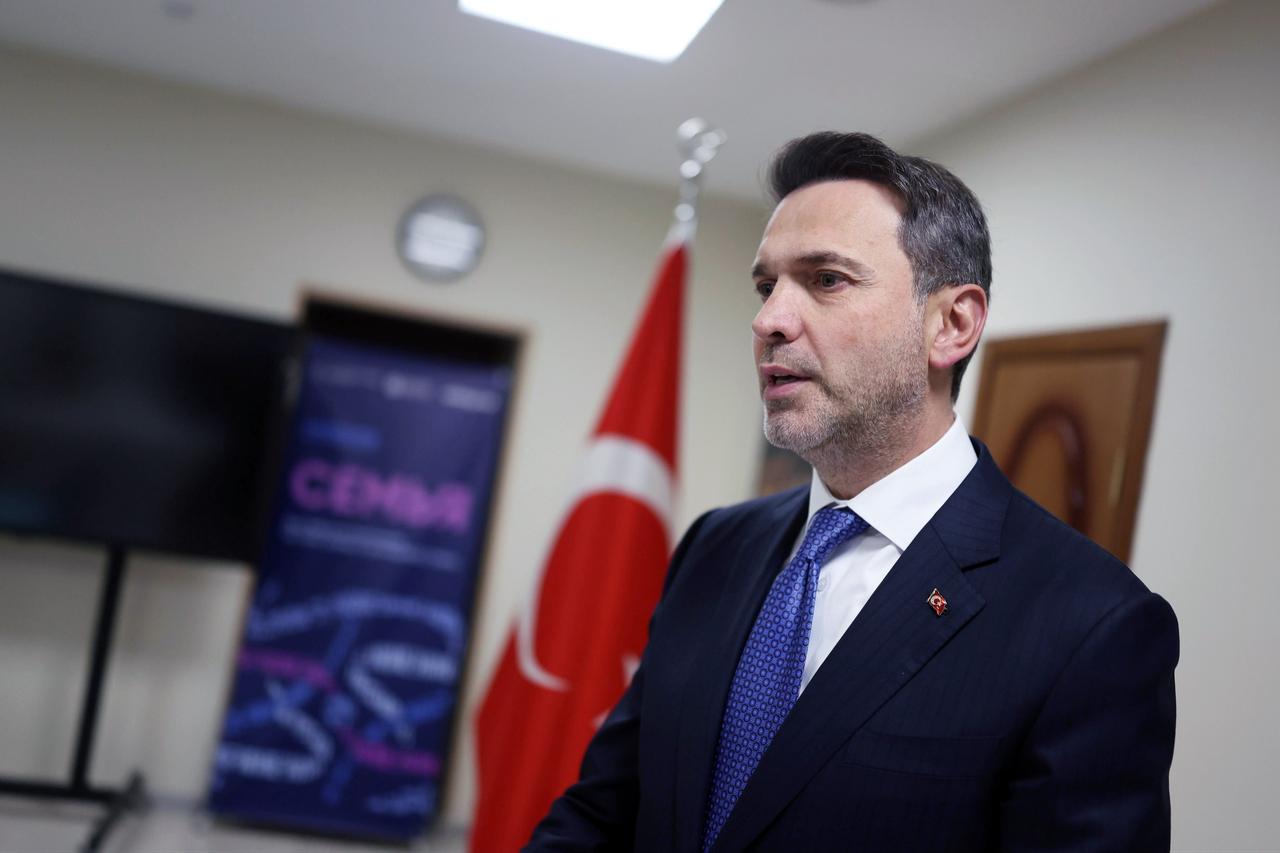

Bayraktar said Türkiye's natural gas production in the Black Sea was expected to increase significantly over the next two years.
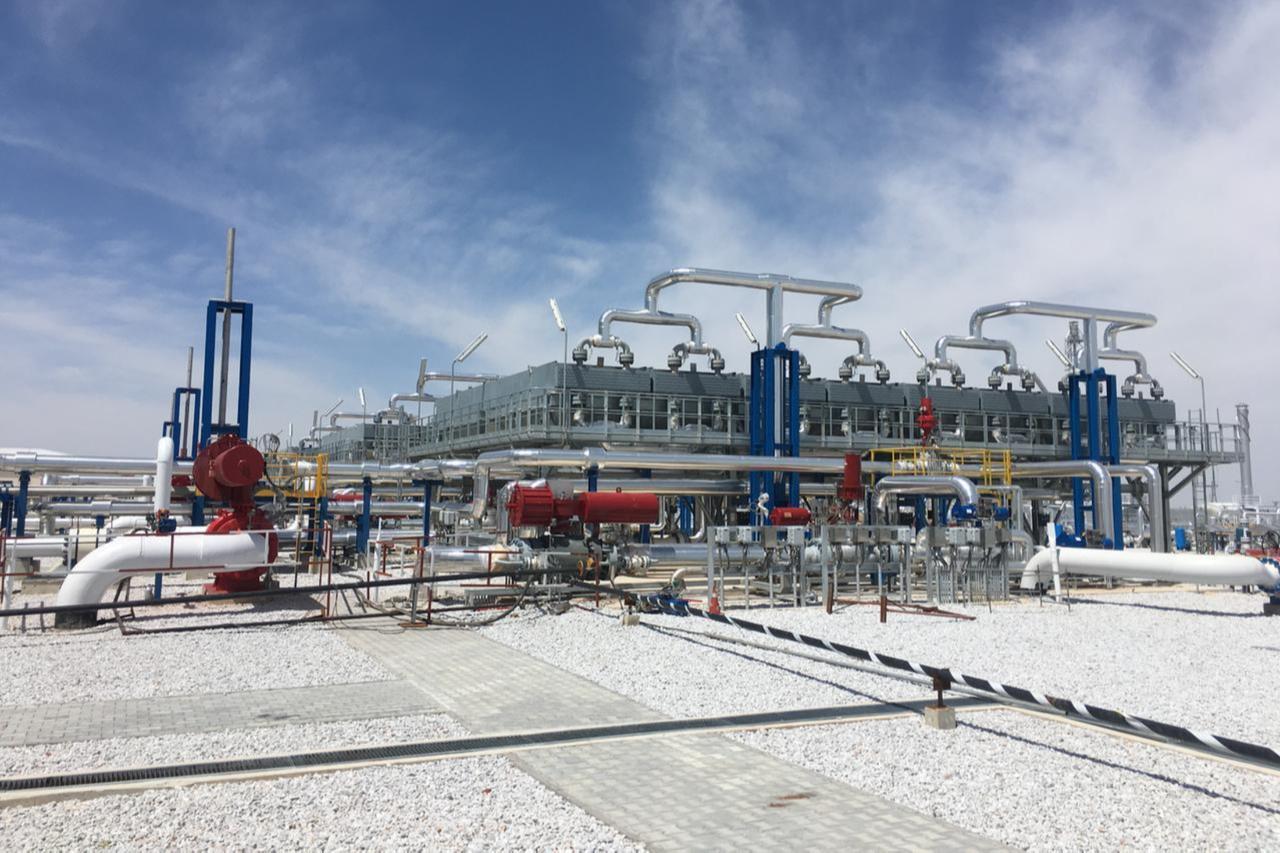
Recalling that production at the Sakarya Gas Field began in 2023, he said annual output was approaching 7.5 billion cubic meters.
“Our production in the Black Sea is reaching 7.5 billion cubic meters annually. It was zero before production began in 2023, and today, hopefully, it will double. By 2028, it will quadruple. Türkiye, meanwhile, is continuing to explore its own resources.”
Bayraktar said diversifying energy sources remained essential for maintaining supply security.
He emphasized that Türkiye aimed to use all available resources, including renewable energy, nuclear power, domestic coal, oil and natural gas.
The minister also highlighted long-term liquefied natural gas (LNG) agreements signed with the United States, saying the arrangements would provide alternative supplies in the event of disruptions to pipeline operations.
Bayraktar said Türkiye intended to use its energy infrastructure to support regional supply security.
He stressed that operating the Trans-Anatolian Natural Gas Pipeline (TANAP), the Baku-Tbilisi-Ceyhan oil pipeline and the Iraq-Türkiye oil pipeline at full capacity would benefit both energy producers and consumers.
Turning to energy cooperation with Russia, Bayraktar described Moscow as an important supplier of oil, natural gas and petroleum products to Türkiye.
He said an agreement between Russia and the United States concerning diesel supplies was particularly significant for Türkiye, given its reliance on Russian diesel imports.
“The diesel agreement between Russia and the United States, their agreements on diesel supplies, are also important. Türkiye is a major importer of diesel from Russia. Therefore, opening up this area is important for our supply security.”
Bayraktar also marked the 40th anniversary of natural gas cooperation between Türkiye and Russia.
He recalled that the first bilateral natural gas agreement was signed Feb. 14, 1986, and said Russia had supplied more than 600 billion cubic meters of natural gas to Türkiye since then.
Describing Russia as a reliable supplier, Bayraktar said discussions with Russian energy giant Gazprom had covered new opportunities for cooperation on natural gas infrastructure and regional supply security.
Bayraktar said Türkiye was approaching the start of electricity generation at the Russian-built Akkuyu Nuclear Power Plant, with its first reactor targeted for commissioning within the next few months.
“Akkuyu Nuclear Power Plant is the site of the world's largest nuclear construction project, with four reactors being built simultaneously. We are now very close to electricity generation at the first reactor. Our goal is to commission this reactor within the next few months,” Bayraktar said.
He added that discussions with Russian officials had also addressed additional nuclear power plant projects planned in Sinop and Thrace.
Bayraktar described nuclear energy as indispensable for meeting Türkiye's growing electricity demand.
He said demand was rising not only because of population growth, economic expansion and urbanization but also because of artificial intelligence, data centers, electric vehicles and increased cooling requirements.
The minister also emphasized the importance of clean energy targets ahead of the COP31 climate summit, scheduled for November in Antalya.
 1 min read
Addressing global energy security, Bayraktar said attacks during the 25th World Petroleum Congress in Saudi Arabia had demonstrated the widening risks facing the energy sector.
He said many participants had been unable to attend the event because of the attacks.
“It is no longer just energy infrastructure that has become a target. Energy meetings and conferences have now become targets as well.”
Bayraktar pointed to the Russia-Ukraine war, developments in the Middle East, trade disputes and supply chain disruptions as major sources of instability in global energy markets.
“The new normal in the world is increasingly a situation in which conflicts are constant and shocks and crises follow one another,” he said.
Despite those challenges, Bayraktar said Türkiye was maintaining its long-term energy policies and continuing to diversify its supply sources.
He also expressed hope that the conflicts between Russia and Ukraine and between Iran and the United States would come to an end.


 Set as preferred source
 Set as preferred source


 1 min read