

 Newsletters


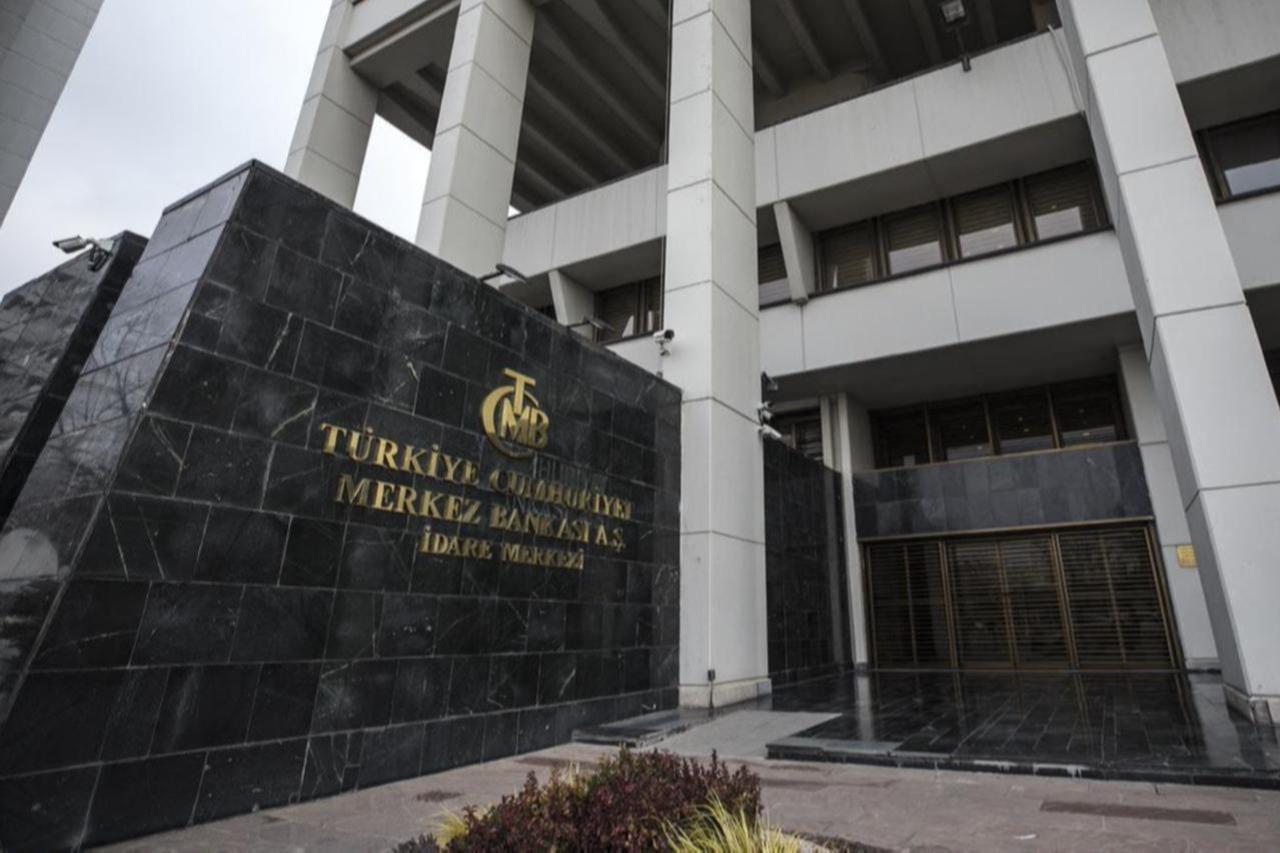


The Central Bank of the Republic of Türkiye (CBRT) said in its Financial Stability Report published Friday that corporate sector indebtedness remained below its historical average due to tight financial conditions, while firms continued to maintain strong access to external financing despite global uncertainties.
“Firms’ external debt rollover remains strong despite geopolitical risks and uncertainties in global financial conditions,” the report said.
The CBRT’s May 2026 Financial Stability Report said recent geopolitical developments had pushed commodity prices higher and increased uncertainty surrounding the global inflation outlook.
The report noted that government bond yields in advanced economies remained elevated due to concerns over public debt sustainability and inflation, while yields in emerging market economies rose above historical averages amid uncertainty in energy markets and external financing vulnerabilities.
It added that capital flows to emerging economies remained sensitive to global inflation expectations and shifts in risk appetite.
The report said total credit growth remained stronger than in the previous reporting period, although its composition changed following additional macroprudential measures.
Credit rates moved in line with the CBRT’s policy stance, while both commercial and retail lending rates increased due to higher funding costs.
The central bank said the composition of lending shifted toward Turkish lira-denominated credit, supported by strong growth in commercial TL loans and weaker expansion in foreign currency loans.
Additional macroprudential measures targeting consumer lending also slowed growth in credit cards and overdraft accounts.
“While FX loans are concentrated among large-scale firms, TL financing shows a broad-based structure,” the report said.
It added that the corporate sector’s leverage ratio and foreign exchange open position-to-export ratio remained below historical averages.
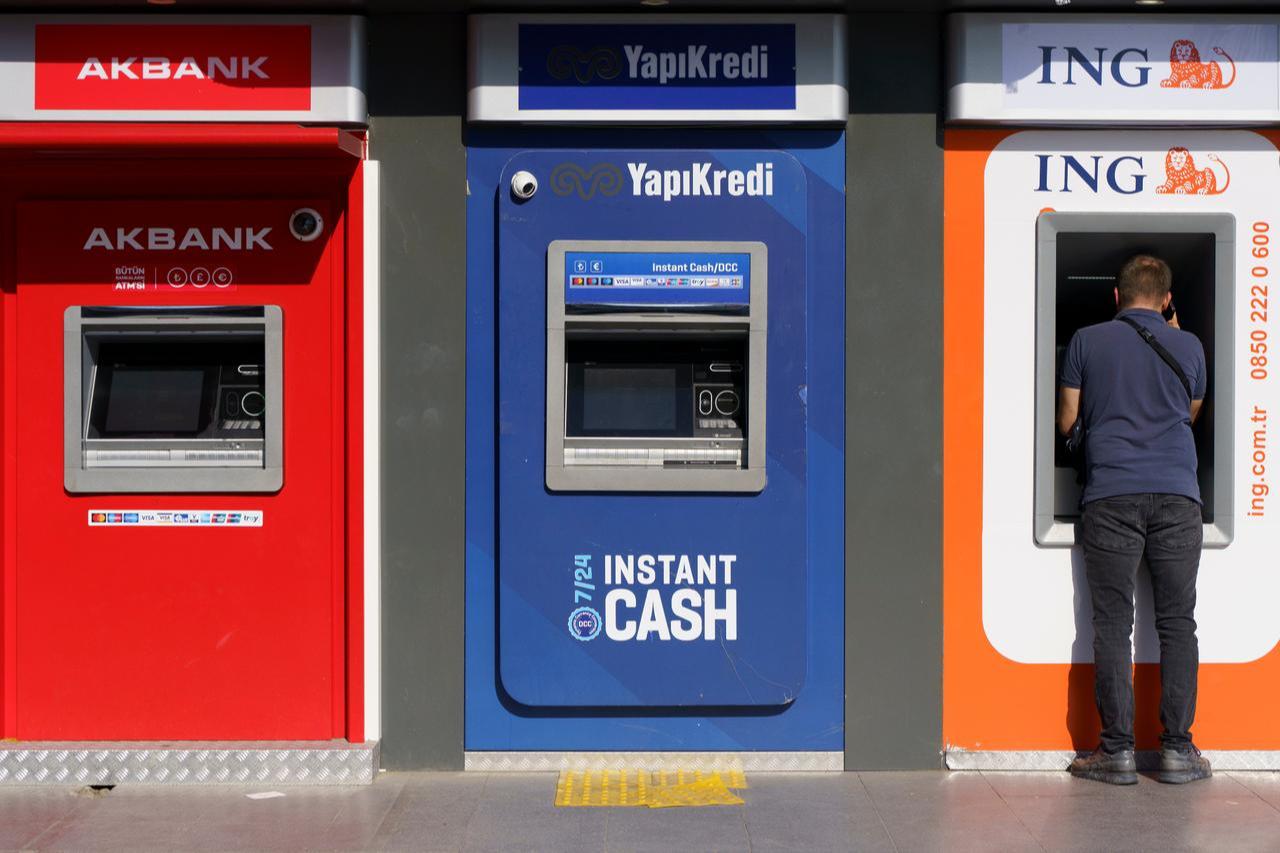

The report said asset quality indicators pointed to limited deterioration in the banking sector, although risks in retail lending had increased.
The central bank noted that restructuring measures for consumer loans and credit cards helped limit the deterioration.
“While non-performing loan ratios in SME loans continue their upward trend, the overall risk outlook for commercial loans diverges positively from retail loans,” the report said.
The CBRT said new non-performing loan formation had recently slowed in both commercial and retail segments, while recoveries increased.
“The effects of credit risk on bank balance sheets remain limited, and the banking sector maintains its prudent stance through a high provisioning policy,” it added.
The report highlighted continued preference for Turkish lira deposits among households.
While rising precious metal prices increased the share of gold-related assets within foreign currency deposits, households also continued diversifying savings through investment funds and private pension schemes.
“With the contribution of recently introduced macroprudential measures, growth in balances and limits of credit cards and overdraft accounts has slowed,” the report said.
Housing loan growth, however, showed some acceleration.
The central bank also said the banking sector’s liquidity position remained strong, with liquidity coverage ratios staying above regulatory requirements.
The report said external financing conditions for Turkish banks remained resilient despite geopolitical risks.
Banking sector external debt rollover ratios remained above 100%, while syndicated loan costs declined somewhat in the second quarter.
“Despite geopolitical developments, the limited increase in the country risk premium supports the banking sector against potential volatility,” the report said.
It added that capital adequacy ratios remained above legal thresholds and close to long-term averages despite higher funding costs and the removal of temporary regulatory flexibilities.
The report came as investment bank JPMorgan said Friday it expects the CBRT to raise its benchmark interest rate to 40%, potentially before the next scheduled Monetary Policy Committee meeting on June 11.
“Rising political risks come at an unhelpful time for the lira,” JPMorgan analysts said.
“We now expect the Central Bank of the Republic of Türkiye to hike its one-week repo rate to 40%, from the current 37%, at the June 11 meeting, or potentially earlier,” the note said.


 Set as preferred source
 Set as preferred source


 1 min read



 1 min read



