Newsletters


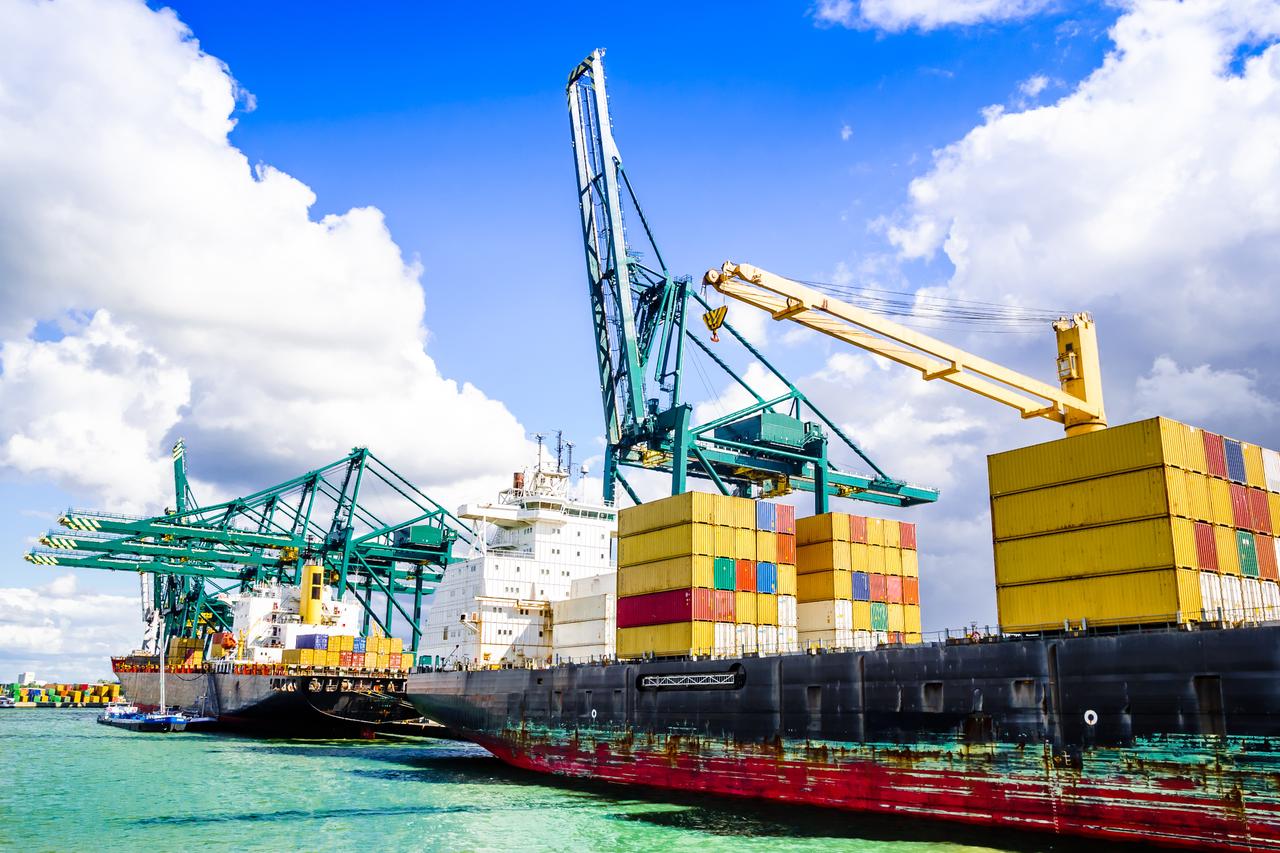


Turkish clean technology company SynPet Technologies has picked up environmental and zoning approval for a planned €300 million ($348 million) recycling facility at Belgium's Antwerp Port, paving the way for construction of a plant designed to turn mixed plastic waste into petrochemical feedstock.
At full capacity, the plant is expected to process 250,000 tons of untreated mixed plastic waste annually and feed the resulting material back into industrial supply chains.
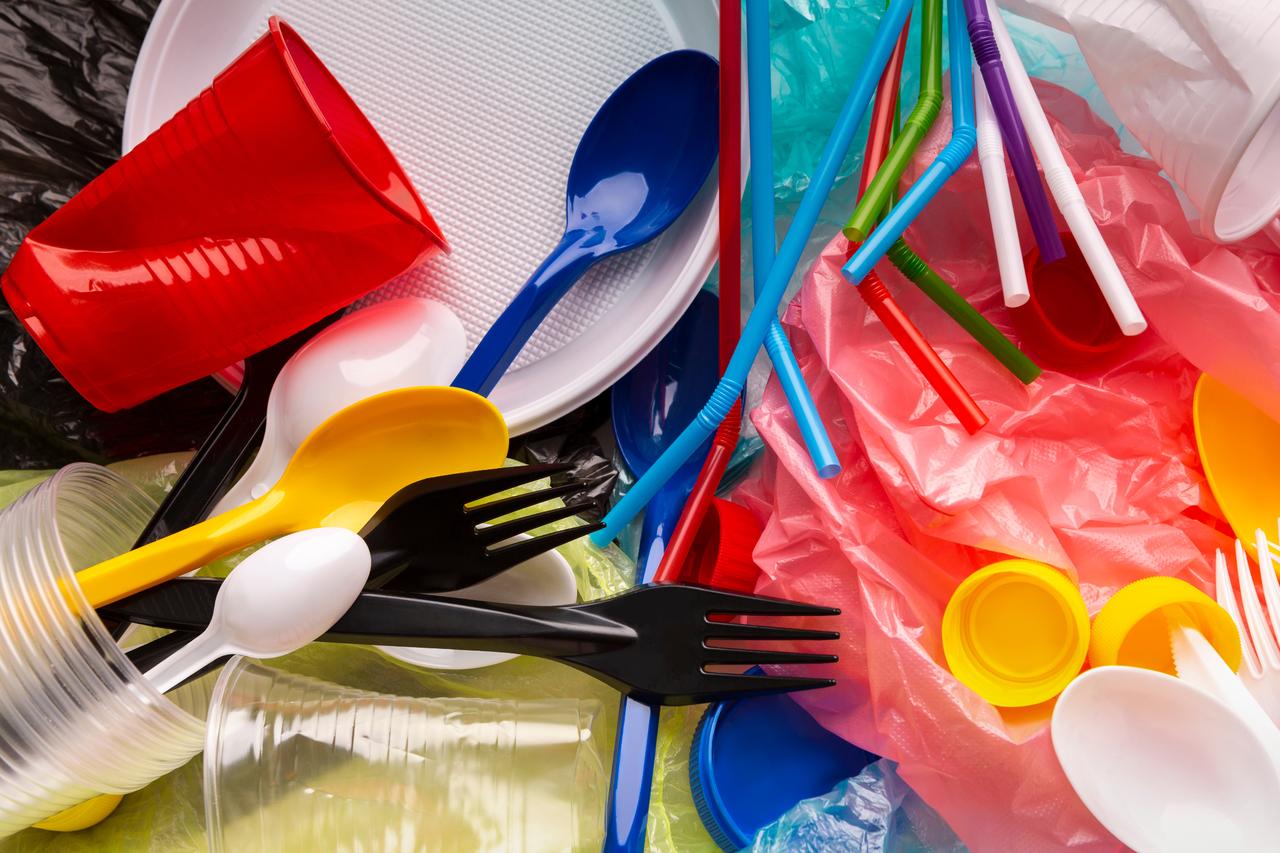
The project centers on a proprietary technology that processes plastic waste streams that typically cannot be recycled through conventional methods. Instead of ending up in landfills or incinerators, the material will be converted into a product that can replace naphtha, a petroleum-based feedstock used in plastic manufacturing.
Once produced, the recycled material can be blended directly into existing feedstock supplies used by petrochemical companies operating in the port area, one of Europe's largest chemical clusters.
SynPet first unveiled plans for the Antwerp facility last year, committing €300 million to a project aimed at bringing plastic waste back into the production cycle rather than treating it as disposal material. The company positions the investment as part of its broader efforts to support a circular economy model.
Swiss-based Kolmar Group is among the companies investing in the project, which is expected to create dozens of jobs.
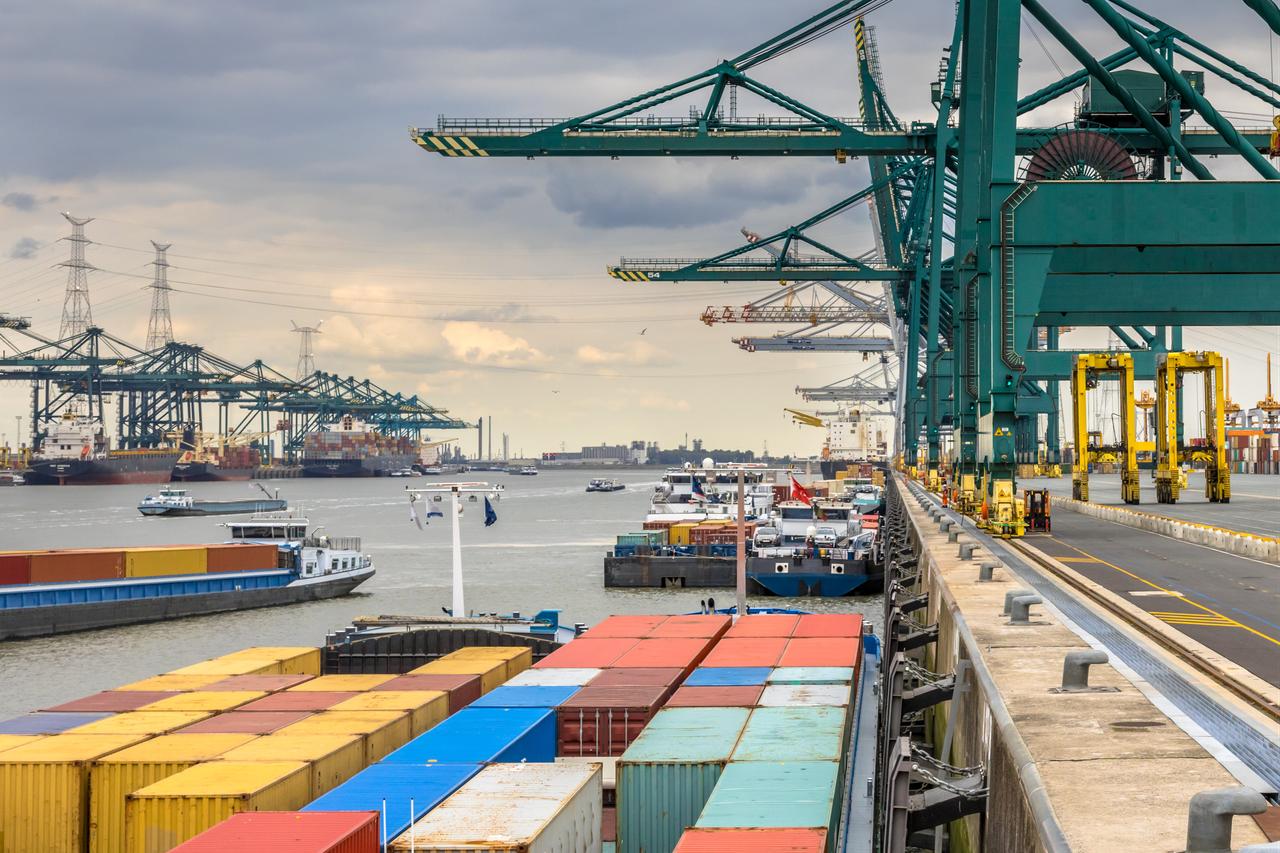

Antwerp Port, the continent's second-largest port, hosts major chemical and refining operations that could use the recycled feedstock produced at the facility, giving SynPet direct access to one of Europe's most important petrochemical hubs.
"Antwerp offers a unique combination of infrastructure, access to raw materials and integration with Europe's largest petrochemical cluster," Chief Operating Officer Ahmet Callialp told Belgium's Belga News Agency. "Our focus is now on securing the final investment decisions and on realizing one of Europe's largest state-of-the-art recycling facilities."
CEO Cem Ozsuer emphasized that more than 10 years of research and development work have gone into the technology behind the project, noting that plastic waste often ends up in landfills or oceans because viable recycling options remain limited.
"The world urgently needs solutions," he said. "Our technology proves that plastic does not have to be the problem but can be part of the solution."
Founded by Turkish entrepreneurs in 2013 and headquartered in Belgium, SynPet's Antwerp project will mark the company's first commercial-scale deployment after more than a decade of technology development, with operations expected to begin in the second half of 2028.


 Set as preferred source
 Set as preferred source


 1 min read
 1 min read